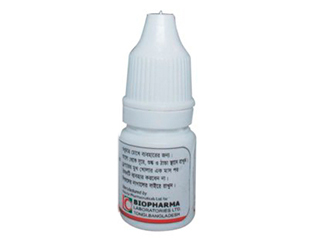
Ocuflox (Ofloxacin) Eye Drops – Patient Guide (Australia)
Ocuflox contains ofloxacin, an antibiotic medicine used to treat certain bacterial eye infections. This guide is written to help you understand how the medicine works, how it is typically used, what to expect, and how to use it safely. Always follow the directions provided with your medicine and any advice from your eye care professional.
| Product | Ocuflox (Ofloxacin) |
|---|---|
| Medicine type | Antibiotic (fluoroquinolone) for eye use |
| How it’s used | Topical eye drops (usually instilled into the affected eye) |
| Common uses | Bacterial conjunctivitis and other superficial eye infections (as advised) |
| Key active ingredient | Ofloxacin |
| Availability | Typically supplied as a prescription medicine in Australia |
Basic product information
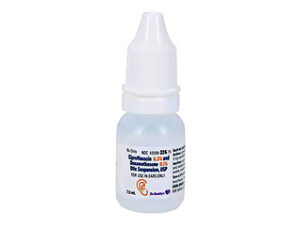
Ocuflox is a brand of eye drops containing ofloxacin. Ofloxacin belongs to the fluoroquinolone group of antibiotics. It is designed for treating infections caused by susceptible bacteria on the surface of the eye or in the front eye area, depending on the condition being treated.
Eye drops are usually supplied as a sterile solution intended for use in the eye. The bottle design and strength (concentration) may vary by product version and region—use only the strength and instructions printed on your pack.
How Ocuflox works (mechanism of action)
Ofloxacin works by stopping bacteria from making their DNA and dividing. Specifically, it inhibits key bacterial enzymes that are required for DNA replication (including DNA gyrase and topoisomerase IV). When these processes are blocked, bacterial growth slows and the infection can resolve.
- Targets susceptible bacteria—most effective against bacteria that ofloxacin can inhibit.
- Not for viral infections—cold-related or viral conjunctivitis usually does not improve with antibiotics.
- Not for irritation from non-infectious causes such as allergies or dry eye.
Pharmacokinetics (what the body does with it)
With eye drops, the goal is to deliver an effective antibiotic concentration to the surface of the eye and surrounding tissues. After instillation, only a portion of the dose remains in the eye; some drains through the tear duct into the nose and can be absorbed systemically at low levels.
- Local effect: Ofloxacin concentrates at the site of infection, where it can act against bacteria.
- Systemic absorption: Systemic absorption can occur from drainage into the nose or via the eye tissues, but levels are typically low with appropriate use.
- Elimination: Any absorbed drug is eventually cleared by the body, mainly through normal metabolic and excretory processes.
Individual responses vary depending on the severity of the infection, frequency of dosing, and your eye’s condition. If you have any kidney or liver problems, let your health professional know, even though systemic exposure from eye drops is usually low.
What Ocuflox is typically used for (indications)
Ocuflox is used to treat bacterial eye infections. In practice, an eye clinician may use it for conditions such as:
- Bacterial conjunctivitis (infective conjunctivitis) when bacterial causes are suspected or confirmed.
- Other superficial bacterial infections of the eye as considered appropriate by a health professional.
Because the eye can be affected by many different causes (bacteria, viruses, allergies, irritants), it’s important not to rely on antibiotics unless a bacterial cause is likely.
Timing and how to use it correctly
Typical dosing schedules for eye drops depend on the condition and severity. Common regimens for bacterial eye infections may involve frequent dosing early on (for example, several times a day), then reducing the frequency as the infection improves.
Important: Always follow the exact directions on your medicine label or provided by your clinician.
General step-by-step instructions
- Wash your hands thoroughly.
- Shake the bottle only if the label or pack instructions indicate it should be shaken.
- Prepare the dropper tip: avoid touching the tip to your eye, eyelids, fingers, or any surface.
- Instill the drop: gently pull down the lower eyelid to create a small pocket. Hold the bottle above the eye and place the prescribed number of drops into the pocket.
- Close your eye gently for 1–2 minutes. Avoid rubbing the eye.
- Optional tear-duct pressure (helpful if advised): use gentle pressure at the inner corner of the eye (near the nose) for about 1 minute to reduce drainage into the tear duct.
- Repeat for the other eye only if prescribed.
- Wash your hands again.
Missed dose
If you miss a dose, use it as soon as you remember unless it’s close to the time of the next dose. Do not use double doses to catch up.
How long to use it
Even if symptoms improve quickly, complete the full course as directed. Stopping early may allow bacteria to persist and the infection to return.
Food interactions
Food interactions are unlikely with eye drops because the medicine is applied to the eye rather than taken by mouth. However, if the drops are causing nausea or if you are using other medicines as well, follow the directions provided for those medicines.
Alcohol and medicine interactions
Ocuflox eye drops have a low likelihood of causing significant alcohol interactions, because systemic absorption is typically limited. Nevertheless:
- Alcohol: If you are taking other medicines for related conditions, check their alcohol warnings.
- Other eye medicines: Some eye products can interact indirectly (for example, by affecting absorption or causing irritation). Space different eye drops if you are using more than one.
Spacing with other eye drops
If you are using more than one type of eye drop (e.g., antibiotic plus lubricating drops), a common approach is to separate products by at least 5–10 minutes. If ointments are used, they are usually applied last. Confirm the best schedule with your pharmacist or clinician.
Safety profile and side effects
Most people tolerate Ocuflox well, but like all medicines it can cause side effects. Many eye-related effects are mild and temporary. Seek medical help urgently if you experience signs of a serious allergic reaction or severe eye symptoms.
Common or mild side effects
- Mild stinging or burning on instillation
- Redness or irritation
- Tearing or watery eyes
- Temporary blurred vision (usually clears soon after)
- Dryness or discomfort
Less common but more serious risks
- Allergic reaction: swelling of eyelids/face, rash, severe itching
- Worsening eye pain or rapidly worsening redness
- Vision changes that persist
- Light sensitivity (photophobia) that is significant
- Persistent discharge after a few days of treatment
When to stop and get urgent help
Contact an eye care professional urgently or seek emergency care if you develop:
- Severe pain, marked light sensitivity, or sudden vision loss
- Worsening symptoms despite using the drops as directed
- Signs of severe allergy (facial swelling, trouble breathing)
- Contact lens-related pain or suspected corneal infection
Practical use tips (especially for comfort and effectiveness)
- Do not touch the drop tip to prevent contamination.
- Remove contact lenses before using the drops unless your eye care professional specifically says otherwise. Contact lenses can worsen infections and may absorb medicine.
- Replace eye drops if contamination is suspected (e.g., if the tip touched the eye or fingers).
- Expect temporary blurring after applying the drop. Avoid driving or operating machinery until your vision is clear.
- Keep the bottle clean and closed tightly. Follow storage instructions on the pack.
- Complete the course to reduce the risk of recurrence.
Dosing overview (how dosing is commonly structured)
The exact dose and frequency should match the written directions provided with your specific Ocuflox product. Many antibiotic eye-drop regimens follow a pattern of more frequent dosing at the start, then tapering as symptoms improve.
Below is a general dosing framework often seen with topical ofloxacin for bacterial eye conditions. Use it only as an illustration—always rely on your personal instructions.
| Phase | Typical approach (example) | What it means |
|---|---|---|
| Early treatment | More frequent dosing (e.g., several times daily) | Helps achieve an effective antibiotic level quickly |
| Improvement | Reduced frequency (as symptoms settle) | Maintains treatment while reducing irritation from frequent drops |
| Course completion | Continue for the full prescribed duration | Reduces the chance of relapse |
If you’re unsure about your dosing schedule, check your label or ask your pharmacist. Do not change frequency or duration on your own if symptoms are still present.
Alternative options (what you can discuss with your clinician)
Treatment depends on the suspected cause of the eye symptoms and local antibiotic susceptibility patterns. Alternatives may include other topical antibiotics (for example, different classes such as aminoglycosides or other fluoroquinolones) or supportive measures (if the cause is not bacterial).
Non-antibiotic alternatives or supportive options may include:
- Lubricating eye drops (artificial tears) for dryness and irritation
- Allergy management if symptoms suggest allergic conjunctivitis (antihistamine/mast-cell stabiliser drops may be considered)
- Hygiene measures: gentle cleaning of discharge, avoiding eye rubbing, and maintaining hand hygiene
If you have recurrent symptoms, severe symptoms, or contact lens use, it’s particularly important to have the cause assessed. Mis-treating viral or allergic conjunctivitis with antibiotics can delay appropriate care.
Market and legal context for Australia
In Australia, medicines are regulated through the TGA (Therapeutic Goods Administration) and supplied under national medicines scheduling. Many antibiotic eye drops are considered prescription-only medicines to support appropriate diagnosis and safe use.
- Supply: Ocuflox is typically supplied through pharmacies with appropriate documentation.
- Quality and sterility: Products are manufactured to meet regulatory standards for sterile ophthalmic preparations.
- Antibiotic stewardship: Using antibiotics when they are not needed can contribute to resistance, so correct diagnosis matters.
Recent guidance and stewardship considerations
Across healthcare systems, including Australia, there is ongoing emphasis on:
- Right medicine for the right cause (bacterial vs viral vs allergic)
- Appropriate duration (avoid unnecessary extended use)
- Review if no improvement (reassess diagnosis if symptoms don’t settle)
- Infection control (hand hygiene and avoiding sharing towels)
If you are not improving after several days, or if your symptoms worsen, you should seek reassessment. Some eye conditions require different treatment and should not be delayed.
Delivery, availability and what to expect (Australia)
Online pharmacy availability can vary depending on stock status, prescription requirements, and supply timelines. If Ocuflox is available through our service, it will be listed along with:
- Strength and pack size
- Product details (as shown on the manufacturer’s pack)
- Estimated delivery timeframe to your location in Australia
When you place an order, processing and shipping times can vary. If you need the medicine urgently—especially for painful or vision-threatening eye symptoms—consider contacting a healthcare provider promptly and confirm availability.
Please check the storage instructions on your pack upon delivery. Eye drops should be stored as directed to maintain sterility and effectiveness.
FAQ about Ocuflox (Ofloxacin) eye drops
1. What is Ocuflox used for?
Ocuflox is used to treat bacterial eye infections as advised by a health professional. It may be recommended for conditions such as bacterial conjunctivitis.
2. How quickly should I feel better?
Some improvement may be seen within 1–2 days, but this depends on the cause and severity. If symptoms are not improving after a few days, or if they worsen, seek reassessment.
3. Can I wear contact lenses while using Ocuflox?
Usually, you should avoid contact lenses while you have an eye infection. Ask your eye care professional when it is safe to restart. Contact lenses can prolong infections and may be contaminated.
4. What if my eye still looks red after I finish the drops?
Redness can take time to settle even after infection is controlled. However, persistent or worsening symptoms—especially pain, discharge, or vision changes—should be checked.
5. Is Ocuflox safe for children?
Ocuflox can be used in children in some circumstances, but dosing and suitability depend on age, diagnosis, and severity. Follow the instructions provided for your child and seek medical advice if unsure.
6. What should I do if it accidentally gets in my mouth?
If a small amount is swallowed or gets into the mouth, rinse your mouth with water. Contact your pharmacist or seek advice if you have any concerns, especially in children. Eye-drop doses are typically small, but it’s best to avoid swallowing larger amounts.
7. Can I use Ocuflox with other eye drops?
Yes, but separate different eye products by at least 5–10 minutes unless your clinician advises otherwise. If you use eye ointments, they’re often applied last.
8. Will it work if my conjunctivitis is viral or allergic?
Ocuflox treats bacterial infections. It usually won’t cure viral or allergic conjunctivitis. The pattern of symptoms and your clinician’s assessment help determine the best treatment.
9. Do I need to avoid alcohol?
With eye drops, significant alcohol interactions are unlikely. However, avoid alcohol considerations with any other medicines you may be taking, and follow their specific advice.
10. How should I store Ocuflox?
Store according to the instructions on the pack (commonly at room temperature, away from heat and light). Keep the bottle tightly closed and avoid contamination of the tip.
11. What if I miss a dose?
Use it when you remember unless it’s close to the next dose. Don’t use extra drops to make up for the missed dose.
Key reminders
- Use Ocuflox for bacterial eye infections only, based on professional advice.
- Don’t stop early if symptoms improve—finish the recommended course.
- Seek urgent care if you have severe pain, worsening symptoms, or vision changes.
- Maintain hygiene: wash hands and avoid touching the drop tip to the eye.
If you’d like, share the age of the person using the drops and the exact label instructions (frequency and number of drops). I can help you interpret a safe dosing schedule and explain how to space it with other eye products.