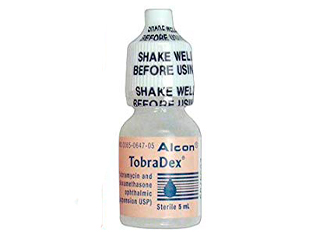
Tobramycin and Dexamethasone
Tobramycin and dexamethasone is a combination medicine used to treat certain eye (and sometimes ear) conditions where both: infection and inflammation occur together. Tobramycin is an antibiotic active against many common bacteria, while dexamethasone is a corticosteroid that helps reduce inflammation and swelling.
This page explains how the medicine works, when it’s typically used, how to take it safely, possible side effects, and practical tips for use. It’s written for people in Australia and includes general information about availability and regulatory context.
Quick overview
- Medicines in the combination: Tobramycin + Dexamethasone
- What it’s used for: Eye/ear problems involving bacterial infection plus inflammation (as advised by a clinician)
- Key actions: Antibiotic killing bacteria + steroid reducing inflammation
- Common forms: Eye drops or eye ointment (and in some cases ear preparations, depending on the brand)
- Important note: Steroids can worsen certain infections and raise eye pressure in some people—use only as directed
Basic product information
| Feature | What to know |
|---|---|
| Active ingredients | Tobramycin (antibiotic) + Dexamethasone (corticosteroid) |
| Class | Topical (local) antibiotic + steroid combination |
| Where it’s used | Primarily eyes (and certain ear conditions depending on the product) |
| Typical presentation | Eye drops or ointment; strength varies by product |
| How it works | Tobramycin attacks bacterial growth; dexamethasone suppresses inflammation |
How it works (mechanism of action)
Tobramycin: antibiotic action
Tobramycin is an aminoglycoside antibiotic. It works by interfering with bacterial protein synthesis. In practical terms, it helps stop bacteria from growing and multiplying, which can reduce infection and related symptoms such as redness and discharge.
Dexamethasone: anti-inflammatory/steroid action
Dexamethasone is a corticosteroid that reduces inflammation by limiting immune responses and stabilising inflammatory pathways. It can help relieve swelling, irritation and discomfort that accompany infected or inflamed ocular tissues.
Together, the combination targets both the cause (bacteria) and the inflammation that can worsen symptoms and delay recovery if left untreated.
Pharmacokinetics (what the body does with it)
With topical eye/ear medicines, the goal is local action. Absorption into the bloodstream is generally low, but some uptake can occur. The exact levels depend on the product, the condition being treated, and how the medicine is used.
- Local effect: Doses are designed to act directly at the target site (eye/ear tissues).
- Systemic absorption: Typically low, but can increase if used more frequently, in larger amounts, or with certain risk factors.
- Metabolism and elimination: As with other drugs in these classes, clearance occurs primarily through the body’s normal processes; however, for topical products the dominant consideration is local tolerability and safety.
If you have concerns about absorption due to other health conditions (for example, immune system disorders), speak with a clinician.
Typical uses and indications
Tobramycin and dexamethasone combination products are used for conditions where both infection and inflammation are present. Examples include certain bacterial eye infections with significant inflammatory signs, where an antibiotic plus steroid may be appropriate.
Important: This medicine is not suitable for all eye or ear conditions. Some infections should not be treated with steroids because steroids may worsen them.
When it may be used
- Bacterial conjunctivitis or blepharitis when inflammation is prominent (product- and case-dependent)
- Some post-procedure or post-injury inflammatory states where bacterial contamination is a concern (as directed)
- Other specific eye/ear presentations where a clinician assesses that both antibiotic and steroid benefits outweigh risks
Not for everyone
Your clinician may avoid steroid-containing drops if you have (or are suspected to have) certain conditions such as:
- Fungal or viral eye infections
- Conditions involving a risk of corneal thinning or specific corneal infections (depends on diagnosis)
- Untreated eye infections where diagnosis is unclear
If symptoms are severe, sudden, or unusual, prompt assessment is important.
Timing and how to use (practical steps)
The exact dosing schedule varies by product and by the condition being treated. Always follow the instructions on your medicine label and the advice provided by your healthcare professional.
Typical timing patterns
- Early phase: Many eye infections start with more frequent dosing (for example, multiple times daily) for a short period.
- After improvement: A clinician may gradually reduce the frequency as symptoms improve.
Tip: Set reminders on your phone for each dose. If you miss a dose, use it when you remember unless it’s close to the next dose. Do not double up.
How to apply eye drops
- Wash your hands thoroughly.
- If possible, avoid touching the dropper tip to your eye, eyelids or lashes.
- Gently pull down the lower eyelid to create a small pocket.
- Instil the prescribed number of drops.
- Close your eye gently for about 1–2 minutes.
- Optional but useful: nasolacrimal occlusion. Press lightly on the inner corner of the eye (near the nose) for about 1 minute to reduce drainage into the tear duct.
- Wipe away excess liquid with a clean tissue.
How to apply eye ointment
- Wash your hands.
- Pull down the lower eyelid.
- Squeeze a small ribbon of ointment into the lower lid pocket (amount as prescribed).
- Close the eye gently and keep it closed briefly to spread the ointment.
- Ointment can blur vision temporarily. Consider applying at times when you can rest (for example, at night).
Do not use more often than advised
Because dexamethasone is a steroid, using it longer or more frequently than recommended can increase risks such as raised eye pressure or delayed healing.
Dosing: what you can expect
Dosing depends on the specific product strength (and whether it’s eye drops or ointment) and on your diagnosis. Common regimens in practice may start with frequent dosing and then taper.
Examples (illustrative only): some regimens are dosed several times daily initially, then less frequently as symptoms settle.
- Always use the exact schedule written on your label.
- If you are treating both eyes, the clinician may instruct you whether to treat both or only the affected eye.
- Use a consistent approach across days to maintain steady local effect.
Food interactions
Tobramycin and dexamethasone eye/ear preparations have minimal expected interaction with food because they are applied locally. There are typically no specific dietary restrictions.
If you are taking other medications or have complex medical conditions, it’s still a good idea to mention all medicines and supplements to your healthcare professional.
Alcohol and medicine interactions
With topical use, systemic exposure is generally low, so interactions with alcohol are not usually expected. However, if you experience dizziness or blurred vision after using the product (more likely with ointment), avoid driving or operating machinery until your vision clears.
Tell your clinician/pharmacist if you take:
- Other eye medications (especially steroid or antibiotic drops/ointments)
- Medicines that affect immunity or you’re undergoing immunosuppressive therapy
- Medicines that may affect healing or infection risk
Contact lenses: Many eye infection regimens require avoiding contact lenses until fully recovered. Follow your clinician’s advice and check your product’s instructions.
Safety profile and side effects
Most people tolerate tobramycin/dexamethasone well when used correctly for the recommended duration. Because it includes a steroid, some risks require attention, especially if treatment is prolonged.
Common side effects
- Temporary burning, stinging or irritation after application
- Redness or watery eyes
- Blurred vision (more likely with ointment)
- Unusual taste (in some people) due to drainage into the throat
Less common but important risks
- Increased intraocular pressure (steroid response): can occur in some people, particularly with longer use
- Cataract formation (with prolonged steroid exposure)
- Delayed wound healing in some eye conditions
- Secondary infection (steroid can mask symptoms and allow infections to worsen)
Seek urgent care if you experience
- Severe eye pain
- Marked worsening of redness or swelling
- Vision changes that do not quickly clear after dosing
- Light sensitivity with significant discomfort
- Suspected allergic reaction (e.g., swelling of eyelids, rash, breathing difficulty)
If symptoms don’t improve within the expected timeframe (often within a few days for many infections), you should be reassessed promptly.
Practical use tips for safer, more effective treatment
- Follow the exact duration on your label. Steroids should not be continued beyond what is advised.
- Don’t share your medicine with others.
- Use correct hygiene: wash hands before and after applying drops/ointment.
- Avoid contamination: keep the cap on, do not touch the tip to the eye.
- Space other eye drops: if you use more than one eye medicine, separate them by at least 5–10 minutes unless your pharmacist advises otherwise.
- Contact lenses: avoid until infection/inflammation has resolved and your clinician confirms it’s safe to resume.
- Store correctly: check the carton/label for storage instructions (for example, temperature and whether refrigeration is required).
Alternative options
Alternatives depend on the underlying cause of your symptoms. Treatment may differ if infection is viral, fungal, allergic, or inflammatory without bacteria. Below are common categories of alternatives that clinicians may consider.
Possible alternative medicines
- Antibiotic-only eye drops/ointment (when steroid is not needed or is unsuitable)
- Lubricating drops for dryness and irritation (as supportive care)
- Anti-inflammatory non-steroid drops for certain inflammatory conditions (case-dependent)
- Antiviral/antifungal medicines if a viral or fungal infection is suspected
Your clinician will choose the appropriate option based on examination and diagnosis. Because steroid-containing products can complicate some infections, it’s best not to self-select alternatives without guidance.
Market and legal context for Australia
In Australia, eye and ear medicines containing antibiotics and/or corticosteroids are regulated under the Therapeutic Goods Act 1989 and related frameworks overseen by the Therapeutic Goods Administration (TGA). The availability of specific brands, strengths and pack sizes depends on TGA approval and pharmacy supply arrangements.
Combination products like tobramycin plus dexamethasone are commonly supplied via pharmacy channels and may be restricted depending on product classification. Online pharmacies may require confirmation of eligibility and adherence to Australian pharmacy practice standards.
Product labels and consumer medicine information (CMI) documents provide details about approved indications, dosage instructions, contraindications, and storage.
Recent guidance and “when to get reassessed”
Clinical practice emphasises appropriate use of topical steroids: shortest effective duration, careful selection based on diagnosis, and reassessment if symptoms do not improve. While specific recommendations can vary by guideline updates and individual circumstances, common themes include:
- Use steroid-containing eye drops only when infection plus inflammation is likely and diagnosis supports steroid benefit.
- Reassess promptly if symptoms worsen, fail to improve, or if vision changes occur.
- Monitor for steroid-related effects (such as eye pressure) if longer courses are used.
- Avoid routine extension of therapy when the cause may not be bacterial.
Delivery and availability in Australia
Tobramycin/dexamethasone products may be available from pharmacies and online pharmacy services that deliver across Australia. Availability can vary by brand and formulation (drops vs ointment) and by current pharmacy stock.
- Dispatch times: often depend on local stock and order cut-off times.
- Delivery regions: typically includes metropolitan, regional and remote areas where permitted.
- Packaging: products are generally shipped in protective packaging to prevent damage.
If you need a particular brand or strength, check the product listing and confirm the formulation you require.
FAQ
1) What is tobramycin and dexamethasone used for?
It’s used for certain eye/ear conditions where bacterial infection and inflammation occur together. A clinician determines whether this combination is appropriate for your specific diagnosis.
2) How long does it take to work?
Many people notice improvement within a few days. If there is no improvement or symptoms worsen, you should be reassessed rather than extending the steroid-containing medicine on your own.
3) Can I wear contact lenses?
Often, contact lenses should be avoided during infection/inflammation and until symptoms fully resolve. Follow your product instructions and clinician advice. If you do resume lenses, do so only when it’s safe to avoid reinfection or irritation.
4) Are there food interactions?
No specific food interactions are expected with topical use. The product acts locally in the eye/ear.
5) Can I drink alcohol while using it?
Alcohol interactions are not typically expected with topical tobramycin/dexamethasone. If your vision becomes blurred after use, avoid driving or operating machinery until you’re clear.
6) What happens if I miss a dose?
Use it when you remember, then continue your usual schedule. If it’s almost time for your next dose, skip the missed dose. Don’t double dose.
7) Is this medicine safe for children?
Safety depends on the specific product and the child’s age and condition. Use only if a clinician has advised it and follow the dosing instructions provided on the label.
8) Why shouldn’t I use steroid eye drops for every red eye?
Because steroids can suppress inflammation while also potentially worsening some infections (such as viral or fungal causes) or masking symptoms. It’s important to use the right treatment for the right diagnosis.
9) What side effects should worry me most?
Seek urgent medical advice if you have severe pain, significant worsening redness/swelling, notable vision changes, or symptoms not improving. If you use the medicine for longer periods, ask about monitoring for steroid-related effects such as increased eye pressure.
10) Can I use it with other eye drops?
You may, but spacing matters. Typically allow 5–10 minutes between different eye drops unless a pharmacist or clinician advises otherwise. Ointments may be applied after drops, depending on the regimen.
Disclaimer
This information is general and for education purposes only. Always follow the instructions provided with your product and seek medical advice for diagnosis or if symptoms are severe, unclear, or not improving. If you have questions about suitability for your condition, speak with a pharmacist or clinician.