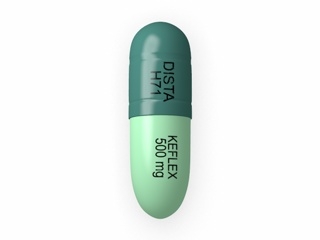
Keflex (Cephalexin) – Patient-Friendly Medicine Information (Australia)
Keflex is the brand name for cephalexin, a commonly used antibiotic in the cephalosporin (beta-lactam) group. This page provides clear, patient-friendly information about what Keflex is used for, how it works, how it’s taken, and key safety considerations. It is intended as general guidance and does not replace advice from a qualified healthcare professional.
Quick Facts
- Medicine: Keflex (cephalexin)
- Drug class: Cephalosporin antibiotic (beta-lactam)
- How it works: Kills susceptible bacteria by stopping bacterial cell wall formation
- Common forms: Capsules and tablets (strengths vary by product); liquid formulations may be available in some markets
- Typical dosing pattern: Usually multiple times per day, depending on the infection and your clinician’s instructions
Basic Product Information
Keflex contains cephalexin. Cephalexin is used to treat certain bacterial infections. It is not effective against viruses (such as colds and flu).
In Australia, cephalexin is a well-established antibiotic option. Availability and specific brand presentations can vary, and regulations require appropriate clinical consideration and supply pathways.
How Keflex Works (Mechanism of Action)
Cephalexin works by interfering with the way bacteria build their protective cell wall. Specifically, it binds to penicillin-binding proteins (PBPs) involved in forming the cell wall. When the cell wall cannot form properly, bacteria become vulnerable and die—helping to clear the infection.
Important: Keflex is active only against bacteria susceptible to cephalexin. Using antibiotics when they won’t work can contribute to treatment failure and antibiotic resistance.
Pharmacokinetics (How the Body Handles It)
After oral dosing, cephalexin is absorbed from the gastrointestinal tract and reaches therapeutic levels in the body. It is generally excreted largely through the kidneys, which is why kidney function can be important when deciding dose and frequency.
- Absorption: Cephalexin is absorbed after taking by mouth.
- Distribution: It distributes into body tissues and fluids to reach infection sites.
- Elimination: Primarily excreted by the kidneys.
- Half-life (general idea): The time it takes for the level in the body to reduce can vary by individual kidney function.
Typical Uses and Indications
Keflex is used to treat specific bacterial infections where cephalexin is considered appropriate. The exact choice depends on the suspected organism, local antibiotic guidance, severity of illness, and patient factors (such as allergies and kidney function).
Common Indications
- Skin and soft tissue infections (e.g., some cases of cellulitis, infected wounds, abscesses may need drainage in addition to antibiotics)
- Respiratory tract infections in certain circumstances (based on bacterial suspicion)
- Ear infections (in selected bacterial cases)
- Urinary tract infections (UTIs) due to susceptible bacteria
- Other localized bacterial infections where cephalexin is suitable
Not for: viral infections such as the common cold, most sore throats from viral causes, or influenza.
Timing: How to Take Keflex
The timing of Keflex doses is important to maintain adequate antibiotic levels. Your schedule should follow your clinician’s instructions or the directions on the label from your pharmacy.
General Practical Timing Tips
- Try to space doses evenly across the day (for example, morning–afternoon–evening if multiple daily doses are prescribed).
- Use reminders (phone alarms, pillbox) to avoid missed doses.
- Complete the course, even if you feel better before finishing.
- If you miss a dose: take it when you remember unless it is close to the next dose—then skip the missed dose. Do not double up.
Dosing Information (General Guidance)
Dose and frequency depend on the infection type, severity, age, kidney function, and clinical judgement. Because dosing can vary widely, you should follow the exact instructions provided with your medicine.
Common dosing patterns seen in practice include multiple doses per day, but do not use this information to self-adjust your regimen.
Dosing Considerations
- Kidney function: People with reduced kidney function may require dose adjustments.
- Allergy history: A history of cephalosporin allergy or severe penicillin/beta-lactam reactions may affect suitability.
- Age and weight: Dosing may differ for children vs adults; liquid formulations may be used where appropriate.
Food Interactions and What to Eat
Keflex can generally be taken with or without food. Taking it with food may help reduce stomach upset for some people. If you experience nausea, consider taking your doses with meals or shortly after eating.
Food-Related Tips
- If your stomach feels unsettled: take Keflex with a meal.
- Hydration matters: Drink adequate fluids unless you’ve been advised to restrict fluids.
- Avoid missing doses: aim to keep the schedule consistent even if you eat at different times.
Alcohol Interactions
Keflex is not typically known for a dangerous interaction with alcohol in the way some other medicines are. However, drinking alcohol during an infection may worsen side effects (such as dizziness or stomach irritation) and can make recovery slower.
For best results, it’s generally recommended to limit or avoid alcohol while you’re taking antibiotics, especially if you’re unwell.
Medicine Interactions (Other Medicines to Consider)
Many antibiotics can interact with other medicines by changing absorption, increasing side effects, or affecting how your kidneys process drugs. Always review your current medicines with a healthcare professional or pharmacist.
Common Interaction Themes
- Probenecid: may affect renal excretion of some antibiotics.
- Warfarin and other anticoagulants: some antibiotics can affect bleeding risk in certain individuals; closer monitoring may be needed.
- Other antibiotics: combinations should be guided by clinical need and susceptibility patterns.
- Kidney-related medicines: because cephalexin is cleared by the kidneys, kidney-affecting drugs can be relevant.
If you’re taking any regular medications—including supplements, herbal products, or over-the-counter pain relief—tell your pharmacist or clinician so they can check for interactions.
Safety Profile: Side Effects and When to Get Help
Like all medicines, Keflex can cause side effects. Many people tolerate cephalexin well, but it’s important to know what’s normal and what needs urgent attention.
Common Side Effects
- Gastrointestinal upset (nausea, vomiting, stomach discomfort)
- Diarrhoea (mild to moderate can occur)
- Headache
- Rash or mild skin reactions
- Vaginal yeast infection (in some people, particularly after antibiotic courses)
Serious but Less Common Reactions
Seek urgent medical help if you experience symptoms of a serious allergy or other complications.
- Signs of an allergic reaction: swelling of the face/lips/tongue, difficulty breathing, severe rash, or hives
- Severe or persistent diarrhoea, especially with blood, mucus, fever, or severe abdominal pain (may require urgent assessment)
- Severe skin reactions (e.g., blistering, peeling, sores in the mouth)
- Yellowing of the eyes/skin or dark urine (possible liver-related issues—seek medical advice)
Who Should Take Extra Care?
- History of allergy to cephalosporins or penicillins
- Previous severe allergic reactions to beta-lactam antibiotics
- Kidney impairment (dose adjustment may be needed)
- History of antibiotic-associated diarrhoea
- Pregnancy or breastfeeding: discuss suitability with your clinician
Practical Use Tips (Getting the Best Results)
Antibiotics work best when used correctly. The following tips can help you take Keflex safely and effectively.
- Take at the same times each day to maintain steady drug levels.
- Do not stop early just because symptoms improve; completing the planned course helps reduce relapse and treatment failure.
- Do not share antibiotics with others or use leftover antibiotics for a new illness.
- Monitor symptoms: improvement is often expected within a couple of days for many bacterial infections; if you don’t feel better or you worsen, seek advice promptly.
- Use supportive care: rest, hydration, and appropriate pain/fever relief can help recovery (confirm what you can safely use alongside Keflex).
- Probiotics (optional): some people find probiotic-containing products helpful for antibiotic-associated diarrhoea, but evidence varies. Ask your pharmacist if you’re considering one, especially if you’re immunocompromised.
What to Expect During Treatment
Many bacterial infections begin improving after 48–72 hours, though this can vary by infection type, severity, and whether the bacteria are susceptible. If symptoms are not improving, you may need reassessment (for example, confirming the diagnosis, checking for complications, or considering alternative antibiotics).
Alternative Options to Discuss
Treatment depends on the infection and the likely or confirmed bacteria. Alternatives to cephalexin may include other antibiotic classes or approaches such as topical therapy (for certain skin issues), drainage (for abscesses), or targeted therapy after culture results.
Common Alternatives (Examples to Discuss with a Clinician)
- Other cephalosporins (depending on site and susceptibility)
- Penicillins (when appropriate and if no contraindication/allergy)
- Macrolides (e.g., for certain respiratory infections where indicated)
- Narrow-spectrum options based on culture if available
Your healthcare professional will choose the most appropriate option considering allergy history, local antibiotic recommendations, and patient-specific factors.
Market and Legal Context in Australia
In Australia, antibiotics such as cephalexin are regulated medicines. Access is typically guided by clinical assessment and appropriate supply arrangements through licensed pharmacies. This helps ensure antibiotics are used safely, appropriately, and in line with antibiotic stewardship principles.
Public health guidance in Australia emphasises responsible antibiotic use—using antibiotics only when they are likely to help, choosing the right medicine and dose, and minimising unnecessary exposure to reduce antibiotic resistance.
Recent Guidance and Stewardship Considerations
Antibiotic prescribing standards continue to focus on:
- Right diagnosis: confirm that the infection is likely bacterial rather than viral.
- Local resistance patterns: choose antibiotics based on what is most likely to work.
- Appropriate duration: use the shortest effective course for the condition.
- Culture where appropriate: particularly for recurrent, severe, or non-resolving infections.
If your symptoms are not improving, the recommended course may need review. Always follow medical advice rather than switching antibiotics on your own.
Delivery, Availability, and Receiving Your Medicine
Online pharmacies in Australia may offer delivery to eligible regions. Availability of Keflex depends on supply, pack size, and the specific formulation (e.g., capsule vs tablet).
Before Delivery
- Confirm the strength and form you are ordering matches your instructions.
- Check the expiry date on the packaging when you receive it.
- If you have a history of reactions to antibiotics, ensure the product is correct.
On Receipt
- Store the medicine as directed on the label (commonly at room temperature away from moisture and heat).
- Keep out of reach of children.
- Follow any instructions on whether capsules should be opened or tablets should be taken whole—only follow what your label and clinician advise.
Delivery timelines and fees vary by provider and location. If you need the medicine urgently, check the pharmacy’s delivery options before ordering.
FAQ
1) What is Keflex used for?
Keflex (cephalexin) is an antibiotic used to treat certain bacterial infections, including some skin infections, urinary tract infections, and other localized bacterial conditions where cephalexin is appropriate.
2) How quickly will I feel better?
Many people notice improvement within 48–72 hours. If you don’t improve, symptoms worsen, or you develop new symptoms, seek medical advice promptly.
3) Can I take Keflex with food?
Yes. Keflex can usually be taken with or without food. Taking it with food may help if you experience nausea or stomach upset.
4) What if I miss a dose?
Take it when you remember if it’s not too close to the next dose. If it is close, skip the missed dose. Do not double the dose.
5) Is it safe to drink alcohol while taking Keflex?
There is generally no well-known dangerous interaction with alcohol, but alcohol can worsen side effects and recovery. It’s best to limit or avoid alcohol while you are unwell and taking antibiotics.
6) Can Keflex treat viral infections like colds or flu?
No. Keflex targets bacteria and does not treat viral infections. If symptoms are likely viral, antibiotics won’t help.
7) What are the signs of an allergic reaction?
Seek urgent help if you develop swelling of the face/lips/tongue, trouble breathing, widespread hives, or severe rash. People with a history of serious beta-lactam allergies should take extra care.
8) What should I do if I get diarrhoea?
Mild diarrhoea can occur. However, seek medical advice urgently if diarrhoea is severe, persistent, or includes blood/mucus, or if you have fever or significant abdominal pain.
9) Are there interactions with other medicines?
Cephalexin can interact with some medicines (for example, anticoagulants such as warfarin in certain individuals). Provide your complete medication list to your pharmacist or clinician to check for interactions.
10) What if I have kidney problems?
Because cephalexin is cleared by the kidneys, kidney function can affect dosing. Let your healthcare professional know about kidney disease or past abnormal kidney test results.
11) Can I stop Keflex early if I feel better?
It’s usually important to complete the full course you were advised to help prevent relapse and reduce the risk that bacteria survive and become more difficult to treat.
12) What are the storage instructions?
Store as directed on the packaging (typically at room temperature, away from moisture and heat) and keep out of reach of children.
Summary
Keflex (cephalexin) is a cephalosporin antibiotic used for certain bacterial infections. It works by stopping bacteria from building their cell wall. For best results, take it at the right times, follow your prescribed schedule, consider food if it helps with stomach comfort, and complete the full course. If you develop signs of a serious allergy or severe diarrhoea, seek urgent medical help.
If you have questions about whether Keflex is suitable for your condition or how to take it alongside other medicines, speak with a pharmacist or clinician.