
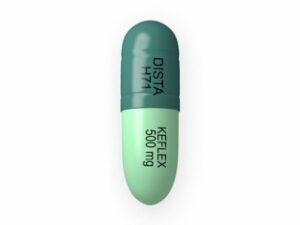
Macrobid® (Nitrofurantoin monohydrate) – Patient Guide (Australia)
Macrobid® is an antibiotic medicine used to treat certain bacterial infections of the bladder (urinary tract infections). This guide explains how Macrobid works, how it is typically taken, common safety considerations, and what to expect while using it. It is written for patients in Australia and reflects general, widely used clinical practices. Always follow the instructions provided by your prescriber and the medicine label or consumer medicines information.
Quick facts
- Brand: Macrobid®
- Active ingredient: Nitrofurantoin monohydrate
- Type of infection: Usually uncomplicated bladder infection (lower UTI)
- How it works: Kills bacteria in the urinary tract
- Common route: Oral (by mouth)
- Where it works best: In urine (bladder)
Basic product information
Macrobid® contains nitrofurantoin monohydrate. Nitrofurantoin is an antibiotic that has been used for many years. It is particularly useful for susceptible bacteria causing infections limited to the urinary bladder.
In Australia, the availability of antibiotics may vary. Your pharmacy can advise on current brand and stock status, and whether an alternative nitrofurantoin product is suitable.
How Macrobid works (mechanism of action)
Nitrofurantoin works by entering bacterial cells and then being converted into reactive substances that damage key bacterial components. This leads to bacterial death. Importantly:
- It is most active in urine, where it can achieve effective concentrations for bladder infections.
- It has multiple antibacterial effects, which helps limit the chance of resistance compared with some single-target antibiotics.
Macrobid is generally effective against common causes of uncomplicated lower UTIs, but the specific susceptibility of bacteria can vary. If symptoms do not improve, your healthcare team may consider urine testing and alternative treatment options.
Pharmacokinetics: what the body does with it
Pharmacokinetics describes how the medicine is absorbed, distributed, metabolised, and eliminated. With nitrofurantoin:
- Absorption: Usually absorbed after oral dosing, though taking with food can improve tolerability.
- Distribution: Primarily targets the urinary tract; it concentrates in urine.
- Elimination: Excreted mainly by the kidneys. Adequate kidney function is important to ensure it reaches the urine and reduces the risk of inadequate treatment.
Because the medicine depends on kidney excretion, its effectiveness and safety can be impacted in people with significantly reduced renal function. Your pharmacist or prescriber may check kidney function status if relevant.
Typical use in Australia
Macrobid is used to treat uncomplicated urinary tract infections affecting the bladder (lower UTIs), commonly characterised by symptoms such as:
- Burning or pain when urinating
- Frequent urge to urinate
- Urgency (feeling you must go immediately)
- Lower abdominal discomfort
It is important to note that “UTI” is an umbrella term. Macrobid is generally intended for lower UTIs. It may not be suitable for upper UTIs (such as kidney infections), complicated infections, or certain other situations.
Indications: when Macrobid may be appropriate
Macrobid (nitrofurantoin monohydrate) is commonly indicated for:
- Uncomplicated cystitis (bladder infection) caused by susceptible bacteria
- UTIs where a bladder-localised antibiotic is appropriate based on clinical assessment
Suitability depends on individual factors including your symptoms, medical history, kidney function, allergies, and local resistance patterns. If you have symptoms suggesting a kidney infection, you should seek urgent medical advice rather than relying on self-treatment.
Before you start: key safety checks
Before taking Macrobid, discuss with a healthcare professional if any of the following apply:
- Kidney problems or reduced kidney function (kidney clearance is important for both effectiveness and safety)
- Known allergy to nitrofurantoin or similar medicines
- Previous severe drug reactions to antibiotics
- Signs of a more serious infection (see “When to seek urgent help” below)
- Breathing difficulties or chronic lung disease (rare but serious lung reactions can occur with nitrofurantoin)
- History of liver disease (rare liver reactions are possible)
How to take Macrobid: timing and dosing
The exact dose and duration should follow the instructions supplied with your medicine and your clinician’s direction. Below are common dosing patterns for adult bladder infection treatment.
Typical adult dosing (general guidance)
Common regimens may include dosing twice daily for a short course (often around 5 days for uncomplicated bladder infections). Your prescribed instructions may differ depending on the situation.
| Use case | Typical timing | Typical duration | Notes |
|---|---|---|---|
| Uncomplicated lower UTI (bladder infection) | Usually twice daily | Often ~5 days | Follow your label/clinician instructions; do not stop early even if you feel better. |
| Other situations | May vary | May vary | Some cases require urine testing, reassessment, or different antibiotics. |
How to space doses
- Try to take doses about 12 hours apart if prescribed twice daily.
- Set reminders if you tend to miss doses.
- Keep taking the course for the full duration, unless your clinician tells you to stop.
Missed dose
- Take the missed dose as soon as you remember.
- If it is close to the next dose, skip the missed dose and continue as scheduled.
- Do not take a double dose to make up for a missed one.
Food interactions: can you take it with meals?
Nitrofurantoin is often better tolerated when taken with food. Food can help reduce stomach upset and may improve absorption.
- Consider taking Macrobid with a meal or after food.
- If you experience nausea, taking it with food may help.
- Stay hydrated during treatment unless you have fluid restrictions from your clinician.
Pro tip: Take it consistently at the same times each day to maintain steady levels in the body and to reduce missed doses.
Alcohol: is it safe to drink while taking Macrobid?
There is no universal rule that alcohol must be completely avoided with nitrofurantoin, but drinking alcohol can:
- Increase the risk of nausea, dizziness, and dehydration (which may worsen urinary symptoms)
- Make it harder to notice side effects or to stay on schedule
For the safest approach, consider limiting alcohol while you are unwell and taking antibiotics. If you plan to drink, do so in moderation and ensure you can drink enough water.
Medicine interactions: important combinations
Several medicines can interact with nitrofurantoin, mainly by affecting kidney function, urinary chemistry, or how well nitrofurantoin is cleared. Your pharmacist can check your current medicines for compatibility.
Common interaction themes
- Medicines affecting kidney function: Since nitrofurantoin relies on kidney excretion, impaired clearance may increase side effects or reduce effectiveness.
- Urine chemistry changes: Certain agents that affect urine pH or urine flow may influence activity.
- Other antibiotics: Sometimes combinations are avoided unless specifically advised.
Tell your pharmacist if you take
- Medicines for gout (e.g., probenecid)
- Medicines that may affect kidney function
- Any long-term medications or recent antibiotics
- Herbal products and supplements (these can also affect tolerance and metabolism)
If you are unsure about an interaction, it’s best to ask. Pharmacists in Australia can often review your medication list quickly and advise on safe timing.
What to expect during treatment
Many people notice improvement in urinary symptoms within 1–3 days after starting appropriate therapy. However, if there is no improvement within 48–72 hours, contact your healthcare professional, as you may need reassessment or a urine culture.
- Hydration: Drinking water can help flush the urinary tract and may reduce discomfort.
- Symptom relief: Your pharmacist may suggest supportive measures (for example, appropriate pain relief) depending on your health history.
- Finish the course: Even if you feel better, completing the prescribed regimen reduces relapse risk.
Safety profile: side effects and when to stop
Like all medicines, Macrobid can cause side effects. Many are mild and temporary, but some effects require urgent medical attention. The following list is not exhaustive—use it as a guide and read your product information leaflet for full details.
Common or usually mild side effects
- Nausea or mild stomach upset
- Diarrhoea
- Headache
- Dark or yellow-brown urine (can be normal with nitrofurantoin)
Less common but important side effects
- Allergic reactions (rash, itching, swelling, or breathing difficulty)
- Changes in liver function (unexplained fatigue, yellowing of eyes/skin, dark urine)
- Breathing or lung reactions (new cough, shortness of breath, chest pain, fever)
- Neurological symptoms (numbness/tingling, weakness—more concerning with prolonged use, but still worth reporting)
Seek urgent medical help if
Stop the medicine and seek urgent assistance if you experience:
- Breathing trouble, wheezing, swelling of the face/lips, or severe rash
- Severe or persistent vomiting or signs of dehydration
- Symptoms of kidney infection: fever, chills, flank/back pain, feeling very unwell
- Yellow skin/eyes or severe fatigue (possible liver reaction)
- Severe diarrhoea (especially if watery/bloody) or abdominal pain
Practical use tips (to improve success and comfort)
- Take with food to reduce stomach upset.
- Stay hydrated (unless you have a fluid restriction).
- Don’t skip doses; steady dosing helps the antibiotic work effectively.
- Complete the course even if symptoms settle quickly.
- Track symptoms: note improvements in burning/urgency and overall wellbeing.
- Avoid delaying care: if symptoms worsen or do not improve after 48–72 hours, seek medical advice.
- Consider probiotics carefully: evidence is mixed; ask your pharmacist if you want to take them, especially if you are prone to diarrhoea.
Alternative options for bladder infection
Treatment choice for UTIs depends on local resistance, allergies, kidney function, pregnancy status, severity, and previous antibiotic use. If Macrobid is not suitable (for example, due to kidney function concerns or intolerance), alternatives may include:
- Other antibiotics appropriate for uncomplicated cystitis (choice depends on local guidelines and susceptibility patterns)
- Non-antibiotic supportive care in selected cases (not a substitute when antibiotics are needed)
Your healthcare professional may recommend a urine test if infections recur or if the cause is uncertain. Recurring UTIs may also require evaluation for contributing factors (such as hydration habits, bladder habits, or risk factors like sexual activity).
Recent guidance and antimicrobial stewardship (Australia)
Australia follows antimicrobial stewardship principles—using antibiotics only when likely beneficial, choosing the most appropriate agent, and reviewing therapy if there is no improvement. Recent clinical recommendations emphasise:
- Appropriate diagnosis of lower vs upper UTI symptoms
- Short, targeted courses where appropriate
- Urine culture when symptoms persist, recur frequently, or when resistant organisms are suspected
- Avoiding unnecessary antibiotic exposure to reduce resistance and side effects
If your infection does not respond, it does not necessarily mean the medicine is “ineffective”—it may indicate resistant bacteria, an alternative diagnosis, or that the infection is not limited to the bladder.
Delivery and availability in Australia
Macrobid availability can vary by pharmacy and by time. Some antibiotic brands may be temporarily out of stock, but pharmacies may be able to obtain alternative packs or similar nitrofurantoin formulations where clinically appropriate.
- Online ordering: Many Australian pharmacies allow online selection and delivery where permitted.
- Delivery times: Delivery estimates depend on your location and current carrier schedules.
- Cold chain: Macrobid does not generally require refrigeration.
- Check expiry: Your pharmacy should supply medicines with adequate remaining shelf life.
For the most accurate information, select your suburb/postcode at checkout (if available) or contact customer support for stock and estimated delivery times.
Market and legal context (Australia)
In Australia, medicines are regulated under the Australian regulatory framework for medicines and pharmacy practice. Antibiotics are subject to legal and professional requirements regarding supply, patient counselling, and appropriate use.
Our pharmacy aims to support safe use by providing clear dosing information, warnings, and guidance on when to seek help. If any information is missing (such as allergy history or key safety considerations), a pharmacist may contact you or ask questions before dispatch.
FAQ about Macrobid (Nitrofurantoin monohydrate)
1) What is Macrobid used for?
Macrobid is commonly used to treat uncomplicated bladder infections (lower UTIs) caused by susceptible bacteria.
2) How quickly should I feel better?
Many people feel improvement within 1–3 days. If you have no improvement after 48–72 hours, contact your healthcare professional.
3) Can I take Macrobid with food?
Yes—taking it with food is often recommended to improve tolerability and reduce stomach upset.
4) Is it safe to drink alcohol with Macrobid?
Moderation is recommended. Alcohol may worsen side effects like nausea and dehydration. For best comfort while unwell, consider limiting alcohol during your course.
5) Will Macrobid treat a kidney infection?
Macrobid is intended for the bladder (lower UTI). Kidney infections (upper UTIs) usually require urgent medical assessment and different treatment. Seek care immediately if you have fever, chills, or back/flank pain.
6) What if my urine looks darker while on Macrobid?
Nitrofurantoin can cause urine to become yellow-brown or darker, which is often harmless. However, seek medical advice if you have symptoms such as jaundice, severe fatigue, or dark urine with other concerning signs.
7) What should I do if I miss a dose?
Take it when you remember. If it is near the next dose, skip the missed one. Do not take a double dose.
8) Who should be careful taking nitrofurantoin?
People with reduced kidney function, those with a history of serious reactions to nitrofurantoin, and those with lung or liver disease should seek professional advice before use.
9) Can I use Macrobid if I am pregnant or breastfeeding?
Suitability depends on the stage of pregnancy, individual risk factors, and your clinician’s assessment. Discuss with a healthcare professional to ensure the most appropriate and safe option.
10) Are there non-antibiotic measures I can take?
Supportive measures such as hydration, symptom comfort, and bladder habits can help. However, antibiotics are often required for bacterial UTIs—especially if symptoms are significant.
11) What should I watch out for in terms of side effects?
Seek urgent help for breathing difficulty, severe rash, severe diarrhoea, signs of liver problems (yellow eyes/skin), or symptoms of kidney infection (fever/chills/back pain). For mild side effects like nausea, taking with food often helps.
12) Is antibiotic resistance a concern?
Yes. That is why choosing the right antibiotic and taking the full course are important. If symptoms persist or recur frequently, your healthcare professional may request a urine culture.
When to seek medical help
Contact a healthcare professional promptly if you experience:
- Fever, chills, or back/flank pain
- Worsening symptoms after starting treatment
- Pregnancy with UTI symptoms
- Symptoms in children or people with complex medical conditions
- Recurrent UTIs (e.g., multiple episodes in a short period)
Summary
Macrobid® (nitrofurantoin monohydrate) is a bladder-targeting antibiotic commonly used for uncomplicated lower UTIs. It works by damaging bacteria inside bacterial cells and relies on kidney excretion to reach effective levels in urine. Taking doses with food, staying hydrated, and completing the full course help maximise effectiveness and comfort. If symptoms do not improve within a few days, or if you develop warning signs such as fever or back pain, seek medical advice promptly.