

Cipro (Ciprofloxacin) — Patient Guide (Australia)
Cipro is a brand of ciprofloxacin, a fluoroquinolone antibiotic used to treat certain bacterial infections. This guide is designed to help you understand how Cipro works, when it’s used, how it’s taken, and what safety considerations to keep in mind.
Always use antibiotics as directed by your healthcare professional. Different infections may require different antibiotic choices, doses, and durations.
1) Basic product information
- Medicine name: Cipro (ciprofloxacin)
- Class: Fluoroquinolone antibiotic
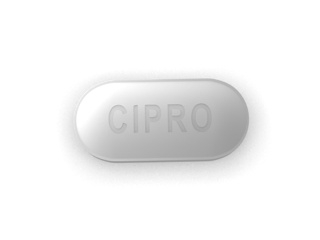
- Common strengths: Available as oral tablets and some formulations vary by product and supplier
- How it’s used: Oral treatment for infections caused by susceptible bacteria
- Who it treats: Adults and certain paediatric patients in selected situations (age- and condition-dependent)
Note: Product presentation (tablet strength, formulation, and whether it is immediate-release or extended-release) can vary. Check the exact pack label for your specific product.
2) How Cipro works (mechanism of action)
Ciprofloxacin works by interfering with bacterial DNA replication and repair. It targets two key enzymes:
- DNA gyrase (topoisomerase II)
- Topoisomerase IV
By blocking these enzymes, Cipro prevents bacteria from multiplying, allowing your immune system to clear the infection. Effectiveness is highest when the antibiotic concentration stays above the level required to inhibit the bacteria.
Cipro is active against many Gram-negative bacteria, and some Gram-positive bacteria depending on the organism and susceptibility.
3) Pharmacokinetics (how the body handles ciprofloxacin)
- Absorption: Ciprofloxacin is absorbed after oral dosing, but absorption can be reduced by certain minerals (such as iron, zinc, magnesium, and calcium) and dairy-based products.
- Distribution: It reaches various tissues and body fluids, including the urinary tract (important for UTIs), and can also distribute to the respiratory tract and other compartments depending on the indication.
- Metabolism: Only a small portion is metabolised in the body; most is eliminated unchanged.
- Elimination: Primarily excreted through the kidneys. Dose adjustments may be needed in people with reduced kidney function.
- Half-life: The elimination half-life is typically on the order of a few hours, though it varies with renal function.
These properties are one reason why Cipro is often chosen for specific urinary, gastrointestinal, and other infections where the likely bacteria are susceptible.
4) Typical uses and indications
Cipro is used to treat infections caused by susceptible bacteria. Common clinical uses may include:
- Urinary tract infections (UTIs), including some complicated UTIs
- Prostatitis (in some cases, depending on the organism and local guidance)
- Infections of the gastrointestinal tract caused by susceptible organisms (for example, certain bacterial diarrhoeas)
- Some respiratory tract infections where susceptibility is expected
- Infections after exposure to certain bacteria in specific circumstances as advised by clinicians
- Other targeted bacterial infections where a fluoroquinolone is considered appropriate
Selection depends on suspected or confirmed bacteria, infection site, severity, your medical history, local resistance patterns, and alternative antibiotic options.
5) Timing and how to take Cipro
When to take each dose
Typical regimens are taken either once or twice daily depending on the indication, strength, and your clinician’s plan. Follow the schedule on your label.
- Try to take doses at evenly spaced times (for example, roughly 12 hours apart if twice daily).
- Complete the course even if you feel better (unless your prescriber advises stopping).
- If you miss a dose: take it when you remember unless it’s close to the next dose. Do not take a double dose.
With or without food?
Cipro can be taken with or without food for many people. However, food and drink interactions can affect absorption and tolerability.
- General approach: take the tablet as directed by your product instructions.
- Separate from mineral-containing products (see “Food interactions”).
Hydration
Good hydration can help reduce the risk of certain side effects such as crystalluria (rare) and may support overall comfort during infection. Follow any fluid advice given for your condition.
6) Food interactions (important)
Some foods and supplements can reduce absorption of ciprofloxacin or increase side effects. The most important interactions relate to minerals.
Minerals that can interfere with absorption
Ciprofloxacin binds to certain minerals, which can reduce absorption. Consider spacing ciprofloxacin away from:
- Iron supplements
- Zinc supplements
- Magnesium supplements
- Aluminium-containing antacids
- Calcium-rich products (e.g., some dairy products or calcium-fortified drinks) depending on the dose and individual tolerance
Practical spacing tip: If you use these products, ask your pharmacist how many hours apart to take them. Many regimens recommend separating by several hours, but the exact timing can vary by product and dose.
Food
- Regular meals: often acceptable, but be mindful of calcium and mineral supplements.
- Alcohol-containing foods/drinks: see alcohol section below.
7) Alcohol and medicine interactions
Alcohol
Many patients choose to avoid or limit alcohol while taking antibiotics because infection itself can affect your body, and alcohol may worsen stomach upset, dizziness, or sleep. While ciprofloxacin is not typically associated with the classic “disulfiram-like” reaction seen with some antibiotics, it can still be best to avoid alcohol during treatment.
Other medicine interactions (common and clinically important)
Ciprofloxacin can interact with several medicines. Tell your healthcare professional or pharmacist about all medicines you take, including over-the-counter products and supplements.
- Antacids and mineral supplements (iron, zinc, magnesium, aluminium, calcium): may reduce ciprofloxacin absorption.
- Oral anticoagulants (e.g., warfarin): may increase bleeding risk; monitoring may be needed.
- Diabetes medicines (especially insulin or sulfonylureas): rare risk of abnormal blood glucose (either high or low).
- Theophylline (in some patients): may increase theophylline levels.
- Caffeine-containing products: ciprofloxacin may prolong caffeine effects in some people.
- Non-steroidal anti-inflammatory drugs (NSAIDs): in combination, there may be an increased risk of certain nervous system side effects (your clinician will consider this).
- Corticosteroids: combined use can increase the risk of tendon injury in susceptible individuals.
- Other medicines that affect heart rhythm: ciprofloxacin can contribute to QT prolongation in certain circumstances; your clinician may review your risk factors.
If you are taking any regular medicines, a medication check before starting Cipro is strongly recommended.
8) Dosing (general information)
Dosing depends on the type of infection, severity, kidney function, and local treatment recommendations. Below are general patterns you may see; your exact dose should follow the instructions on your medicine pack or from your clinician.
| Infection type (examples) | Typical oral dosing pattern (general) | Duration (general) |
|---|---|---|
| Uncomplicated UTIs | Often 250 mg to 500 mg twice daily (varies) | May be short-course depending on guidance and response |
| Complicated UTIs / certain resistant infections | Often 500 mg twice daily (varies) | Longer courses may be used |
| Prostatitis (in selected cases) | Frequently 500 mg twice daily (varies) | Often requires extended treatment compared with simple cystitis |
| Gastrointestinal infections (selected organisms) | Dose varies by organism and patient factors | Duration varies by diagnosis |
Kidney function matters: Because ciprofloxacin is largely cleared by the kidneys, people with reduced renal function may require a different dose or dosing interval.
Do not change your dose: If side effects occur, contact a healthcare professional promptly rather than stopping or adjusting yourself.
9) Safety profile and important warnings
Most people tolerate ciprofloxacin well, but like all medicines it can cause side effects. Some adverse reactions are uncommon but important. Seek urgent medical help if you experience severe symptoms.
Common side effects
- Nausea
- Diarrhoea
- Abdominal discomfort
- Headache
- Dizziness
- Temporary changes in sleep or feeling unwell
Less common but serious risks (seek medical advice urgently)
- Tendon injury (e.g., pain, swelling, inflammation, or a “pop” sensation), particularly in people over 60, those taking corticosteroids, or those with transplant history.
- Peripheral neuropathy (tingling, numbness, burning pain in hands/feet) that may be persistent.
- Central nervous system effects (confusion, agitation, hallucinations, seizures) especially in higher-risk individuals.
- Hypoglycaemia or hyperglycaemia in people with diabetes.
- Severe diarrhoea (especially watery or bloody), which may indicate antibiotic-associated colitis.
- Allergic reactions (rash, swelling, breathing difficulty, severe dizziness/fainting).
- Heart rhythm effects (palpitations, fainting, severe dizziness) in susceptible people.
- Severe skin reactions (blistering, peeling, sores in mouth/eyes) — rare but urgent.
When to contact a clinician before starting (or immediately)
- History of tendon disorders or previous fluoroquinolone-related tendon problems
- History of seizures or conditions that increase seizure risk
- Kidney disease (dose may need adjustment)
- Known heart rhythm problems or risk factors for QT prolongation
- Use of medicines that may interact (e.g., anticoagulants, diabetes medicines)
- Pregnancy, breastfeeding, or relevant paediatric considerations (discuss with your clinician)
10) Practical use tips
Start strong, but be careful
- Take as scheduled—consistent blood levels help fight bacteria.
- Stay hydrated and manage nausea by eating with the dose if needed (where appropriate).
- Avoid missed doses; use reminders if you’re prone to forgetting.
Manage stomach side effects
- If you feel nauseated, consider taking the dose with food if your product guidance allows.
- For diarrhoea, stay hydrated and monitor severity. Seek advice for severe, persistent, or bloody diarrhoea.
Protect your tendons and nerves
- Stop and seek medical advice urgently if you develop tendon pain or swelling.
- If you notice new numbness, tingling, or burning pain, contact a clinician promptly.
Finish the course
Antibiotics should be completed as directed. Stopping early may reduce effectiveness and increase the likelihood of relapse or resistance.
11) Alternative options
Antibiotic choice depends on the infection and the suspected/confirmed bacteria. Alternatives may include different antibiotic classes such as:
- Nitrofurantoin (often used for certain uncomplicated UTIs)
- Trimethoprim-sulfamethoxazole (where appropriate and not contraindicated)
- Amoxicillin or amoxicillin-clavulanate (selected infections depending on local resistance)
- Cefalexin (for selected bacterial infections)
- Doxycycline (depending on suspected bacteria and site)
- Other fluoroquinolones or antibiotic combinations in specific cases
For many infections, there may be several reasonable options. Your healthcare professional will weigh effectiveness, side-effect risk, and antibiotic stewardship considerations.
12) Market and legal context in Australia (what to expect)
In Australia, antibiotics like ciprofloxacin are regulated medicines. The availability and dispensing requirements depend on the current legislative and regulatory framework, including what restrictions apply to different packaging and indications. Pharmacies must follow Australian standards for dispensing, record keeping, and supply.
If you’re ordering online, you may be asked to provide information for medicine safety checks and to ensure appropriate use. Some medicines may be supplied only after certain criteria are met.
For the most current information on medicine availability and requirements, consult reputable Australian sources such as the TGA and your local pharmacy.
13) Recent guidance and stewardship considerations
Fluoroquinolones (including ciprofloxacin) are widely used, but global and Australian antibiotic stewardship programs emphasise using antibiotics appropriately and only when benefits outweigh risks. Because of potential serious adverse effects (though uncommon), clinicians may prefer alternative antibiotics for conditions where effectiveness is comparable and risk is lower.
Current guidance may evolve based on emerging resistance patterns, local antibiograms, and safety updates from regulators. Always follow the most up-to-date advice provided by your healthcare professional.
14) Delivery and availability (online pharmacy notes)
Availability of Cipro products can vary by manufacturer, strength, and stock levels. If you order online, delivery times depend on the pharmacy, courier services, and your location within Australia.
- Dispatch: Orders are typically dispatched within standard business hours when stock is available.
- Packaging: Medicines are supplied in manufacturer packaging where possible.
- Temperature considerations: Follow storage directions on the pack; most tablet products do not require refrigeration.
- Verification: Some orders may require additional safety checks before dispatch.
If you need the medicine urgently (e.g., for a significant fever or worsening symptoms), contact the pharmacy directly to confirm delivery timing.
15) Storage, handling, and what to do if you stop
- Storage: Store at room temperature as indicated on the pack. Keep away from heat, moisture, and direct sunlight.
- Keep out of reach of children.
- Do not share antibiotics with others.
- If you stop early: discuss with a clinician—stopping may make infection harder to clear.
16) FAQ
How long does Cipro take to work?
Many people start to notice improvement within 1–3 days, depending on the infection and bacteria. If symptoms do not improve or worsen after a short period, contact your healthcare professional.
What should I do if I vomit after taking a dose?
If you vomit shortly after taking a tablet, the dose may not have been fully absorbed. Seek advice from your pharmacist about whether to take another dose.
Can I take Cipro with dairy or yoghurt?
Dairy may reduce absorption in some situations, especially with supplements or high calcium intake. If you want to take it with food, choose a light meal and avoid taking it alongside mineral supplements. Your pharmacist can advise on the best timing for your specific routine.
Can I exercise while taking Cipro?
Light activity is usually fine, but avoid strenuous exercise if you develop muscle or tendon discomfort. If you experience tendon pain or swelling, stop activity and seek urgent medical advice.
Is it safe to drive while taking Cipro?
Some people experience dizziness or feeling unwell. If you feel affected, avoid driving or operating machinery. If you’ve previously had side effects with ciprofloxacin or other fluoroquinolones, discuss risk with your clinician.
What if I have severe diarrhoea?
Severe, persistent, or bloody diarrhoea can be a serious condition that requires medical assessment. Seek urgent advice and do not self-treat without guidance.
Are fluoroquinolones only for severe infections?
They are used for specific bacterial infections where benefits are expected to outweigh risks. Stewardship guidance encourages appropriate selection—sometimes alternative antibiotics are preferred when suitable.
Can Cipro interact with my other medicines?
Yes. Common interactions include anticoagulants (e.g., warfarin), diabetes medicines, antacids/minerals, and certain heart-rhythm related medicines. Review your full medicine list with a pharmacist.
Can I drink alcohol with Cipro?
It’s generally best to limit alcohol while you’re unwell and while taking antibiotics. Alcohol may worsen side effects such as nausea, dizziness, and sleep disruption. Seek advice if you have liver disease or are taking other interacting medicines.
What should I avoid in terms of supplements?
Avoid taking mineral supplements (iron, zinc, magnesium, aluminium antacids, and some calcium products) at the same time as Cipro. Ask your pharmacist how far apart to space them.
What if I miss a dose?
Take it when you remember unless it’s nearly time for the next dose. Do not take a double dose.
When should I seek urgent help?
Seek urgent medical attention for signs of severe allergy (swelling, trouble breathing), tendon injury (sudden tendon pain/swelling), seizures/confusion, severe diarrhoea (especially bloody), or serious skin reactions.
Summary
Cipro (ciprofloxacin) is a fluoroquinolone antibiotic used for certain bacterial infections. It works by stopping bacterial DNA replication. The medicine can interact with minerals and some other medicines, and it has a safety profile that includes rare but serious risks affecting tendons, nerves, and the gastrointestinal tract. Use it exactly as directed, complete the course, and contact a healthcare professional promptly if you experience concerning symptoms.