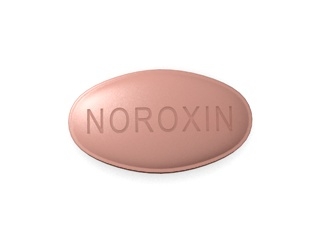
Noroxin (Norfloxacin)
Noroxin contains norfloxacin, an antibiotic from the fluoroquinolone family. It is used to treat certain bacterial infections—most commonly some types of urinary tract infections (UTIs)—when the responsible bacteria are susceptible to norfloxacin.
This information is designed to help you understand how Noroxin works, how it is typically used, and what to watch for. It does not replace advice from a healthcare professional.
At a glance
- Active ingredient: Norfloxacin
- Type of medicine: Antibiotic (fluoroquinolone)
- Main use: Certain infections caused by susceptible bacteria, especially some UTIs
- Key points: Take as directed, finish the full course, and follow food/alcohol and interaction guidance
Basic product information
| Category | Details |
|---|---|
| Medicine name | Noroxin |
| Generic name | Norfloxacin |
| Drug class | Fluoroquinolone antibiotic |
| What it treats | Bacterial infections where norfloxacin is appropriate |
| How it is taken | By mouth |
How Noroxin works (mechanism of action)
Norfloxacin works by interfering with bacterial DNA processes. Specifically, it inhibits bacterial enzymes involved in DNA replication and repair:
- DNA gyrase (topoisomerase II)
- Topoisomerase IV
By blocking these enzymes, norfloxacin prevents bacteria from reproducing effectively, leading to bacterial death (bactericidal action) in susceptible organisms.
Pharmacokinetics (how the body handles norfloxacin)
“Pharmacokinetics” describes how a medicine is absorbed, distributed, metabolised, and eliminated. While individual responses can vary, the general patterns for norfloxacin include:
- Absorption: Norfloxacin is absorbed after oral dosing, with blood levels influenced by food and certain minerals/antacids.
- Distribution: The drug distributes through body tissues and can reach the urinary tract at clinically relevant concentrations.
- Metabolism: Only a portion is metabolised.
- Excretion: Norfloxacin is mainly eliminated by the kidneys, with a substantial amount excreted into urine—one reason it has historically been used for UTIs.
Your clinician may adjust dosing intervals in people with reduced kidney function.
Typical uses (indications)
Noroxin is used to treat infections caused by bacteria that are susceptible to norfloxacin. In practice, it has been used most often for:
- Urinary tract infections (UTIs) caused by susceptible organisms
- Uncomplicated or certain complicated bacterial infections, depending on local guidance and bacterial susceptibility
Exact suitability depends on the infection type, likely causative bacteria, local resistance patterns, and your individual health situation. A clinician may request a urine test (culture/sensitivity) in some cases.
Timing: when and how to take Noroxin
Follow the directions provided with your medicine exactly. Dosing schedules can differ depending on the infection being treated and your kidney function.
General timing guidance
- Consistency matters: Try to take each dose at roughly the same times each day.
- Spacing: If you are told to take it twice daily, aim for about 12 hours apart.
- Finish the course: Even if you feel better, complete the full course unless advised otherwise.
Missed dose
- If you miss a dose, take it when you remember unless it is close to the next dose.
- Do not take double doses to make up for a missed dose.
Dosing: what is commonly used
Dosing must be individualised. Below is general information about how norfloxacin is commonly prescribed. Your exact dose and duration should come from your healthcare professional and the product label.
Common dosing patterns
- Twice daily regimens are frequently used for UTIs in susceptible infections.
- Duration varies depending on infection severity and response.
If you have kidney impairment, your clinician may adjust dosing intervals or choose a different antibiotic.
Food interactions: what to know
Food and supplements can affect absorption of norfloxacin. Some substances bind to the antibiotic or alter absorption, which may reduce effectiveness.
Be cautious with
- Antacids containing aluminium or magnesium (commonly used for heartburn/indigestion)
- Sucralfate (for some stomach/ulcer conditions)
- Iron, zinc, and calcium supplements (including some multivitamins)
- High-mineral drinks or supplements that contain significant cations
As a practical rule, separate norfloxacin from these by several hours—your clinician or pharmacist can provide the best spacing for your specific products.
Taking with food
- Some antibiotics can be taken with or without food. However, food may change absorption for norfloxacin.
- If you are unsure, follow the labelled instructions on your medicine package.
- Consistency is helpful—try to take doses the same way each day (e.g., always with food or always on an empty stomach) unless advised otherwise.
Alcohol interactions
Norfloxacin is not always associated with severe alcohol reactions in the way some medicines are, but it is still recommended to avoid or minimise alcohol during antibiotic treatment.
- Why avoid alcohol: Alcohol can worsen side effects such as dizziness, drowsiness, nausea, and headache.
- Hydration: UTIs can be uncomfortable; staying well-hydrated helps recovery.
- Safety: If you feel unwell or notice dizziness or palpitations, avoid alcohol and do not drive.
If you have questions about alcohol with your medications or health conditions, ask your pharmacist or clinician.
Medicine interactions (important)
Norfloxacin can interact with other medicines. Some interactions are related to absorption (e.g., minerals/antacids), while others affect heart rhythm, blood sugar, bleeding risk, or drug levels.
Common interaction categories
- Medicines that can affect heart rhythm: fluoroquinolones may influence the QT interval in some people. Inform your clinician if you take medicines known to affect heart rhythm.
- Blood thinners (anticoagulants): some antibiotics can increase bleeding risk in certain circumstances. Monitoring may be needed.
- Diabetes medicines: antibiotic use, including fluoroquinolones, can affect blood sugar (either too low or too high).
- Caffeine-containing products: fluoroquinolones may increase caffeine effects in some individuals.
- Other antibiotics or medicines that affect seizures: if you have epilepsy or a history of seizures, discuss this with your healthcare professional.
Tell your pharmacist about all medicines you take, including: prescription medicines, over-the-counter products, vitamins, herbal supplements, and any recent changes.
Safety profile: who should take extra care
Most people tolerate norfloxacin without serious problems. However, fluoroquinolones (including norfloxacin) have important safety considerations. Stop and seek urgent medical help if severe symptoms occur.
Seek urgent help if you experience
- Allergic reaction (swelling of face/lips, trouble breathing, widespread rash, hives)
- Severe or persistent diarrhoea, especially with fever or blood/mucus (possible antibiotic-associated colitis)
- Tendon pain or swelling (e.g., Achilles tendon area) or sudden difficulty using a limb (possible tendon injury)
- New nerve symptoms such as tingling, burning pain, numbness, or weakness (possible peripheral neuropathy)
- Seizure-like symptoms, severe dizziness, or confusion
- Irregular heartbeat, fainting, or severe palpitations
- Signs of severe skin reaction (blistering, peeling skin, mouth sores)
Groups who may be at higher risk
- Older adults
- People with kidney impairment (higher drug exposure may occur)
- People with a history of tendon disorders or previous tendon problems
- People taking corticosteroids (e.g., prednisone) or with certain muscle/nerve conditions
- People with known heart rhythm issues or those taking medicines that affect QT interval
- People with diabetes (risk of blood sugar changes)
- People with neurological conditions or a seizure history
Practical use tips for patients
These tips can help you get the best outcome from treatment and reduce avoidable problems.
- Hydrate: Drink fluids regularly unless you’ve been told to restrict fluid intake.
- Don’t skip doses: Consistent blood levels help antibiotics work effectively.
- Plan around interactions: Keep a note of antacids, minerals, and supplements and separate them from norfloxacin by a few hours (ask your pharmacist for exact timing).
- Avoid strenuous activity if you feel tendon pain: Stop activity and seek advice if tendon discomfort appears.
- Monitor your symptoms: Track fever, urinary symptoms, pain, and general wellbeing. If symptoms worsen after a day or two, contact your clinician.
- Complete the course: Stopping early can contribute to relapse and antibiotic resistance.
When to contact a clinician promptly
Contact a healthcare professional promptly if:
- Your symptoms do not improve within the expected timeframe
- Symptoms worsen (e.g., increasing pain, fever, or flank/back pain)
- You develop severe side effects (see “Seek urgent help”)
- You are pregnant, planning pregnancy, or breastfeeding and need advice on the safest treatment option
- You have recurrent UTIs and need further assessment
Alternative options
The best alternative depends on the infection type, suspected bacteria, your allergy history, kidney function, local resistance patterns, and any medication interactions. For urinary symptoms, clinicians may choose antibiotics such as:
- Nitrofurantoin (commonly used for some uncomplicated UTIs)
- Trimethoprim-sulfamethoxazole (where appropriate and susceptible)
- Amoxicillin-clavulanate (for selected infections based on sensitivity)
- Other culture-guided options if resistance is suspected or you have recurrent infections
Non-antibiotic approaches may also be considered for some causes of urinary symptoms (e.g., dehydration, bladder irritation, or infections caused by non-bacterial pathogens). A clinician can help determine the likely cause.
Market and legal context in Australia
In Australia, antibiotics are regulated to support safe use and limit antibiotic resistance. Availability depends on the medicine’s scheduling and the product’s regulatory status. Online pharmacies typically follow Australian requirements for supply, patient identification, and appropriate prescribing pathways where needed.
Antibiotic selection in Australia also aligns with antimicrobial stewardship principles, encouraging targeted treatment where possible (including urine culture/sensitivity testing in certain circumstances).
Recent guidance and stewardship considerations
Australia’s health system encourages responsible antibiotic use. In many settings:
- Culture and sensitivity may be recommended for recurrent, complicated, or treatment-resistant infections.
- Clinicians aim to use the narrowest effective antibiotic and avoid unnecessary broad-spectrum therapy.
- Patients are advised to finish the full course and avoid leftover antibiotics.
- Fluoroquinolones are often reserved for specific situations due to the balance of benefits and risks.
If you’re unsure whether Noroxin is the right option for your situation, speak to your clinician or pharmacist.
Delivery, availability, and what to expect online
Availability of Noroxin (norfloxacin) on Australian online pharmacies may vary depending on current stock levels, supplier ordering, and scheduling requirements. When ordering:
- Packaging: You’ll receive the medicine in manufacturer-approved packaging.
- Shipping: Delivery timelines vary by location and courier service.
- Cold-chain: Norfloxacin tablets typically do not require refrigeration, unless the product label states otherwise.
- Verification: Some orders may require identity and suitability checks in line with Australian pharmacy standards.
If you need delivery by a specific date, contact the pharmacy support team before placing your order.
FAQ
1) What is Noroxin (norfloxacin) used for?
Noroxin is an antibiotic used to treat infections caused by susceptible bacteria, most commonly certain urinary tract infections. Suitability depends on the suspected or confirmed bacteria and your health profile.
2) How quickly should I feel better?
Some people notice improvement within 24–48 hours after starting effective antibiotics. If symptoms are not improving, or they worsen, contact a healthcare professional.
3) Can I take Noroxin with food?
Food may affect absorption for some antibiotics. Follow the directions on your medicine label. If you’re unsure, ask your pharmacist for the recommended way to take your specific product.
4) Can I take antacids or mineral supplements with Noroxin?
Many antacids and mineral supplements (such as those containing aluminium, magnesium, iron, zinc, or calcium) can reduce norfloxacin absorption. Separate these products by several hours or ask your pharmacist for exact timing.
5) Is it safe to drink alcohol while taking Noroxin?
It’s best to avoid or minimise alcohol during treatment. Alcohol can worsen side effects like dizziness or nausea. If you choose to drink, do so cautiously and consider avoiding it entirely while unwell.
6) What side effects are common?
Common side effects may include nausea, diarrhoea, headache, dizziness, or stomach discomfort. Many side effects are mild and temporary, but seek medical help if they are severe or persistent.
7) What serious side effects should I watch for?
Seek urgent medical attention if you develop signs of allergic reaction, severe diarrhoea, tendon pain or swelling, new nerve symptoms (tingling/burning/numbness), seizures, severe skin reactions, or symptoms suggesting an irregular heartbeat.
8) Can I drive while taking Noroxin?
If you feel dizzy, light-headed, or unusually drowsy, avoid driving or operating machinery. Your response to medication varies—use caution.
9) What if I miss a dose?
Take the missed dose when you remember unless it’s close to the next dose. Do not take double doses.
10) Are there alternatives to Noroxin?
Yes. The best alternative depends on the type of infection, bacteria susceptibility, allergies, and other medications. Your clinician can recommend appropriate options such as nitrofurantoin or other antibiotics when suitable.
11) Who should not take Noroxin or should seek extra advice?
People with a history of severe reactions to fluoroquinolones, significant kidney impairment, certain heart rhythm conditions, seizure disorders, tendon disorders, or those taking interacting medications should discuss risks and suitability with a healthcare professional.
12) When should I seek urgent help for a UTI?
If you have fever, flank/back pain, vomiting, or feel significantly unwell, contact a healthcare professional promptly. These can indicate a more serious infection than a simple bladder infection.
Important notes
Antibiotics treat bacterial infections, but they do not help with viral illnesses such as colds or flu. For best results, use antibiotics only when they are recommended, and take them exactly as directed.
If you have questions about Noroxin, interactions with your current medicines, or whether it is suitable for you, speak to your pharmacist or clinician.