Cleocin (Clindamycin) — Patient Information (Australia)
Cleocin is a brand of clindamycin, an antibiotic medicine used to treat certain bacterial infections. It belongs to the lincosamide class of antibiotics. This page explains how Cleocin works, how it is used, key safety considerations, and practical tips to help you use your medicine effectively.
Important: Antibiotics are only effective against bacterial infections. They do not treat viral illnesses such as colds or flu.
Basic product information
| Feature | Information |
|---|---|
| Medicine name | Cleocin |
| Active ingredient | Clindamycin |
| Medicinal class | Lincosamide antibiotic |
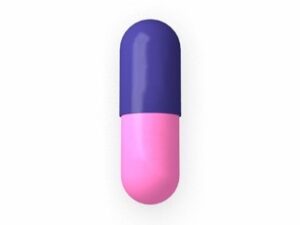
| Common forms | Oral capsules/solutions and some topical forms (depending on product availability) |
| Typical use | Selected bacterial infections (e.g., certain dental, skin, respiratory, and other infections) |
| Key precautions | Risk of antibiotic-associated diarrhoea and Clostridioides difficile (C. difficile) |
How Cleocin works (mechanism of action)
Clindamycin works by stopping bacteria from making proteins that they need to grow and multiply.
- Mechanism: Clindamycin binds to the 50S ribosomal subunit of susceptible bacteria.
- Result: This blocks translation (protein synthesis), leading to bacterial inhibition and, in some organisms, bacterial death.
Its effectiveness depends on the bacteria involved and whether the organism is susceptible to clindamycin.
Pharmacokinetics (how the body processes it)
Pharmacokinetics describes what the body does to a medicine—how it is absorbed, distributed, metabolised, and eliminated.
Absorption
- Clindamycin is generally well absorbed after oral dosing.
- Peak levels occur after dosing; the exact timing may vary between formulations.
Distribution
- Clindamycin can distribute into many body tissues.
- It can reach sites relevant to certain infections, including some bone and soft tissue areas (depending on the condition and clinical context).
Metabolism and elimination
- Clindamycin is metabolised (processed) primarily in the body.
- Elimination occurs via metabolic pathways and clearance processes; elimination is influenced by liver function and other factors.
Kidney disease: Because clindamycin’s elimination is not solely dependent on kidneys, dose adjustments may differ from some other antibiotics. Your clinician/pharmacist can advise based on your medical history and kidney/liver function.
Typical uses and indications
Cleocin is used for bacterial infections caused by organisms susceptible to clindamycin. Indications vary based on local guidance and susceptibility patterns. Common areas where clindamycin may be used include:
- Skin and soft-tissue infections (e.g., some infections involving susceptible bacteria)
- Dental and oral infections (e.g., certain abscesses or infections after dental evaluation)
- Respiratory tract infections when appropriate and when the causative bacteria are susceptible
- Bone and joint infections (in selected cases, guided by specialist management)
- Some gynaecological or pelvic infections (depending on organism susceptibility and overall treatment plan)
Because appropriate antibiotic choice depends on the likely bacteria and local resistance, the exact indication for your course should be guided by a healthcare professional.
When to take Cleocin (timing and dosing principles)
Follow the dosing schedule provided by your healthcare professional and the instructions on your medicine label. Common approaches include dividing daily doses into multiple administrations to maintain effective levels.
- Try to take doses at evenly spaced times (e.g., every 6–8 hours depending on regimen).
- Do not skip doses.
- Complete the full course unless you are advised to stop.
If you miss a dose, take it when you remember unless it is near the time of the next dose. Avoid doubling up.
Dosing (general guidance)
Dosing varies by the specific infection, severity, age, and kidney/liver function, and the formulation used. The information below is general and may not match your exact prescription.
Adults
- Typical regimens are often given 2–4 times daily depending on the indication and formulation.
- Doses are adjusted for severity and tissue penetration needs.
Children
- Paediatric dosing is usually based on weight and the infection type.
- Always use the correct formulation and measuring device for liquid medicine.
Special populations
- Liver disease: A clinician may monitor and adjust dosing if needed.
- History of C. difficile: Extra caution is important (see safety section).
- Older adults: Monitoring may be required, particularly if frailty or multiple medicines are involved.
Do not change your dose or stop early because symptoms improve—partial treatment can lead to recurrence and antibiotic resistance.
Food interactions (what to eat and drink)
For most people, clindamycin oral dosing can be taken with or without food. Food may help reduce stomach upset.
- If your stomach feels uncomfortable, consider taking it with a meal or snack unless your product label advises otherwise.
- Maintain adequate hydration, especially if you develop diarrhoea.
Topical forms: If you are using a clindamycin topical product, dietary considerations are not relevant; follow the application instructions for that specific product.
Alcohol and medicine interactions
Alcohol: Clindamycin does not usually have a direct “disulfiram-like” interaction, but drinking alcohol while you are unwell can worsen dehydration, upset your stomach, and make side effects such as nausea or diarrhoea more likely.
- Best practice: Avoid or limit alcohol during your course.
- If you choose to drink, do so cautiously and stop if you feel unwell.
Other important medicine interactions
Clindamycin can interact with some medicines. Tell your pharmacist/doctor about all medicines you take, including:
- Neuromuscular blockers (used in anaesthesia and some hospital settings)—clindamycin may increase the effect.
- Antidiarrhoeal medicines (e.g., loperamide): if you develop severe diarrhoea, seek advice before using anti-diarrhoeal treatments.
- Other antibiotics or antibiotic combinations—may change effectiveness and side effect risk.
- Medicines that affect liver enzymes—may influence metabolism (less common, but still worth discussing).
Because individual products and regimens differ, your pharmacist can review your personal medication list for interactions.
Safety profile and side effects
Like all medicines, Cleocin can cause side effects. Many are mild, but some require urgent medical attention.
Common side effects
- Nausea
- Vomiting
- Abdominal pain or cramping
- Diarrhoea (including mild diarrhoea)
- Headache
- Skin rash or mild hypersensitivity reactions
Serious side effects (seek urgent medical advice)
Antibiotics can cause complications. The most important to recognise is:
- Antibiotic-associated diarrhoea including C. difficile infection
Seek urgent medical help if you develop:
- Severe diarrhoea (especially watery or persistent diarrhoea)
- Diarrhoea with fever and/or blood or mucus
- Severe abdominal tenderness or significant worsening of abdominal pain
- Symptoms that occur during treatment or in the weeks after finishing the antibiotic
Other serious but less common reactions can include severe allergic reactions (e.g., swelling of the face/lips, breathing difficulty, widespread rash), and severe skin reactions. If these occur, seek urgent help.
Allergy and sensitivity
- Do not use clindamycin if you have previously had a serious allergic reaction to clindamycin or related antibiotics.
- Inform your pharmacist/doctor if you have a history of drug allergies.
Pregnancy and breastfeeding
If you are pregnant or breastfeeding, discuss clindamycin with your healthcare professional. They will weigh the benefits for you and your baby and consider alternatives if appropriate.
Practical use tips (how to get the best results)
- Take it regularly: Set reminders to keep consistent dosing times.
- Complete the course: Even if you feel better, finish the prescribed duration.
- Stay hydrated: This is especially important if you have loose stools.
- Do not share antibiotics: Use only for the condition it was intended for.
- Track side effects: Note timing and severity so you can report concerns promptly.
If you forget a dose: Take it as soon as you remember. If it’s almost time for your next dose, skip the missed dose. Do not take extra doses to make up for a missed one.
Alternative options
Because clindamycin is chosen based on the likely bacteria and susceptibility, alternatives depend on your infection type and medical history. Possible alternative antibiotics (used in specific situations) may include:
- Other antibiotics active against anaerobic bacteria or Gram-positive organisms
- Antibiotics targeting specific likely pathogens based on local guidelines and tests
- For some dental or skin infections, different classes may be considered depending on allergy history and severity
Key point: Alternatives should be selected by a healthcare professional to ensure the correct spectrum and minimise side effects.
Market and legal context for Australia
In Australia, antibiotics including clindamycin are regulated to support safe and effective use. Availability may vary by formulation and brand. Your local pharmacy can advise about product availability and the correct way to obtain and use the medicine.
- Antibiotic stewardship: Australia promotes responsible antibiotic use to help reduce resistance.
- Guidelines: Treatment choices are commonly guided by national and local clinical guidance, including bacteriology and resistance patterns.
- Pharmacist support: Australian pharmacists can provide medication counselling, interaction checks, and side effect advice.
Advice can also be influenced by evidence and public health updates. If your condition is serious or recurrent, your clinician may consider testing or specialist review.
Recent guidance and clinical updates (general)
Clinical guidance continues to emphasise:
- Using antibiotics only when there is evidence of bacterial infection
- Choosing the narrowest effective antibiotic when possible
- Recognising and promptly managing C. difficile symptoms
- Reviewing antibiotic therapy if symptoms do not improve
If you’re not improving within the expected timeframe, or if you worsen, contact a healthcare professional promptly.
Delivery and availability (online pharmacy information)
Online pharmacies in Australia may offer Cleocin (clindamycin) depending on stock and regional supply. Availability can vary by:
- Formulation (capsule, liquid, or topical products)
- Strength
- Manufacturing/supply schedules
Delivery: Delivery timeframes depend on your location, courier service, and the pharmacy’s dispatch schedule. You will typically receive confirmation once your order is processed. Many pharmacies provide tracking details via email or SMS.
Storage: Keep medicine in its original packaging, protect from excessive heat and moisture, and keep out of reach of children. Check the product label for exact storage instructions (e.g., room temperature vs refrigeration for some liquid preparations).
Frequently Asked Questions (FAQ)
1) What is Cleocin used for?
Cleocin (clindamycin) is an antibiotic used for selected bacterial infections. The exact condition depends on the susceptibility of the bacteria and your clinical assessment.
2) How long does it take to start working?
Many people notice improvement within 1–3 days, but this varies by infection type and severity. If you do not improve or you worsen, seek medical advice.
3) Can I stop early if I feel better?
It is important to complete the full course unless a healthcare professional advises stopping. Stopping early can lead to relapse and antibiotic resistance.
4) What should I do if I get diarrhoea?
Mild diarrhoea can occur. However, seek urgent medical advice if diarrhoea is severe, persistent, or accompanied by fever, blood/mucus, or significant abdominal pain—this can be a sign of C. difficile.
5) Can I take Cleocin with food?
Clindamycin is often taken with or without food. If it upsets your stomach, taking it with a meal or snack may help.
6) Does alcohol interact with clindamycin?
There is no commonly known serious reaction like with some other antibiotics, but alcohol can worsen side effects and dehydration. It’s best to avoid or limit alcohol during treatment.
7) Is Cleocin safe for everyone?
Not everyone can use clindamycin. Tell your pharmacist/doctor about allergies, previous antibiotic reactions, liver problems, and any history of C. difficile or severe diarrhoea after antibiotics.
8) What if I miss a dose?
Take it as soon as you remember unless it is almost time for your next dose. Do not double up.
9) Are there alternatives if I can’t take clindamycin?
Yes—alternatives may be available depending on the infection and your allergy history. A clinician can help select the most suitable option.
10) When should I contact a doctor urgently?
Contact urgent medical services or seek immediate care for signs of severe allergy, breathing difficulty, or severe diarrhoea (especially with fever, blood, or significant abdominal pain).
Disclaimer: This information is intended as general patient education. It does not replace medical advice. Always read the packaging and consult a healthcare professional or pharmacist for advice tailored to your condition and medicines.