

Clindamycin (Australia) — Patient-Friendly Guide
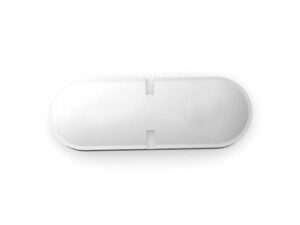
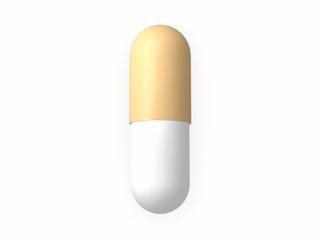
Clindamycin is an antibiotic medicine used to treat a range of bacterial infections. It belongs to the lincosamide group of antibiotics. In Australia, clindamycin is commonly supplied in different forms (for example, capsules or solutions, and sometimes topical preparations depending on the product brand).
This page explains how clindamycin works, when it’s used, how to take it safely, and what to expect. It is intended to help you understand your medicine better.
Key Product Information
| Category | Details |
|---|---|
| Medicine | Clindamycin |
| Drug type | Antibiotic (lincosamide) |
| Common forms | Oral capsules/solution; topical preparations may be available for some conditions |
| Typical targets | Bacteria involved in certain skin, dental, throat and other infections |
| Major safety focus | Risk of antibiotic-associated diarrhoea, including Clostridioides difficile |
| Australia availability | Product availability may vary by brand and formulation; follow local pharmacy supply |
How Clindamycin Works (Mechanism of Action)
Clindamycin works by stopping bacteria from making proteins, which they need to grow and multiply. Specifically, it binds to the bacterial ribosome, reducing protein synthesis. This effect generally results in bacteriostatic activity (slowing bacterial growth) for many organisms, though the practical outcome is that the infection improves when the bacteria are susceptible.
Clindamycin is particularly useful against certain anaerobic bacteria and some Gram-positive organisms. Sensitivity varies by infection type and local resistance patterns.
Pharmacokinetics (How Your Body Handles It)
While exact values can differ by formulation and individual factors, the overall pattern for clindamycin in the body includes:
- Absorption: After oral dosing, clindamycin is absorbed from the digestive tract.
- Distribution: It distributes into body tissues. It may achieve useful concentrations in areas relevant to infections (the exact distribution depends on the infection site and inflammation).
- Metabolism: Clindamycin is metabolised mainly by the liver.
- Elimination: It is cleared from the body primarily via the liver and then excreted through bile and urine pathways. Some metabolites may persist for a time.
Because clindamycin is processed by the liver, people with significant liver impairment may require additional caution or monitoring.
Typical Uses (Indications)
Clindamycin is used for susceptible bacterial infections. Common clinical uses include infections involving:
- Skin and soft tissue infections (such as certain bacterial skin infections, where clindamycin is appropriate)
- Dental infections and related oral infections
- Throat or upper respiratory infections where specific bacteria are suspected or confirmed
- Anaerobic infections and mixed infections (particularly when anaerobes are involved)
The choice of antibiotic depends on the suspected bacteria, local resistance patterns, the infection severity, and your personal medical history.
Dosing Overview (General Guidance)
Dosing can vary depending on the infection type, severity, your age, weight (especially for children), and kidney/liver function.
Because different clindamycin formulations (and concentrations) exist, it’s important to follow the directions provided with your specific product.
- Adults: Doses may be divided into multiple daily administrations to maintain appropriate levels.
- Children: Dosing is commonly weight-based and adjusted for age and infection severity.
- Duration: Many courses last several days to about 1–2 weeks, but treatment length should match the infection and your clinician’s plan.
Do not change your dose or stop early even if you feel better. Stopping too soon can allow remaining bacteria to rebound.
When to Take Clindamycin (Timing and Missed Dose)
A practical approach is to take clindamycin at evenly spaced times each day (for example, morning and evening for twice-daily regimens, or every 6–8 hours for more frequent regimens).
- Take at the same times each day to help maintain steady levels.
- Complete the full course unless your prescriber/pharmacist advises otherwise.
-
If you miss a dose:
- Take it as soon as you remember.
- If it’s close to the next dose, skip the missed dose.
- Do not take a double dose to make up for it.
Food Interactions and Taking With Meals
Many people can take oral clindamycin with or without food, depending on how their stomach tolerates it. If clindamycin upsets your stomach, taking it with food may improve comfort.
- With food: May reduce nausea or stomach discomfort for some people.
- Without food: Some people find it manageable; others experience more gastrointestinal side effects.
Always follow the instructions on your specific product label. If you have questions about your formulation, ask your pharmacist.
Alcohol and Medicine Interactions
Alcohol
While there isn’t a universal “hard stop” for alcohol with clindamycin, avoid alcohol where possible during antibiotic treatment. Alcohol can:
- Worsen stomach upset (nausea, reflux, diarrhoea)
- Make dehydration more likely if diarrhoea occurs
- Complicate recovery when you are unwell
If you choose to drink, do so cautiously and only if you feel well enough. Stop and seek advice if symptoms worsen.
Other Medicines (Interactions to Consider)
Clindamycin can interact with other medicines in some situations. Key examples include:
- Neuromuscular blocking agents (used in hospital settings): clindamycin may potentially increase neuromuscular blockade effects in certain circumstances.
- Antidiarrhoeal medicines: If you develop significant diarrhoea, especially severe watery diarrhoea, avoid self-treating with anti-diarrhoeal agents until you’ve sought medical advice.
- Warfarin or other anticoagulants: Antibiotics can sometimes affect bleeding risk through changes in gut bacteria and vitamin production. Monitoring (e.g., INR) may be needed depending on your situation.
- Other antibiotics or medicines affecting gut flora: Combining antibiotics may change the balance of bacteria in the gut.
Tell your pharmacist about all medicines you use, including vitamins, herbal products, and over-the-counter treatments.
Safety Profile and Important Warnings
Like all medicines, clindamycin can cause side effects. Many people experience mild effects, but some adverse reactions require urgent attention.
Common Side Effects
- Diarrhoea (can range from mild to severe)
- Nausea or stomach discomfort
- Abdominal pain
- Headache
- Skin rash (sometimes mild)
Serious Risk: Antibiotic-Associated Colitis (C. difficile)
One of the most important safety concerns with clindamycin is the risk of Clostridioides difficile (C. difficile) infection, which can cause severe inflammation of the colon. This can occur:
- During treatment
- After finishing the antibiotic (sometimes days to weeks later)
Seek urgent medical advice if you develop:
- Watery diarrhoea that is frequent or persistent
- Diarrhoea with fever or significant abdominal pain
- Blood or mucus in the stool
- Signs of dehydration (dizziness, very dry mouth, reduced urination)
Allergic Reactions
Stop the medicine and seek urgent help if you develop symptoms of an allergy, such as:
- Swelling of the face, lips, tongue, or throat
- Trouble breathing
- Severe rash or hives
Other Considerations
- Liver impact: Rarely, liver enzyme changes may occur. Seek advice if you notice yellowing of the skin/eyes (jaundice) or dark urine.
- Skin reactions: Severe skin reactions are uncommon but serious—urgent medical review is needed if you develop blistering or widespread rash.
- Vaginal yeast infection: Some people may develop vaginal thrush or other fungal overgrowth after antibiotics.
Practical Tips for Safer, Easier Use
- Track your course: Use a calendar or phone reminder so doses aren’t missed.
- Hydration: If you experience mild stomach upset, drink fluids regularly.
- Do not share: Antibiotics should never be shared with others.
- Prevent reinfection: Follow wound/skin care instructions and maintain good hygiene.
- Report side effects early: Mild diarrhoea can become significant—seek advice promptly if symptoms increase.
- Consider probiotics cautiously: Some people use probiotics to support gut health. Discuss with your pharmacist, especially if you have a high risk of diarrhoea or take other medicines.
When to Contact a Healthcare Professional
Contact a pharmacist or healthcare professional promptly if you have:
- Severe or worsening diarrhoea
- Allergy symptoms (rash with swelling, breathing difficulty)
- Persistent vomiting that prevents keeping medicine down
- Symptoms that are not improving after 48–72 hours (or earlier if severe)
- Any new symptoms during or after the antibiotic course
Alternative Options (What Could Be Used Instead)
“Best alternative” depends on the infection type, likely bacteria, your allergy history, and local resistance. Alternatives may include other antibiotics or, in some cases, different management strategies.
Possible alternatives (examples, not an exhaustive list) for certain infections may include:
- Penicillin-family antibiotics (if suitable and not contraindicated)
- Cephalosporins (depending on allergy profile and infection)
- Macrolides (for some throat/respiratory indications)
- Other agents targeting anaerobes (depending on the suspected organisms)
Your pharmacist or clinician can advise based on your specific situation, culture results (if available), and medical history.
Market and Legal Context for Australia (General Information)
In Australia, antibiotic medicines are regulated to support safe use and antimicrobial stewardship. Availability and supply conditions can vary depending on:
- Formulation (oral vs topical)
- Strength and product brand
- Local pharmacy policies and regulatory requirements
As antibiotics can contribute to antimicrobial resistance if used inappropriately, health services encourage:
- Using antibiotics only when needed
- Taking the correct dose and completing the course
- Reviewing therapy if symptoms don’t improve
Always follow Australian healthcare guidance and product labelling for safe use.
Recent Guidance and Stewardship Notes (What’s Important Now)
Australian antimicrobial stewardship recommendations emphasise appropriate selection of antibiotics, correct duration, and careful monitoring for side effects—especially diarrhoea with antibiotics known to carry higher risk of C. difficile.
- Don’t use antibiotics for viral illness: Common colds and flu do not improve with antibiotics.
- Reassess if not improving: If you don’t see improvement within a couple of days, your treatment may need review.
- Stop and seek advice for severe diarrhoea: Early recognition of antibiotic-associated colitis can prevent serious complications.
Product-specific directions may also be updated by regulators and manufacturers—always rely on the latest label instructions provided with your medicine.
Delivery and Availability
Online pharmacies in Australia may offer clindamycin products depending on stock availability, supplier routes, and the specific formulation requested. Delivery times vary by location and courier service.
- Availability: Stock can change, especially for certain strengths or formulations.
- Packaging: Medicines are typically dispatched in original manufacturer packaging where possible.
- Tracking: Many orders include tracking details.
- Storage: Store as directed on the label (commonly at room temperature, away from heat and moisture).
If you’re unsure whether a particular brand or strength is available, contact the pharmacy before placing an order.
FAQ — Clindamycin
1) What is clindamycin used for?
Clindamycin is used to treat certain bacterial infections, including skin/soft tissue and some dental or other infections where susceptible bacteria are involved—particularly anaerobic bacteria in appropriate cases.
2) How quickly should I feel better?
Some people notice improvement within 48–72 hours. If symptoms are worsening or not improving after a few days, seek advice from a pharmacist or healthcare professional.
3) Can I take clindamycin with food?
Often yes—many people can take oral clindamycin with or without food. If you experience nausea or stomach upset, taking it with food may help.
4) What if I develop diarrhoea?
Mild diarrhoea can occur with antibiotics. However, if you have severe watery diarrhoea, diarrhoea with fever, blood/mucus, or significant abdominal pain—seek urgent medical advice. Antibiotic-associated colitis can be serious.
5) Is alcohol okay while taking clindamycin?
It’s generally best to avoid alcohol during antibiotic treatment to reduce the risk of stomach upset and dehydration. If you choose to drink, do so cautiously and stop if you feel unwell.
6) Are there any important drug interactions?
Inform your pharmacist about all medicines you take. Particular attention may be needed for anticoagulants (e.g., warfarin) and medicines that affect neuromuscular function. Also, avoid self-treating significant diarrhoea with anti-diarrhoeal medicines until you’ve spoken to a healthcare professional.
7) Should I stop clindamycin once I feel better?
No. Unless you’re advised to stop, complete the full course. Stopping early can allow infection to return and may contribute to resistance.
8) What should I do if I miss a dose?
Take it when you remember unless it’s close to the next dose. Don’t double up to make up for the missed dose.
9) Who should be extra cautious with clindamycin?
Extra caution is warranted if you have a history of C. difficile infection, significant gastrointestinal disease, severe liver impairment, or a history of antibiotic allergy. Discuss your history with your pharmacist.
10) What are possible alternatives to clindamycin?
Alternatives depend on the infection and your allergy history. Your pharmacist or clinician can help decide whether another antibiotic (or a different approach) is more suitable.
Important Reminder
Clindamycin can be effective when bacteria are susceptible, but it must be used correctly. If you experience severe diarrhoea, signs of allergy, or symptoms that don’t improve, seek prompt professional advice.