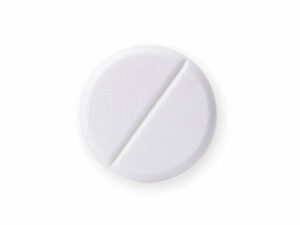

Albenza (Albendazole) – Patient Information (Australia)
Albenza contains albendazole, an anthelmintic medicine used to treat a range of parasitic worm infections. It works by disrupting the worm’s ability to absorb nutrients, helping your body clear the infection.
This guide explains what Albenza is, how it works, how it’s used, and important safety information. Always follow the instructions provided with your medicine and consult a healthcare professional if you have questions.
Basic product information
- Medicine name: Albenza
- Active ingredient: Albendazole
- Medicinal type: Anthelmintic (anti-parasitic)
- Common uses: Treatment of certain intestinal and tissue (systemic) helminth infections
- Availability in Australia: May be supplied by pharmacies under appropriate clinical guidance (availability can vary by infection type and product format)
Note: Product strength and formulation (e.g., tablet strength) can vary by supplier. Check your specific package for the exact dose details.
How Albenza works (mechanism of action)
Albendazole belongs to the benzimidazole class of medicines. It targets key processes inside parasitic worms.
- Blocks microtubule formation: Albendazole interferes with microtubules in the parasite’s cells.
- Reduces glucose uptake: This disrupts energy production, leading to starvation of the parasite.
- Impaired metabolism and death: Over time, this leads to parasite immobilisation and death, allowing the body to clear the infection.
Because some parasites live in tissues (not just the gut), treatment regimens may be longer and sometimes repeated, depending on the infection.
Pharmacokinetics (how the body processes it)
After you take albendazole by mouth, it is absorbed and then metabolised primarily in the liver.
- Absorption: Albendazole absorption can be limited when taken without food. Taking it with food may increase absorption.
- Metabolism: It is converted to an active metabolite (albendazole sulfoxide).
- Distribution: The metabolite can distribute to various tissues, which is important for tissue-dwelling infections.
- Elimination: The medicine and its metabolites are eliminated mainly via the kidneys (urine) and bile/feces.
Why this matters: Absorption differences (especially with or without food) and liver function can affect how well the treatment works and how safe it is for you.
What Albenza is typically used for
Albendazole is used to treat multiple parasitic worm infections. The exact indication, dose, and duration depend on the parasite and infection location.
Common indications (examples)
- Intestinal worms such as some types of roundworm and tapeworm infections
- Hydatid disease (caused by Echinococcus) involving cysts in organs such as the liver or lungs
- Neurocysticercosis (infection of the nervous system caused by the pork tapeworm larva)
- Other tissue helminth infections where albendazole is an appropriate option
Important: Treatment plans can differ significantly for different conditions—sometimes involving repeat cycles, combination therapy, or additional monitoring.
How to take Albenza (timing and practical use)
General timing guidance
- Follow your dosing schedule carefully. Some infections require a single dose; others require several days or repeated cycles.
- Take at the recommended times to maintain consistent levels (especially during multi-day regimens).
- Don’t stop early even if you feel better. Parasites may persist before the infection fully clears.
Take with food (often recommended)
Food can improve absorption of albendazole. For many regimens, taking it with a meal (especially one containing fat) can help the medicine work effectively.
Practical tip: If your instructions don’t specify, follow the directions on the product label and any advice you were given. If you’re unsure, speak with a pharmacist.
Food interactions
Albendazole absorption may increase when taken with meals. This is the main dietary interaction to consider.
- With food: Often improves absorption and effectiveness.
- Without food: May reduce absorption and may lead to less predictable response.
Alcohol with food: Alcohol does not have a simple direct interaction with albendazole, but alcohol can still increase the risk of side effects—particularly if you drink heavily or have liver issues (see below).
Alcohol interactions
There is no universally required alcohol “avoidance” for albendazole in the same way as with some other medicines. However, caution is wise.
- General caution: Heavy or binge drinking can stress the liver.
- Why it matters: Albendazole is metabolised in the liver. If you have liver disease or are taking long courses, limiting alcohol is recommended.
- Practical approach: If you plan to drink, keep it moderate and consider discussing with a pharmacist or doctor, especially for longer treatments.
Medicine interactions
Albendazole has potential interactions mainly through liver metabolism. Some medicines may affect levels of albendazole, which can change effectiveness or side effect risk.
Examples of interaction considerations
- Medicines affecting liver enzymes: Some drugs may increase or decrease albendazole metabolism.
- Other liver-active medicines: Combining multiple medicines that stress the liver may increase the chance of liver-related side effects.
- Warfarin: For patients who take anticoagulants, any new medication should be discussed because clotting status may change (monitoring may be needed).
What to do: Tell your pharmacist or healthcare professional about all medicines and supplements you take, including herbal products. This is especially important if you are on long treatment courses.
Dosing: typical regimens (varies by infection)
Dose depends on the parasite type, location (gut vs tissue), age/weight considerations, and sometimes liver function. Always use the dose schedule specific to your condition as directed by your healthcare professional or the medicine instructions.
Below are general examples of how dosing can look. Your exact regimen may differ.
| Condition (examples) | Typical dosing pattern* | Common duration |
|---|---|---|
| Some intestinal worm infections | Often a single dose or short course depending on the worm | 1–3 days (varies) |
| Hydatid disease (Echinococcus) | Often multiple treatment cycles with breaks between courses | Weeks to months (specialist-led) |
| Neurocysticercosis | Often multi-day or multi-cycle regimens | May be several weeks (specialist-led) |
| Other tissue helminth infections | Tailored regimens based on parasite species and severity | Variable |
*For patient-friendly purposes, this table summarises typical patterns. Your specific dose (including tablet strength and how many tablets) must be based on your prescribed/label instructions or clinical plan.
If you miss a dose: Take it when you remember unless it’s close to the next dose. Do not take a double dose to make up for a missed dose.
Safety profile (what to know before and during use)
Common side effects
Many people tolerate albendazole reasonably well. Possible side effects include:
- Nausea, stomach upset
- Abdominal pain or diarrhoea
- Headache
- Dizziness
- Rash or itching
Important but less common risks
Albendazole can, in some circumstances, affect blood counts and liver function—especially with longer courses.
- Liver effects: Elevated liver enzymes or, rarely, more serious liver problems.
- Blood count changes: Albendazole can affect white blood cells, platelets, and other blood components.
- Allergic reactions: Swelling, wheezing, severe rash, or trouble breathing require urgent care.
When to seek urgent help
- Signs of a serious allergic reaction (facial swelling, difficulty breathing)
- Severe or persistent vomiting
- Yellowing of the eyes/skin (jaundice), dark urine, or severe upper abdominal pain
- Unusual bruising or bleeding, severe weakness, or frequent infections (possible blood count issues)
Practical use tips for best results
- Take with food when advised to improve absorption.
- Complete the course as directed, especially for tissue infections.
- Avoid missed doses by setting reminders.
- Hydration and comfort: Drinking water and taking with a meal can reduce stomach upset.
- Household hygiene: For contagious worm infections, follow hygiene steps (handwashing, cleaning bedding/clothing, and treating household contacts if advised).
- Monitoring for longer regimens: If you are taking multiple cycles, your healthcare professional may arrange blood tests (liver function and blood counts).
Alternative options (depending on infection type)
Several other antiparasitic medicines may be used depending on the specific worm species and infection location. Options may include:
- Mebendazole (commonly used for many intestinal worm infections)
- Pyrantel pamoate (often used for certain intestinal worms)
- Praziquantel (used for certain trematode and tapeworm infections)
- Other specialist options for particular tissue infections
Why alternatives matter: Not all medicines work for every parasite, and some tissue infections may require a specific agent plus careful monitoring.
Market and legal context in Australia (high-level)
In Australia, access to medicines is regulated to support safe and appropriate use. Whether a product is supplied requires alignment with applicable laws, including scheduling and pharmacy supply rules.
- Pharmacy supply: Many parasitic treatments are supplied through pharmacies with appropriate information-gathering.
- Clinical assessment: Certain infections (particularly tissue and nervous system infections) may require specialist input and monitoring.
- Safety monitoring: Blood tests and liver function checks may be recommended for longer treatment courses.
Recent guidance: Clinical recommendations for parasite treatment can evolve based on emerging evidence, resistance patterns, and updated expert consensus. Your pharmacist or doctor can provide the most current approach for the specific infection you’re treating.
Delivery and availability (online pharmacy)
Availability can vary by product format, stock levels, and the specific indication. When ordering online, you may be asked to provide basic details to ensure the medicine is appropriate for your situation and safe to supply.
- Dispatch: Orders are typically dispatched within business days, depending on stock availability.
- Delivery area: Delivery options depend on your postcode and carrier services.
- Cold chain: Albenza does not usually require refrigeration, but always follow the storage instructions on the packaging.
- Packaging: Medicines are shipped in protective packaging to reduce damage and maintain integrity.
If you need urgent treatment guidance, contact the pharmacy before ordering to confirm suitability and delivery timing.
FAQ
1. What is Albenza used for?
Albenza (albendazole) is used to treat a range of parasitic worm infections. Some are intestinal (in the gut), while others involve tissues (such as cysts in organs or infections in the nervous system). The exact dosing depends on the parasite and infection location.
2. How long does it take to work?
For many intestinal infections, improvement may begin soon after treatment. However, clearance can take time, and tissue infections often require longer or repeated treatment cycles. If symptoms persist or worsen, seek medical advice.
3. Should I take Albenza with food?
Food can improve albendazole absorption. Many regimens are advised to be taken with meals. Check your label or instructions; if unsure, ask a pharmacist.
4. Can I drink alcohol while taking Albenza?
Moderate alcohol intake may be acceptable for some people, but caution is recommended—especially for long courses or if you have liver issues. If you’re unsure, discuss with a pharmacist.
5. What side effects are most common?
Common side effects include nausea, abdominal discomfort, headache, dizziness, and sometimes rash. Stop and seek urgent help for signs of severe allergy or serious liver/blood effects.
6. Do I need blood tests?
Blood tests are commonly considered for longer or repeated courses, since albendazole can affect liver function and blood counts. Your healthcare professional will advise based on your regimen and health history.
7. Is Albenza safe for everyone?
Safety depends on factors such as age, pregnancy status, liver health, and the specific infection. People with liver problems or those taking certain medications should get personalised advice before starting.
8. What should I do if I’m pregnant or trying to conceive?
Pregnancy and fertility considerations are important for any antiparasitic treatment. Speak with a pharmacist or doctor promptly for appropriate advice specific to your situation.
9. Can Albenza be used for children?
Albendazole dosing for children depends on weight/age and the infection type. A clinician or pharmacist should provide the correct dosing schedule.
10. What if my household members might also have worms?
Worm infections can spread within households depending on hygiene and transmission routes. Ask a healthcare professional whether household contacts should be assessed or treated and what hygiene steps to follow.
Summary
Albenza (albendazole) is an anti-parasitic medicine used for intestinal and tissue worm infections. It works by disrupting the parasite’s cellular structures and energy supply. Taking it with food can improve absorption. Side effects are usually mild but liver function and blood counts may need monitoring for longer treatment courses. If you have symptoms suggesting a serious reaction or liver problems, seek urgent care.
For the safest and most effective outcome: follow the specific dosing instructions provided for your infection, take the medicine with food when advised, and keep your healthcare professional informed about other medicines you use and any health conditions—particularly liver disease.