
Zyloprim (Allopurinol) – Patient Information (Australia)
Zyloprim is a medicine containing allopurinol, used to lower uric acid levels in the body. It helps prevent and manage conditions caused by excess uric acid, including gout and certain types of kidney stones. This guide is designed to be patient-friendly and practical, with information about how Zyloprim works, how it’s taken, and what to watch for.
| Product name | Zyloprim |
|---|---|
| Active ingredient | Allopurinol |
| Common uses | Prevention of gout flares; treatment of chronic high uric acid; prevention of uric acid kidney stones; prevention of uric acid complications during some cancer treatments |
| How it works | Reduces uric acid production by inhibiting xanthine oxidase |
| Typical dosing forms | Tablets (strengths vary by product) |
| Key safety points | Seek urgent help for rash or hypersensitivity symptoms; dose adjustments may be needed in kidney disease; interactions require review |
Basic product information
What is allopurinol? Allopurinol is a medicine that lowers the amount of uric acid your body makes. It is used for long-term management of conditions linked to uric acid.
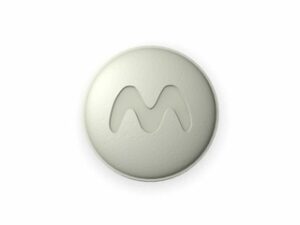
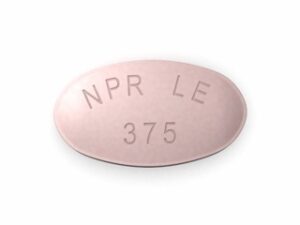
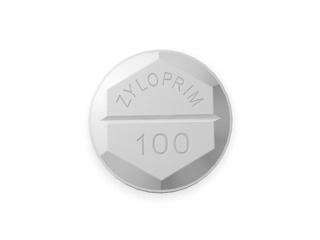
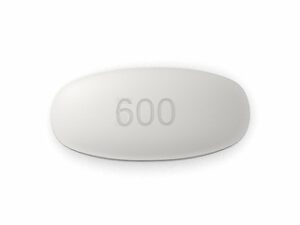
What does Zyloprim look like? Zyloprim tablets come in different strengths depending on the brand presentation available in Australia. Your pharmacist can confirm the exact strength and appearance of the product you’re purchasing.
Who is it for? It may be used in adults with chronic gout, high uric acid levels, recurrent kidney stones, or selected situations where uric acid is expected to rise.
How Zyloprim works (mechanism of action)
Uric acid is produced in the body when purines (natural substances found in the body and certain foods) break down. In people who produce too much uric acid or who cannot eliminate it effectively, uric acid can build up.
Allopurinol lowers uric acid by:
- Inhibiting the enzyme xanthine oxidase
- Reducing formation of uric acid from precursors
- Lowering uric acid levels in blood and urine over time
Important: Zyloprim is primarily a preventive medicine—its goal is to reduce future uric acid problems. A sudden gout flare may not improve instantly after starting allopurinol.
Pharmacokinetics (how the body processes it)
Understanding pharmacokinetics can help explain why timing, dose adjustments, and consistency matter.
- Absorption: Allopurinol is absorbed after oral dosing, with peak levels occurring within hours (exact timing can vary between individuals).
- Metabolism: Allopurinol is metabolised to oxypurinol (also known for reducing uric acid).
- Half-life: Oxypurinol has a long half-life, which supports once-daily (or as prescribed) dosing.
- Excretion: Uric acid-related compounds are eliminated mainly through the kidneys. This is why kidney function influences dosing.
- Onset of effect: Uric acid levels typically begin to decline after starting, but it can take days to weeks to achieve stable lower levels. Flares may occur early as uric acid shifts.
Typical uses (indications)
Zyloprim may be used for the following conditions, depending on the individual’s medical history and test results:
- Gout (chronic management and prevention of recurrent flares)
- Hyperuricaemia (high uric acid levels), particularly when associated with symptoms or complications
- Uric acid kidney stones or prevention of recurrent stones
- Certain cancer-related situations where uric acid levels may rise, such as treatment-related tumour breakdown (your clinician will determine suitability)
Note: Zyloprim is not intended as a rapid treatment for an acute gout attack. Other medicines are commonly used to treat a flare when it occurs.
How to take Zyloprim (timing and practical routine)
Timing: Most people take allopurinol , but the exact schedule depends on your prescribed dose.
Consistency matters: Try to take it at the same time each day. If you miss a dose, take it when you remember unless it’s close to the next dose. Do not double up.
Starting dose is often lower: Clinicians frequently begin at a lower dose and increase gradually to reduce the risk of early gout flares and to improve tolerability.
Regular monitoring: Blood tests may be done to measure uric acid levels and to monitor kidney and liver function, especially during dose changes.
Dosing (what’s typical and why it may vary)
Dosing must be individualised. Factors include:
- Uric acid levels and gout history
- Kidney function
- Other medications and overall health
- Whether treatment is for gout, stones, or prevention in special situations
General dosing principles commonly used with allopurinol include:
- Low start, slow increase: Dose is often titrated upwards gradually.
- Kidney impairment may require lower doses: This reduces risk of adverse effects.
- Target uric acid: Clinicians aim for a uric acid level within a personal target range to prevent flares and dissolve stones where applicable.
Because exact doses vary widely by individual circumstances: Always follow the dosing instructions provided with your product and your healthcare plan. If you are unsure, speak with a pharmacist.
Food interactions and lifestyle considerations
Food interaction: Allopurinol is generally not strongly affected by food. Many people can take it with or without food depending on what suits them.
- Hydration: Adequate water intake can support kidney function and may help reduce the risk of stone formation.
- Maintain a healthy diet: Limiting high-purine foods and reducing fructose-sweetened drinks may help lower uric acid further. Your clinician may advise specific dietary changes.
- Don’t stop abruptly: Stopping can allow uric acid to rise again, increasing the chance of gout flares.
Alcohol and purine-containing foods are often key triggers for gout flares. Lifestyle changes can complement medicine treatment.
Alcohol interactions
Alcohol: Alcohol can increase uric acid levels and trigger gout attacks in susceptible people.
Practical advice:
- Limit alcohol intake, especially beer and spirits.
- Avoid binge drinking.
- If you notice that alcohol consistently triggers flares, discuss alternatives and personalised strategies with your healthcare professional.
Allopurinol-specific interaction: There is no single universal “unsafe” combination for all people, but alcohol can worsen gout control, which may indirectly reduce the benefit of Zyloprim.
Interactions with other medicines (important)
Allopurinol can interact with other medicines. Always tell your pharmacist or doctor about all medicines you take, including over-the-counter products and supplements.
Common interaction examples (not exhaustive)
- Azathioprine and 6-mercaptopurine: Allopurinol can significantly increase levels of these immunosuppressants, potentially causing serious side effects. Dose adjustments are required under specialist guidance.
- Certain anticoagulants (e.g., warfarin): Monitoring may be needed because allopurinol can affect bleeding risk in some situations.
- Some antibiotics: Certain antibiotics (such as ampicillin/amoxicillin) may increase the risk of rash in some people.
- Diuretics (water tablets): Some diuretics may affect uric acid levels and influence gout management.
- Other gout medicines: When starting allopurinol, clinicians often use additional flare prevention (for a limited time) to reduce early flares.
Rash risk: Combination medicines or conditions that affect the immune system can increase the importance of monitoring for skin reactions.
What to do
- Have your medication list ready when speaking with a pharmacist.
- Do not start new medicines or herbal products without checking.
- If you develop symptoms of allergy or rash, seek urgent medical advice.
Safety profile and when to seek help
Most people tolerate allopurinol well. However, some adverse reactions can be serious. The most important early warning sign is a rash or symptoms of hypersensitivity.
Seek urgent medical advice if you notice
- New or worsening skin rash, especially if widespread or blistering
- Fever, feeling unwell, or severe fatigue
- Swelling of the face or lips, wheezing, or breathing difficulty
- Skin peeling or sores in the mouth
- Yellowing of the eyes/skin or dark urine (possible liver involvement)
Do not “wait and see” with severe rash symptoms. Early medical assessment is critical.
Other possible side effects
- Gastrointestinal upset: nausea, diarrhoea
- Headache or dizziness
- Gout flares: These can occur early in treatment while uric acid levels adjust
- Changes in liver function tests (usually detected on blood tests)
Risk factors for serious reactions
While anyone can develop an allergic reaction, the risk of severe hypersensitivity may be higher in certain situations. Clinicians may consider:
- Kidney impairment (which affects drug clearance)
- Older age and certain comorbidities
- Higher initial doses or rapid dose escalation
- Concomitant medications that can increase risk of rash
- Some people may be assessed for genetic risk markers in particular circumstances
Always follow slow titration guidance. Starting at a low dose and gradually adjusting is one of the most practical ways to improve safety.
Practical use tips for better results
- Keep taking it: Even if you feel well, Zyloprim helps keep uric acid controlled long term.
- Expect adjustment time: It may take several weeks to stabilise uric acid levels.
- Plan flare protection: If you’re starting allopurinol, your clinician may prescribe additional medicines temporarily to reduce early flares.
- Stay hydrated: Aim for consistent fluid intake unless you’ve been told to restrict fluids.
- Track symptoms: Note flare frequency, triggers (such as alcohol or high-purine meals), and any side effects.
- Regular blood tests: Helps confirm you’re reaching a uric acid target and monitoring safety.
- Do not double doses: If you miss one dose, resume your next scheduled dose.
Alternatives to Zyloprim (allopurinol)
There are other approaches for urate-lowering therapy, depending on the cause and your tolerance.
Other medication options
- Febuxostat: Another urate-lowering medicine that works differently. Suitable for some people who cannot tolerate allopurinol, but it has specific considerations that should be reviewed with a clinician.
- Uricosuric options: In selected cases, medicines that increase uric acid excretion may be considered.
- Urate management strategies: Some people benefit from a combined approach (medicine plus diet and lifestyle changes).
Non-medicine options that support gout control
- Weight management if relevant
- Reducing triggers (alcohol, sugary drinks, high-purine foods)
- Maintaining hydration
- Managing related conditions (e.g., insulin resistance, kidney health)
Your pharmacist or doctor can help compare options based on kidney function, other medicines, and personal risk factors.
Market and legal context for Australia (what to know)
In Australia, medicines are supplied under regulated frameworks. Access may be limited depending on product classification and local requirements. Availability and dispensing rules can vary by strength and formulation, and pharmacies follow Australian health and medicines legislation.
Online pharmacy availability: Many pharmacies can supply commonly used medicines, but you should expect standard checks such as:
- Identity and address verification (where required)
- Medication history checks and safety screening
- Ensuring the correct product strength and quantity
- Advice on storage and how to take the medicine
Always use Australian product packaging guidance: Check the label and consumer information leaflet for specific instructions for the exact product you receive.
Recent guidance and clinical updates (high-level)
Gout management guidelines evolve over time as new evidence emerges. Key ongoing themes in contemporary practice include:
- Early and sustained urate-lowering: Keeping uric acid consistently controlled reduces long-term flare risk.
- Lower starting dose and slow titration of allopurinol to improve tolerability.
- Flare prevention during initiation for a limited time, when appropriate.
- Kidney function consideration: Dose adjustment and monitoring are central to safe therapy.
Your clinician can also consider updated approaches based on your personal profile and blood test results.
Delivery and availability in Australia
Availability: Zyloprim (allopurinol) is commonly stocked by pharmacies, but stock levels can vary by strength and quantity.
Delivery: Many Australian pharmacies offer home delivery. Delivery times may vary by location and courier service. During busy periods (e.g., promotions or peak seasons), dispatch may take slightly longer.
Packaging and storage: Keep tablets in their original container, store at room temperature as directed, and keep them out of reach of children.
FAQ – Frequently asked questions
1) Will Zyloprim stop a gout attack immediately?
No. Zyloprim works to lower uric acid over time and is mainly used to prevent future gout flares. Acute gout flares are usually treated with other medicines to reduce pain and inflammation.
2) How long does it take for allopurinol to work?
Uric acid levels can start to fall within days, but stable control often takes weeks. During the first weeks of therapy, some people still experience flares as uric acid levels adjust.
3) What should I do if I miss a dose?
Take it when you remember unless it’s close to the next dose. Do not take extra to “catch up.” If you’re unsure, ask your pharmacist.
4) Can I take Zyloprim with food?
Usually, yes. It can often be taken with or without food. If it upsets your stomach, taking it with food may help.
5) Are there any foods I should avoid?
A general approach includes limiting high-purine foods and fructose-sweetened drinks, and maintaining hydration. Your clinician may recommend more specific dietary changes based on your situation.
6) Does alcohol interact with allopurinol?
Alcohol does not necessarily create a direct “poisoning” interaction with allopurinol for everyone, but it can increase uric acid and trigger gout flares. Limiting alcohol is commonly recommended for gout control.
7) Is it safe to use Zyloprim if I have kidney problems?
It may be safe, but dosing often needs adjustment and closer monitoring. Tell your healthcare team about kidney function and any related conditions.
8) What if I get a rash?
Seek urgent medical advice if you develop a rash, especially if it is widespread, blistering, or comes with fever or feeling unwell. Some drug rashes can be serious.
9) Can I take other medications while on Zyloprim?
Many medicines can be taken with allopurinol, but some combinations require careful monitoring or dose changes. Always check with your pharmacist before starting or stopping any medicines.
10) Are there alternatives if I cannot tolerate Zyloprim?
Yes. Options may include different urate-lowering medicines such as febuxostat, depending on your risk factors and medical history. Diet and lifestyle measures can also support overall management.
Important reminders
- Safety first: Contact urgent care if you experience severe rash, swelling, breathing difficulty, fever with illness, or other serious symptoms.
- Keep monitoring: Follow up for blood tests and dose adjustments as advised.
- Don’t stop suddenly: Stopping can lead to rising uric acid and recurrence of symptoms.
- Use a consistent routine: Taking your dose reliably improves long-term results.
This information is intended to support understanding and safe use. For advice tailored to your health, speak with a pharmacist or clinician.