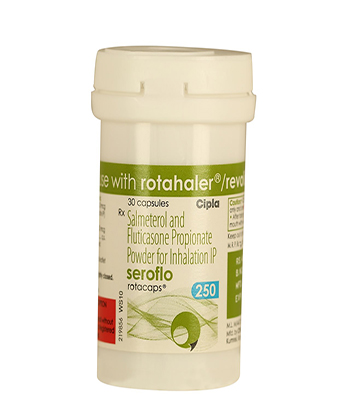
Advair Rotahaler (Fluticasone propionate) – Patient Information (Australia)
Advair Rotahaler is an inhaled medicine used to help control asthma and, in some people, other chronic lung conditions. It contains fluticasone propionate, a corticosteroid medicine that reduces inflammation in the airways.
This information is designed to be easy to read and helpful. Always follow the directions given by your healthcare professional and the product label for your specific device and strength.
Quick overview
- Active ingredient: Fluticasone propionate (inhaled corticosteroid)
- Medicine type: Anti-inflammatory controller inhaler
- Common uses: Asthma control (and may be used under specific guidance for certain airway conditions)
- How it works: Reduces airway inflammation and helps prevent symptoms
- Important note: This is typically a controller medicine—reliever medicines are used for sudden symptoms
Basic product information
| Category | Details |
|---|---|
| Brand | Advair Rotahaler |
| Active ingredient | Fluticasone propionate |
| Drug class | Inhaled corticosteroid (ICS) |
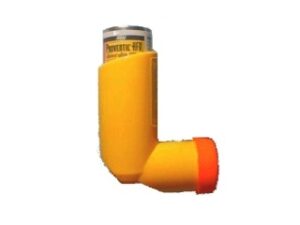
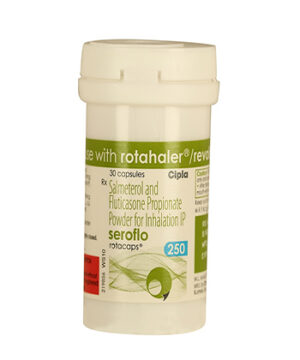
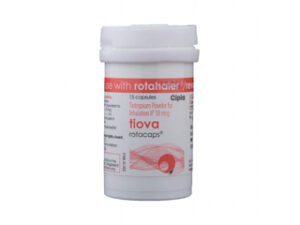
| Device | Dry powder inhaler (Rotahaler-style device) |
| Typical role | Maintenance/controller therapy |
| Common strengths | Availability depends on local product listings; follow your pack for the correct strength |
What to expect: Because it reduces inflammation, benefits often build over days to weeks. Even when you feel well, continuing the medicine as directed can help maintain control.
How Advair Rotahaler works (mechanism of action)
Fluticasone propionate is a corticosteroid delivered directly to the airways. It works mainly by:
- Reducing airway inflammation that causes swelling and narrowing of the bronchial tubes.
- Decreasing inflammatory cell activity, including effects on eosinophils and other immune responses involved in asthma.
- Reducing mucus production and airway hyper-responsiveness, which can help lower the frequency and severity of symptoms.
- Improving long-term control and reducing the risk of flare-ups when used consistently.
Important distinction: As an anti-inflammatory controller, fluticasone does not usually work fast enough for sudden breathlessness. A separate reliever inhaler is used for acute symptoms as directed by your care plan.
Pharmacokinetics (how the body handles the medicine)
Understanding pharmacokinetics can help explain why correct inhalation technique and regular use matter.
- Absorption: After inhalation, only a portion of the dose reaches the lungs. Some may be swallowed and absorbed through the gut.
- Distribution: Absorbed fluticasone binds to plasma proteins and distributes throughout the body.
- Metabolism: Fluticasone is primarily metabolised in the liver by the enzyme system CYP3A4.
- Elimination: Metabolites are excreted mainly via bile and stool. Clearance is affected by liver enzyme activity.
Practical implication: Drugs that inhibit CYP3A4 (for example, certain antifungals and some antibiotics) can increase fluticasone levels, raising the risk of side effects.
What Advair Rotahaler is typically used for (indications)
Advair Rotahaler is primarily used as a maintenance/controller treatment to help manage:
- Asthma—to improve symptoms, reduce flare-ups, and improve lung function over time.
Use for other airway conditions may depend on local product indications and clinician assessment. If you are unsure whether your medicine is intended for asthma or another condition, check the pack or consult your healthcare professional.
Dosing and timing
Because inhaled corticosteroids are used to maintain control, dosing schedules are usually regular rather than “as needed.” The correct dose depends on your condition severity and prior therapy.
Typical dosing approach (general guidance)
- Adults and adolescents: Commonly taken once or twice daily depending on the prescribed strength and asthma control plan.
- Children: Dosing and device technique must be age-appropriate and supervised as needed.
Always follow your specific instructions for the Rotahaler device, including how many inhalations per dose and how often to use it.
When to take it
- Choose a consistent time each day to improve adherence.
- If prescribed twice daily, spacing doses about 12 hours apart can be helpful (for example, morning and evening).
- Use the reliever (if prescribed) for sudden symptoms rather than trying to replace it with Advair Rotahaler.
Missed dose
If you miss a dose, take it when you remember unless it is close to the next scheduled dose. Do not take double doses to make up for a missed dose.
Food interactions
Because Advair Rotahaler delivers medication via inhalation, food interactions are generally less significant than with oral medicines. However, some swallowed medication can occur.
- No specific food restrictions are typically required for fluticasone inhalers.
- Rinsing your mouth after inhalation helps reduce risk of mouth/throat side effects (such as oral thrush). This is recommended regardless of meals.
- If you also take other medicines, follow their specific instructions.
Alcohol interactions and considerations
Fluticasone inhalers are not known for direct alcohol interactions in typical use. However, alcohol may indirectly affect asthma control in some people.
- Asthma control: Alcohol can trigger symptoms in susceptible individuals.
- Medication adherence: Alcohol can lead to missed doses.
- Immune effects: Inhaled corticosteroids have local and systemic effects at higher exposures, and the risk of infections may increase—heavy alcohol intake can also affect immune function.
Practical tip: If you notice that alcohol worsens your breathing, discuss options and whether any adjustments are needed with your healthcare professional.
Medicine interactions (important)
Interactions may occur especially when other medicines affect the CYP3A4 pathway.
Medicines that can increase fluticasone levels
- Strong CYP3A4 inhibitors (for example, some antifungal medicines and certain antibiotics) can increase fluticasone exposure.
- Increased exposure may raise the risk of systemic corticosteroid effects (such as adrenal suppression, Cushing-like features, or impacts on blood glucose/bone density in susceptible patients).
Common interaction considerations
- Other corticosteroids: Using multiple steroid medicines (inhaled, oral, or topical) can increase total steroid exposure.
- Long-term antibiotic or antifungal therapy: If you start new medicines, ask whether additional monitoring is needed.
What to do
- Inform your healthcare professional and pharmacist about all medicines you use, including non-prescription products and supplements.
- If you start a medicine known to interact with CYP3A4, you may need closer follow-up.
Safety profile and side effects
Most people tolerate inhaled fluticasone well when used correctly. Side effects often relate to local effects in the mouth and throat, and to higher-than-expected systemic exposure in specific situations.
Common local side effects
- Hoarseness or voice changes
- Sore throat or irritation
- Oral thrush (thrush is a fungal infection in the mouth)
- Cough or discomfort after inhalation
How to reduce local side effects
- Rinse and spit your mouth after each dose.
- Check your inhaler technique; ensure the dose reaches the lungs rather than the back of the throat.
- Use the device as instructed and keep it clean and dry.
Less common but serious risks (seek advice urgently if needed)
- Signs of severe allergic reaction: swelling of face/lips, difficulty breathing, hives.
- Frequent infections or unusual infections may occur with higher steroid exposure.
- Adrenal suppression is uncommon with inhaled dosing, but risk increases with high doses or strong CYP3A4 inhibitors.
- Bone effects, cataracts, glaucoma: risk is more relevant with prolonged high-dose steroid exposure.
When to contact a healthcare professional
- If you need your reliever more often than usual.
- If symptoms worsen despite regular use.
- If you experience persistent hoarseness, difficulty swallowing, or visible mouth plaques suggesting thrush.
Practical use tips (getting the best results)
1) Use correct technique
The Rotahaler-style dry powder device requires you to load and inhale the medicine properly to ensure correct dose delivery. Follow the steps on your product leaflet or device instructions.
- Prepare the device as directed for each dose.
- Breathe out gently away from the device before inhaling.
- Inhale forcefully and steadily through your mouth to draw the powder into your lungs.
- Hold your breath briefly after inhalation (as advised) to allow the medicine to settle.
- Rinse and spit after the dose.
2) Check for “dose loss”
If you cough immediately after inhalation, it may mean the technique could be improved. Practice with guidance if possible. A healthcare professional or pharmacist can observe your technique and help correct common issues.
3) Keep the device dry
Dry powder inhalers can be affected by moisture. Store the device as directed—typically in a dry place with the mouthpiece protected.
4) Track your asthma control
Consider monitoring:
- Night symptoms (waking due to breathing issues)
- Reliever use frequency
- Activity limitation
- Any flare-ups or emergency visits
If control is poor, your action plan may require step-up therapy or device/technique checks rather than simply increasing reliance on reliever medicine.
Recent guidance and clinical perspective in Australia
In Australia, asthma management is commonly based on structured approaches that emphasise:
- Regular controller therapy for people who need it
- Correct inhaler technique and adherence
- Written asthma action plans
- Stepwise treatment adjusted to symptoms and risk of flare-ups
Clinical guidance often encourages regular review of inhaler technique, medication use, and triggers (such as allergens, viral infections, and smoke exposure). If your symptoms are not well controlled, it may be appropriate to reassess your overall regimen with a healthcare professional.
Note: Recommendations and product positioning can evolve with new evidence and regulatory updates. Your pharmacist can help you understand how your current medicine fits your asthma action plan.
Alternative options (other inhalers and therapies)
If Advair Rotahaler is not suitable or needs adjustment, alternatives may include other inhaled therapies depending on your asthma severity and response.
Common alternatives
- Other inhaled corticosteroids (ICS): different molecules and/or devices.
- ICS combined with a long-acting bronchodilator (controller combinations): commonly used for moderate to severe asthma.
- Reliever medicines: usually short-acting bronchodilators for quick symptom relief (for acute episodes as part of your action plan).
- Non-inhaled options for selected patients (e.g., leukotriene receptor antagonists) may be considered in specific cases.
Device considerations: Some people do better with a pMDI (pressurised metered-dose inhaler) or a different DPI (dry powder inhaler). If technique or coordination is difficult, switching device type can be beneficial.
Market and legal context for Australia
In Australia, inhaled corticosteroids are regulated through the Therapeutic Goods Administration (TGA) and are supplied through pharmacies in accordance with Australian medicines policy.
Product availability may vary by:
- Approved indications and strengths on the Australian market
- Pharmacy supply arrangements
- Changes to listed products and brands over time
Pharmacist support: When you receive your inhaler, a pharmacist can help confirm the correct device use, dosing schedule, and what to do if side effects occur.
Delivery and availability (online pharmacy)
Availability of Advair Rotahaler products may depend on current stock and listing status at the time you order. Delivery options typically include standard and express shipping, where available in your area.
- Check product listing details for available strengths, pack sizes, and expected dispatch times.
- Storage: Keep the device and capsules (if applicable) in a dry place as instructed on the pack.
- Substitution policy: If a specific brand/strength is unavailable, your pharmacy may offer alternatives consistent with your treatment plan—always verify with your pharmacist.
If you require urgent supply due to symptom flare or upcoming travel, contact customer support to discuss dispatch options and stock status.
FAQ
1) Is Advair Rotahaler the same as a reliever inhaler?
No. Advair Rotahaler (fluticasone) is an anti-inflammatory controller. Reliever inhalers are used for sudden symptoms. If you’re unsure which inhaler is your reliever, ask your pharmacist or check your action plan.
2) How long does it take to work?
Many people notice some improvement within days, but better control is usually achieved over 1–2 weeks (and sometimes longer), especially when inflammation is well established. Consistent daily use is important.
3) What should I do if I feel worse after starting?
Occasional changes can occur when treatment starts, but persistent worsening is a concern. Review your inhaler technique and adherence, and contact your healthcare professional if symptoms do not improve or if you need your reliever more often.
4) Why should I rinse my mouth after using it?
Rinsing and spitting reduces medication residue in the mouth and lowers the risk of oral thrush and voice changes.
5) Can I use Advair Rotahaler with other asthma medicines?
Often yes. People may use it alongside reliever medicines and, depending on their plan, other controllers. Always provide a complete list of your medicines to your pharmacist to check for interactions and ensure safe overall treatment.
6) Are there any food or alcohol restrictions?
No specific food restrictions are usually required. Alcohol doesn’t typically have a direct interaction with fluticasone inhalers, but it may worsen asthma symptoms in some people. Use caution if you notice alcohol triggers breathing issues.
7) What interactions should I be aware of?
Medicines that strongly affect CYP3A4 metabolism may increase fluticasone exposure. Tell your pharmacist if you use medicines such as certain antifungals or antibiotics, or if you start any new treatment.
8) What side effects are most common?
The most common are hoarseness, sore throat, and thrush. Most local side effects can be reduced by correct technique and rinsing your mouth after dosing.
9) When should I seek urgent help?
Seek urgent medical help if you experience signs of a severe allergic reaction (swelling, hives, severe breathing difficulty) or if you have rapidly worsening breathlessness despite your reliever.
10) If I travel, how do I store the inhaler?
Store it in a dry place at the recommended temperature range on the pack. Avoid humidity and do not leave it in areas that become very hot. Carry it in your hand luggage if possible, especially if you have a tight schedule.
Summary
Advair Rotahaler with fluticasone propionate is an inhaled controller used to reduce airway inflammation and improve long-term asthma control. It works best when used consistently with correct inhaler technique and mouth rinsing after each dose. If your symptoms are not controlled, or if you suspect interactions with other medicines, talk to your healthcare professional or pharmacist for advice on the safest and most effective approach for you.