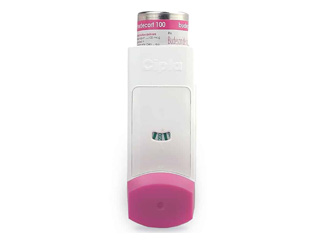
Budecort (Budesonide) – Patient Information (Australia)
Budecort contains budesonide, a corticosteroid medicine used to reduce inflammation in the airways. It is commonly prescribed for certain asthma conditions and other steroid-responsive inflammatory conditions. This page explains how Budecort works, how it is usually used, what to expect, and important safety considerations.
Note: Budecort products may vary by form (for example, inhaled or nasal preparations). Always follow the specific directions provided for your particular product and device.
Key product facts
- Active ingredient: Budesonide
- Medicine class: Corticosteroid (anti-inflammatory)
- Common brand name: Budecort
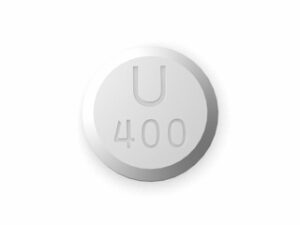
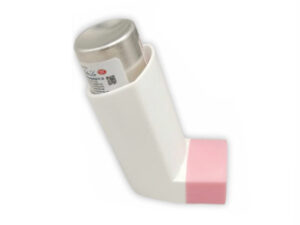
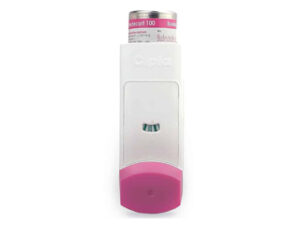
- Typical forms: Inhalers and other steroid preparations (availability depends on product variant)
- Therapeutic goal: Reduce airway inflammation, improve breathing, and prevent flare-ups
How Budecort works (mechanism of action)
Budesonide is a glucocorticoid (corticosteroid). It helps control symptoms by reducing inflammation in the affected tissues.
- Decreases inflammatory cell activity (including eosinophils and other immune cells involved in airway inflammation)
- Reduces cytokine production that contributes to swelling and mucus
- Improves airway responsiveness over time, making breathing easier
- Helps prevent exacerbations when used consistently as directed
Important: Like other inhaled corticosteroids, Budecort is not designed for immediate relief of sudden breathlessness. It works gradually to control inflammation.
Pharmacokinetics (how your body processes it)
Pharmacokinetics describe what the body does with the medicine after it’s taken. Budesonide’s behaviour can differ depending on whether it is swallowed, inhaled, or used in other forms.
- Absorption: When inhaled, some medicine reaches the lungs, while some may be swallowed.
- First-pass metabolism: Budesonide is extensively metabolised in the liver, especially during “first pass” before reaching the bloodstream.
- Metabolites: It is broken down into metabolites with less activity than the parent drug.
- Distribution: It distributes into tissues and is cleared primarily through metabolism.
- Elimination: Metabolites are mainly excreted by the body (commonly via kidneys/urine).
Clinical relevance: Inhaled forms generally target the lungs, and higher local effects can occur with relatively lower whole-body steroid exposure—though side effects can still occur, especially at higher doses or with incorrect inhaler technique.
Typical use and indications
Budecort is used for conditions where inflammation control is important. In Australia, it is commonly associated with asthma management as an anti-inflammatory controller medicine.
Common indications
- Asthma (inflammatory control): helps reduce symptoms and prevent flare-ups when used regularly
- Prevention of exacerbations: helps lower the risk of sudden worsening by controlling airway inflammation
- Steroid-responsive inflammatory conditions: depending on the specific formulation and local prescribing practices
What Budecort is not for: It is not intended as a rapid rescue medicine for sudden attacks.
Timing and how to use it
Consistent use is key. Budesonide-based treatments work best when taken on schedule, even when you feel well.
When to take Budecort
- Regular schedule: Use at the times your clinician or product instructions specify (often once or twice daily depending on product and dose).
- Expect gradual benefit: Some improvement may be noticed within days, but fuller control often takes longer—typically over weeks.
- Do not stop suddenly: If you need to change treatment, do so with medical guidance.
On the day of starting
- Continue your reliever medication (such as a short-acting bronchodilator) as directed, especially early in treatment.
- Track symptoms and reliever use to help evaluate whether control is improving.
Food interactions
Food effects are generally limited for inhaled corticosteroids, because most effects are local to the lungs. However, some budesonide formulations may be partially swallowed.
Practical advice:
- If you swallow residue (common with inhaled products), it may be helpful to rinse your mouth after use to reduce side effects such as thrush and throat irritation.
- Whether or not you eat, follow your asthma action plan or product directions.
Swallowing and mouth care tip: Rinse, gargle, and spit (not swallow) after using inhaled budesonide, unless your clinician instructs otherwise.
Alcohol and medicine interactions
Alcohol: Moderate alcohol intake is not typically a direct interaction with inhaled budesonide. However, alcohol can affect breathing, sleep, and asthma control in some people. If you notice symptom worsening after alcohol, consider reducing intake and discuss with a healthcare professional.
Medicine interactions (important)
Certain medicines can change budesonide levels in your body. This is especially relevant for drugs that affect liver enzymes (notably CYP3A4).
- Strong CYP3A4 inhibitors (may increase budesonide exposure): examples can include some antifungals and certain antibiotics.
- Other corticosteroids or immunosuppressants: combined steroid exposure may increase risk of side effects.
- Some antiviral medicines: may alter steroid metabolism in certain circumstances.
- Bronchodilators: often used together in asthma care; interaction is generally not the primary concern.
Always check: If you are using other medicines (including herbal products), inform your pharmacist or clinician before starting or changing Budecort.
Practical guidance: If you start a new medicine that affects liver metabolism, your Budecort dose may need reassessment depending on your situation.
Dosing (general guidance)
Doses vary depending on the exact product strength, the condition being treated, age, and severity of symptoms. Below is general guidance to help you understand how dosing is approached.
Follow your specific prescription/product label: Never adjust dose on your own. If you miss a dose, use your product instructions (or ask your pharmacist).
Typical dosing approach for asthma
- Controller dosing: usually scheduled daily to maintain control
- Step-based management: many asthma plans use the lowest effective dose that maintains good control
- Lower dose may be appropriate: once stable control is achieved, clinicians may reduce dose to minimise side effects
Common considerations
- Age and severity: may influence dose and frequency.
- Inhaler technique: incorrect technique can reduce delivery to the lungs, making the dose less effective and increasing mouth/throat side effects.
- Consistency: missed doses can worsen inflammation control.
If you want, share the exact Budecort product name and strength (e.g., the formulation shown on your packaging) and the typical dosing schedule you’ve been given, and we can help interpret how to use it correctly.
Safety profile and side effects
Budesonide is generally well tolerated, especially in inhaled form. However, because it is a corticosteroid, side effects can occur—particularly with higher doses, prolonged use, or poor inhaler technique.
Common side effects
- Hoarseness or voice changes
- Throat irritation
- Oral thrush (candidiasis), especially if you don’t rinse your mouth after inhalation
- Cough or mild discomfort after use
Less common but important risks
- Systemic corticosteroid effects: at higher doses or long-term use, it may rarely affect the body (for example, changes related to adrenal suppression)
- Eye problems: long-term steroid exposure may be associated with eye complications (discuss with an eye specialist if you have risk factors)
- Growth considerations in children: inhaled corticosteroids can affect growth velocity in some children; clinicians aim for the lowest effective dose and monitor growth
- Infection risk: corticosteroids can slightly increase susceptibility to certain infections
When to seek urgent advice
- Sudden worsening breathing that does not improve with your usual reliever
- Severe allergic-type reactions (swelling, hives, difficulty breathing)
- Signs of severe infection (high fever, worsening cough with significant illness)
- Eye pain or significant vision changes (particularly if using corticosteroids for prolonged periods)
Practical use tips (to get the best results)
Correct technique is one of the most important factors in getting the full benefit of Budecort and reducing side effects.
Inhalation technique basics (general)
- Use the device correctly: different inhalers require different steps.
- Check your mouth: if you have thrush symptoms (white patches, sore mouth), rinse and review technique.
- Rinse after use: rinse/gargle and spit after each inhalation (for inhaled forms).
- Wait between puffs: if your dose requires multiple puffs, use the spacing your device instructions specify.
- Keep track of dose: monitor remaining doses to avoid running out.
Common mistakes to avoid
- Not shaking (if your specific device requires shaking)
- Inhaling too slowly or incorrectly (depending on device type)
- Not sealing lips around the mouthpiece
- Skipping mouth rinsing after inhalation
- Changing doses without review
Medication storage
- Store at room temperature (unless the label states otherwise).
- Keep away from heat, moisture, and direct sunlight.
- Check expiry dates and device-specific instructions.
Alternative options
Depending on your condition, budesonide may be part of a broader asthma plan. Alternatives vary by individual needs, severity, and availability.
Other anti-inflammatory controller options
- Other inhaled corticosteroids (different active ingredients with similar anti-inflammatory goals)
- ICS/LABA combinations (inhaled corticosteroid plus a long-acting bronchodilator) for some patients when symptoms are not controlled on ICS alone
- Non-steroid controllers used in selected cases (choice depends on asthma type and severity)
Reliever medications
- Short-acting bronchodilators help relieve symptoms quickly during flare-ups.
Which alternative is best? This depends on how well your asthma is controlled, your reliever use, inhaler technique, and history of flare-ups. Your pharmacist or clinician can help select an option consistent with current Australian guidance.
Market and legal context in Australia (availability and regulation)
In Australia, asthma medicines including inhaled corticosteroids are regulated under national therapeutic goods and pharmacy frameworks. Budesonide products are widely used, with specific pack sizes and strengths available depending on brand and formulation.
In practice:
- Availability can vary by brand variant and device type.
- Pharmacist support is commonly available to help with technique and choosing an appropriate product.
- Supply may be subject to pharmacy inventory and product distribution schedules.
Guidance context: Australian asthma management typically emphasises stepwise therapy, regular review, correct inhaler technique, and using the lowest effective dose of controller medication to maintain symptom control.
Recent guidance (what clinicians commonly focus on)
Recent asthma-focused guidance in Australia generally reinforces the importance of:
- Regular controller therapy for those who need it, rather than relying solely on relievers
- Inhaler technique assessment at reviews (poor technique is a major cause of uncontrolled asthma)
- Adherence support, including understanding how to use and when to use medicines
- Reviewing step-up/step-down when control changes
- Monitoring for side effects such as oral thrush, hoarseness, and potential systemic effects at higher doses
Ask your pharmacist for an inhaler “check” if you are not sure you are using your device correctly or if symptoms are not improving.
Delivery and availability
Budecort (budesonide) products are typically available through Australian pharmacies and may be supplied via online pharmacy services depending on current stock.
- Delivery: Delivery time depends on location and courier schedules.
- Stock updates: Some pack strengths may be temporarily unavailable; alternatives or substitutions may be suggested by the pharmacy in line with regulations.
- Package checking: Your order confirmation should list the exact product strength and form.
If you need a specific Budecort variant, include the exact product name and strength to reduce the chance of receiving the wrong formulation.
FAQ about Budecort (Budesonide)
1. Does Budecort stop an asthma attack immediately?
No. Budecort is a controller corticosteroid that helps reduce inflammation over time. For sudden symptoms, you usually need a reliever medicine (as directed in your action plan).
2. How long does it take for Budecort to work?
Some people notice improvement within days, but best results often take longer—commonly several weeks—especially for preventing flare-ups.
3. Should I rinse my mouth after using Budecort?
For inhaled budesonide products, yes, rinse/gargle and spit after each use to help reduce the risk of oral thrush and throat irritation.
4. Can I drink alcohol while using Budecort?
Moderate alcohol is usually not a direct interaction for inhaled budesonide. However, alcohol may worsen breathing or sleep for some people with asthma. If you notice issues, reduce intake and discuss with a healthcare professional.
5. What medicines should I be careful about?
Some medicines that affect liver enzymes (particularly CYP3A4 inhibitors) may increase budesonide levels. Tell your pharmacist about all medicines you take, including antifungals, antibiotics, antivirals, and any herbal products.
6. What if I miss a dose?
Follow the instructions on your product label or the advice given by your pharmacy. In general, don’t double up unless instructed.
7. Are there long-term risks?
Inhaled budesonide is designed for local lung effects, but long-term use can still cause side effects—such as thrush/hoarseness, and rarely systemic corticosteroid effects at higher doses. Clinicians aim for the lowest effective dose and monitor for problems.
8. Is Budecort safe for children?
Many children use inhaled corticosteroids safely when prescribed. Growth monitoring may be recommended, and the goal is the lowest dose that maintains control.
9. Can Budecort be used during pregnancy or breastfeeding?
Some corticosteroids may be used when benefits outweigh risks. If you are pregnant, planning pregnancy, or breastfeeding, discuss treatment options with a healthcare professional.
10. How do I know the inhaler technique is correct?
If you’re uncertain, ask a pharmacist for a technique check. Correct technique improves medicine delivery to the lungs and reduces mouth/throat side effects.
Quick summary
- Budecort (budesonide) is an anti-inflammatory corticosteroid controller medicine.
- It helps reduce airway inflammation and prevent asthma flare-ups over time.
- It is not intended for immediate rescue of sudden symptoms.
- For inhaled forms, rinse your mouth after use to reduce thrush risk.
- Side effects are usually manageable, but monitoring is important—especially with higher doses or long-term use.
- In Australia, asthma management commonly follows a stepwise approach with regular review and technique/adherence support.
| Topic | What to remember |
|---|---|
| Role in asthma | Anti-inflammatory controller; prevents worsening when used regularly |
| Relief during an attack | Not for immediate symptom relief—use your reliever as directed |
| Timing | Use on a consistent schedule; benefit builds gradually |
| Food | Generally minimal for inhaled forms; mouth rinsing helps if some medicine is swallowed |
| Alcohol | Usually not a direct interaction; alcohol may worsen breathing in some people |
| Medicine interactions | Some drugs (CYP3A4 inhibitors) may increase budesonide exposure |
| Most common side effects | Hoarseness, throat irritation, oral thrush (reduced by mouth rinsing) |