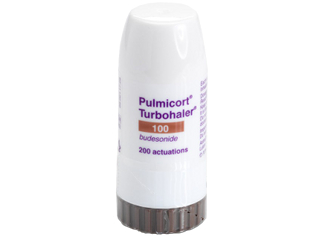
Pulmicort (Budesonide) – Patient-Friendly Guide (Australia)
Pulmicort is a brand of budesonide, a medicine used to reduce inflammation in the airways. It is commonly used for conditions such as asthma and for croup (depending on the product form and local clinical practice). This guide explains what Pulmicort is, how it works, how to use it safely and effectively, and what to consider with other medicines and lifestyle factors in Australia.
Note: Product availability and exact dosing may vary by formulation (for example, inhalers, nebuliser solutions, or nasal options). Always follow the instructions provided with your specific product and any advice from your healthcare professional.
Quick Facts
- Active ingredient: Budesonide
- Medicine type: Corticosteroid (anti-inflammatory)
- Common uses: Asthma control; croup (for certain forms)
- How it works: Reduces inflammation in airways
- Common route: Inhalation (including via nebuliser for some products)
- Typical benefit: Helps prevent symptoms and flare-ups over time
Basic Product Information
Pulmicort contains budesonide, a corticosteroid that targets inflammation in the lungs. Unlike “reliever” medicines that work quickly to open airways, budesonide works by reducing swelling and inflammatory activity over days to improve breathing and reduce exacerbations.
Common dosage forms in Australia (may vary)
- Nebuliser treatments (liquid to breathe in as a mist)
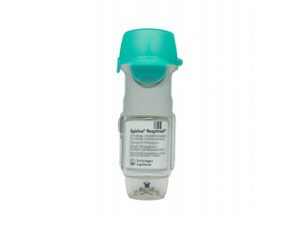
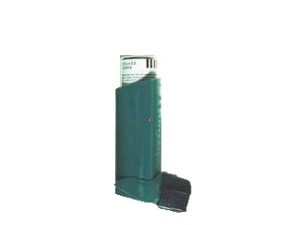
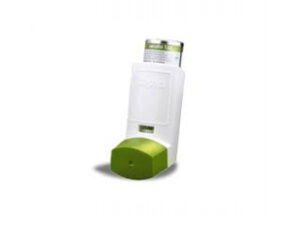
- Inhalation devices (such as pressurised inhalers or similar devices, depending on brand/form)
Always check the pack for your exact form and strength. If you’re unsure which product you have, speak with a pharmacist.
How Pulmicort (Budesonide) Works (Mechanism of Action)
Budesonide is a glucocorticoid (steroid) that acts locally in the airways to reduce inflammation. After inhalation, it helps:
- Lower airway inflammation and immune overactivity
- Reduce mucus production and airway swelling
- Decrease bronchial hyperresponsiveness (airways reacting too strongly to triggers)
- Improve overall asthma control by preventing symptoms
In simpler terms: Pulmicort helps the airways become less inflamed and less “reactive,” which reduces wheeze, coughing, and shortness of breath.
Pharmacokinetics (Absorption, Distribution, Metabolism, Elimination)
Pharmacokinetics describes how the body handles a medicine. For budesonide, key points include:
- Local delivery: When inhaled, most effects occur directly in the lungs.
- Absorption: A portion may be swallowed (especially with inhaled products), then absorbed through the gut.
- Metabolism: Budesonide is extensively metabolised in the liver (commonly via the CYP3A family of enzymes), producing metabolites with less activity than the original drug.
- Elimination: Metabolites are primarily eliminated via the kidneys.
Because budesonide is metabolised to less active forms, systemic (whole-body) side effects are typically lower compared with some other corticosteroids—especially when used correctly at recommended inhaled doses.
Typical Uses and Indications in Australia
Pulmicort (budesonide) is used to manage inflammatory airway conditions. Depending on the product form, common clinical indications include:
Asthma (inhaled budesonide)
- Maintenance therapy to control chronic asthma symptoms
- Prevention of exacerbations (flare-ups) in people with persistent asthma
- Often used as part of a controller regimen alongside a reliever medicine when needed
Croup (budesonide nebuliser use)
- For certain nebulised budesonide regimens used in the management of croup (local availability and formulation requirements may apply)
Your specific indication depends on the product type and strength. If you need help matching a product to your condition, consult a pharmacist.
Timing and How Soon It Works
The way budesonide helps is gradual. The typical timing is:
- Some improvement: may be noticed within hours to days for symptoms
- Full effect: can take several days (sometimes longer) of regular use for best control
- Consistency matters: stopping or missing doses can allow inflammation to return
If you’re using Pulmicort for asthma, it generally works as a preventive controller, not as a rapid “rescue” medicine during sudden breathing trouble.
Dosing: What to Expect
Dosing depends on the condition, age, severity, and the formulation. The information below is general guidance to help you understand what dosing may look like; always use the dose on your product label or clinician instructions.
General dosing principles
- Use the lowest effective dose that maintains control
- Step up or step down dosing based on symptom control and risk of flare-ups
- For children, dosing is often calculated by age and/or severity and may require careful measurement
Example structure of dosing schedules
- Asthma controller regimens: typically taken once or twice daily (depending on product and plan)
- Nebuliser croup regimens: are usually given under acute care guidance and often involve specific short-term dosing schedules
If you have been given a personal dosing plan, follow it closely and confirm any changes with a healthcare professional.
Food Interactions (Including Alcohol)
Food
Budesonide can be swallowed in small amounts (especially with inhaled products). In general, food interactions are not a major concern for inhaled budesonide. However:
- If your product is taken with a device or nebuliser, food timing usually does not need special adjustment.
- For some corticosteroid medicines, systemic effects can be influenced by liver enzyme activity rather than by food.
If you’re taking other medications (for example, enzyme inhibitors), that interaction is usually more important than meals.
Alcohol
Moderate alcohol use is not typically a direct interaction for budesonide inhalation. However:
- If you have asthma that worsens with alcohol or if alcohol affects your breathing, treat symptoms as a trigger and monitor your control.
- Be cautious with heavy alcohol intake because it may affect overall health and immune function.
Medicine Interactions: What to Know
Budesonide is metabolised by liver enzymes (commonly CYP3A). Medicines that strongly affect these enzymes can change budesonide levels.
Important interaction categories
- CYP3A inhibitors (may increase budesonide exposure):
- Some antifungals (e.g., azole antifungals)
- Some antibiotics (certain macrolides)
- Some antiviral medicines
- CYP3A inducers (may reduce budesonide effect):
- Some medicines used for epilepsy or other conditions
- Some tuberculosis treatments
Other asthma medicines
- Relievers (such as short-acting bronchodilators) are usually used for sudden symptoms; budesonide is for control over time.
- Other controller medicines may be combined depending on your asthma plan.
Always provide your pharmacist with a complete list of medicines, including over-the-counter products and herbal supplements.
Safety Profile: Common Side Effects and When to Seek Help
Inhaled budesonide generally has a good safety profile when used at recommended doses and with correct technique. Because some medicine can deposit in the mouth or throat, local side effects are more common than serious whole-body effects.
Common side effects
- Hoarseness or voice changes
- Throat irritation
- Oral thrush (fungal infection) – especially if you don’t rinse after use
- Cough after inhalation (sometimes mild)
Serious or urgent warning signs
Seek urgent medical care if you experience:
- Signs of severe allergic reaction (swelling of face/lips, difficulty breathing, hives)
- Sudden worsening breathing not responding to your usual reliever
- Severe infections or unusual symptoms
- Severe mouth pain or extensive thrush
Long-term corticosteroid considerations
At higher doses or with long-term use, corticosteroids can cause systemic effects (though inhaled budesonide is designed to minimise this). Potential concerns may include:
- Growth effects in children (monitoring is often recommended)
- Bone health impacts at higher exposures
- Changes in adrenal function in people exposed to higher steroid doses
- Eye complications (such as cataracts or glaucoma) with prolonged use
These risks are influenced by dose, duration, and overall corticosteroid exposure. Discuss long-term plans with your clinician.
Practical Use Tips: Getting the Best Results
Correct technique is key to both effectiveness and safety—particularly to reduce mouth-throat side effects.
General tips for inhaled budesonide
- Use exactly as directed on your label or care plan.
- Rinse, gargle, and spit after using inhaled budesonide (helps reduce thrush and voice changes).
- If using a spacer (if applicable to your device), follow spacer instructions closely.
- Check your inhaler technique periodically with a pharmacist or nurse—small errors can significantly reduce dose delivery.
- Keep track of doses and renew supplies before you run out.
Nebuliser tips (for nebuliser forms)
- Use only the approved nebuliser solution for your device.
- Assemble and clean the nebuliser components properly to reduce infection risk.
- Use normal breathing during treatment; avoid holding your breath unless instructed.
- Clean and dry equipment according to the manufacturer’s directions.
How to store Pulmicort
- Store in a safe, dry place as directed on the packaging.
- Protect from heat and follow expiry dates.
- Keep out of reach of children.
Missed Dose and Overdose Information
If you miss a dose:
- Take it when you remember, unless it’s close to the time for the next dose.
- Do not double doses to make up for a missed one.
If you take more than the prescribed dose:
- Seek advice from a healthcare professional or pharmacist, especially if symptoms worsen or if you have taken much more than intended.
Alternative Options for Airway Inflammation (Discuss with a Pharmacist)
Depending on your condition and treatment plan, other anti-inflammatory controller options may include:
Other inhaled corticosteroids
- Examples may include other budesonide-like inhaled steroids or different corticosteroids used for asthma control (availability varies).
Combination inhalers
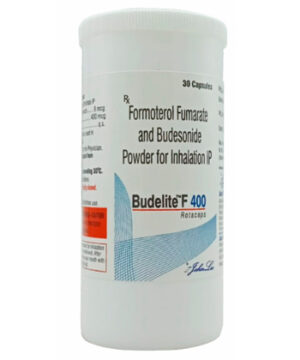
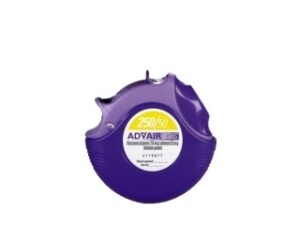
- Some asthma treatments combine an inhaled corticosteroid with a long-acting bronchodilator.
Non-steroid controller options
- For selected patients, clinicians may consider alternative controllers depending on severity and response.
If you’re considering alternatives due to side effects, device preference, or cost, ask a pharmacist to compare options suited to your specific situation.
Market and Legal Context in Australia
Medicines in Australia are regulated through the Therapeutic Goods Administration (TGA) framework. Access to asthma medicines commonly varies by formulation and classification. In general:
- Many asthma controller medicines are restricted and may require appropriate healthcare involvement depending on the product.
- Pharmacists can provide guidance on safe use, technique, and interaction checks based on your medicine list.
Online pharmacy supply typically follows Australian compliance requirements, including correct identification of the product and ensuring it is supplied according to applicable rules and patient safety processes.
Recent Guidance and Ongoing Clinical Practices (What to Expect)
Asthma management guidance worldwide emphasises consistent controller use, correct inhaler technique, and regular review of symptoms and lung function where appropriate. For corticosteroids like budesonide:
- Adherence and technique are frequently highlighted as key factors for success.
- Clinicians often aim for personalised dosing (lowest effective dose, step-up when control is inadequate, step-down when stable).
- Patients are encouraged to have an action plan for worsening symptoms and to know when to seek urgent care.
Guidance can evolve over time. If your symptoms are not well controlled, ask a pharmacist or clinician about a review of your asthma plan and inhaler technique.
Delivery and Availability (Online Pharmacy)
Pulmicort may be available through authorised pharmacies and online retailers across Australia, subject to stock availability and formulation. Delivery times can vary by:
- Your location (metro vs regional areas)
- Order processing schedules
- Courier service availability
When ordering online, ensure you select the correct product form and strength for your condition. If you’re unsure, contact customer support or ask a pharmacist before placing the order.
FAQ: Pulmicort (Budesonide)
1. Is Pulmicort a reliever or a preventer?
Pulmicort (budesonide) is a preventer/controller that reduces inflammation over time. It is not designed to relieve sudden breathing attacks immediately. If you have asthma, you may also use a separate reliever medicine as directed in your asthma plan.
2. How long does it take to work?
Some improvement may occur within hours to days, but best results usually require regular use over several days (or longer depending on the person and severity).
3. Why do I still get symptoms even when I take Pulmicort?
Common reasons include:
- Incorrect inhaler technique or missed doses
- Insufficient dose for your current level of inflammation
- Exposure to triggers (such as allergens, smoke, viral infections)
- Asthma severity needs re-assessment
If symptoms persist, seek advice for a treatment review rather than stopping Pulmicort.
4. Do I need to rinse after using Pulmicort?
Yes. Rinse your mouth and gargle then spit after inhaled budesonide to reduce the risk of oral thrush and hoarseness.
5. Can children use Pulmicort?
Budesonide is used in children for asthma and other indications depending on the formulation. Dosing must be tailored to age and condition. If you’re using it for a child, double-check the strength and measurement method and follow the clinician’s instructions carefully.
6. What if I miss a dose?
Take it when you remember unless it is nearly time for the next dose. Do not double doses.
7. Are there interactions with other medicines?
Yes. Medicines that affect liver enzymes (especially CYP3A) may change budesonide exposure. Tell your pharmacist about all medications, including antibiotics, antifungals, antivirals, allergy medicines, herbal supplements, and any epilepsy or tuberculosis medicines.
8. Can I drink alcohol while using Pulmicort?
Alcohol is not typically a direct interaction with inhaled budesonide. However, if alcohol triggers your asthma symptoms or affects your breathing, reduce triggers and monitor your control.
9. What side effects should I watch for?
Watch for common local effects like hoarseness, throat irritation, and oral thrush. Seek urgent advice for severe allergic reactions or a significant sudden worsening of breathing.
10. How do I prevent oral thrush?
Use correct technique and rinse, gargle, and spit after each use. If thrush occurs, discuss treatment with a pharmacist or clinician—do not stop budesonide without advice.
Summary
Pulmicort (budesonide) is an inhaled corticosteroid used to reduce airway inflammation and help control conditions such as asthma. It works gradually, so consistent use is essential for best results. Correct inhalation technique, rinsing after use, and attention to medicine interactions are key to safe, effective treatment. If you have questions about your specific product, dosing schedule, or how to manage missed doses or side effects, contact a pharmacist for personalised guidance.