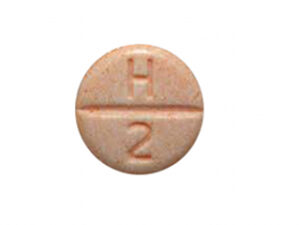
Hygroton (Chlorthalidone) – Patient-Friendly Guide (Australia)
Hygroton is a medicine containing chlorthalidone, a type of “water tablet” (a diuretic) that helps the kidneys remove excess salt and fluid from the body. It is commonly used for conditions where reducing fluid retention and controlling blood pressure are important.
This guide explains how Hygroton works, how it’s usually taken, key safety information, and what to expect in everyday use. It is written for patients and carers in Australia.
Basic product information
| Item | Details |
|---|---|
| Medicine | Hygroton |
| Active ingredient | Chlorthalidone |
| Medicine class | Thiazide-like diuretic (often grouped with thiazides) |
| Common uses | High blood pressure; fluid retention in selected conditions |
| Typical dosing forms | Oral tablets (strength varies by product) |
Note: Strengths and directions can vary between products. Always follow the directions provided with your specific pack or the instructions given by your healthcare professional.
How Hygroton works (mechanism of action)
Chlorthalidone belongs to a group of medicines called diuretics. It works mainly in the kidneys:
- It helps reduce sodium (salt) reabsorption in the kidney tubules.
- As sodium leaves the body, water follows, leading to increased urine output.
- This reduces the amount of circulating fluid and helps lower blood pressure.
- Over time, diuretics like chlorthalidone can also improve blood vessel tone, contributing to sustained blood pressure control.
While the immediate effect is fluid loss, the ongoing blood pressure benefit is not only due to diuresis; it also involves longer-term effects on vascular function and salt balance.
Pharmacokinetics (how your body handles it)
Understanding pharmacokinetics can help explain why chlorthalidone is taken once daily for many people and why effects may last beyond a single dose.
- Absorption: Chlorthalidone is absorbed after oral dosing.
- Distribution: It spreads through body tissues and is present in the bloodstream.
- Metabolism: It is not extensively metabolised.
- Excretion: The kidneys excrete chlorthalidone and its effects are related to renal function.
- Duration of action: Chlorthalidone has a relatively long duration compared with some other diuretics, which is one reason it’s often dosed once daily.
Kidney function matters: In people with reduced kidney function, the balance between benefit and electrolyte side effects may change, so blood tests may be needed more closely.
Typical use in everyday terms
Hygroton is commonly used to:
- Lower high blood pressure (hypertension), helping reduce cardiovascular risk over time.
- Reduce fluid retention in selected conditions as determined by a clinician.
Some patients take it as part of a combination plan with other blood pressure medicines (for example, ACE inhibitors, ARBs, calcium channel blockers, or other diuretics). Combining therapies can improve blood pressure control.
When to take Hygroton (timing & routine)
For many people, Hygroton is taken . Because it can increase urine production, timing can help reduce night-time waking.
Practical timing tips
- Morning dosing is common: Taking it earlier in the day often helps avoid frequent urination at night.
- Choose a consistent time: Taking it at the same time each day can improve routine and adherence.
- Stay hydrated appropriately: Don’t overdrink, but ensure you’re not chronically dehydrated—especially during hot weather or illness.
What to do if you miss a dose
- If you miss a dose, take it as soon as you remember on the same day.
- If it is near the time of your next dose, skip the missed dose and return to your regular schedule.
- Do not double the dose to make up for a missed one.
If you’re unsure, check the medicine information leaflet in your pack or contact your healthcare provider or pharmacist.
Food interactions & dietary considerations
Hygroton’s effectiveness and safety can be influenced by salt and fluid intake. There are also important electrolyte considerations.
Salt (sodium) and diet
- Salt intake: A low-salt diet may enhance the blood pressure effect. However, do not make major dietary changes without advice, especially if you have kidney disease.
- Consistency matters: Large swings in dietary sodium can affect fluid balance and blood pressure control.
Electrolytes to watch
- Chlorthalidone can lower potassium levels (hypokalaemia) in some people.
- It can sometimes increase uric acid and affect glucose control.
Potassium & mineral supplements: Do not start potassium supplements unless your pharmacist or doctor has advised it and based on blood test results. Potassium supplements can interact with other medicines and may be unsafe for some patients.
Alcohol and medicine interactions
Alcohol
- Alcohol can worsen dehydration and may increase side effects such as dizziness or light-headedness.
- Alcohol may also lower blood pressure further, especially when combined with blood pressure medicines.
If you choose to drink alcohol, do so in moderation and pay attention to how you feel—particularly when you start treatment or adjust the dose.
Common medicine interactions
Many interactions relate to blood pressure effects and kidney/electrolyte balance. Always discuss your full list of medicines and supplements with a pharmacist, especially:
- Other blood pressure medicines: may increase the risk of dizziness or low blood pressure (hypotension).
- NSAIDs (e.g., ibuprofen, naproxen, diclofenac): may reduce the blood pressure effect and can increase kidney strain in some people, especially if dehydrated.
- Lithium: can have increased lithium levels and toxicity risk when diuretics are used.
- Digoxin: low potassium may increase risk of digoxin-related rhythm problems.
- Non-steroidal anti-inflammatory drugs and some pain relievers: can interact via kidney effects (check with your pharmacist).
- Diabetes medicines: chlorthalidone may affect blood glucose. Dose adjustments may be needed for some people.
- Gout medicines: chlorthalidone can increase uric acid; your clinician may adjust gout management.
- Potassium-altering medicines: other medicines that affect potassium (for example, certain diuretics, ACE inhibitors, ARBs) may change potassium levels in either direction.
Important: Herbal products and supplements can also interact (for example, products containing licorice root can affect potassium and blood pressure). Bring them to your pharmacist when possible.
Indications (what Hygroton is used for)
Chlorthalidone is indicated for:
- Hypertension (high blood pressure).
- Oedema (fluid retention) associated with conditions where a diuretic is appropriate—only under clinical guidance.
Whether it’s suitable for you depends on your medical history, kidney function, current medicines, and how your blood tests respond.
Dosing (general information)
Dosing varies by condition, age, kidney function, and co-existing medical issues. The best dose for you is the one prescribed in your treatment plan.
Common dosing principles
- Start low, adjust gradually: Many patients begin with a lower dose and are adjusted based on blood pressure response and blood test results.
- Monitor electrolytes: Potassium, sodium, kidney function (creatinine), and other markers may be checked periodically.
- Individualised targets: Blood pressure goals differ between individuals based on overall risk and medical conditions.
How long it takes to work
- Diuretic effect: Increased urine output may be noticed soon after dosing.
- Blood pressure improvement: Full benefit may take days to weeks, especially with dose adjustments.
Do not stop suddenly without advice. Some patients may experience worsening blood pressure control.
Safety profile: what to know before and during treatment
Like all medicines, Hygroton can cause side effects. Many people tolerate chlorthalidone well, but monitoring is important because diuretics can affect electrolytes and kidney function.
Common or notable side effects
- Increased urination (especially after the first doses)
- Dizziness or light-headedness (often when standing up)
- Headache
- Muscle cramps or weakness (may be related to low potassium)
- Fatigue
- Low potassium (hypokalaemia), which may cause palpitations or cramps
Serious but less common risks
Seek medical attention urgently if you experience symptoms suggesting significant electrolyte imbalance or an allergic reaction.
- Severe weakness, confusion, fainting, or an abnormal heart rhythm
- Signs of dehydration (very dry mouth, severe thirst, reduced urination, extreme dizziness)
- Severe allergy symptoms such as swelling of the face/lips, rash with breathing difficulty
- Severe muscle pain or unusual cramps with feeling unwell
Electrolyte and lab monitoring
Blood tests are important. Your clinician may check:
- Potassium
- Sodium
- Kidney function
- Uric acid (especially if you have gout)
- Blood glucose (especially if you have diabetes)
The frequency of monitoring varies—often more frequently during dose changes or if you’re at higher risk.
Practical use tips for best results
- Check blood pressure regularly: If advised, measure at home (at the same time each day). Keep a log for your clinician.
- Stand up slowly: Dizziness can occur, particularly when starting treatment.
- Watch for dehydration: On hot days, during diarrhoea/vomiting, or if you’re not eating well, dehydration risk increases. Contact your pharmacist or doctor if you’re unwell.
- Know your lab results: Ask what your potassium and kidney results mean, and whether you should change diet or supplements.
- Keep an up-to-date medication list: Include prescriptions, over-the-counter products (especially pain relievers), and supplements.
- Consistent diet and fluids: Avoid sudden drastic changes in salt or fluid intake without guidance.
- Be cautious with strenuous activity: If you feel weak, crampy, or dizzy, take extra care and seek advice.
When to seek advice promptly
Contact your healthcare provider or pharmacist as soon as possible if you experience:
- Persistent dizziness, fainting, or symptoms of low blood pressure
- Muscle cramps, significant weakness, or palpitations
- Reduced urination, severe thirst, or signs of dehydration
- New or worsening gout symptoms (painful swollen joints)
- High blood sugar symptoms if you have diabetes (increased thirst, frequent urination, unusual fatigue)
Alternative options (discuss with your pharmacist or doctor)
Because treatment depends on your individual condition, there may be alternative approaches to achieve similar goals.
Other diuretics
- Thiazide-type diuretics (similar class)
- Loop diuretics (used in some cases of fluid overload)
- Potassium-sparing diuretics (sometimes used to reduce potassium loss)
Non-diuretic blood pressure medicines
- ACE inhibitors
- ARBs
- Calcium channel blockers
- Beta blockers
- Other agents depending on your health profile
Your healthcare team can help decide whether an alternative medicine or combination is safer or more suitable for you—especially if you’ve had electrolyte problems, gout flare-ups, or kidney concerns.
Australia market & legal context (important to know)
In Australia, medicines are supplied under regulations that may include pharmacy-only supply, prescription requirements for certain products, and specific labelling standards.
What this means for you:
- Hygroton/chlorthalidone is an established medicine with regulated supply pathways.
- When ordering online, reputable pharmacies verify identity and may require clinical information depending on local requirements and your situation.
- You should only receive medicines from legitimate Australian supply channels to reduce the risk of counterfeit or incorrect products.
Safety and quality: Packaging and labelling should match the approved product. Check the name, active ingredient, strength, batch/expiry details, and dosage form.
Recent guidance & evolving considerations
While individual advice depends on your clinician, general themes in modern blood pressure care include:
- Regular monitoring of electrolytes and kidney function for patients on diuretics.
- Electrolyte risk awareness (especially potassium and sodium changes) when starting or increasing doses.
- Individualised targets for blood pressure based on cardiovascular risk, age, comorbidities, and tolerance.
- Medication review for older adults and people with multiple conditions to reduce side effect burden.
If you are older, have kidney disease, diabetes, gout, or take several other medicines, ask your pharmacist or doctor whether additional monitoring or dose adjustments are recommended for you.
Delivery and availability (what you can expect online in Australia)
Online pharmacies in Australia commonly offer:
- Pack availability checks: Stocks can vary by strength and brand. If you can’t find a specific strength, a pharmacist may advise alternatives.
- Secure delivery: Medicines are typically packed to protect tablets from damage and to ensure correct labelling.
- Shipping timeframes: Delivery depends on your location, dispatch schedules, and carrier services.
- Tracking and confirmation: Many pharmacies provide order tracking and email updates.
Tip: To prevent missed dosing, order refills a few days to a week ahead when possible—particularly if your supply route depends on standard delivery times.
FAQ – Frequently asked questions
1) Is Hygroton the same as chlorthalidone?
Yes. Hygroton is a brand name that contains chlorthalidone, the active ingredient.
2) Why do I feel like I need the toilet more after taking it?
Chlorthalidone helps the kidneys remove salt and water, so it increases urine production. Taking it in the morning can reduce disruption to sleep.
3) Will Hygroton affect my electrolytes?
It can. Chlorthalidone may lower potassium and change sodium levels in some people. Blood tests help ensure levels remain safe.
4) Can I take ibuprofen or other pain relief while on Hygroton?
Some pain relievers (especially NSAIDs such as ibuprofen) can affect kidney function and may reduce blood pressure control in certain situations. Ask your pharmacist which options are safer for you, particularly if you’re older or have kidney problems.
5) Can I drink alcohol?
Moderation is recommended. Alcohol can worsen dehydration and may add to dizziness or low blood pressure. If you notice light-headedness, avoid alcohol and speak to your pharmacist.
6) What should I do if I get muscle cramps?
Muscle cramps can be a sign of low potassium or dehydration. Contact your pharmacist or doctor promptly for advice—especially if cramps are severe, persistent, or accompanied by weakness or palpitations.
7) Will Hygroton help if I’m retaining fluid from swelling?
It may, depending on the cause of swelling and your medical history. Swelling can have many causes; clinicians choose the most appropriate medicine and monitor you closely.
8) How quickly will my blood pressure improve?
Some improvement can occur within days, but full effect and stability may take longer—often weeks—especially if doses are adjusted.
9) Can I take Hygroton with food?
Chlorthalidone can generally be taken with or without food. The bigger dietary issue is often salt and hydration consistency. Follow your pack instructions.
10) What are common warning signs that mean I should seek help?
Seek urgent advice if you have severe dizziness/fainting, symptoms of significant dehydration, signs of an allergic reaction, or an irregular heartbeat—particularly if you feel unwell.
Summary
Hygroton (chlorthalidone) is a thiazide-like diuretic used to treat high blood pressure and, in selected cases, help reduce fluid retention. It works by helping the kidneys remove salt and water, which also supports blood pressure control. Because it can affect potassium, sodium, and kidney function, regular monitoring and sensible day-to-day habits are important.
If you have questions about timing, interactions with your current medicines, or whether Hygroton is appropriate for your health profile, speak with your pharmacist—particularly if you have kidney disease, diabetes, gout, or take multiple medications.