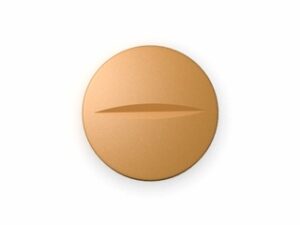
Beloc (Metoprolol) — Patient Information Guide (Australia)
Beloc is a brand of metoprolol, a medicine commonly used to treat certain heart and blood-vessel conditions. It belongs to a group of medicines called beta-blockers. This guide explains what Beloc is, how it works, when it’s used, typical dosing approaches, important interactions, safety considerations, and practical tips for using the medicine confidently.
Note: Always follow the instructions given by your doctor and the directions on the medicine label. The information below is designed to help you understand the medicine in everyday language.
At a glance
- Active ingredient: Metoprolol
- Brand example: Beloc
- Medicine type: Beta-blocker
- Common uses: High blood pressure, angina (chest pain), and certain heart rhythm or heart-related conditions
- How it works: Slows the heart rate and reduces strain on the heart
- How it’s taken: Usually once or twice daily depending on the formulation
- Key cautions: Do not stop suddenly; watch for dizziness, slow heart rate, and low blood pressure
Basic product information
| Feature | Details |
|---|---|
| Brand | Beloc (metoprolol) |
| Generic name | Metoprolol |
| Medicine group | Beta-adrenergic blocker (beta-blocker) |
| Common forms | Immediate-release or modified-release products may be available—follow your specific label instructions |
| Typical dosing frequency | Often 1–2 times daily depending on formulation and condition |
| Availability | Beloc/metoprolol is widely used and generally available through Australian pharmacies |
Mechanism of action (how Beloc works)
Metoprolol is a beta-blocker that mainly acts on beta-1 receptors in the heart. By blocking these receptors, it:
- Slows the heart rate (reduces how fast the heart beats)
- Reduces the force of heart contractions, easing workload on the heart
- Helps lower blood pressure by reducing overall cardiac output and altering sympathetic activity
- Can reduce angina symptoms by improving the balance between oxygen supply and demand in the heart muscle
These combined effects may also help with certain rhythm-related conditions by providing steadier heart control.
Pharmacokinetics (how the body handles metoprolol)
Pharmacokinetics describes how a medicine is absorbed, distributed, metabolised, and eliminated by the body.
- Absorption: Metoprolol is absorbed after oral dosing. Food can influence the rate of absorption, depending on the formulation.
- Distribution: It spreads through the body and may cross into various tissues.
- Metabolism: Metoprolol is primarily processed by the liver (via enzymes such as CYP2D6). This means other medicines that affect these pathways can change its levels.
- Elimination: The body clears metoprolol mainly through metabolic breakdown, with metabolites excreted (primarily via the kidneys).
- Half-life: Depending on the formulation and individual factors, metoprolol’s effect may last many hours, supporting once- or twice-daily dosing strategies.
If you have liver impairment, your doctor may monitor your response more closely or adjust dosing.
Typical use: what Beloc is used for
Beloc (metoprolol) is used for a range of cardiovascular conditions. Common indications include:
- High blood pressure (hypertension)
- Angina pectoris (chest pain due to reduced blood flow to the heart)
- Heart rhythm conditions where slowing the heart rate is beneficial (for example, certain supraventricular arrhythmias, based on clinical assessment)
- After certain heart events where beta-blockade is recommended as part of long-term management (your clinician will determine suitability)
Beloc may be used alone or in combination with other medicines such as diuretics, calcium-channel blockers, ACE inhibitors, or anti-anginal agents.
How and when to take Beloc (timing and missed doses)
Timing can be important for consistent heart rate and blood pressure control.
General timing guidance
- Follow your label exactly for frequency (once vs twice daily).
- Try to take it at the same times each day (e.g., morning and evening) to maintain stable levels.
- If you take a modified-release product, do not crush or break it unless the label explicitly allows it.
If you forget a dose
- Take it as soon as you remember if it is close to the scheduled time.
- If it’s nearly time for the next dose, skip the missed dose.
- Do not double up to make up for a missed dose.
Do not stop suddenly
Stopping metoprolol abruptly can lead to rebound effects, such as a worsening of chest pain, increased heart rate, or blood pressure changes. If changes are needed, they should be guided by a clinician.
Food interactions (can you take Beloc with meals?)
Food may affect how quickly some metoprolol products are absorbed. In many cases, taking Beloc with or after food can be easier on the stomach.
- If your dose is taken with meals, it may be absorbed more steadily for some people.
- For extended-release/modified-release formulations, the product design is intended to release medicine gradually. Follow the specific product instructions.
Practical tip: Choose a routine you can maintain (for example, breakfast and dinner) and stay consistent unless your clinician advises otherwise.
Alcohol interactions and safety
Alcohol can affect blood pressure and may influence how you feel on beta-blockers. In some people, alcohol can:
- Increase dizziness or light-headedness
- Lower blood pressure further
- Worsen fatigue or reduce tolerance for exercise
Advice: If you drink alcohol, keep it moderate and be alert for symptoms such as faintness, unusual tiredness, or worsening shortness of breath. Avoid driving if you feel unwell.
Interactions with other medicines (important)
Metoprolol can interact with other medicines. Some interactions are particularly important because they may slow the heart too much, change blood pressure, or alter metoprolol levels in the bloodstream.
Common interaction categories
- Other medicines that slow the heart (for example, some calcium-channel blockers such as verapamil or diltiazem): may increase risk of slow heart rate or conduction problems.
- Medicines affecting liver enzymes: drugs that inhibit or induce liver metabolism can change metoprolol exposure.
- Medicines for rhythm or heart rate control: may have additive effects.
- Diabetes medicines and hypoglycaemia recognition: beta-blockers can mask some warning signs of low blood sugar (like fast heartbeat). You may still experience sweating or other symptoms, but the “tachycardia warning” may be less noticeable.
- Non-steroidal anti-inflammatory drugs (NSAIDs): generally may be taken, but in some people they can affect blood pressure control.
- Other antihypertensives: blood pressure-lowering effects may add up.
Herbal and over-the-counter considerations
Herbal products and “natural” remedies can also interact with cardiovascular medicines. For example, some supplements may affect blood pressure or heart rhythm. Always check with a pharmacist if you’re unsure.
What to do: Keep an up-to-date list of all medicines you take (including vitamins, supplements, and occasional medicines) and review it with a healthcare professional or pharmacist before starting new products.
Dosing: what is a typical dose?
Dosing of metoprolol varies depending on the condition, the specific formulation (immediate-release vs modified-release), your age, kidney/liver function, and your response (heart rate and blood pressure).
Because dosing is individualised, the most accurate guidance is your product label and clinician’s directions. Below is a patient-friendly description of how dosing is commonly approached.
How dosing decisions are usually made
- Start low and increase gradually to reduce side effects and reach target heart rate/blood pressure.
- Doctors often aim for a safe heart rate and good symptom control.
- Changes may be made over days to weeks.
Dose adjustment and monitoring
- Your clinician may check blood pressure and pulse at follow-up visits.
- If you experience dizziness, breathlessness, fainting, or unusually slow pulse, dosing may need review.
Important: Do not change the dose or frequency without advice. Overdosing or taking too much too quickly can cause serious side effects.
Safety profile: common and serious side effects
Most people tolerate metoprolol well, but like all medicines it can cause side effects. Some effects are related to the expected beta-blocker action (slower heart rate and reduced blood pressure).
Common side effects
- Tiredness, fatigue
- Dizziness or light-headedness (especially when standing up)
- Slow heart rate (bradycardia)
- Cold hands or feet
- Nausea or gastrointestinal discomfort
- Sleep disturbances (in some people)
Less common but important effects
- Shortness of breath or wheezing (more relevant in people with asthma or certain lung conditions)
- Low blood pressure (may cause faintness)
- Worsening heart conduction in people with pre-existing conduction problems
Seek urgent medical help if you have
- Fainting, severe dizziness, or collapse
- Chest pain that worsens or new severe chest pain
- Severe breathlessness or signs of an allergic reaction (swelling of face/lips, difficulty breathing, hives)
- Confusion or extreme weakness
Who needs extra caution
- Asthma/COPD: beta-blockers may affect breathing in some patients. Cardio-selective beta-blockers (metoprolol is relatively beta-1 selective) may be preferred, but individual response varies.
- Heart block or very slow pulse: may be worsened by beta-blockers.
- Diabetes: beta-blockers can mask some hypoglycaemia symptoms; monitoring may need extra attention.
- Peripheral circulation problems: may cause more noticeable coldness or discomfort.
- Pregnancy and breastfeeding: use may be considered in certain circumstances under medical supervision.
Practical use tips (everyday “how-to”)
- Check your pulse if your clinician advised it. Track how you feel (dizziness, fatigue) rather than pulse alone.
- Stand up slowly if you feel light-headed, especially after starting therapy or after dose changes.
- Use a pill organiser to reduce missed doses.
- Keep consistent routines for timing (especially with once/twice daily regimens).
- Carry your medicine list: include metoprolol and any other cardiovascular medicines.
- Before surgery or procedures: inform your healthcare team that you take metoprolol.
Tip for driving and machinery: If you feel dizzy or unusually tired, avoid driving or operating machinery until you feel normal again.
Alternative options (if Beloc/metoprolol is not suitable)
There are several alternative approaches depending on why metoprolol was prescribed. Options your clinician may consider include:
- Other beta-blockers (e.g., bisoprolol, atenolol, carvedilol—depending on condition and tolerance)
- Non-beta-blocker blood pressure medicines (for example, ACE inhibitors/ARBs, calcium-channel blockers, thiazide-like diuretics)
- Anti-anginal medicines for chest pain (for example, long-acting nitrates or other agents, depending on your profile)
- For rhythm control: depending on diagnosis, rhythm-focused treatments may be discussed alongside rate control medicines
Switching between medicines should be managed by a clinician to maintain safe heart rate and blood pressure control.
Beloc in Australia: market and legal context
In Australia, medicines are regulated by the Therapeutic Goods Administration (TGA). Availability of a specific brand and whether it is dispensed requires compliance with Australian medicine scheduling rules. Many cardiovascular medicines such as metoprolol are supplied through regulated pharmacy channels and are subject to appropriate prescribing and supply standards.
Online pharmacies operating in Australia should follow legal requirements for:
- identifying the correct product and strength
- proper storage and handling
- accurate dispensing and documentation
- ensuring you receive information about safe use and interactions
If you’re browsing online, choose a reputable Australian pharmacy site and verify product details (brand name, strength, and formulation) against your usual supply.
Recent guidance and monitoring considerations
Clinical guidance for beta-blockers such as metoprolol often emphasises:
- Individualised dosing with careful titration
- Monitoring pulse and blood pressure after starting or adjusting
- Avoiding abrupt discontinuation
- Awareness of comorbidities (asthma, diabetes, conduction disorders)
- Reviewing interactions with new medications, including some common prescription and over-the-counter drugs
Healthcare systems may update advice as new evidence becomes available. If you are uncertain about whether any recent change affects you, ask your doctor or pharmacist for up-to-date, personalised guidance.
Delivery and availability (online pharmacy)
Beloc (metoprolol) and metoprolol generics are commonly stocked because they are widely used. Availability can still vary by strength and formulation.
What to expect when ordering online:
- Product verification: your order should confirm the correct brand, strength, and release type (immediate vs modified-release).
- Packaging: medicines are typically supplied in manufacturer or pharmacy dispensing packaging with clear label directions.
- Delivery timeframes: depend on your location and pharmacy dispatch schedules.
- Cold-chain: metoprolol tablets/modified-release tablets usually do not require cold storage, but always follow the label instructions.
If you have run out or are nearing your last tablet, it’s wise to order with some buffer time—particularly if your usual strength is less frequently stocked.
FAQ: Beloc (Metoprolol)
1) What does Beloc (metoprolol) do?
Beloc helps slow the heart rate and reduce the heart’s workload. This can lower blood pressure, reduce angina symptoms, and help manage certain heart rhythm conditions.
2) How quickly will it start working?
Many people notice effects such as a slower pulse or improved blood pressure control within hours to days. Full symptom control and optimal dosing can take longer as your body adjusts and the dose is titrated.
3) Can I take Beloc with food?
Often yes. Taking it with or after meals can be comfortable for many people. Follow your specific product instructions and keep your routine consistent.
4) Will metoprolol make me tired?
Fatigue is a common side effect, especially when starting or after increasing the dose. If it persists or is severe, discuss dose adjustment with your clinician.
5) What if my heart rate is too low?
A very slow heart rate may require assessment. If you feel faint, very weak, or have symptoms along with a low pulse, seek medical advice urgently.
6) Can I stop metoprolol suddenly?
No. Stopping abruptly can be risky. If you need to stop or change therapy, it should be done with clinician guidance.
7) Does metoprolol affect asthma?
Beta-blockers can affect breathing in some people. If you have asthma or wheezing, talk to your doctor about risks and monitoring.
8) Are there interactions with alcohol?
Alcohol may increase dizziness or lower blood pressure. Keep consumption moderate and avoid alcohol if it worsens light-headedness or shortness of breath.
9) What medications commonly interact with metoprolol?
Medicines that slow the heart, affect heart rhythm, or influence liver metabolism may interact. Examples include some heart medicines and certain drugs used for infections or other conditions. Always check with a pharmacist when adding new medicines.
10) What if I miss a dose?
Take it when you remember unless it’s almost time for the next dose. Don’t double up.
Summary
Beloc (metoprolol) is a widely used beta-blocker in Australia for conditions such as high blood pressure and angina, and for selected rhythm or heart-related indications. It works by slowing the heart and reducing strain on the cardiovascular system. To use it safely, take it at the same times each day, avoid sudden stopping, and watch for signs of low blood pressure or an excessively slow heart rate. Because metoprolol can interact with other medicines and can affect how some symptoms of low blood sugar are perceived, it’s important to keep your healthcare team informed about everything you take.