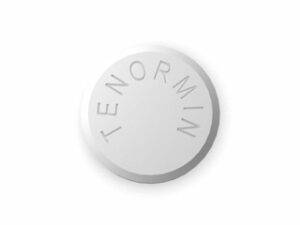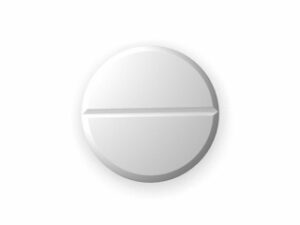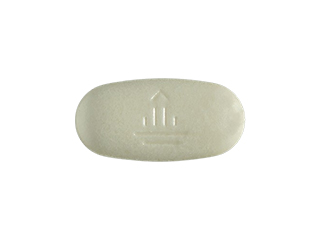


Micardis (Telmisartan) — Patient Information (Australia)
Micardis is a medicine that contains telmisartan, used to treat certain conditions affecting the heart and blood vessels. This page explains what Micardis is, how it works, how it’s taken, what to watch for, and practical tips for everyday use in Australia.
Note: Medicines affect people differently. Always follow the directions provided with your medicine and consult a healthcare professional if you have questions.
Basic product information
| Item | Information |
|---|---|
| Brand name | Micardis |
| Active ingredient | Telmisartan |
| Medicine type | Angiotensin II receptor blocker (ARB) |
| Common strengths | 20 mg, 40 mg, 80 mg (varies by product) |
| How it’s taken | Oral tablets, usually once daily |
| Typical storage | Store below 30°C (check pack instructions) |
What is Micardis (telmisartan) used for?
Micardis helps relax blood vessels and reduce the workload on the heart. It is commonly used for:
- Hypertension (high blood pressure): to lower blood pressure and reduce cardiovascular risk.
- Reducing cardiovascular risk in certain adults who are at higher risk due to established disease (for example, coronary artery disease), as determined by their treating clinician.
Micardis may be used alone or in combination with other blood pressure–lowering medicines.
How Micardis works (mechanism of action)
Telmisartan belongs to a group of medicines called angiotensin II receptor blockers (ARBs). Your body naturally produces substances that tighten blood vessels and raise blood pressure.
Angiotensin II is one of the key substances involved in this process. Telmisartan blocks the angiotensin II type 1 (AT1) receptor, leading to:
- Less tightening of blood vessels
- Reduced blood pressure
- Lower strain on the heart
Because it blocks receptors rather than reducing all production of angiotensin, telmisartan can have a different side-effect profile compared with some other classes.
Pharmacokinetics (how the body handles telmisartan)
Pharmacokinetics describes what the body does to the medicine over time. While individual results vary, telmisartan generally has the following characteristics:
- Absorption: Telmisartan is absorbed after oral dosing. Peak blood levels typically occur within several hours (often around 0.5–1.5 hours, depending on formulation and individual factors).
- Protein binding: It is highly bound to plasma proteins (mainly albumin).
- Distribution: It distributes through the body tissues, with the primary active effect on blood vessels and kidney-related pathways.
- Metabolism: Telmisartan is mainly metabolised by conjugation (notably glucuronidation) and has minimal involvement of some liver enzymes compared with certain other medicines.
- Elimination: It is largely eliminated via the bile into faeces; renal excretion is limited.
- Half-life: The drug’s half-life supports once-daily dosing in many people.
Practical takeaway: The long-lasting effect means Micardis is often taken once daily at a consistent time, though flexibility may be possible (see timing section below).
Indications and when Micardis may be considered
Micardis is used for:
- Essential hypertension (high blood pressure): for adults who need blood pressure lowering.
- Cardiovascular risk reduction: in selected adults at increased cardiovascular risk (as assessed by the treating clinician).
In some patients, clinicians may choose an ARB such as telmisartan when angiotensin-converting enzyme (ACE) inhibitors are not suitable or not tolerated.
Typical dosing and timing
Always follow the dose instructions on your medicine label or as directed by your healthcare professional. Below is general patient-friendly guidance.
Typical dosing for hypertension
- Starting dose: often 40 mg once daily.
- Lower starting doses: may be considered in some people.
- Maximum dose: commonly 80 mg once daily.
Cardiovascular risk reduction (selected patients)
- Dosing strategies may vary, but a common approach is using 80 mg once daily (as determined by the treating clinician and based on risk factors and tolerability).
How to take Micardis
- Once daily: Many people take telmisartan one time each day.
- With or without food: You can generally take it either way (see food interactions below).
- Swallow whole: Unless your specific product instructions say otherwise.
Consistency and missed dose advice
- Try to take it at the same time each day to maintain steady blood pressure control.
- If you miss a dose: take it when you remember on the same day. If it is close to the next scheduled dose, skip the missed dose and resume your regular schedule.
- Do not double up to make up for a missed dose.
Food interactions and meal timing
Micardis can generally be taken with or without food.
Possible effect: Taking telmisartan with food may slightly change the rate or extent of absorption in some people, but this usually does not require dose changes for everyday use.
- If you notice dizziness or changes after taking a dose, try taking it at a consistent time relative to meals.
- Inform your healthcare provider if you have persistent side effects after a change in meal patterns.
Alcohol and medicine interactions
Alcohol can lower blood pressure. When combined with blood pressure medicines like telmisartan, it may increase the risk of:
- Dizziness or light-headedness
- Fainting, especially when standing up quickly
Practical approach: If you drink alcohol, consider keeping intake moderate and be cautious when rising from sitting or lying positions.
Seek urgent help if you experience severe dizziness, fainting, or signs of an allergic reaction (such as swelling of face/lips or difficulty breathing).
Interactions with other medicines
Telmisartan can interact with certain medications through changes in kidney function, potassium levels, or blood pressure effects.
Medicines that may raise potassium
- Potassium supplements
- Salt substitutes containing potassium
- Potassium-sparing diuretics (e.g., spironolactone, eplerenone)
Medicines affecting kidney function or fluid balance
- NSAIDs (non-steroidal anti-inflammatory drugs), such as ibuprofen or naproxen, especially when used regularly or in older adults
- Diuretics (“water tablets”), which can change hydration status
Other blood pressure–lowering medicines
- Combining with other antihypertensives can improve blood pressure control but may increase the chance of low blood pressure (symptoms such as dizziness).
Lithium
- Lithium levels can be affected by medicines in this class. Close monitoring may be required if used together.
General advice
- Keep a list of all medicines, including over-the-counter products and supplements, and show it to your pharmacist or doctor.
- Ask before starting NSAIDs frequently, herbal remedies, or potassium-containing products.
Safety profile: what to watch for
Most people tolerate Micardis well, but like all medicines it can cause side effects. Common issues are usually mild, while some require prompt medical attention.
Common side effects
- Dizziness or light-headedness (especially after starting or increasing dose)
- Fatigue
- Headache
Less common but important to monitor
- Low blood pressure symptoms (fainting, worsening dizziness)
- Kidney-related changes (may be detected through blood tests)
- Raised potassium (may cause weakness, irregular heartbeat—though many people have no symptoms; blood tests are key)
Seek urgent medical help if you develop
- Signs of an allergic reaction: swelling of face/lips, rash, or difficulty breathing
- Severe dizziness or fainting
- Symptoms of very high potassium (muscle weakness, palpitations) — especially if you have kidney disease or are on potassium-related products
- Decreased urine output or sudden severe illness
Who needs extra caution?
Your clinician may adjust dose and monitoring if you have:
- Kidney disease or reduced kidney function
- Liver disease
- Dehydration (vomiting/diarrhoea) or low salt intake
- Use of other medicines that affect kidney function or potassium
Practical use tips for everyday life
- Check your blood pressure regularly if advised. Home monitoring helps track whether the medicine is working.
- Stand up slowly, especially in the first days after starting or dose changes—this can reduce dizziness.
- Keep hydrated, particularly during hot weather or illness. Dehydration can increase risk of kidney-related side effects.
- Have routine blood tests if your clinician recommends them, especially for kidney function (creatinine/eGFR) and potassium levels.
- Avoid potassium supplements unless your doctor tells you to use them.
- Tell healthcare providers you’re taking telmisartan before surgeries or if you’re unwell.
During illness (vomiting, diarrhoea, fever): If you become significantly unwell and not eating/drinking normally, contact your healthcare team for advice. Certain conditions can affect kidney function and blood pressure.
Alternative options (if Micardis is not suitable)
If Micardis (telmisartan) isn’t right for you, there are alternative treatment options. Your clinician may consider:
- Other ARBs (similar class), such as losartan, valsartan, or irbesartan.
- ACE inhibitors (different class), such as enalapril or perindopril (may not be suitable for everyone).
- Other blood pressure medicines including calcium channel blockers, thiazide-type diuretics, and beta-blockers depending on your health profile.
The best alternative depends on your diagnosis, other medicines, kidney/liver function, and overall cardiovascular risk.
Market and legal context for Australia
In Australia, medicines are regulated through the Therapeutic Goods Administration (TGA). Telmisartan products are commonly supplied under Australian regulatory processes and must meet quality and safety requirements.
Pharmacies and online medicine providers in Australia operate within rules for:
- Product identification and correct labelling
- Storage and handling standards
- Patient information resources to support safe use
- Appropriate supply processes, including verification and documentation where required
Australian guidance around cardiovascular medicines is frequently updated through professional bodies and prescribing guidance used by clinicians. Your pharmacist can help ensure you receive the right product and understand how to take it safely.
Recent guidance and monitoring considerations
While specific recommendations can vary by patient and may evolve, several widely used monitoring principles generally apply to ARBs like telmisartan:
- Regular blood pressure assessment to confirm benefit and reduce side effects from overly low readings.
- Kidney function monitoring (e.g., creatinine/eGFR) and potassium checks—especially for people with chronic kidney disease, older age, dehydration risk, or use of interacting medicines.
- Review medicines during illness (e.g., significant vomiting/diarrhoea) to protect kidney function and hydration status.
Your clinician may recommend blood tests and follow-up after starting treatment or adjusting dose.
Delivery, availability, and how to buy online in Australia
Micardis (telmisartan) tablets are widely available through pharmacies in Australia. Online availability may vary depending on stock and supplier arrangements.
Delivery expectations
- Dispatch times: often depend on product availability and courier schedules.
- Packaging: medicines should arrive in secure, labelled packaging.
- Storage on arrival: store the tablets as directed on the pack (typically below 30°C).
What to check when it arrives
- Correct strength (e.g., 40 mg vs 80 mg)
- Correct product name and expiry date
- Any patient information leaflet or printed instructions included
If anything looks incorrect or damaged, contact the supplier or your pharmacist before use.
FAQ (Frequently Asked Questions)
1) What is Micardis used for?
Micardis (telmisartan) is used to treat high blood pressure and, in selected adults, to help reduce cardiovascular risk based on individual health profiles.
2) How quickly does Micardis start working?
Blood pressure may begin to lower within the first days, but the full effect can take longer. Consistent daily use is important. If your readings remain high after a reasonable period, speak with your clinician about whether dose adjustment or additional therapy is needed.
3) Can I take Micardis with food?
Yes. Micardis can generally be taken with or without food. Try to keep the timing consistent so you can notice how you feel and monitor blood pressure accurately.
4) What should I do if I forget a dose?
Take it when you remember, unless it’s close to the time for your next dose. If you’re near the next dose, skip the missed dose and continue as scheduled. Do not take an extra dose to compensate.
5) Does Micardis cause dizziness?
Dizziness or light-headedness can occur, particularly after starting treatment or increasing dose. Standing up slowly, staying hydrated, and monitoring your blood pressure can help. If dizziness is severe or you faint, seek medical attention promptly.
6) Are there foods I should avoid?
There are no specific food exclusions for telmisartan in most patients. However, extremely low salt intake or dehydration (for example, from vomiting/diarrhoea) may affect how you tolerate blood pressure medicines. If you’re on a restricted diet for medical reasons, discuss it with your doctor.
7) Can I drink alcohol while taking Micardis?
Alcohol can further lower blood pressure and increase dizziness. If you drink, do so moderately and be cautious when getting up quickly. If you experience faintness or severe dizziness, avoid alcohol and contact your healthcare provider.
8) What medicines should not be taken with Micardis?
Be cautious with medicines that affect potassium or kidney function, including potassium supplements, potassium-sparing diuretics, and frequent use of NSAIDs like ibuprofen. Always check with a pharmacist before starting new medicines.
9) Do I need blood tests while using telmisartan?
Your clinician may request blood tests to monitor kidney function and potassium, particularly at initiation, after dose changes, or if you have kidney disease or other risk factors.
10) Is Micardis safe for everyone?
Most people tolerate it, but safety depends on your health history and other medications. Extra caution is needed in people with kidney problems, liver disease, dehydration risk, or those taking interacting medicines.
Summary
Micardis (telmisartan) is an ARB medicine used to manage high blood pressure and help lower cardiovascular risk in selected patients. It works by blocking the effects of angiotensin II, helping blood vessels relax and supporting healthier blood pressure levels. Telmisartan is typically taken once daily, with or without food, and requires attention to blood pressure changes, kidney function, and potassium levels—especially if you have kidney issues or take certain interacting medicines.
If you have questions about how Micardis fits your treatment plan, your local Australian pharmacist or healthcare professional can provide personalised advice.