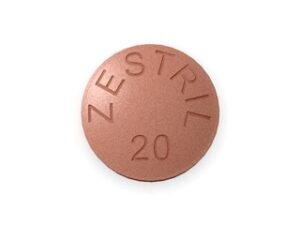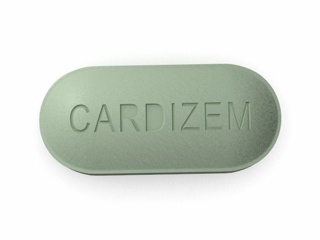

Cardizem (Diltiazem) – Patient-Friendly Medicine Information (Australia)
Cardizem is a brand of the medicine diltiazem, a drug commonly used to treat certain heart rhythm and blood pressure conditions. This page explains how Cardizem works, how it is usually taken, key safety information, and practical tips for everyday use in Australia.
Important: Medicines affect people differently. Always follow the instructions provided by your healthcare professional and read the Consumer Medicine Information (CMI) supplied with your product.
1. Basic product information
| Item | Information |
|---|---|
| Medicine name | Cardizem (diltiazem) |
| Medicine type | Calcium channel blocker (non-dihydropyridine) |
| Main effects | Slows heart rate, reduces heart workload, helps relax blood vessels |
| Common formulations | Immediate-release and modified/extended-release versions (product-specific) |
| Where it’s used | Australia for cardiovascular conditions as guided by clinicians |
Cardizem is available in different formulations depending on the product strength and release type. Your dosing instructions may differ based on whether you have an immediate-release or modified/extended-release preparation.
2. How Cardizem works (mechanism of action)
Diltiazem belongs to the class of drugs known as calcium channel blockers (specifically, non-dihydropyridines).
In simple terms, diltiazem:
- Blocks calcium entry in certain heart and blood vessel cells.
- Reduces the electrical conduction through the AV node (a key part of the heart’s electrical system).
- Decreases heart rate and helps the heart beat more efficiently for certain rhythm conditions.
- Relaxes blood vessels, which can lower blood pressure and reduce oxygen demand for the heart.
This combination of effects can be beneficial in conditions such as angina and some types of arrhythmias.
3. Pharmacokinetics (how the body handles diltiazem)
Pharmacokinetics describes how the body absorbs, distributes, metabolises, and removes a medicine.
- Absorption: Diltiazem is absorbed after oral dosing. Absorption can vary between immediate-release and extended-release forms.
- Distribution: It distributes throughout the body and binds to plasma proteins.
- Metabolism: Diltiazem is mainly metabolised by the liver (notably via CYP3A4), which is why interactions can occur with other medicines that affect this pathway.
- Elimination: The medicine and its metabolites are eliminated largely through the kidneys and bile.
- Half-life: The effective duration depends on the formulation; modified-release products are designed to provide steadier levels over the day.
Why this matters: If you miss a dose or switch formulations, blood levels may change. That’s why it’s important not to change the brand or release type without medical advice.
4. Typical uses and indications
Cardizem (diltiazem) may be used to treat certain cardiovascular conditions, including:
- Angina (chest pain): Helping reduce frequency and severity by lowering the heart’s workload and improving coronary blood flow.
- Supraventricular arrhythmias: Such as some forms of atrial fibrillation/flutter with a rapid ventricular response, where slowing conduction can help control heart rate.
- Hypertension (high blood pressure): In some cases, to help lower blood pressure via vascular relaxation.
Exact suitability depends on your diagnosis, heart rate/rhythm, blood pressure, kidney/liver function, and other medicines you take.
5. Timing: when and how to take Cardizem
Follow the schedule provided by your healthcare professional. The general principles below help you use the medicine effectively.
How often
- Immediate-release formulations: Often taken multiple times daily (e.g., morning and evening), depending on the prescribed dose.
- Modified/extended-release formulations: Often taken once daily, depending on the product strength.
With or without food
- Diltiazem can generally be taken with or without food (unless your specific product instructions say otherwise).
- If stomach upset occurs, taking it with food may help.
Consistency is key
- Try to take your dose at the same time each day.
- Do not crush or split modified/extended-release tablets unless the product instructions specifically permit it.
If you miss a dose
- Take it when you remember if it is close to the next scheduled time.
- If it’s almost time for the next dose, skip the missed dose and continue your regular schedule.
- Do not double up to make up for the missed dose.
If you’re unsure, speak with a pharmacist for guidance tailored to your formulation and timing.
6. Dosing (general guidance)
Dosing varies significantly by condition, age, heart function, and formulation. Only a clinician can determine your correct dose.
General dosing principles:
- Start low, adjust carefully: Diltiazem dosing is commonly adjusted to achieve the desired effect (such as rate control) while avoiding side effects like dizziness or low blood pressure.
- Monitor response: Heart rate, blood pressure, and symptoms are typically monitored.
- Formulation matters: Immediate-release and extended-release preparations cannot always be substituted on a mg-for-mg basis.
What to expect: Some people notice symptom improvement (e.g., reduced chest pain episodes or improved rate control) within days, but ongoing adjustment may be needed.
Always use the dosing on your medication label. If your dosing schedule differs from what you read here, follow your clinician’s instructions.
7. Food interactions
Food interactions can influence how much diltiazem is absorbed.
- Grapefruit and grapefruit juice: In many people, grapefruit can increase levels of diltiazem by affecting CYP3A4 activity. It’s generally wise to avoid grapefruit unless your clinician says otherwise.
- Alcohol and certain beverages: Alcohol can add to diltiazem’s effects on blood pressure and dizziness (see below).
If you notice unexpected dizziness, flushing, or heart rhythm changes after a particular meal or drink, check whether it included grapefruit or a high-interaction beverage and speak with a pharmacist.
8. Alcohol and medicine interactions
Alcohol
Alcohol may increase the risk of side effects with diltiazem, especially:
- Dizziness or light-headedness
- Low blood pressure (feeling faint)
- Increased tiredness
Consider limiting alcohol and avoid binge drinking. If you have a history of fainting, low blood pressure, or falls, discuss alcohol use with your clinician.
Common medicine interactions (important)
Diltiazem can interact with multiple medicines. Two key categories are:
- Medicines that affect CYP3A4: These may raise or lower diltiazem blood levels.
- Medicines that slow the heart or lower blood pressure: When combined, they may increase the risk of bradycardia (slow heart rate) or hypotension (low blood pressure).
Examples of medicines that may interact include:
- Other heart medicines:
- Beta-blockers (e.g., metoprolol, bisoprolol) – may increase risk of slow heart rate or conduction problems.
- Antiarrhythmics – may add to effects on heart rhythm.
- Some antibiotics and antifungals: can affect diltiazem metabolism.
- HIV medicines: some can raise diltiazem levels.
- Some antidepressants/antipsychotics: depending on which ones, may influence metabolism.
- Statins: certain statins may have higher blood levels when taken with diltiazem, potentially increasing muscle-related side effects.
- Blood pressure medicines/vasodilators: combined effect may increase dizziness or hypotension.
Always check before starting new medicines—including over-the-counter products and herbal supplements. If you’re unsure, consult a pharmacist and keep an up-to-date list of your medicines.
9. Safety profile: what to watch for
Like all medicines, Cardizem can cause side effects. Many people tolerate diltiazem well, but it’s important to know what symptoms warrant attention.
Common side effects
- Swelling of the ankles/feet (peripheral oedema)
- Headache
- Dizziness or light-headedness
- Flushing
- Fatigue or tiredness
- Constipation (can occur)
Less common but important side effects
- Slow heart rate (bradycardia)
- Low blood pressure
- Worsening of heart rhythm symptoms (palpitations, faintness)
- Shortness of breath (especially if you feel unwell beyond usual symptoms)
Seek urgent medical help if
- You faint or feel like you may faint
- You have severe dizziness, chest pain, or signs of a serious allergic reaction (e.g., swelling of the face/lips, difficulty breathing)
- You experience very slow heart rate with weakness or confusion
Who should take extra care
Discuss diltiazem carefully with your clinician if you have:
- Heart block or significant conduction problems
- Very slow pulse or a history of fainting
- Severely reduced heart function
- Significant liver impairment
- Kidney disease (may affect overall health and monitoring needs)
Your clinician may adjust dose and arrange monitoring based on your individual situation.
10. Practical use tips (making treatment easier)
- Keep a symptom diary: Note chest pain frequency, breathlessness, dizziness episodes, or palpitations—helpful for dose adjustments.
- Check blood pressure and pulse: If you have a home monitor, track as recommended by your clinician.
- Be consistent with formulation: Don’t switch between immediate-release and modified/extended-release unless a pharmacist or clinician confirms the change.
- Hydration and standing slowly: Dizziness can occur, especially when rising quickly—sit or stand up slowly.
- Review medicines regularly: At every appointment, confirm your current list includes any new prescriptions, pharmacy items, and supplements.
- Plan for travel: Carry your medicine with you in original packaging and allow extra time for medication to last through delays.
11. Alternative options
Depending on the condition being treated, alternatives may include other medicines or different classes of drugs. Your clinician can explain the best options for your specific diagnosis.
Possible alternatives (examples)
- Other calcium channel blockers: such as other non-dihydropyridines or dihydropyridines (choice depends on the goal—rate control vs blood pressure).
- Beta-blockers: often used for rate control in certain arrhythmias and for angina.
- Other antianginal medicines: clinicians may consider nitrates or other agents depending on your case.
- Arrhythmia-specific therapies: in some situations, different rhythm or rate-control approaches may be considered.
Non-medicine approaches may also be relevant, such as lifestyle changes, treating triggers, or specialist procedures. Discuss options with your healthcare professional rather than stopping or changing diltiazem on your own.
12. Market and legal context in Australia (patient-friendly overview)
In Australia, medicines are regulated under the Australian regulatory framework and supplied through the health system according to their classification. Diltiazem-containing products are generally used under appropriate clinical assessment.
Pharmacy supply may vary depending on:
- the specific product and strength
- whether ongoing clinical supervision is required
- your personal history and monitoring needs
Australian consumers can obtain medicines via authorised channels, and online pharmacies typically require verification steps to ensure safe supply. Your pharmacist will advise on correct use and safety monitoring.
13. Recent guidance and monitoring considerations
Cardiovascular medicines may have evolving safety advice, particularly regarding:
- Drug–drug interactions (new medicines released over time)
- Heart rate and blood pressure monitoring
- Individual cardiovascular risk assessment (e.g., co-existing heart disease)
To stay safe:
- Always check for updates when new medicines are added to your regimen.
- Attend follow-up appointments where your clinician assesses pulse, blood pressure, and symptom response.
- If you experience new or worsening dizziness, fainting, breathlessness, or chest pain, seek medical advice promptly.
Note: For the latest official safety information, refer to resources such as the Australian Register of Therapeutic Goods (ARTG) and relevant product information documents, or ask your pharmacist.
14. Delivery, availability, and ordering (online pharmacy)
Availability and delivery services can vary between online pharmacies operating in Australia. When ordering diltiazem-containing products online, typical considerations include:
- Product authenticity: ensure the pharmacy is authorised and supplies genuine Australian-listed stock.
- Correct formulation: choose the right strength and release type (immediate vs modified/extended release).
- Cold chain: diltiazem is usually not a cold-chain medicine, but always follow storage instructions from the product packaging.
- Delivery times: depend on your location and the pharmacy’s dispatch schedule.
For best results, keep track of your supply so you don’t run out. If you use modified-release tablets, maintain the same schedule to support steady effects.
15. Frequently Asked Questions (FAQ)
Is Cardizem the same as diltiazem?
Yes. Cardizem is a brand name for the medicine diltiazem. Different brands or generics may contain diltiazem but may come in different strengths and release types.
How long does it take to work?
Some people notice improvement within days, but the time to see full benefit depends on the condition being treated and whether you use immediate-release or modified/extended-release tablets. Your clinician may adjust the dose based on your response.
Can I stop Cardizem if I feel better?
Do not stop suddenly unless your clinician advises. Stopping diltiazem can lead to worsening symptoms such as angina or loss of rate control in arrhythmias.
What should I do if I feel dizzy after taking a dose?
Dizziness can be a side effect. Sit or lie down if you feel faint, avoid driving until you know how you react, and consider checking your blood pressure and pulse. If dizziness is severe, persistent, or you faint, seek urgent medical help.
Can I take Cardizem with other heart medicines?
Sometimes yes, but it must be carefully managed because combinations can increase the risk of slow heart rate or low blood pressure. Tell your pharmacist and clinician about all medicines you take, including beta-blockers and other rate/rhythm medications.
Are there foods I should avoid?
Grapefruit and grapefruit juice can potentially increase diltiazem levels. It’s typically best to avoid grapefruit unless your healthcare professional says it’s safe for you.
Can I drink alcohol while taking diltiazem?
Alcohol may increase side effects like dizziness or low blood pressure. If you drink, keep it moderate and be alert for light-headedness. Discuss alcohol use with your clinician if you’ve had fainting or low blood pressure.
Does diltiazem affect driving or operating machinery?
It can. If you feel dizzy, tired, or light-headed, avoid driving or operating machinery until you are sure how the medicine affects you.
What monitoring might I need?
Your clinician may monitor blood pressure, heart rate, and symptoms. In some cases, an ECG may be used to check heart rhythm and conduction.
What if I accidentally take an extra dose?
Taking too much diltiazem can cause low heart rate, dizziness, or low blood pressure. Contact a healthcare professional or poison information service promptly for advice. If someone is unwell or unconscious, seek emergency care.
16. Summary
Cardizem (diltiazem) is a calcium channel blocker used to help manage conditions such as angina and certain supraventricular heart rhythm issues, and sometimes high blood pressure. It works by relaxing blood vessels and slowing electrical conduction in the heart, which can improve symptoms and control heart rate.
For safe and effective use in Australia, take your doses at the right times, use the correct formulation, avoid known interaction triggers (such as grapefruit), and keep your healthcare team informed about all medicines and supplements you use.
If you have questions about Cardizem strength, release type, timing, or interactions, a pharmacist can help you choose the safest approach for your situation.