Altace (Ramipril) – Patient-Friendly Medicine Information (Australia)
Altace is a brand of ramipril, a medicine from the ACE inhibitor (angiotensin-converting enzyme inhibitor) family. It helps relax blood vessels and reduce strain on the heart, and it can also lower the risk of certain cardiovascular events in suitable patients. This guide explains how Altace works, how it’s commonly used, what to expect, and important safety considerations for people in Australia.
Quick facts
- Active ingredient: Ramipril
- Medicine type: ACE inhibitor
- Common forms: Tablets (strengths vary)
- Typical benefits: Blood pressure lowering; heart failure management; kidney protection in some conditions; reduced risk of heart attack/stroke in high-risk patients
- Key precautions: Watch for low blood pressure, kidney function changes, high potassium, and (rarely) angioedema
- Take care with: Pregnancy, potassium supplements/salt substitutes, certain diuretics and other blood-pressure medicines, and alcohol
Basic product information
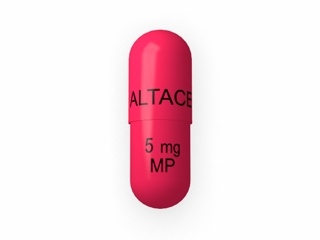
In Australia, Altace (ramipril) is supplied as an oral tablet for adults. Individual strength and the exact dosing schedule depend on your condition, current blood pressure, kidney function, and other medicines you take.
If you are unsure which strength you have, check the label on your medicine packet and confirm with your healthcare professional.
How Altace (ramipril) works (mechanism of action)
Ramipril belongs to the ACE inhibitor class. ACE (angiotensin-converting enzyme) helps produce angiotensin II, a substance that:
- tightens (constricts) blood vessels
- increases blood pressure
- stimulates aldosterone release, which affects salt and water balance
By blocking ACE, ramipril helps:
- Relax blood vessels → lower blood pressure
- Reduce aldosterone effects → less salt and water retention
- Reduce workload on the heart → useful in heart failure
- Support kidney protection in selected patients with protein in the urine
Pharmacokinetics (how the body handles ramipril)
Pharmacokinetics describes how a medicine is absorbed, distributed, metabolised, and eliminated. Ramipril is a prodrug: after swallowing, it is converted in the body to its active form, ramiprilat.
Absorption and activation
- Absorption: Ramipril is absorbed from the gut.
- Conversion to active metabolite: Your body converts ramipril to ramiprilat, which is largely responsible for the ACE-inhibiting effect.
Onset and duration
- Onset: Blood pressure may begin to improve within hours of a dose.
- Steady effect: Full benefits often build over several days to weeks.
- Duration: Many people experience a lasting effect allowing once or twice daily dosing, depending on the prescribed regimen.
Distribution and elimination
- Metabolism: Primarily hepatic conversion to active/inactive metabolites.
- Elimination: Mostly through the kidneys and urine, which is why kidney function affects dosing and monitoring.
What Altace is typically used for
Altace (ramipril) is used to treat and reduce risk in a range of cardiovascular and kidney-related conditions. Your individual indication determines your dose and monitoring schedule.
Common indications
- High blood pressure (hypertension)
- Heart failure (especially to reduce symptoms and improve outcomes in suitable patients)
- After a heart attack or in patients at high cardiovascular risk
- Cardiovascular risk reduction in certain people with established cardiovascular disease or high risk factors (for example, diabetes and other risk conditions)
- Kidney protection in selected patients, such as those with protein in the urine (albuminuria), particularly when combined with other appropriate care
This medicine may be recommended even when blood pressure is not severely high, because it can provide protective effects for the heart and kidneys in particular groups.
Typical dosing and timing
Altace is usually taken once daily, but some people are prescribed twice daily depending on their condition and response. Doses are adjusted carefully, often starting low and increasing gradually to reduce side effects.
Starting and adjusting dose (general principles)
- Starting dose: Often a low dose to assess tolerance (especially for blood pressure and kidney effects).
- Titration: The dose may be increased at intervals based on blood pressure, symptoms, and lab results.
- Kidney function and electrolytes: Dose and monitoring may be adjusted if you have reduced kidney function or higher potassium levels.
Important: Always follow the dosing instructions provided for you. If you miss a dose, take it when you remember unless it is near the next dose; do not take a double dose to “catch up”.
Best time to take it
- Many people take Altace in the morning.
- If it makes you feel dizzy or light-headed, some clinicians recommend taking it at night—this depends on your situation.
- Try to take it at the same time each day for consistent effect.
Food interactions (and taking with meals)
Altace can generally be taken with or without food. However, individual absorption may vary, and consistency is helpful.
- If you notice nausea or dizziness when taken on an empty stomach, consider taking it after a meal.
- Tell your healthcare professional if you have significant stomach upset, as they may adjust timing or dose.
Alcohol interactions
Alcohol can increase the risk of side effects from blood-pressure medicines, including:
- Dizziness or light-headedness
- Low blood pressure, especially when you stand up
- Fainting in vulnerable people
If you drink alcohol, consider reducing intake and avoid “trial-and-error” drinking soon after starting or increasing your dose. Seek medical advice if you experience fainting, severe dizziness, or persistent weakness.
Medicine interactions (important)
Altace interacts with several medicine groups. Some interactions can be serious, especially those affecting kidney function or potassium levels. Before starting or changing Altace, share a list of all medicines and supplements you use—including over-the-counter items.
Common interaction categories
- Potassium supplements and salt substitutes: Ramipril can raise potassium. Using potassium tablets or potassium-containing salt substitutes may significantly increase potassium.
-
Diuretics (“water tablets”): Some diuretics can alter blood pressure, kidney function, and electrolytes.
Examples include:
- Potassium-sparing diuretics (e.g., spironolactone, eplerenone, amiloride): higher risk of elevated potassium
- Thiazides and loop diuretics: can increase risk of low blood pressure or kidney changes early on
- Non-steroidal anti-inflammatory drugs (NSAIDs): Examples include ibuprofen, naproxen, and diclofenac. Regular NSAID use with ACE inhibitors can increase risk of kidney function decline and may reduce blood pressure effect in some people.
- Other blood pressure medicines: Combining with other antihypertensives can lower blood pressure further. This may be desired but requires careful monitoring to avoid dizziness or falls.
- Medicines affecting the renin-angiotensin system: Combining ACE inhibitors with ARBs or with medicines like aliskiren is generally avoided in many circumstances due to higher risk of kidney problems and high potassium. Your clinician will guide the safest approach.
- Diabetes medicines: ACE inhibitors can enhance glucose-lowering effects in some people, increasing risk of hypoglycaemia in susceptible patients. Monitoring may be needed.
- Lithium: ACE inhibitors can increase lithium levels, leading to toxicity risk. This combination usually requires close monitoring.
- Immunosuppressants and certain drugs affecting white blood cells: These can complicate safety monitoring. Inform your clinician if you use these medicines.
Herbal and complementary products
Some supplements can affect blood pressure or kidney function (for example, products that affect fluid balance or contain potassium). Always tell your healthcare professional about herbal products, even if they are “natural”.
Safety profile: what to watch for
Most people tolerate Altace well, but like all medicines it can cause side effects. Many are dose-related and can be minimised by starting low and monitoring. Stop and seek urgent medical help if you develop symptoms of severe allergic reaction.
Common side effects
- Dizziness, especially when standing up (orthostatic hypotension)
- Dry cough (a known ACE inhibitor side effect)
- Headache
- Fatigue
- Nausea or mild stomach discomfort
Serious but less common risks
- Angioedema (swelling): A rare but serious reaction. Seek emergency care if you have swelling of the face, lips, tongue, throat, or difficulty breathing or swallowing.
- Kidney function changes: ACE inhibitors can affect kidney function, especially in people with dehydration, certain kidney conditions, or when combined with interacting medicines.
- High potassium (hyperkalaemia): Symptoms may include muscle weakness, tingling, or abnormal heart rhythms. Often it is detected on blood tests before symptoms occur.
- Low blood pressure: Especially during treatment initiation, after dose increases, or during illness/dehydration.
- Low white blood cells (rare): Watch for recurrent infections or fever; report these promptly.
- Severe liver problems (rare): Symptoms include yellowing of the skin/eyes (jaundice) and dark urine.
Who needs extra caution
- People with kidney impairment or reduced kidney function
- People with dehydration (e.g., from vomiting or diarrhoea)
- People with low blood pressure or low circulating volume
- People with diabetes or those at risk of kidney disease
- People with a history of angioedema (particularly related to ACE inhibitors)
- Older adults, particularly those at higher fall risk
Practical use tips for day-to-day success
- Take consistently: Aim for the same time each day.
- Stand up slowly: If you feel dizzy, rise slowly from sitting or lying positions.
- Stay hydrated (unless restricted): Dehydration can increase risk of low blood pressure and kidney issues.
- Be cautious with “sick days”: If you develop significant vomiting or diarrhoea, contact your healthcare professional for advice. They may recommend temporarily pausing some medicines (often called “sick day rules”).
- Keep blood tests up to date: Your doctor may monitor kidney function and potassium, especially after starting or dose changes.
- Don’t use potassium salt substitutes: Unless your clinician has specifically advised it.
- Report persistent cough: A dry cough is common with ACE inhibitors. Your clinician can advise whether to continue or switch.
Monitoring: what your clinician may check
Routine monitoring helps ensure Altace is safe and effective for you. Common tests include:
- Blood pressure (including standing and sitting if you have dizziness)
- Kidney function (e.g., creatinine/eGFR)
- Potassium levels
- In some cases, full blood count and other labs depending on your health profile
Alternative treatment options
If Altace isn’t suitable—due to side effects (like cough), safety concerns, or treatment goals—clinicians may consider other medicines. The best alternative depends on your condition and health history.
Common alternatives
- ARBs (angiotensin receptor blockers): Examples include losartan, valsartan, candesartan. These may be used if ACE inhibitor cough is problematic (depending on your clinician’s assessment).
- Other antihypertensives: Depending on your blood pressure and risk factors, choices can include calcium channel blockers or thiazide-type diuretics.
- Diuretics: For symptom control in some heart failure patients or blood pressure management in combination regimens.
- Beta-blockers and other heart medicines: Particularly in people with heart disease, based on the overall treatment plan.
Do not switch or stop Altace without medical advice. Sudden changes may worsen blood pressure control or heart/kidney outcomes.
Market and legal context for Australia
Medicines containing ramipril are regulated under Australia’s medicines framework. In practice, Altace is typically dispensed through community pharmacies with appropriate clinical assessment and supply processes. Availability and specific product details can vary by brand and strength.
For safe use in Australia, always rely on information from:
- your pharmacist or treating clinician
- the consumer medicine information provided with your medicine
- reputable Australian health sources
Recent guidance and safety updates (general themes)
While the exact focus of guidance can evolve, common themes in ongoing safety communication for ACE inhibitors include:
- Pregnancy risk avoidance: ACE inhibitors are generally contraindicated during pregnancy due to serious fetal risk.
- Monitoring kidney function and potassium: especially after starting or changing dose, and in people with kidney impairment.
- Heightened caution during dehydration: such as illness with vomiting/diarrhoea or reduced fluid intake.
- Awareness of angioedema symptoms: prompt emergency response if swelling occurs.
Your clinician will apply the latest local prescribing guidance relevant to your health profile.
Delivery and availability (online pharmacy)
Altace (ramipril) is usually available through licensed Australian pharmacies, including reputable online dispensaries. Availability may depend on the tablet strength and quantity you require.
Delivery considerations
- Dispatch times: May vary depending on stock levels and your location.
- Packaging: Medicines are typically delivered in protective packaging to maintain integrity.
- Cold chain: Ramipril tablets do not generally require refrigeration.
- Order accuracy: Always check the strength and appearance against your previous supply.
If you need urgent therapy, contact the pharmacy to confirm delivery timelines and whether alternatives can be supplied if stock is limited.
FAQ about Altace (ramipril)
1) What is Altace used for?
Altace (ramipril) is used to treat high blood pressure and to manage certain heart conditions (including heart failure). It may also be used to reduce cardiovascular risk in appropriate patients and to provide kidney protection in selected circumstances.
2) How long does it take to work?
You may notice blood pressure changes within hours, but the full benefit typically develops over days to weeks. If your dose is adjusted, improvements and side effects can shift again during the following days.
3) Can I take Altace with food?
Yes. Altace can usually be taken with or without food. If it upsets your stomach, taking it after food may help.
4) Is it safe to drive or operate machinery?
Some people experience dizziness or light-headedness, particularly when starting treatment or increasing dose. If you feel unwell, avoid driving or operating machinery until you know how Altace affects you.
5) Why do I need blood tests?
ACE inhibitors can affect kidney function and potassium levels. Blood tests help ensure the medicine remains safe and appropriately dosed.
6) Does Altace cause a cough?
A dry, persistent cough can occur with ACE inhibitors like ramipril. If the cough is troublesome, tell your healthcare professional—options may include adjusting treatment or switching to another medicine class.
7) What should I do if I miss a dose?
Take it as soon as you remember unless it’s close to your next scheduled dose. Do not take double the dose to make up for the missed one.
8) Can I take pain relief like ibuprofen with Altace?
Occasional use may be acceptable for some people, but regular NSAID use can increase the risk of kidney issues when combined with ACE inhibitors. Check with your pharmacist or clinician, especially if you have kidney disease, are older, or use diuretics.
9) Can I drink alcohol while taking Altace?
Alcohol may increase the risk of dizziness and low blood pressure. If you choose to drink, do so cautiously and avoid large amounts—especially soon after starting or changing your dose.
10) Who should not take Altace?
Altace is generally not appropriate for people with a history of ACE inhibitor–related angioedema. It is also generally contraindicated in pregnancy due to fetal risk. Your clinician will assess suitability based on your medical history and current health.
Dosing overview (for reference)
Below is a general reference-style overview. Your exact dose may differ. Always use the dosing instructions provided by your clinician and pharmacist.
| Condition (typical) | General dosing approach | What to monitor |
|---|---|---|
| High blood pressure | Usually start low; increase gradually to reach target blood pressure | Blood pressure, kidney function, potassium |
| Heart failure | Often low starting dose with careful titration based on symptoms and tolerance | Dizziness/low BP, kidney function, potassium, symptom improvement |
| Post-heart attack / high cardiovascular risk | Start low and adjust over time; aim for long-term protective benefits | Blood pressure, kidney function, potassium; watch for cough and swelling |
| Kidney protection in selected patients | May be tailored to kidney status and potassium levels | eGFR/creatinine and potassium; urine protein as advised |
When to seek urgent medical help
Contact emergency services or seek urgent care if you experience signs of a serious reaction, including:
- Swelling of the face, lips, tongue, throat or difficulty breathing/swallowing (possible angioedema)
- Fainting or severe dizziness that doesn’t improve
- Severe weakness, palpitations, or symptoms that may suggest an abnormal heart rhythm
- Yellowing of skin/eyes or severe abdominal pain
- Signs of severe infection (e.g., persistent fever) if accompanied by unusual bruising or bleeding
Summary
Altace (ramipril) is an ACE inhibitor commonly used to manage high blood pressure, heart failure, and to help reduce cardiovascular risk in suitable patients. It works by relaxing blood vessels and improving the heart’s efficiency while also supporting kidney health in selected groups. Successful treatment usually involves taking the medicine consistently, monitoring kidney function and potassium, and being alert to side effects—especially rare but serious angioedema.
If you have questions about your specific regimen, side effects, or how to take Altace safely alongside your other medicines, speak with your pharmacist or healthcare professional.