
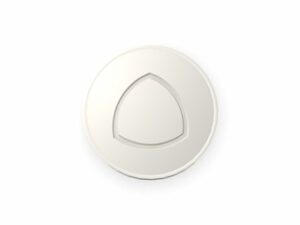
Indapamide (Australia) – Patient Information
Indapamide is a medicine commonly used to treat high blood pressure (hypertension) and, in some cases, to help reduce fluid build-up associated with certain heart conditions. It belongs to a group of medicines called thiazide-like diuretics (“water tablets”). Indapamide helps the kidneys remove extra salt and water from the body, which can lower blood pressure and ease fluid retention.
This page explains how indapamide works, how to take it, what to expect, and important safety considerations. It is written for patients and consumers in Australia.
Quick product overview
| Feature | What to know |
|---|---|
| Medicine name | Indapamide |
| Medicine type | Thiazide-like diuretic (“water tablet”) |
| Common forms | Usually tablets; some brands are modified-release (slow release) |
| Main uses | High blood pressure; sometimes to support treatment of fluid retention |
| How it helps | Increases urine output and helps relax blood vessels to lower blood pressure |
| Onset | Blood pressure can improve within days; full effect may take several weeks |
| Typical dosing timing | Often taken once daily in the morning (especially if it causes urination) |
How indapamide works (mechanism of action)
Indapamide works primarily in the kidney.
- Diuretic effect: It reduces reabsorption of sodium (salt) and water in the kidney tubules, leading to increased urine output.
- Vasodilator effect: It also helps blood vessels relax, which further lowers blood pressure.
- Lower long-term resistance: Over time, reduced fluid volume and improved vessel function can reduce the strain on the heart and lower blood pressure.
Because indapamide is “thiazide-like,” it is similar to thiazide diuretics but has a somewhat different profile. In many patients, the blood-pressure benefits are achieved at doses that may cause only mild increases in urine output.
Pharmacokinetics (how the body handles indapamide)
Pharmacokinetics describes absorption, distribution, metabolism, and elimination.
- Absorption: Indapamide is absorbed after oral dosing. The extent of absorption may vary between formulations.
- Peak effect: Blood levels rise after taking the tablet; the timing can differ for immediate-release versus modified-release products.
- Distribution: It binds to blood proteins and distributes throughout the body.
- Metabolism: It is metabolised in the liver.
- Elimination: It is eliminated primarily via the kidneys (including through urine metabolites) and partly through other pathways.
- Half-life: Indapamide has a relatively long duration of action, which supports once-daily dosing for many patients.
Important: Always follow the specific instructions for your product (especially if your brand is modified-release). Do not switch formulations without medical advice, as timing and dosing may differ.
What indapamide is used for (indications)
Indapamide is mainly used for:
- Hypertension (high blood pressure): To help lower blood pressure and reduce cardiovascular risk.
- Fluid retention (in selected situations): In some treatment plans, indapamide may be used as part of managing fluid overload, particularly related to heart failure or other conditions where fluid balance is a concern. Use depends on your clinical situation and medicine regimen.
Whether indapamide is suitable for you depends on your overall health, kidney function, electrolyte levels (sodium, potassium, magnesium), and other medicines you take.
Typical dosing and timing
Indapamide is usually taken once daily. The exact dose depends on your product and your situation.
General dosing guidance (patient-friendly)
- Common approach: A low starting dose is often used and may be adjusted based on response and blood tests.
- Morning dosing is typical: Many people prefer taking it in the morning to reduce the chance of needing frequent bathroom visits at night.
- Modified-release tablets: If your brand is modified-release, it’s usually important to swallow whole and not crush or split unless a pharmacist or clinician specifically instructs otherwise.
If you miss a dose
- Take it as soon as you remember, if it is still the same day and close to your usual time.
- If it is already near your next dose, skip the missed dose and continue as normal.
- Do not double the dose to make up for a missed tablet.
When to expect results
- Some blood pressure improvement may occur within several days.
- More stable effects may take several weeks.
- Blood test monitoring may also guide dose adjustments.
How to take indapamide (practical use tips)
- Take at the same time each day to maintain steady effects.
- Swallow with water. If your product is modified-release, follow the exact tablet instructions.
- Stay hydrated—but follow any fluid restrictions if you’ve been advised for heart, kidney, or other conditions.
- Monitor symptoms: If you feel dizzy, faint, unusually weak, or have muscle cramps, contact a healthcare professional—these can relate to low electrolytes or low blood pressure.
- Keep track of blood pressure if you are asked to measure it at home.
- Attend lab tests: Regular blood tests may be recommended to check electrolytes and kidney function.
Food and indapamide interactions
Indapamide absorption is not usually dramatically affected by food, and many people can take it with or without food. However, patient instructions can vary by formulation.
- General advice: Take indapamide consistently the same way each day (with or without food), unless your clinician/pharmacist advises otherwise.
- Salt intake: Because indapamide affects salt handling, very high salt intake may reduce the blood-pressure benefits. Conversely, extremely low-salt diets should be discussed if you are also on other diuretics or have electrolyte issues.
- Electrolyte considerations: Your doctor may recommend adjustments in potassium intake or may monitor potassium and magnesium levels. Do not start supplements without advice, especially if you have kidney disease.
Alcohol interactions and considerations
Alcohol can affect blood pressure and hydration status.
- Risk of dizziness: Combining indapamide with alcohol may increase the chance of light-headedness or postural dizziness, especially when standing up.
- Dehydration: Alcohol can contribute to dehydration in some situations, which may worsen side effects.
- Practical tip: If you choose to drink alcohol, do so in moderation and consider taking indapamide in the morning. Stand up slowly and monitor how you feel.
If you notice fainting, severe weakness, or confusion after alcohol, seek medical attention.
Medicine interactions (important)
Indapamide can interact with other medicines, affecting kidney function, electrolyte levels, or blood pressure. Always review your medication list with a clinician or pharmacist.
Common interaction categories
- Other blood pressure medicines: Using indapamide with other antihypertensives can lower blood pressure further, increasing risk of dizziness or low blood pressure in some people.
- Other diuretics: Using multiple diuretics can increase the risk of dehydration and electrolyte imbalance.
- ACE inhibitors and ARBs: These are commonly used for blood pressure and heart protection. The combination can be beneficial, but blood pressure and kidney/electrolyte monitoring may be required, especially during dose changes.
- NSAIDs (e.g., ibuprofen, naproxen): Frequent or high-dose NSAID use may reduce the blood-pressure effect of diuretics and can increase kidney strain.
- Lithium: Indapamide can increase lithium levels and toxicity risk. This combination usually requires close monitoring or avoidance.
- Digoxin: Low potassium levels can increase the risk of digoxin-related rhythm problems.
- Antiarrhythmics: Some heart rhythm medicines can be affected by electrolyte changes, particularly potassium and magnesium.
- Diabetes medicines: Indapamide can affect glucose levels in some patients, and diabetes medication may require monitoring.
- Corticosteroids (e.g., prednisone) and laxatives: These can also lower potassium, increasing hypokalaemia risk.
- Potassium supplements or salt substitutes: Potassium management should be individualized, especially if you have kidney disease. Do not start supplements without professional advice.
Herbal and over-the-counter considerations
Some over-the-counter products may affect blood pressure or electrolytes (for example, certain decongestants). Herbal products can also interact with prescription medicines. It’s safest to check with a pharmacist before starting new products.
Safety profile and side effects
Like all medicines, indapamide can cause side effects. Many are mild and improve over time. However, some can be serious—especially if electrolytes become too low.
Common side effects
- Increased urination (often more noticeable early in treatment)
- Dizziness or light-headedness, especially when standing up
- Headache
- Fatigue or weakness
- Muscle cramps (may relate to electrolyte changes)
Less common but important risks
- Electrolyte disturbances: low potassium (hypokalaemia), low sodium (hyponatraemia), low magnesium (hypomagnesaemia), and related symptoms.
- Dehydration and low blood pressure (may increase fall risk).
- Kidney function changes: particularly in those with existing kidney disease or dehydration.
- Uric acid increase: may worsen gout in some people.
- Blood sugar changes: may affect glucose control in some individuals.
- Rash or allergic reactions: seek urgent advice if you develop swelling, severe rash, or breathing difficulties.
Seek urgent help if you experience
- Fainting or severe dizziness
- Severe weakness, confusion, or muscle cramps that are worsening
- Very reduced urine output
- Signs of allergy (face/lip swelling, trouble breathing, widespread rash)
- Heart palpitations with feeling unwell (especially if you have heart rhythm history)
Who should use indapamide with extra caution?
Some people may need closer monitoring, dose adjustments, or alternative treatment.
- Kidney impairment or dehydration risk
- Liver disease
- History of electrolyte imbalance (low sodium or low potassium)
- Gout or high uric acid
- Diabetes
- Older adults who may be more prone to low blood pressure or electrolyte disturbances
- People taking multiple medicines that can affect electrolytes or blood pressure
If any of these apply, discuss monitoring plans with your pharmacist or clinician.
Practical monitoring: what labs may be checked?
Monitoring helps reduce the risk of complications.
- Electrolytes: sodium, potassium, magnesium
- Kidney function: creatinine and estimated glomerular filtration rate (eGFR)
- Other related measures: uric acid and glucose may be checked depending on your health profile
Monitoring frequency varies depending on your baseline results, dose, age, and other medicines. Early monitoring is often most important when starting or changing dose.
Alternative options to indapamide
If indapamide is not suitable, not tolerated, or not providing adequate blood pressure control, there are many alternative options. Choice depends on your health conditions and other medicines.
Common alternative blood pressure treatments
- Other diuretics: e.g., thiazides (such as hydrochlorothiazide) or loop diuretics in certain settings
- ACE inhibitors (e.g., perindopril, lisinopril)
- ARBs (e.g., losartan, valsartan)
- Calcium channel blockers (e.g., amlodipine)
- Beta-blockers in selected cases (e.g., for heart rate or heart conditions)
- Other agents for resistant hypertension under specialist care
For fluid retention related to heart failure, the best alternative depends on kidney function and clinical status. A pharmacist can help you compare common options and discuss questions to bring to your clinician.
Australia: market and legal context
In Australia, indapamide is an established medicine and is commonly available through pharmacy supply channels. Availability can vary by brand and tablet strength, and some products may be listed on the Pharmaceutical Benefits Scheme (PBS) depending on eligibility criteria and indication.
Important notes for Australian customers:
- Australian product availability may differ between states/territories depending on brand supply.
- Medicine schedules and supply rules are governed by Australian legislation and regulator guidance.
- For your safety, dosing instructions, formulation type (especially modified-release), and suitability should be confirmed by a pharmacist when placing an order.
Recent guidance (general): Ongoing Australian and international clinical guidance continues to emphasise blood pressure monitoring, electrolyte and kidney function checks for diuretics, and careful review of drug interactions, particularly with NSAIDs, lithium, and other medicines that affect potassium.
If you have been advised about a monitoring schedule, continue it even if you feel well.
Delivery, availability, and ordering
Online pharmacy services in Australia may provide indapamide stock subject to supplier availability. Delivery timelines can vary by location and courier service, and some items may have limited stock at certain times.
- Check availability: If a product is not currently in stock, you may see an estimated restock date.
- Packaging: Medicines are typically dispatched in manufacturer-approved packaging.
- Cold chain: Indapamide is usually not temperature-sensitive compared with vaccines; however, always store it according to the label.
- Tracking: Many orders include tracking updates via email or SMS.
Storage advice: Keep indapamide tablets in a cool, dry place, protect from moisture, and store out of reach of children. Follow the instructions on the product label regarding temperature and any storage conditions.
Common patient questions (FAQ)
1) How long does indapamide take to work?
Some blood pressure lowering may be noticed within days, but more consistent control often takes several weeks. Blood pressure response varies between individuals and depends on dose, diet (including salt), and other medicines.
2) Should I take indapamide in the morning or at night?
Many people take it in the morning to reduce nighttime urination. If your clinician recommended a different timing, follow that plan. For modified-release products, use the timing on your instructions.
3) Can I take indapamide with food?
Many patients can take it with or without food. To minimise stomach upset and maintain routine, take it the same way each day unless advised otherwise.
4) What foods should I avoid?
There are no strict “forbidden foods,” but extremely high salt intake may reduce blood-pressure benefits. If you’ve been told you have low potassium or magnesium, don’t take supplements or large dietary changes without guidance.
5) Will indapamide make me pee more?
Some increase in urination can occur, especially early in treatment. With many dosing regimens, the blood-pressure benefit may still occur even if the urine increase is modest. Taking it earlier in the day can help.
6) What side effects are most concerning?
Electrolyte problems (low sodium, low potassium), dehydration, and symptoms of low blood pressure (dizziness, fainting) are the most important to watch for. Seek urgent help for severe symptoms such as fainting, confusion, or signs of allergy.
7) Can I drink alcohol while taking indapamide?
Moderation is recommended. Alcohol can increase dizziness and dehydration risk. If you feel light-headed after drinking, avoid alcohol or discuss with your pharmacist.
8) Does indapamide interact with painkillers like ibuprofen?
NSAIDs such as ibuprofen may reduce diuretic effectiveness and can increase kidney strain—especially if used regularly or at high doses. If you need pain relief, ask a pharmacist about safer options.
9) Can I stop indapamide if my blood pressure improves?
Stopping suddenly may cause blood pressure to rise again. If you’re considering stopping, discuss it with your pharmacist or clinician. Do not change your dose without guidance.
10) Are there alternatives if I can’t tolerate indapamide?
Yes. Other blood pressure medications and, depending on your condition, different diuretics may be suitable. A pharmacist can help you understand options and what questions to ask your clinician.
When to seek advice promptly
Contact a healthcare professional promptly if you experience:
- Persistent dizziness or fainting
- Muscle cramps, unusual weakness, or palpitations
- Severe vomiting or diarrhoea (which can increase dehydration and electrolyte imbalance)
- Signs of kidney problems (marked changes in urine output, severe fatigue)
- A rash or swelling, especially of the face or lips
Because indapamide affects fluid and salt balance, early advice can prevent complications.
Summary
Indapamide is a thiazide-like diuretic used in Australia to treat high blood pressure and, in selected cases, help manage fluid retention. It works by changing salt and water handling in the kidneys and supporting blood vessel function. While many people tolerate it well, it can cause electrolyte changes and low blood pressure—so monitoring and awareness of drug interactions are important. Taking it consistently (often in the morning), attending recommended blood tests, and discussing other medicines—especially NSAIDs, lithium, and other diuretics—can help you use indapamide safely and effectively.