Tasigna (Nilotinib) – Patient-Friendly Information (Australia)
Tasigna is a brand of nilotinib, a medicine used to treat certain blood cancers. This guide explains how Tasigna works, how it is usually taken, key interactions (including food), and important safety considerations. It is written to be clear and practical for people in Australia.
Quick Overview
- Medicine: Tasigna (nilotinib)
- Medicine type: Targeted cancer therapy (tyrosine kinase inhibitor, TKI)
- Main use: Chronic myeloid leukaemia (CML) and related conditions with specific genetic features
- How it is taken: Oral capsules, usually taken twice daily
- Key “must know” point: Take on an empty stomach and avoid many food interactions
Basic Product Information
| Category | Details |
|---|---|
| Generic name | Nilotinib |
| Brand name | Tasigna |
| Class | Tyrosine kinase inhibitor (TKI) |
| Common administration | Twice daily capsules (schedule depends on disease stage and clinician plan) |
| Absorption key | Strongly affected by food (empty-stomach requirements are essential) |
| Therapeutic area | Haematology / oncology |
How Tasigna Works (Mechanism of Action)
Tasigna (nilotinib) targets a specific abnormal signalling protein called BCR-ABL, which is produced in many people with chronic myeloid leukaemia (CML).
In CML, the BCR-ABL fusion gene leads to uncontrolled cell growth. Nilotinib blocks BCR-ABL’s activity, which helps:
- reduce the growth of leukaemia cells
- help blood counts return toward normal
- support achieving and maintaining deep molecular responses, depending on the individual
Because it is “targeted,” Tasigna acts on the cancer-driving pathway rather than working broadly like older chemotherapy medicines.
Pharmacokinetics (Absorption, Distribution, Metabolism, Excretion)
Pharmacokinetics describes what the body does with a medicine. For Tasigna, the most important practical points relate to absorption and food interaction.
- Absorption: Tasigna is absorbed from the gastrointestinal tract, but food significantly increases nilotinib exposure. This is why taking it on an empty stomach is essential.
- Distribution: Nilotinib binds to plasma proteins. It reaches target tissues, including blood-forming areas.
- Metabolism: Nilotinib is metabolised mainly by CYP3A4 enzymes. Medicines that inhibit or induce CYP3A4 can significantly change Tasigna levels.
- Elimination: The medicine and its metabolites are eliminated primarily through the liver and bile, with smaller contributions via the kidneys.
In practical terms: your treatment success and safety depend not only on the dose, but also on correct timing with meals and careful management of drug interactions.
Typical Use in Australia
Tasigna is used for certain people with chronic myeloid leukaemia (CML), particularly based on the presence of the BCR-ABL gene fusion and the stage of disease. Your specialist will decide whether nilotinib is suitable for your situation.
It may be used in different lines of therapy depending on prior treatment response, tolerability, and disease characteristics.
In addition, some patients are managed with a TKI sequence (switching from one TKI to another), guided by response and safety.
Indications (When Tasigna Is Used)
Tasigna is indicated for the treatment of:
- Adult patients with chronic phase chronic myeloid leukaemia (CML) who have specific genetic features (BCR-ABL)
- Adult patients with accelerated phase CML, in certain circumstances
- Adult patients with blast phase CML, in certain circumstances
Indications can vary based on Australian regulatory approvals and the current prescribing information. Your treating team will confirm suitability for your exact diagnosis and disease phase.
How to Take Tasigna (Timing and Practical Use Tips)
Empty-stomach requirement (very important)
To reduce the risk of higher-than-intended exposure, Tasigna should be taken on an empty stomach. A common approach is:
- Do not eat for a period before and after each dose (follow the specific instructions provided with your supply or by your clinician)
- Avoid food interactions as they can increase nilotinib absorption and side-effect risk
Because local product instructions may include specific time windows, it’s safest to follow the guidance provided by your pharmacy or specialist. If you are unsure about your schedule, ask your pharmacist.
Twice-daily schedule
- In many regimens, Tasigna is taken twice daily (morning and evening).
- Try to take doses at consistent times each day.
- Keep a medication routine (for example, after a fixed morning and evening “empty stomach” window).
How to swallow
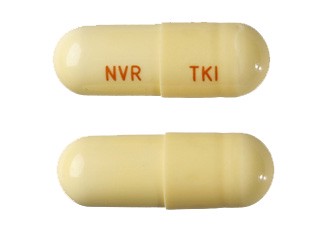
- Swallow capsules whole with water.
- Do not crush, open, or chew capsules unless your pharmacist specifically advises it.
If you miss a dose
- Follow the instructions supplied with your medicine or from your healthcare team.
- In general, do not take a double dose to make up for a missed one.
Dosing (General Information)
Dosing depends on the CML phase, prior treatment history, response, and safety monitoring. Your specialist will determine the correct dose and may adjust it based on blood results and side effects.
- Typical dosing pattern: twice daily dosing
- Possible dose adjustments: may be reduced or temporarily interrupted for safety concerns
- Monitoring affects dosing: blood counts, electrolytes, liver function, and cardiac monitoring are often assessed
For exact dosing instructions, always refer to the product information provided with your medicine and the plan agreed with your treating doctor.
Food Interactions (What to Avoid)
Food is one of the most important interaction categories for Tasigna. Taking nilotinib with food can significantly increase drug exposure, which may increase the risk of side effects.
Practical guidance
- Do not take with meals. Take only in your prescribed fasting window.
- Avoid grapefruit and Seville oranges (and sometimes other citrus products) because they can affect CYP3A4 activity.
- Be cautious with dietary supplements that may affect liver enzymes or blood counts.
Consistency matters
Try to keep your meal and fasting routines consistent across days so drug exposure stays as predictable as possible. If you need to change your eating schedule (e.g., work shifts), discuss it with your pharmacist.
Alcohol and Medicine Interactions
Alcohol
There is no single universal “safe amount” for alcohol with Tasigna for every individual. Alcohol may affect liver function and can contribute to dehydration or nausea—effects that may overlap with Tasigna’s side effects.
As a general approach:
- Limit alcohol while on treatment.
- Avoid binge drinking.
- Discuss alcohol use with your treating team, especially if you have liver issues or abnormal liver tests.
Medicine interactions (key risk area)
Because nilotinib is metabolised by CYP3A4, interactions can occur with medicines that either inhibit or induce this enzyme.
- CYP3A4 inhibitors (may raise Tasigna levels and side-effect risk): some antifungals, certain antibiotics, and other medicines may inhibit CYP3A4.
- CYP3A4 inducers (may lower Tasigna levels and reduce effectiveness): some seizure medicines (anti-epileptics) and certain herbal products can induce CYP3A4.
Always provide your pharmacist and treating doctor with a complete list of:
- prescription medicines
- over-the-counter products
- herbal medicines and supplements
- vitamins and “natural” remedies
This helps avoid accidental interactions that can affect both safety and effectiveness.
Safety Profile (What to Watch For)
Like all TKIs, Tasigna can cause side effects. Some are relatively common and manageable, while others require prompt assessment—especially those affecting the heart or blood counts.
Commonly reported side effects
- Fatigue
- Nausea
- Headache
- Skin rash or itching (varies by person)
- Muscle or bone pain
- Constipation or digestive symptoms
- Elevated liver enzymes on blood tests (may be symptom-free)
Important risks (need monitoring)
- Cardiac rhythm changes (QT prolongation): Tasigna may affect heart electrical signals in some people. Doctors may do baseline and follow-up ECGs (heart tracing) and blood tests for electrolytes.
- Electrolyte abnormalities: potassium, magnesium, and other electrolytes may change. This is one reason avoiding interacting medicines and maintaining hydration is important.
- Myelosuppression (lower blood counts): Tasigna can lower white blood cells, red blood cells, and platelets, increasing infection or bleeding risk.
- Pancreatic or hepatic issues: Rarely, inflammation may occur; symptoms can include abdominal pain or persistent nausea/vomiting.
Seek urgent medical help if
- you faint, feel severe dizziness, or have palpitations with feeling unwell
- you develop signs of serious infection (high fever, chills, severe sore throat)
- you have unusual bruising, bleeding, or black/tarry stools
- you experience severe or persistent abdominal pain
Practical Use Tips for Daily Life
- Create a “fasting routine”: keep consistent meal timing around your doses. Use phone reminders to reduce missed-dose risk.
- Keep a medicine list: carry or store an up-to-date list of all medicines and supplements.
- Attend monitoring appointments: blood tests and heart checks are key parts of safe therapy.
- Stay aware of new medicines: inform your doctor before starting antibiotics, antifungals, or new OTC products.
- Hydration and electrolytes: discuss appropriate fluids and diet, especially if you have vomiting/diarrhoea.
- Manage nausea early: ask your pharmacist about supportive strategies (timing, diet, or anti-nausea options).
If you feel your side effects are worsening, do not stop Tasigna on your own—contact your treating team promptly. Adjustments and supportive treatments are often possible.
Alternative Options
Treatment for CML commonly involves TKIs. Alternatives may be considered based on disease phase, prior response, side effects, and safety factors such as heart rhythm risk.
Potential alternative TKI options (examples) include:
- imatinib
- dasatinib
- bosutinib
- ponatinib
- other targeted therapies in specific situations
Which alternative is appropriate depends on your individual clinical factors. Your haematology team can explain benefits and risks of each option and how they compare with nilotinib.
Market, Regulatory, and Legal Context for Australia
In Australia, medicines such as Tasigna (nilotinib) are supplied under the Australian Register of Therapeutic Goods (ARTG) and are subject to prescribing and dispensing rules set out by Australian health authorities and state/territory requirements.
Access to cancer medicines is typically coordinated through specialist care and dispensing pathways. An online pharmacy may require appropriate documentation and verification processes consistent with Australian regulations.
Availability can vary by pharmacy stock and supply timelines. If your dose schedule is time-critical, ask about dispatch cut-off times and expected delivery windows.
Recent Guidance and Monitoring Considerations
Clinical practice for CML continues to evolve, including how closely clinicians monitor:
- Response milestones using blood and molecular tests
- Safety, especially cardiac monitoring and electrolyte checks where relevant
- Drug–drug interactions, particularly with medicines that affect CYP3A4 activity
- Adherence and nutrition, because empty-stomach dosing is central to nilotinib exposure
If you have recently been switched to Tasigna or changed dose, your doctor may schedule more frequent reviews early on. Always follow local advice provided with your medicine and your clinician’s care plan.
Delivery and Availability (Australia)
Tasigna availability depends on supplier arrangements and current inventory. Online pharmacies in Australia typically arrange secure packaging and careful handling of prescription medicines where applicable under local rules.
- Check stock: availability may change. If out of stock, ask about expected restock dates.
- Packaging: keep capsules in their original packaging to protect against moisture and to maintain identification.
- Delivery timeframe: delivery often depends on location and courier schedules across Australia.
- Discreet delivery: many pharmacies use plain packaging for privacy.
After receiving your medicine, confirm that:
- the strength and quantity match your supply
- the expiry date is valid
- the capsules and packaging are intact
Storage
- Store according to the instructions on the pack (commonly at controlled room temperature).
- Keep out of reach of children.
- Protect from excessive heat and moisture.
- Do not use after the expiry date.
FAQ
1) What is Tasigna used for?
Tasigna (nilotinib) is used to treat certain types of chronic myeloid leukaemia (CML) based on the disease phase and genetic features. Your specialist determines whether it suits your situation.
2) Can I take Tasigna with food?
Tasigna needs to be taken on an empty stomach. Food can increase nilotinib exposure and may increase side-effect risk. Follow the exact fasting instructions provided by your pharmacy or clinician.
3) How often is Tasigna taken?
Many regimens use twice daily dosing. Your exact dose and schedule depend on your condition and monitoring.
4) What medicines should I avoid with Tasigna?
Many interactions are possible, especially with medicines that affect CYP3A4. It’s important to give your pharmacist a full list of prescription medicines, OTC products, and supplements so they can check compatibility.
5) Are there restrictions with alcohol?
Alcohol may affect the liver and can worsen side effects in some people. If you drink alcohol, discuss it with your treating team and avoid heavy drinking.
6) What monitoring will I need while taking Tasigna?
Monitoring often includes blood tests (blood counts and chemistry), liver tests, and sometimes ECG checks for heart rhythm, as well as electrolyte monitoring. The frequency depends on your treatment stage and safety profile.
7) What side effects are most important to watch?
Seek urgent medical advice if you have severe dizziness, fainting, symptoms of serious infection, unusual bleeding, or severe/persistent abdominal pain. Heart rhythm and electrolyte effects are particularly important for monitoring.
8) What if I miss a dose?
Do not take a double dose. Follow the missed-dose guidance provided by your healthcare team or the medication instructions supplied with your medicine.
9) Are there alternatives to Tasigna?
Yes. Other TKIs may be considered depending on your disease stage, prior treatment history, and safety factors. Discuss options with your haematology specialist.
10) How can I get Tasigna in Australia?
Availability and ordering depend on pharmacy stock and regulatory processes. If you are ordering online, confirm delivery timelines, packaging, and availability before you run low on your current supply.
Important: This information is a general guide. Always follow the specific instructions provided by your clinician and pharmacist, because dosing schedules, monitoring frequency, and interaction checks can vary based on individual circumstances.