

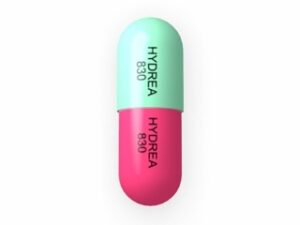

Hydroxyurea (Hydroxycarbamide) — Patient-Friendly Guide (Australia)
Hydroxyurea (also known as hydroxycarbamide) is a medicine used for certain blood disorders and other conditions where slowing the growth of abnormal cells is helpful. It is taken by mouth and works by interfering with how cells make DNA, helping to reduce overproduction of specific blood cells.
This guide explains how Hydroxyurea works, how it behaves in the body, when and how it’s taken, what to watch for, and practical tips to help you use it safely. It also includes information relevant to Australia, including safety monitoring and availability.
Basic product information
| Category | Details |
|---|---|
| Generic name | Hydroxyurea (Hydroxycarbamide) |
| What it is used for | Certain myeloproliferative neoplasms and selected clinical conditions (see “Indications”) |
| How it’s taken | Oral capsules or tablets (strengths vary by brand) |
| Common side effects | Low blood counts, tiredness, mouth ulcers, nausea, skin changes |
| Key monitoring | Regular blood tests (full blood count) and kidney/liver assessment as advised |
| Important notes | Dose adjustments may be needed based on blood counts and side effects |
How Hydroxyurea works (mechanism of action)
Hydroxyurea is a cell cycle–active medicine. Its main effect is to interfere with the production of DNA so that rapidly dividing cells slow down.
- Ribonucleotide reductase inhibition: Hydroxyurea blocks an enzyme needed for DNA building blocks, reducing DNA synthesis.
- Reduced overproduction of blood cells: In conditions like polycythaemia vera and other myeloproliferative disorders, it helps lower elevated blood cell counts.
- May reduce risk of certain complications: By controlling blood counts, it can help lower the risk of clotting events in appropriate patients.
Hydroxyurea is not a “cure” for these conditions in most cases. Instead, it helps control disease activity and blood counts over time.
Pharmacokinetics (how it moves through the body)
Pharmacokinetics describe what the body does to a medicine. The exact profile can vary between individuals and with dose, but key general points include:
- Absorption: Hydroxyurea is absorbed after oral dosing; food can affect peak timing (see “Food interactions”).
- Distribution: It reaches many tissues, including bone marrow where it influences blood cell production.
- Metabolism: It is metabolised primarily in the liver.
- Elimination: The medicine and its metabolites are cleared mainly through the kidneys.
- Half-life: Hydroxyurea has a biologically relevant half-life that supports once-daily or alternative schedules used in practice, depending on the condition and regimen.
Because Hydroxyurea affects rapidly dividing cells, blood counts are monitored to guide dosing rather than relying solely on symptoms.
Typical uses (indications)
In Australia, Hydroxyurea is used for specific clinical indications, commonly including:
-
Myeloproliferative neoplasms (MPNs):
- Polycythaemia vera (to help control high red blood cell counts and reduce complications)
- Essential thrombocythaemia (to reduce elevated platelet counts in selected patients)
- Primary myelofibrosis or post–polycythaemia vera myelofibrosis/post–essential thrombocythaemia myelofibrosis (symptom and count control in selected settings)
-
Sickle cell disease (selected cases):
- Hydroxyurea can help increase fetal haemoglobin (HbF) and reduce frequency of certain complications in patients where it is indicated.
-
Other specialist uses:
- In some situations, it may be used for other blood-related disorders under specialist care where benefits are expected.
The exact reason you’re taking Hydroxyurea should be confirmed with your treating clinician, as the dosing schedule and monitoring plan depend on the indication.
When to take Hydroxyurea (timing and routine)
Hydroxyurea is usually taken once daily at the same time each day. Some regimens use a different schedule (for example, due to blood count response). Your local prescriber’s plan should be followed.
- Pick a consistent time: Morning or evening is fine; choose a time that helps you remember.
- Follow the schedule exactly: Many patients take capsules/tablets daily, but dosing frequency may be adjusted.
- Do not “double up”: If you miss a dose, take advice from your healthcare team on what to do next.
- Coordinate with blood test days: Dose adjustments are often based on results; keep appointments even if you feel well.
How to take it (practical use tips)
- Swallow whole: Take capsules/tablets as directed. Do not crush unless specifically instructed by a healthcare professional.
- Handling precautions: If the tablet/capsule breaks or contents touch skin, rinse skin well with water. If it contacts eyes or mouth, rinse thoroughly and seek advice.
- Hydration: Drink water as usual. Stay well-hydrated unless you’ve been told otherwise.
- Oral care: Mouth ulcers can occur; maintain good oral hygiene and seek advice early if sore spots develop.
- Monitor symptoms: Report infections, unusual bruising, bleeding, or severe fatigue promptly.
Food interactions (with meals)
Food may influence the timing of absorption and peak blood levels, though it generally does not completely prevent absorption.
- General approach: Take Hydroxyurea in a consistent way—either always with food or always on an empty stomach—unless your clinician advises otherwise.
- If nausea occurs: Taking it with food may help some people. If you change how you take it, keep it consistent and let your clinician/pharmacist know.
- Grapefruit and similar foods: There is no universal grapefruit restriction for Hydroxyurea as with some other medicines, but it’s still wise to discuss major dietary supplements with your healthcare team.
Alcohol interactions
Hydroxyurea does not have a single, universal “danger” interaction with alcohol, but alcohol can worsen certain side effects or complicate monitoring.
- Blood counts: Alcohol can affect bone marrow and immunity in some people, which may add to risks of low blood counts.
- Liver effects: If you drink alcohol regularly or heavily, it may increase strain on the liver. Hydroxyurea is metabolised in the liver.
- Nausea and fatigue: Alcohol can increase tiredness and nausea, which are already potential side effects.
For safety, it’s best to discuss alcohol use with your clinician. If you choose to drink, consider keeping intake low and not drinking during episodes of illness, infection, or when side effects are prominent.
Medicine interactions (key interactions to discuss)
Interactions can occur when another medicine changes Hydroxyurea’s effect, increases side effects, or affects blood counts. Always tell your healthcare professional about all medicines and supplements you take.
Common interaction categories include:
- Other medicines that lower blood cells: Combining Hydroxyurea with other therapies that suppress bone marrow may increase the risk of infection, anaemia, or bleeding.
- Medicines affecting kidneys or liver: Because Hydroxyurea is cleared partly via the kidneys and metabolised in the liver, medicines that significantly alter kidney or liver function may require monitoring or dose adjustments.
- Radiation or other cancer therapies: If you are receiving treatments affecting blood counts, schedules and monitoring may need to be coordinated.
- Vaccines: If your immune system is weakened due to low counts, some vaccines may be less suitable. Ask before receiving any vaccine.
- Antiretrovirals or other complex regimens: Some medications can influence drug levels or effects. Check with your pharmacist for your specific list.
Tell your pharmacist about:
- All prescription and non-prescription medicines
- Herbal products and supplements (for example, those affecting immunity)
- Any planned procedures or chemotherapy/radiotherapy
Dosing: what to expect
Hydroxyurea dosing is individualised and depends on your condition, blood counts, age, kidney function, and treatment response.
- Typical approach: A starting dose is chosen, then adjusted based on blood test results (a “titrate to response” strategy).
- Blood count targets: Clinicians aim for adequate disease control while avoiding excessive suppression of blood cells.
- Renal impairment: Lower starting doses or closer monitoring may be needed if kidney function is reduced.
- Missed doses: Do not change the dose without advice from your healthcare team.
Because dosing varies widely, you should follow the dose written for you. Your doctor or pharmacist can explain:
- Your exact schedule (for example, daily vs alternative dosing days)
- Which blood tests to use for adjustments
- When to expect response
Effectiveness and time to response
Response can take time. Many patients begin to see changes in blood counts over weeks, with ongoing improvements as dosing is adjusted.
- Early phase: Blood counts are monitored closely to determine how your body responds.
- Longer term: Your regimen may stabilise once an effective and safe dose is reached.
If you feel worse early on, it does not necessarily mean the medicine isn’t working—however, infections, fever, or bleeding are reasons to seek medical advice promptly.
Safety profile and side effects
Hydroxyurea can cause side effects, largely related to its effects on rapidly dividing cells, including bone marrow and the lining of the mouth and gut.
Common side effects
- Low blood counts (anaemia, low white blood cells, low platelets) — often detected on blood tests
- Tiredness or reduced energy
- Mouth ulcers (sore mouth, mouth sores)
- Nausea or mild stomach upset
- Skin changes (including darkening of skin in some patients)
- Hair thinning or changes in hair texture (varies)
Serious side effects — seek urgent medical help
Contact your healthcare provider urgently or seek emergency care if you experience:
- Fever (especially if you’re feeling unwell) or signs of infection
- Unusual bleeding (gums, nose) or severe bruising
- Shortness of breath or chest pain
- Severe mouth ulcers preventing eating/drinking
- Severe rash, swelling of the face, or breathing difficulties
Long-term considerations
- Ongoing monitoring is important: Regular full blood counts help keep risk low.
- Skin: In some people, skin changes can occur over time. Report any non-healing sores or new persistent lesions promptly.
- Fertility and pregnancy planning: Hydroxyurea may affect fertility and is generally not recommended in pregnancy due to potential risks to the developing baby (see “Pregnancy and breastfeeding”).
Pregnancy, breastfeeding, and fertility
Hydroxyurea may be harmful to a developing fetus. If pregnancy is possible, effective contraception is strongly advised. Discuss family planning with your clinician before starting or continuing Hydroxyurea.
- Pregnancy: Avoid unless specifically advised by your treating specialist.
- Breastfeeding: Discuss with your clinician; many therapies are not recommended during breastfeeding.
- Fertility: Your healthcare team can advise about options before treatment and risks during therapy.
Practical monitoring: what you’ll likely do during treatment
Hydroxyurea requires regular blood tests to ensure the dose remains safe and effective.
- Full blood count (FBC): helps track red blood cells, white blood cells, and platelets.
- Kidney and liver tests: may be checked depending on your situation.
- Symptom reviews: your clinician will ask about infections, bleeding, mouth sores, and overall wellbeing.
Keep a simple record of your doses and any side effects, including when they start and how severe they are. This can make dose adjustments easier.
Practical tips to reduce side effects
-
Prevent and treat mouth sores early:
- Use a soft toothbrush
- Rinse gently with recommended mouthwash
- Avoid spicy/acidic foods if they trigger pain
-
Infection precautions:
- Wash hands often
- Avoid close contact with people who are actively sick
- Seek medical advice promptly if fever occurs
-
Energy management:
- Prioritise rest
- Light activity as tolerated
- Report worsening fatigue or breathlessness
-
Skin care:
- Use sunscreen
- Check skin regularly and report non-healing lesions
-
Medication adherence:
- Use a pill organiser
- Set a daily alarm
- Keep a list of your medicines for appointments
Alternative options
Alternatives depend on the condition being treated. For many blood disorders, clinicians may use one or more of the following approaches in combination.
-
Other cytoreductive medicines (MPNs):
- Interferon-based therapies in selected patients
- Other agents may be considered based on risk profile and tolerability
-
Supportive care:
- Blood count monitoring and dose adjustments
- Iron management (when needed)
- Symptom-targeted treatment
-
For sickle cell disease:
- Specialised disease-modifying treatments may be considered depending on availability and patient factors
- Transfusion strategies may be used in some circumstances
-
Lifestyle and prevention measures:
- Hydration and infection prevention may complement therapy
- Smoking cessation and cardiovascular risk management can be important in MPNs
Only your treating clinician can determine which option is most appropriate for you. If you’re concerned about side effects or monitoring burden, discuss possible changes rather than stopping suddenly.
Hydroxyurea in Australia: market and legal context
In Australia, medicines are regulated by the Therapeutic Goods Administration (TGA). Hydroxyurea-containing products are available as registered medicines and may be supplied through community pharmacies and hospital pharmacy services depending on the product and indication.
In addition to general medicine supply rules, Hydroxyurea is subject to careful handling considerations due to its mechanism of action and potential risks to staff during compounding and handling. Patients should follow the handling precautions described on the label and the pharmacy counselling they receive.
Staying informed: Guidance can evolve as new evidence emerges. Your pharmacist or specialist clinic can confirm the latest recommended approach for monitoring and dosing for your specific condition.
Recent guidance and best-practice monitoring (overview)
While local protocols may differ, best-practice care for patients taking Hydroxyurea typically includes:
- Regular full blood counts with clear dose adjustment thresholds.
- Close monitoring for infections and bleeding tendencies.
- Individual dose titration to achieve disease control while limiting toxicity.
- Awareness of cumulative skin changes and prompt assessment of unusual lesions.
- Medication reconciliation to reduce interaction risks.
If you’re starting Hydroxyurea or your dose has changed, ask your pharmacist what monitoring schedule applies to you and which symptoms should trigger urgent contact.
Delivery and availability (Australia)
Availability can vary by brand, strength, and supply chain. An online pharmacy may provide:
- Home delivery within Australia (subject to local delivery service availability and product status)
- Packaging that protects the medicine and maintains integrity of capsules/tablets
- Pharmacist counselling at the time of supply where required or requested
Delivery timeframes differ based on whether stock is immediately available. Your order confirmation should include estimated dispatch and shipping details. If the requested strength is temporarily unavailable, your pharmacy may offer suitable alternatives based on product listing and clinical appropriateness.
Storage
- Store at room temperature unless the label states otherwise.
- Keep in the original packaging to protect from moisture and to identify the product.
- Keep out of reach of children.
- Do not use after expiry date on the pack.
FAQ — Hydroxyurea
1) How long does it take Hydroxyurea to work?
Many people notice changes in blood counts within weeks. Full stabilisation can take longer while your dose is adjusted based on regular blood tests.
2) What blood tests will I need?
Typically, you’ll have regular full blood counts (FBC/FBC with differential). Your clinician may also monitor kidney and liver function depending on your health and indication.
3) What should I do if I miss a dose?
Advice varies by schedule and your clinician’s plan. In general, don’t double up. Contact your pharmacist or treating team for guidance specific to your regimen and timing.
4) Can I take Hydroxyurea with food?
Many people can take it with or without food. The most important thing is consistency. If nausea occurs, taking it with food may help, but let your clinician/pharmacist know if you plan to change your routine.
5) What are early signs that I should seek help?
Seek urgent advice if you develop fever, signs of infection, unusual bleeding, severe mouth ulcers, or severe rash or breathing difficulties.
6) Will Hydroxyurea make me feel tired?
Tiredness is a common side effect, and it can also relate to lower blood counts. Report worsening fatigue, dizziness, breathlessness, or paleness.
7) Is it safe to drink alcohol while taking Hydroxyurea?
Moderate alcohol may be possible for some people, but it can worsen tiredness, nausea, and potentially add stress to the liver. Discuss your personal situation with your clinician.
8) Can I take other medicines or supplements with Hydroxyurea?
Many medicines and supplements can interact or increase side effects. Provide a full list to your pharmacist for a safety check, including herbal products.
9) Does Hydroxyurea affect fertility or pregnancy?
Hydroxyurea may carry risks to a developing baby and may affect fertility. Effective contraception is generally recommended during treatment, and you should discuss pregnancy or breastfeeding plans with your clinician.
10) What should I do about mouth sores?
Contact your healthcare team early if you get mouth ulcers. Good oral hygiene and gentle rinsing strategies can help, but dose adjustments may be needed for severe symptoms.
Important: This information is for general education. Your individual treatment plan—including dose, monitoring frequency, and what to do if side effects occur—should be based on your diagnosis and your clinician’s instructions.