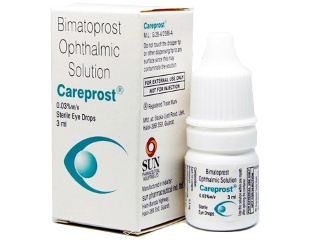
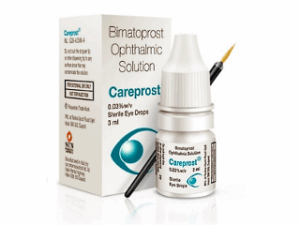
Careprost (Bimatoprost) — Patient Guide
Careprost is a brand of bimatoprost, a medicine used to lower pressure inside the eye and/or help improve the appearance of eyelashes in appropriate patients. If you’re considering Careprost, it helps to understand how it works, how to use it safely, and what to expect.
This patient-friendly guide is written for an online pharmacy audience in Australia. It covers key information including mechanism of action, timing, dosing, interactions, safety, practical tips, alternatives, and frequently asked questions.
Basic Product Information
| Feature | Details |
|---|---|
| Medicine | Careprost |
| Active ingredient | Bimatoprost |
| Typical form | Ophthalmic solution (eye drops) |
| Common strength (varies by product) | Often supplied as a 0.03% bimatoprost solution for ocular use |
| How it works | Helps reduce intraocular pressure and may promote eyelash growth |
| Main uses | Glaucoma/ocular hypertension; and cosmetic/eyelash indications where authorised |
Important: Product strength and exact indications can vary by the specific authorisation and country. Always check the packaging or patient information provided with the exact Careprost product you receive.
How Careprost Works (Mechanism of Action)
Bimatoprost belongs to the prostaglandin-related medicines (a prostamide). It works by:
- Improving fluid drainage from inside the eye, which can help lower intraocular pressure (IOP).
- Promoting changes in cells and tissues around hair follicles, which may contribute to eyelash thickening and growth in cosmetic use (where authorised and appropriate).
By lowering eye pressure, Careprost may help slow damage associated with conditions such as glaucoma and ocular hypertension. For eyelash appearance, results develop gradually over time.
Pharmacokinetics (What the Body Does to the Drug)
After ophthalmic use, bimatoprost is absorbed through ocular tissues. While much of its activity is local in the eye, some absorption can occur.
- Absorption: Bimatoprost can penetrate the cornea and reach intraocular tissues.
- Distribution: It may distribute to ocular compartments and tissues.
- Metabolism: It is metabolised in the body, including pathways involving de-esterification and oxidation.
- Elimination: Metabolites are primarily cleared through kidneys and/or liver-related processes.
Clinical takeaway: Because dosing is typically once daily and effects last through the day, consistent timing is important. Systemic exposure is generally low compared with oral medicines.
Typical Use and Indications
Careprost may be used for:
- Reduction of elevated intraocular pressure in people with open-angle glaucoma or ocular hypertension.
- Improvement in eyelash appearance (for appropriate indications and product authorisations).
Not every patient will be suitable. Your eye condition, medical history, and risk factors (e.g., eye inflammation or prior eye surgery) can influence whether Careprost is appropriate.
How to Take Careprost: Dosing and Timing
Careprost is usually applied as one drop once daily to the affected eye(s), depending on the indication and prescriber/label instructions.
Typical dosing (general guidance)
- Ocular (eye pressure) use: A common regimen is one drop in the affected eye(s) once daily, often in the evening.
- Eyelash appearance use (where authorised): Application is usually to the upper eyelid lash line as directed on the product information.
Follow the exact instructions included with your product. If you’re unsure about which eye or eyelid to apply to, check with a healthcare professional.
Best timing
- Many bimatoprost regimens are taken in the evening (for example, before bed).
- Try to use it at the same time each day to maintain consistent effect.
How to apply correctly (practical step-by-step)
- Wash your hands.
- If wearing contact lenses, remove them before applying eye drops.
- For eye drops: Tilt your head back, gently pull down the lower eyelid to create a small pocket.
- Hold the bottle above the eye and apply one drop without touching your eye or eyelids to the nozzle.
- Close your eye and press lightly on the inner corner of the eye (near the nose) for about 1 minute if advised. This may reduce drainage to the rest of the body.
- Wipe away excess liquid with a clean tissue.
- Repeat for the other eye if instructed.
For eyelash application (cosmetic indication where authorised): Application instructions can differ. Use only the method and area described on the product and avoid getting solution into the eye.
Food Interactions
Because Careprost is applied to the eye, food interactions are not expected to be clinically significant. However, your overall medication routine may include oral medicines that interact through other pathways.
- Take oral medications as prescribed.
- If you experience nausea, dizziness, or other symptoms after starting Careprost, contact a healthcare professional to assess the cause.
Alcohol and Medicine Interactions
Alcohol: There are no specific, well-established direct interactions between alcohol and bimatoprost eye drops. Still, alcohol can worsen dryness or irritation in some people, which may make eye discomfort feel worse.
Medicine interactions: In general, topical eye medicines have fewer systemic interactions. However, it’s important to consider:
- Other eye drops: Using multiple eye drops requires correct spacing to avoid diluting or washing out earlier drops.
- Prostaglandin-related medicines: Using two similar eye medicines together may increase side effects such as redness, irritation, or eyelash changes.
- Anti-inflammatory medicines: Corticosteroids or non-steroidal anti-inflammatory drops used around the eye may affect outcomes in certain conditions.
Always tell your eye doctor or pharmacist about all medicines you use, including:
- Other glaucoma/IOP drops
- Artificial tears and lubricating gels
- Any eye ointments or gels
- Herbal products or supplements
Spacing with other eye drops
If you use more than one eye product:
- Wait at least 5–10 minutes between different eye drops unless your clinician advises otherwise.
- Use thicker eye gels/ointments last.
Safety Profile: Side Effects and When to Seek Help
Like all medicines, Careprost can cause side effects. Many are mild and improve as your eyes adjust, but some need prompt medical attention.
Common side effects
- Eye redness (conjunctival hyperaemia)
- Stinging/burning sensation after application
- Itching or irritation
- Dry eye or a gritty feeling
- Increased eyelash growth (where applicable) and eyelash darkening
- Changes around the eyelid (e.g., mild irritation)
Possible changes in eye appearance
- Brown pigmentation around the eye (iris or eyelid area) has been reported in some patients, particularly with prolonged use.
- Some patients notice eyelash thickening and changes in length.
These changes are not necessarily harmful, but you should discuss any cosmetic or pigment changes with your eye care professional—especially if they are progressive or unexpected.
Less common but serious risks — seek urgent medical advice
Contact an eye doctor or seek urgent care if you experience:
- Severe eye pain or worsening discomfort
- Significant or persistent blurred vision
- Marked swelling of the eyelids or face
- Signs of eye infection (e.g., thick discharge, intense redness, fever)
- Light sensitivity or severe photophobia
- New inflammation inside the eye (uveitis symptoms)
Who should be extra cautious?
Before using Careprost, discuss with your healthcare professional if you have:
- A history of eye inflammation (uveitis)
- Eye injury or recent eye surgery
- Corneal disease or severe dry eye
- Conditions that increase risk of macular problems (e.g., some retinal conditions)
- Known sensitivity to any ingredient in the formulation
Practical Use Tips for Best Results
- Use consistently: Missing doses can reduce effectiveness in lowering eye pressure.
- Apply correctly: Avoid touching the bottle tip to your eye or eyelid.
- Contact lenses: Remove lenses before use. Reinsert after an appropriate interval as advised on your product label (commonly after at least 15 minutes).
- Aftercare: If you get drops on your skin, gently wipe—especially if you have sensitive skin.
- Manage dryness: Use preservative-free artificial tears if recommended and spaced properly.
- Watch for changes: Mild redness is common; severe irritation or pain is not.
- Don’t double dose: If you miss a dose, use it when you remember unless it’s close to the next scheduled dose; then continue your regular routine.
What to expect (time course)
- Eye pressure lowering: Effects may become noticeable within days, with peak effects often developing over time.
- Eyelash appearance: Growth changes usually develop gradually over weeks, with continued improvement over months (depending on the person and indication).
If your eye doctor monitors IOP, attend scheduled check-ups so they can measure response and adjust treatment if needed.
Alternative Options
Depending on the reason you’re using Careprost (IOP control vs eyelash appearance), other options may be considered. Alternatives could include different classes of glaucoma medicines or cosmetic eyelash treatments (where authorised).
Glaucoma/IOP-lowering alternatives (examples)
- Other prostaglandin analogues/prostamide medicines (may have similar side effects such as redness or eyelash changes)
- Beta-blocker eye drops
- Alpha-agonists
- Carbonic anhydrase inhibitors
- Combination drops if multiple agents are needed
Eyelash appearance alternatives
- Other eyelash growth serums (where legally supplied and appropriate)
- Cosmetic alternatives (e.g., lash conditioners, extension techniques)
Note: The best alternative depends on your eye health, tolerance of side effects, and treatment goals. A pharmacist or optometrist/ophthalmologist can help you compare options.
Australia: Market, Legal and Guidance Context
In Australia, eye medicines are supplied through regulated channels and must meet Australian regulatory requirements. Guidance for glaucoma and ocular health is typically provided by Australian clinical practice and professional bodies.
Important considerations for Australian customers:
- Only obtain medicines from reputable suppliers that comply with Australian pharmacy standards.
- Check the product packaging for Australian labelling and correct strength.
- Be cautious of products that look similar but may be unauthorised or have different ingredients/strengths.
Recent guidance (general themes): Australian eye care practice continues to emphasise:
- Regular monitoring of intraocular pressure and optic nerve status for glaucoma
- Recognising and managing ocular surface side effects (dry eye/redness)
- Ensuring correct drop technique and adherence
- Prompt evaluation of patients with pain, significant visual change, or inflammation
If you have glaucoma or suspected glaucoma, do not delay eye examinations. Drops are part of long-term management, not a replacement for ongoing assessment.
Delivery and Availability (Online Pharmacy)
Availability can vary depending on supplier stock levels and packaging formats. If you’re ordering online in Australia, look for:
- Clear product details (active ingredient, strength, pack size)
- Estimated delivery times for your location
- Proper packaging to prevent leakage and protect the bottle
- Storage guidance on the product label
Typical delivery timelines depend on the courier service and whether an item is held in local warehouse stock. If you need a reliable supply, consider ordering before you run out.
Storage Information
To maintain medicine quality:
- Store the bottle as directed on the label (commonly at room temperature, away from direct heat or sunlight).
- Keep the container tightly closed when not in use.
- Keep out of reach of children.
- Do not use beyond the expiry date or if the solution appears discoloured or contaminated.
Careprost FAQ
1) What is Careprost used for?
Careprost (bimatoprost) is used mainly to help reduce intraocular pressure in conditions such as open-angle glaucoma or ocular hypertension. In some authorised settings, it may also be used to improve eyelash appearance. Your product’s label will specify the authorised indication.
2) How long does it take to work?
For eye pressure control, effects may begin within days, with continued benefit over time. For eyelash appearance, noticeable changes often take weeks to months. Consistent daily use is important.
3) When should I apply the drop?
Many regimens use once daily and are often applied in the evening. Use it at the same time each day and follow the instructions provided with your exact product.
4) Can I use Careprost with contact lenses?
Remove contact lenses before applying the drop. Reinsert after the recommended interval stated on your product label or advised by your eye care professional.
5) What if I miss a dose?
Use it when you remember unless it is close to the next scheduled dose. If it’s nearly time for your next dose, skip the missed one and continue your normal routine. Do not apply double to make up for a missed dose.
6) Does food affect Careprost?
Food interactions are not expected to be clinically significant because Careprost is used in the eye. Focus instead on correct drop technique and spacing with other eye products if you use them.
7) Can I drink alcohol while using Careprost?
There is no well-known direct interaction. However, alcohol can contribute to dryness or irritation, which may make eye symptoms more noticeable in some people.
8) What are the common side effects?
Common effects include eye redness, mild stinging/burning, irritation, and dry eye. In eyelash indications, eyelash changes such as darkening or increased length can occur.
9) Are pigmentation changes possible?
Some patients may develop increased pigmentation around the eye or changes in iris pigmentation over time. Discuss any progressive or concerning changes with your eye care professional.
10) When should I stop and get medical help?
Seek urgent medical advice if you develop severe eye pain, significant or persistent blurred vision, pronounced swelling, light sensitivity, or symptoms of infection/inflammation.
11) Are there alternatives?
Yes. Depending on your condition, other eye pressure medicines may be suitable (such as beta-blockers, alpha-agonists, or carbonic anhydrase inhibitors). For eyelash appearance, other authorised products or cosmetic options may be considered. A clinician can help choose the safest alternative.
12) How should I store Careprost?
Store as directed on the label, keep the bottle closed, protect from heat and sunlight, and check expiry. Do not use if the solution appears contaminated or discoloured.
Final Notes
Careprost (bimatoprost) can be an effective option for reducing intraocular pressure and/or improving eyelash appearance in appropriate patients. The most important factors for safe and effective use are: correct application technique, consistent daily timing, awareness of common side effects, and prompt medical attention if serious symptoms occur.
If you have questions about suitability, side effects, or how to combine Careprost with other eye products, speak with a pharmacist or eye healthcare professional.