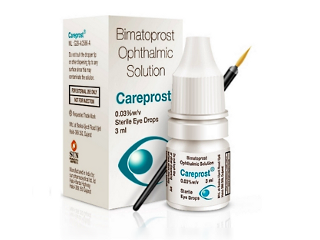
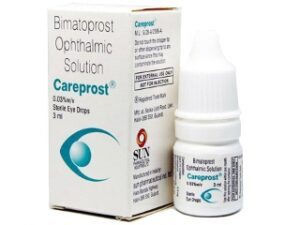
Careprost + Applicators (Bimatoprost) – Patient Guide (Australia)
Careprost + Applicators is a convenient eyelash-growth medicine containing bimatoprost. It is used by eligible people to improve the appearance of eyelashes—particularly to help eyelashes look longer, thicker, and darker.
This guide is designed to be patient-friendly and to explain how the medicine works, how it’s used safely, and what to expect. It also covers important interactions, timing, practical tips, and frequently asked questions.
Key Product Information
- Active ingredient: Bimatoprost
- Presentation: Careprost solution + applicators
- Typical use: Eyelash growth / enhancement (cosmetic appearance)
- Route of administration: Ophthalmic use (applied to the upper and/or lower eyelid margin)
Note: Brand availability and exact packaging may vary. Always check the specific product label for strength, directions, and expiry date.
How Bimatoprost Works (Mechanism of Action)
Bimatoprost belongs to a class of medicines related to prostaglandins. In simple terms, it helps encourage the eyelash growth cycle by affecting signalling pathways in the tissues around the lash follicle.
- Increased time in the growth phase: Eyelash follicles shift toward a more active growth pattern.
- Enhanced follicle activity: This can result in eyelashes that appear longer and fuller.
- Pigmentation effects: With use, lashes may look darker.
For many people, changes are gradual and become noticeable over weeks rather than days.
Pharmacokinetics (What the Body Does to the Medicine)
When applied to the eyelid margin, bimatoprost is absorbed into ocular and peri-ocular tissues. Although only a small amount typically reaches systemic circulation, understanding key principles can help set expectations.
- Absorption: Primarily local uptake in the eye/eyelid area.
- Distribution: The medicine acts mostly at or near the site of application.
- Metabolism: Bimatoprost is broken down in the body (details depend on individual factors and metabolism pathways).
- Elimination: Metabolites are cleared primarily through normal body excretion processes.
In most users, systemic exposure is low when used as directed for eyelash application. If you have underlying eye conditions or concerns, it’s wise to discuss use with an eye health professional.
What Careprost + Applicators Is Used For
Careprost + Applicators (bimatoprost) is used to improve the appearance of eyelashes by making them appear longer, fuller, and darker.
It is not intended to treat infections, eye diseases, or vision problems. If you have eye pain, redness that persists, discharge, or blurred vision, stop use and seek advice promptly.
Who Should Use It (Indications and Suitability)
You may consider bimatoprost eyelash treatment if:
- You are seeking improvement in eyelash appearance.
- You can follow the daily application routine carefully.
- You have no contraindications listed for bimatoprost and no active eye irritation or injury on the eyelid margins.
Extra caution / seek professional advice first if you:
- Wear contact lenses (and especially if you experience irritation).
- Have a history of eye inflammation, uveitis, or other ocular inflammatory conditions.
- Have had eye surgery or are planning eye procedures.
- Have eczema or sensitive skin around the eyes.
- Use multiple eye-area medications and need a plan to avoid interactions.
Dosing and How to Apply (Typical Schedule)
Typical dosing: Apply once daily, usually in the evening, to the upper eyelid margin (and sometimes lower, if advised by your product instructions).
How to dose (general guidance):
- Wash and dry your hands.
- Remove eye makeup.
- Using the applicator, place a small, controlled amount along the lash line (the skin just above the lashes or the eyelid margin depending on your product instructions).
- Avoid getting solution directly into the eye.
- Let it dry before using other eye products (if you’re instructed to).
Do not:
- Apply more than once daily.
- Apply to the eye surface (unless your clinician specifically instructs you to).
- Share applicators or touch the applicator tip to the eye or skin beyond the instructed area.
If you miss a dose: Apply the next dose at the usual time. Do not apply double the amount to “catch up.”
Timing: When Results Typically Appear
Bimatoprost results are gradual. Many people notice early changes within a few weeks, while full improvement often takes longer.
- Early signs: about 4–8 weeks (varies widely)
- More noticeable improvement: around 8–12 weeks
- Ongoing changes: may continue with consistent daily use
After you stop using bimatoprost, the appearance of eyelashes typically returns toward baseline over time.
Food Interactions
Because Careprost + Applicators is used in the eye area and systemic absorption is low, food interactions are not expected to be clinically important.
However, it’s still important to:
- Follow your healthcare professional’s advice for any other medicines you take.
- Be aware of general medication safety—especially if you use multiple eye drops/creams.
Alcohol and Medicine Interactions
Alcohol: There are no well-established direct alcohol interactions with eyelash bimatoprost. Still, if alcohol causes you to rub your eyes more frequently or worsen dryness, it may increase irritation.
Medicine interactions: Potential interactions are mainly about effects on the eye and eyelids. Consider professional advice if you use other eye medications, including:
- Other prostaglandin analogues (eye medicines may affect pigmentation, redness, or other local effects).
- Multiple ophthalmic drops used at the same time (to avoid washing out the bimatoprost application).
- Anti-inflammatory eye drops (your eye specialist may want to monitor response).
Practical tip for other eye products: If you use any other prescription or over-the-counter eye drops, ask your pharmacist how to space them. As a general rule, waiting between different eye products helps reduce dilution and irritation. Always follow the directions on each product label.
Safety Profile: Common and Serious Side Effects
Most people tolerate bimatoprost well when used correctly. Side effects are generally related to local eye/eyelid tissue.
Common side effects
- Redness of the eye
- Itching or mild irritation
- Dryness or a sensation of something in the eye
- Darkening of eyelid skin or increased eyelid pigmentation
- Increased length/thickness and potentially pigmentation of eyelashes (intended)
- Reddish-brown changes in the lash line area may occur
Less common but important effects
- Swelling around the eyes
- Changes in the eye surface (e.g., irritation, discomfort)
- Light sensitivity or discomfort in bright conditions
Seek urgent medical advice if you experience
- Severe pain in or around the eye
- Sudden vision changes or significant blurring
- Severe redness that worsens quickly
- Significant discharge or suspected infection
- Signs of allergy (marked swelling, hives, intense itching)
Skin and pigmentation note: Some people develop increased pigmentation in the treated eyelid area. This may be persistent even after stopping in some cases.
Practical Use Tips (To Improve Results and Reduce Irritation)
- Apply consistently: Use at the same time each evening for the best results.
- Use the smallest effective amount: Too much can increase irritation or spread to unwanted areas.
- Keep it off the eye surface: Aim for the lash line/eyelid margin—avoid direct contact with the eyeball.
- Remove makeup: Don’t apply over mascara or heavy eye creams.
- Let it dry: Wait a short period before sleeping, and avoid rubbing.
- Contact lenses: If you wear contacts, consider removing them before application. Do not reinsert until you feel comfortable and there’s no irritation (follow your clinician/pharmacist guidance).
- Watch for symmetry: If one eye reacts more, stop and get advice—uneven application can increase local effects.
- Avoid sharing: Do not share applicators or use on another person.
If you notice eyelid dermatitis (skin rash), worsening redness, or persistent irritation, stop using the product and seek advice from an eye health professional.
Alternative Options
If you’re not a good candidate for bimatoprost or want different approaches, options may include:
- Cosmetic lash enhancement: mascara, lash primers, and lash-lengthening serums (non-medicinal or different ingredients).
- Mechanical methods: eyelash curlers and strip lashes (temporary).
- Professional treatments: lash lift/perm or extensions (results vary and require professional care).
- Other prescription ophthalmic alternatives: In some regions, other active medicines may be used for ocular conditions, but suitability for eyelash appearance depends on approvals and individual risk factors.
Important: “Eyelash growth” products online may have different ingredients and safety profiles. When choosing an alternative, look for verified ingredients, quality standards, and clear directions.
Market and Legal Context in Australia
In Australia, medicines are regulated to support safe supply and correct use. The availability of eyelash growth products may vary based on:
- Product classification (medicine vs cosmetic vs medical device)
- Active ingredient and concentration
- Approval status with Australian regulatory authorities
- Labelling and directions for use
When ordering online, choose suppliers that provide clear product information, Australian-compatible packaging (or compliant equivalent where applicable), and appropriate consumer guidance. Always ensure you receive the correct strength and instructions for eyelid application.
Recent Guidance and Ongoing Monitoring (What to Know)
Patient safety guidance for eyelash bimatoprost treatments typically focuses on:
- Correct placement along the lash line to reduce eye irritation
- Monitoring for pigmentation changes of the eyelids and lashes
- Recognising adverse reactions early (redness, pain, vision changes)
- Reviewing suitability in people with active eye conditions or inflammation
Because guidance can be updated as new safety information emerges, it’s helpful to review the most current product leaflet and consult a pharmacist or eye specialist if you have concerns.
Delivery and Availability (Australia)
Online pharmacy delivery options in Australia may include standard and express shipping depending on location and order size. Availability may be influenced by:
- Current stock levels
- Carton/package quantity
- Expiry dates and batch handling
What to check before ordering:
- That the product label matches Careprost + Applicators (bimatoprost)
- Expiry date and storage instructions
- That you have the correct directions for eyelash application
If you have questions about shipping times, tracking, or availability, contact the online pharmacy customer service team before purchase.
Dose Adjustment and Treatment Duration
Most people use bimatoprost as a longer-term regimen to maintain eyelash appearance. If your eyelids tolerate it well, treatment may continue while you benefit from the effect.
If side effects occur, the typical approach is to:
- Pause use and seek advice if irritation is moderate to severe
- Discuss whether to reduce frequency (only if recommended by a healthcare professional)
- Review application technique
Do not change frequency or stop abruptly without considering your goals and potential return to baseline lash appearance.
Warnings and Precautions
- Do not apply to damaged skin or open wounds on the eyelid area.
- Use caution in people with inflammatory eye conditions.
- Be mindful of pigmentation changes (eyelids may darken).
- Avoid contamination: keep applicators clean; do not share.
- Stop and seek advice if you develop pain, vision changes, or significant worsening redness.
If you are pregnant or breastfeeding, speak with a qualified clinician prior to use, as product-specific safety information may apply.
Comparison Table: What to Expect From Careprost (Bimatoprost)
| Topic | What’s typical with bimatoprost (Careprost) |
|---|---|
| How often | Typically once daily (commonly in the evening) |
| Where to apply | To the lash line/eyelid margin as per your product instructions |
| When results show | Gradual; often 4–8 weeks for early changes, with more noticeable improvement by ~8–12 weeks |
| Persistence | Appearance tends to return toward baseline after stopping |
| Common side effects | Redness, irritation/dryness, itching, and eyelid pigmentation changes |
| Key safety triggers | Severe pain, vision changes, significant persistent redness or swelling |
| Food interactions | Not expected to be clinically significant |
| Alcohol interactions | Not expected to have direct interactions; irritation may be more likely if eyes are rubbed/dry |
FAQ (Frequently Asked Questions)
1) How long does it take to see eyelash results?
Many users notice early changes within 4–8 weeks. More noticeable improvement often occurs around 8–12 weeks with consistent daily use.
2) Can I use Careprost on both eyes?
Usually yes—most directions involve applying to both eyes to improve appearance evenly. If your eyelids react differently or you have an eye condition in one eye, seek personalised advice.
3) What if I get it in my eye?
Minor contact may cause temporary irritation. If you experience persistent burning, pain, or blurred vision, stop using and seek eye health advice promptly.
4) Is it safe if I wear contact lenses?
If you wear contact lenses, it’s important to reduce irritation risk. Many people remove lenses before application and wait before reinserting. Follow your eye professional’s guidance and product instructions.
5) Will my eyelids look darker after using it?
Possible. Increased pigmentation of the eyelid margin/skin is a known local effect for some people and may persist after discontinuation.
6) Can I combine Careprost with mascara or other eyelash products?
For best comfort and results, apply bimatoprost first (usually in the evening) and allow it to dry. Use other products according to their directions, and avoid applying right immediately after bimatoprost unless your pharmacist advises otherwise.
7) What should I do if I miss a dose?
Apply the next dose at your usual time. Do not apply extra to make up for the missed application.
8) Are there food or alcohol interactions?
Food interactions are not expected to be clinically important. Alcohol doesn’t have a known direct interaction, but it may contribute to dryness or eye rubbing in some people—this can increase irritation.
9) Who should not use bimatoprost?
Avoid use if you have product contraindications, active eyelid skin problems, or if you’ve had significant allergic reactions to components. If you have eye inflammation or other ongoing eye conditions, consult an eye health professional first.
10) Where can I buy Careprost + Applicators in Australia?
It may be available through compliant online pharmacy channels depending on supply and regulatory status. Choose a reputable seller that provides clear product details, correct packaging, and accurate directions for use.
Last reminder: If you experience severe irritation, pain, or vision changes, stop use and seek urgent professional advice. Proper application technique and attention to symptoms are key to safer use.