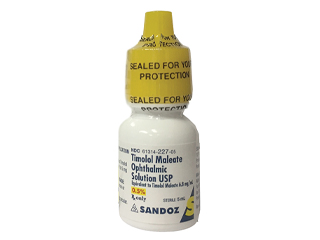
Timoptic (Timolol Maleate) – Patient Guide (Australia)
Timoptic is an eye medicine containing timolol maleate, a medicine used to help lower pressure inside the eye. It is commonly prescribed for certain eye conditions where high eye pressure can damage the optic nerve.
This guide explains how Timoptic works, how it’s typically used, important safety information, interactions, and practical tips. It’s written for people in Australia and includes general information about availability and regulatory context.
Key Product Information
| Category | Details |
|---|---|
| Medicine | Timoptic (timolol maleate) |
| Type | Ophthalmic (eye) medicine |
| Main action | Reduces fluid production in the eye to lower intraocular pressure |
| Medicine class | Beta-blocker |
| Common use | Ocular hypertension and glaucoma (as advised by your eye care professional) |
| Form | Eye drops (strength and presentation may vary by product listing) |
Note: Different Timoptic presentations exist (e.g., strengths and packaging styles). Always use the exact product you’ve been supplied and follow the directions on the label or from your eye care professional.
How Timoptic Works (Mechanism of Action)
Timoptic contains timolol maleate, a non-selective beta-adrenergic blocker (a “beta-blocker”). In the eye, timolol helps lower intraocular pressure (IOP) primarily by:
- Decreasing production of aqueous humour (the fluid inside the eye).
- In some people, contributing to changes in fluid outflow, though the main effect is usually reduced fluid production.
Lowering eye pressure helps reduce the risk of optic nerve damage over time. This can help prevent or slow progression of glaucoma and complications of ocular hypertension.
Pharmacokinetics (What the Body Does With It)
Understanding absorption can help you use eye drops correctly and safely.
In the eye
- After instillation, timolol can be absorbed through the conjunctiva and the nasal mucosa (because some drops drain through the tear ducts).
- Some systemic absorption can occur even with eye drops.
Systemic absorption and effects
- Because timolol may enter the bloodstream, systemic beta-blocker effects (such as slower heart rate) are possible—especially in people sensitive to beta-blockers or those using multiple eye or systemic beta-blocking medications.
- Absorption can increase if drops are not used carefully (for example, if excess liquid runs down the face or the eyes are rubbed immediately).
Practical tip: To reduce systemic absorption, many eye care professionals recommend punctal occlusion (gentle pressure on the inner corner of the eye) for a short period after putting in the drop. See “Practical Use Tips” below.
Typical Use in Australia (Indications)
Timoptic is used for conditions where lowering IOP is important. Common indications include:
- Glaucoma (including open-angle glaucoma, depending on clinical assessment)
- Ocular hypertension (elevated eye pressure without clear signs of glaucoma, but where treatment may be recommended)
- Other situations where an eye specialist determines that a beta-blocker is appropriate
Your eye care professional will determine whether Timoptic is suitable based on your eye pressure, optic nerve status, visual field tests, medical history, and response to treatment.
When and How to Use Timoptic (Timing and Dosing)
Always follow the instructions provided with your specific product. Below is general guidance that commonly applies to timolol eye drops. Dosing can vary by patient and product strength.
Typical dosing schedule
- Often, timolol eye drops are used once or twice daily.
- The exact frequency and timing should be confirmed with your prescriber and the product label.
Timing tips
- Choose times that you can maintain consistently (e.g., morning and evening).
- If using more than one eye medicine, space them out to avoid washing one drop out with another.
- If you miss a dose, use it when you remember unless it is close to the next dose. Do not double up.
Dosing method (step-by-step)
- Wash and dry your hands.
- Shake the bottle only if your product label instructs you to (some formulations are not shaken).
- Gently pull down the lower eyelid to form a small pocket.
- Hold the dropper close to the eye but avoid touching the eye surface.
- Instil the prescribed number of drops into the affected eye(s).
- Close the eye gently (don’t squeeze).
Important: Do not use the dropper tip to touch the eyelid or surrounding skin to reduce contamination risk.
Food Interactions
Timoptic is administered as eye drops. Food is not expected to have a clinically meaningful direct effect on how Timoptic works.
- You can generally take meals as normal.
- If you have concerns about systemic beta-blocker effects (e.g., dizziness), aim to monitor how you feel after doses, particularly when you begin therapy or change dosing.
Alcohol and Medicine Interactions
Alcohol
Because timolol can be absorbed systemically, alcohol may increase the likelihood of feeling dizzy or light-headed in some people (particularly if you experience low blood pressure or slowed heart rate). If you drink alcohol, do so in moderation and see how you feel after using Timoptic.
Medicines that may interact
Tell your eye care professional or pharmacist about all medicines you use, including tablets, injections, and other eye drops. Interactions may include:
- Other beta-blockers (eye drops or tablets) – may add to effects on heart rate and blood pressure.
- Medicines for heart rhythm or heart rate (e.g., some antiarrhythmics, calcium channel blockers such as verapamil or diltiazem) – can further reduce heart rate.
- Medicines that lower blood pressure – may increase dizziness or low blood pressure.
- Medicines used for diabetes (antidiabetics or insulin) – beta-blockers can sometimes mask warning signs of low blood sugar (such as rapid heartbeat).
- Medicines that affect breathing (including asthma/COPD medicines) – non-selective beta-blockers can potentially worsen bronchospasm in susceptible individuals.
- Epinephrine (adrenaline) used in certain settings (rare) – beta-blockers can influence cardiovascular responses.
Even when interactions seem unlikely, it’s important to have your full medication list checked—especially if you have a history of asthma, slow heart rate, or other heart conditions.
Safety Profile and Important Precautions
Most people tolerate timolol eye drops well, but side effects can occur. Because timolol is a beta-blocker, both local eye effects and possible systemic effects should be considered.
Common eye-related side effects
- Stinging or mild burning after instillation
- Dry eye or irritation
- Redness of the eye
- Blurred vision temporarily (often improves quickly)
- Possible changes to tear film or discomfort with contact lens use
Possible systemic side effects (because of absorption)
- Slow heart rate (bradycardia)
- Low blood pressure or dizziness
- Fatigue or weakness
- Shortness of breath or wheezing (more relevant to asthma/COPD)
Serious warning signs – seek urgent medical care
Contact a healthcare professional urgently or seek emergency help if you experience:
- Wheezing, severe breathing difficulty, or sudden asthma flare
- Fainting, severe dizziness, or chest pain
- Marked swelling of the face/eyes, rash, or signs of a severe allergic reaction
- Sudden eye pain, severe redness, or significant vision changes
Who should be extra cautious
- Asthma, chronic obstructive pulmonary disease (COPD), or a history of bronchospasm (non-selective beta-blockers may worsen symptoms).
- Heart rhythm problems or a very slow pulse.
- Low blood pressure, fainting episodes, or dizziness.
- Diabetes (because warning signs of hypoglycaemia can be affected).
- People using other beta-blockers (to prevent additive effects).
Contact lenses: If you wear contact lenses, you may need to remove them before instilling drops and allow time before reinserting. Follow the advice on your product label or from your pharmacist.
Practical Use Tips (Getting the Best Results Safely)
- Use correct technique: Aim for the inside of the lower eyelid and avoid touching the eye with the dropper tip.
- Wait between different eye medicines: If using drops besides Timoptic, space them at least 5–10 minutes apart unless your clinician advises otherwise.
- Reduce systemic absorption: After placing a drop, gently press the inner corner of your eye (near the nose) for about 1–2 minutes. Keep eyes closed during this time.
- Minimise eye rubbing: Rubbing can increase irritation and affect absorption.
- Watch for consistency: Glaucoma treatments usually work best when doses are taken at the same times each day.
- Keep follow-up appointments: Eye pressure needs ongoing monitoring; continue Timoptic unless advised to stop.
- Be careful with driving: If drops cause temporary blur, wait until your vision clears.
Storage: Store according to the product label (temperature and protection from light). Keep the bottle cap closed and out of reach of children.
Alternative Options (Other Ways to Lower Eye Pressure)
If Timoptic is not suitable, not effective, or side effects occur, eye specialists may consider alternative treatments. Options can include:
- Prostaglandin analogues (often once daily, may cause eyelash growth or eye redness in some people)
- Other beta-blockers or combination eye drops (choice depends on patient factors)
- Alpha-agonists (may affect redness, dryness, and blood pressure)
- Carbonic anhydrase inhibitors (topical drops and sometimes tablets, depending on case)
- Rho-kinase inhibitors (where available and appropriate)
- Laser therapy or surgery if medications are insufficient
Your clinician will match the option to your glaucoma type, current eye pressure, other health conditions, and tolerance.
Market and Legal Context in Australia (General Information)
In Australia, eye medicines such as Timoptic are regulated under the national framework for medicines. Access typically depends on the classification of the product and the requirements in force at the time of supply.
- Timolol-containing eye drops are widely used in the Australian healthcare system.
- Supply may involve prescriptions and/or pharmacist dispensing processes depending on product listing and strength.
- Online pharmacies operate under Australian laws and pharmacy standards, which include identity checks and ensuring appropriate supply processes.
Important: Always check the classification status shown on the product listing page and follow the steps required for safe supply in Australia.
Recent Guidance and Ongoing Eye Care
Glaucoma management emphasises:
- Regular monitoring of intraocular pressure and optic nerve health
- Adherence to eye drop dosing schedules
- Individualised treatment plans based on response and side effects
Clinical recommendations can evolve. If you have concerns about your treatment, it’s wise to discuss your situation with an eye specialist or optometrist. Continue using Timoptic as directed until a clinician changes your plan.
Delivery and Availability (Online Pharmacy)
Availability can vary by brand presentation and stock. When ordering online in Australia, you can typically expect:
- Real-time stock information on the product page
- Standard and express delivery options depending on your location
- Packaging designed to protect bottles during transit
What to do on arrival: Check the label carefully (name, strength, expiry date, and instructions). If anything looks damaged or incorrect, don’t use it—contact the supplier or your pharmacist for advice.
FAQ – Timoptic (Timolol Maleate)
1) What is Timoptic used for?
Timoptic is used to lower pressure inside the eye. It’s commonly used in conditions such as glaucoma and ocular hypertension, as advised by your eye care professional.
2) How long does Timoptic take to work?
Pressure lowering effects can start soon after dosing, but the overall success of glaucoma treatment depends on consistent daily use and ongoing monitoring. Your eye care professional may measure response at follow-up visits.
3) Can I stop Timoptic if my vision seems okay?
Glaucoma often has few symptoms early on. Even if you feel well, pressure may still be causing damage. Do not stop unless your clinician advises you to.
4) What if I miss a dose?
Use it when you remember if it’s not close to the next dose. If it’s nearly time for your next dose, skip the missed dose. Do not double up.
5) Can I use Timoptic with other eye drops?
Many people use more than one eye medicine. To reduce wash-out and irritation, separate different drops by about 5–10 minutes unless your pharmacist or eye specialist instructs otherwise.
6) Does Timoptic affect contact lenses?
Timoptic may not be suitable with all contact lens types, and some eye drops can contain ingredients that may irritate or affect lens material. Check the product label. If advised, remove lenses before use and wait before reinserting.
7) Is it safe for people with asthma?
Extra caution is needed. Because timolol is a beta-blocker, it may worsen bronchospasm in people with asthma or COPD. Discuss your lung history with your clinician before using.
8) What side effects should I watch for?
Common effects include temporary stinging, redness, dryness, or blurred vision. Seek urgent care if you develop breathing problems, fainting, severe dizziness, or sudden significant vision changes.
9) Will Timoptic affect my heart rate?
Because some timolol can be absorbed systemically, it may cause effects like a slow heart rate or low blood pressure in susceptible individuals. If you have known heart rhythm issues, discuss this with your healthcare provider.
10) Does food change how Timoptic works?
Food is not expected to have a meaningful effect because Timoptic is used in the eye. You can generally eat normally.
11) Can I drink alcohol while using Timoptic?
Alcohol may increase dizziness in some people due to possible systemic beta-blocker effects. If you choose to drink, monitor how you feel after using your drops.
12) What should I do if the drop bottle tip touches my eye?
Wipe the tip carefully if it has only lightly touched the eyelid. Avoid contaminating the tip by touching the eye surface. If contamination is suspected or you develop eye infection symptoms (pain, increasing redness, discharge), contact your pharmacist or clinician.
Summary
Timoptic (timolol maleate) is a beta-blocker eye drop used to lower intraocular pressure. By reducing fluid production in the eye, it helps protect the optic nerve and slow progression in glaucoma and ocular hypertension. While many people tolerate it well, it can cause local eye discomfort and, in some people, systemic beta-blocker effects. Using the correct technique, separating other eye drops, and monitoring for side effects can help you use Timoptic safely and effectively.
If you have any concerns—especially breathing difficulty, fainting, or sudden vision changes—seek medical advice promptly.