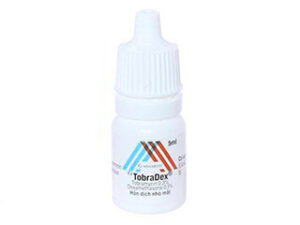

Tropicamide (Eye Drops) – Patient Information (Australia)
Tropicamide is a medicine used in ophthalmology to widen (dilate) the pupil and relax focusing muscles in the eye. It is commonly used for eye examinations and certain diagnostic procedures. This page provides patient-friendly, general information to help you understand how tropicamide works, how it’s used, and what to expect after treatment in Australia.
Basic product information
| Category | Details |
|---|---|
| Medicine name | Tropicamide |
| Common form | Eye drops |
| Therapeutic use | Dilating the pupil and relaxing accommodation for eye examination and diagnosis |
| How it works | Antimuscarinic (anticholinergic) action |
| Typical onset | Usually within minutes |
| Typical duration | Often several hours; in some people it may last longer |
Tropicamide is used to help eye care professionals see inside the eye more clearly. The effect varies from person to person. Children, older adults, and people with certain eye conditions may experience stronger or longer-lasting effects.
Mechanism of action
Tropicamide belongs to a group of medicines called antimuscarinics (also known as anticholinergics). It works by blocking muscarinic receptors in the eye.
- Pupil dilation (mydriasis): It relaxes the iris sphincter muscle, allowing the pupil to widen.
- Reduced focusing (cycloplegia/relaxation of accommodation): It also helps to temporarily weaken the eye’s ability to focus on near objects.
By both dilating the pupil and reducing focusing, tropicamide improves visibility of the retina and other internal eye structures during examinations.
Pharmacokinetics (how the body handles tropicamide)
After eye drop administration, absorption occurs through eye tissues and can also reach the bloodstream. The extent of systemic absorption is generally low compared with many other routes, but it can increase in some circumstances (for example, higher dosing, smaller children, or if excess drops run into the nose and throat).
- Onset in the eye: Tropicamide typically begins to act within a few minutes.
- Distribution: It acts locally in the eye, with possible systemic absorption through the conjunctiva and nasal mucosa.
- Metabolism & elimination: As with many medicines, metabolism occurs in the body and drug levels decrease over time; clearance is gradual.
Because individual responses vary, the most practical way to plan is to follow the advice given for your eye examination appointment, including how long to avoid driving.
Typical use and indications
Tropicamide is used mainly for diagnostic eye procedures where dilation and/or reduced focusing are helpful. Common indications include:
- Eye examinations to view the fundus (retina and optic nerve)
- Assessment of the lens and other internal eye structures
- Refraction testing in some settings to help temporarily reduce accommodation
- Preparation for retinal examinations where a widened pupil improves visibility
Tropicamide’s role is primarily diagnostic; it is not used to treat underlying eye disease by itself. Eye care professionals select the appropriate medicine(s) based on your eye health history and the type of examination needed.
When the medicine takes effect (timing)
The timing of pupil dilation and near-focus blur can affect daily activities. While responses vary, the pattern is generally:
- Onset: Usually within minutes after instillation.
- Peak effect: Often occurs within 30–60 minutes.
- Duration: Frequently lasts several hours; in some people it may be longer, especially with repeated dosing or in younger patients.
If you wear glasses or contact lenses, your vision may be temporarily affected. Ask your pharmacist or eye care provider for guidance about driving and other tasks.
Food interactions
Tropicamide is applied to the eye, so food interactions are not expected to be a major issue. Systemic absorption is generally low, and meals do not typically affect the medicine’s performance in the eye.
However, if you are receiving eye drops with other medicines (for example, on the same day), mention your full medication list to your eye care provider or pharmacist.
Alcohol and medicine interactions
Alcohol
Because tropicamide is used in the eye, alcohol interaction is usually not a major concern for most people. That said, alcohol can worsen dizziness or blurred vision in some individuals, and the dilation effect can already make vision less reliable.
- Practical advice: It may be best to avoid alcohol on the day of treatment until you know how your vision and comfort are affected.
Other medicines
Tropicamide is an antimuscarinic. Medicines with similar anticholinergic effects can theoretically add to side effects. Systemic effects are generally limited when used as eye drops, but the risk may be higher in children or if significant systemic absorption occurs.
Tell your eye care professional/pharmacist if you use:
- Medicines with anticholinergic effects (for example, some bladder medications or other antimuscarinic drugs)
- Other eye drops being used around the same time
- Medicines for motion sickness or other conditions that affect the autonomic nervous system
Also consider your eye history—particularly any previous episodes of narrow-angle symptoms—before tropicamide is used.
Safety profile and potential side effects
Most people tolerate tropicamide well. Side effects are usually temporary and related to the eye effects (blurred near vision, light sensitivity) and occasional transient discomfort.
Common or expected effects
- Blurred vision, especially for near tasks
- Light sensitivity (photophobia)
- Stinging or mild burning after instillation
- Dryness of the eye or temporary irritation
- Difficulty focusing on close objects
Less common but important effects
Seek urgent advice if you experience severe symptoms below. While uncommon, they can be serious.
- Eye pain or worsening discomfort
- Severe headache with nausea or vomiting
- Marked redness or sudden worsening vision
- Halos around lights or significant deterioration of vision
Allergy and reactions
- If you develop swelling, rash, hives, or trouble breathing, seek urgent medical care.
Special populations
- Children: Effects can last longer and children may absorb more systemically if dosing is not managed carefully.
- Older adults: Sensitivity may be higher; night driving should be avoided if vision remains affected.
- People with certain eye conditions: Individuals with predisposition to narrow angles require careful assessment before use.
- Contact lens wearers: You may be advised to remove lenses before using drops.
Practical use tips (how to get the best results)
The way you apply eye drops can affect both effectiveness and safety. Follow the instructions provided by your eye care professional. The tips below are general and may reduce unwanted drainage into the nose (which can increase systemic absorption).
- Wash your hands before and after using eye drops.
- Prepare the eye: If instructed, remove contact lenses and do not reinsert until your clinician advises it is safe.
- Instill correctly: Tilt your head back, gently pull down the lower eyelid, and place the drop into the eye.
- Use gentle pressure: After instillation, gently press a finger at the inner corner of the eye (near the nose) for about 1 minute. This can help limit drainage through the tear duct.
- Don’t blink excessively: Gentle blinking is fine, but avoid rubbing the eye.
- Wipe excess: If fluid runs down the cheek, blot with a clean tissue.
- If using more than one eye medicine: Wait between drops if instructed (commonly 5–10 minutes between different eye products).
If you accidentally miss the eye or use extra drops, contact your pharmacist or eye care provider for advice.
Dosing (general guidance)
Dosing schedules depend on the purpose of the visit (for example, specific examinations) and your age and eye condition. Your eye care professional will determine the appropriate regimen.
General examples (commonly used in clinical practice)
- Single eye or both eyes: The number of drops and whether one or both eyes are treated depends on your assessment.
- Multiple drops: Some examination protocols use more than one dose separated by time.
For the most accurate dosing information, check the instructions provided with your specific product and follow your clinician’s directions. Do not increase the dose to “make it work faster.”
Food, alcohol, and medicine timing (planning your day)
To make the most of your appointment and reduce inconvenience, plan around the expected duration of blurred vision and light sensitivity.
- Bring sunglasses for after the appointment.
- Avoid driving until your vision feels clear enough for safe driving (especially in low light).
- Plan near tasks: Reading, phone use, and close work may be difficult for several hours.
- Consider transport: Arrange someone to pick you up if you’re unsure how your vision will be affected.
If you are taking other medicines, it is usually still safe to continue them as normal, but always confirm with a pharmacist if you are uncertain about interactions or timing with other eye drops.
Safety considerations and warnings
Tropicamide works by dilating the pupil and relaxing focusing. In some eye conditions, dilation can be risky. Your eye care professional will screen for suitability.
- Narrow-angle risk: If you are at risk of angle-closure glaucoma (or have a history of narrow angles), dilation should be performed carefully and under appropriate clinical assessment.
- Symptoms after use: Severe pain, redness, halos, or significant vision changes require urgent assessment.
- Driving and safety: Vision changes can affect balance and depth perception—take care.
If you have questions about your suitability for tropicamide, ask your pharmacist or eye care provider. They may choose an alternative medicine or a different approach depending on your eye history.
Alternative options
Alternatives depend on the reason for pupil dilation and whether accommodation must be reduced. Eye care providers may use other antimuscarinic agents or different drug combinations.
Possible alternatives in ophthalmic practice
- Phenylephrine (commonly used to dilate the pupil; it works through a different pathway than tropicamide)
- Atropine (longer acting cycloplegic; often used for specific refraction or medical reasons)
- Cyclopentolate (another cycloplegic option used for refraction, especially in children)
Choice of alternative depends on the desired duration, patient age, and eye health. Your clinician will select the most appropriate option.
Market and legal context in Australia (general)
In Australia, the ability to supply medicines to the public is governed by the Therapeutic Goods Administration (TGA) and related regulatory schedules. Availability and supply requirements may vary by:
- the strength and formulation of the product
- the indication and clinical context
- the scheduling status and pharmacy policies
Online pharmacies in Australia typically require patients to complete appropriate checks (for example, confirming suitability and safety considerations). Always ensure you buy from a reputable Australian-licensed supplier.
Recent guidance and clinical practice notes
Eye examination routines evolve with clinical evidence and local protocols. Recent practice commonly emphasises:
- Appropriate patient screening (including risk assessment for adverse reactions related to pupil dilation)
- Minimising systemic exposure by correct drop technique and punctal occlusion (gentle pressure at the inner corner)
- Clear aftercare instructions regarding light sensitivity, near-vision blur, and driving
If you’re given instructions at your appointment, follow those instructions over general information. If symptoms feel severe or unusual, seek timely medical advice.
Delivery and availability (online pharmacy)
Tropicamide eye drops may be supplied as commercially available ophthalmic products through reputable pharmacy channels. Availability can vary by:
- the strength/brand stocked
- current supply chains
- delivery regions within Australia
What to expect when ordering online
- Verification: You may be asked safety questions or to confirm relevant details.
- Packaging: Products are typically dispatched in secure packaging to protect bottles from damage.
- Delivery times: Delivery speed depends on your address and dispatch schedule.
Store eye drops according to the label instructions, and check expiry dates before use. If the solution changes colour or appears contaminated, do not use it—return or dispose as advised by your pharmacist.
FAQ
1) What is tropicamide used for?
Tropicamide is used to dilate the pupil and reduce focusing (accommodation) to help with eye examinations and certain diagnostic procedures.
2) How long will my vision stay blurry?
Many people notice blurred near vision and light sensitivity for several hours. In some individuals it can last longer. Plan to avoid driving and close work until your vision returns to normal.
3) Will it affect both eyes?
It depends on the examination plan. Your clinician may treat one eye or both. Use the drops exactly as instructed.
4) Can I drive after using tropicamide?
Driving can be unsafe while the pupil is dilated and focusing is impaired—especially at night or in bright glare. Avoid driving until your vision is clear enough for safe driving. If you’re unsure, arrange alternative transport.
5) Can I use contact lenses?
Many eye examinations advise removing contact lenses before using dilating drops. Ask your pharmacist or clinician when it’s safe to reinsert lenses.
6) How do I reduce side effects like dryness or systemic effects?
Use correct instillation technique and consider gentle punctal occlusion: after placing the drop, gently press the inner corner of the eye for about 1 minute. This may reduce drainage into the nose and limit systemic absorption.
7) What should I do if I miss a drop?
Don’t double the dose. Contact your pharmacist or clinician for advice about what to do next, especially if you are following an examination protocol.
8) When should I seek urgent medical help?
Seek urgent advice if you experience severe eye pain, marked redness, severe headache with nausea/vomiting, or a sudden worsening in vision after using tropicamide.
9) Are there any food interactions?
Food interactions are not typically expected to be important for tropicamide eye drops. The main practical considerations relate to your vision changes and aftercare timing.
10) Can I drink alcohol?
Alcohol interaction is not usually a direct concern with eye drops, but it can add to light sensitivity, dizziness, or blurred vision. For safety, it’s often best to avoid alcohol on the same day until you know how the drops affect you.
11) Are there alternatives to tropicamide?
Yes. Depending on your examination needs, clinicians may use other dilating/cycloplegic options (such as phenylephrine, cyclopentolate, or atropine). Your eye care professional will choose the best approach.
Important: This information is general and may not cover every individual situation. If you have an eye condition, a history of narrow angles, or you feel unwell after using the drops, contact a healthcare professional promptly. Follow the specific instructions provided with your product and by your eye care team.