Cyclopentolate (Cyclopentolate Hydrochloride) — Patient Information (Australia)
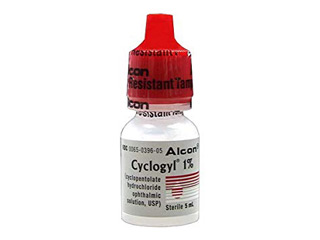
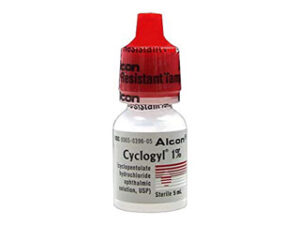
**Cyclopentolate** is a medication used to temporarily dilate (widen) the pupils and to relax the focusing ability of the eye. It is commonly used in eye examinations to help an ophthalmologist or optometrist view the inside of the eye clearly, especially the retina. Cyclopentolate is available in various eye-drop strengths and formulations in Australia, and it is usually given as eye drops.
This guide explains how cyclopentolate works, what to expect, how it is used, important safety considerations, interactions (including alcohol), and practical tips to make treatment and eye examinations more comfortable.
Basic product information
- Generic name: Cyclopentolate (often as cyclopentolate hydrochloride)
- Medicine type: Antimuscarinic / anticholinergic eye drop
- Route: Ophthalmic (into the eye)
- Common uses: Pupil dilation and cycloplegia for eye examinations
- How it’s supplied: Eye drops; strength varies by product
- Typical setting: Optometry or ophthalmology clinics; sometimes home use under clinician instructions
Note: Always follow the exact instructions provided by your eye-care professional and the product label. Different products may have different strengths and directions.
How cyclopentolate works (mechanism of action)
Cyclopentolate belongs to a group of medicines known as antimuscarinic agents. It works by blocking muscarinic receptors in the eye. This leads to two major effects:
- Pupil dilation (mydriasis): It relaxes the muscles that control pupil size, widening the pupil.
- Loss of focusing ability (cycloplegia): It temporarily paralyses the eye’s focusing muscle (the ciliary muscle), making it easier to measure the refractive error and examine the retina.
Because the effects are temporary, vision and focusing ability gradually return to normal after the medication wears off.
Pharmacokinetics (how the body handles it)
When cyclopentolate is used as eye drops, absorption occurs mainly through the eye tissues and can also drain into the nose via the tear duct (nasolacrimal drainage), which can increase systemic absorption—particularly in children.
- Onset: Usually within minutes after administration.
- Distribution: Any systemic absorption is typically limited, but it can occur through the nose/throat after drainage.
- Metabolism: Cyclopentolate is metabolised in the body (specific pathways may vary).
- Excretion: Metabolites are eliminated via urine.
Important practical point: Systemic side effects are uncommon in adults when used correctly, but can be more likely in young children. Techniques like punctal occlusion (see “Practical use tips”) can reduce systemic absorption.
Typical use and why it’s given
Cyclopentolate is most commonly used during comprehensive eye examinations, especially when accurate measurement of refractive error is required or when a clear view of internal eye structures is needed.
Common clinical reasons include:
- Refraction and assessment of focus: Helps measure true refractive error by temporarily paralyzing accommodation.
- Retinal examination: Dilated pupils allow better examination of the retina and optic nerve.
- Paediatric examinations: Particularly useful because children may not reliably cooperate during refraction.
- Diagnostic clarity: Assists clinicians in detecting or monitoring eye conditions.
Timing: what to expect after using cyclopentolate
Effects vary between individuals and depending on product strength. In general:
| Effect | Typical timing | What you may notice |
|---|---|---|
| Pupil dilation | Often starts within minutes; peaks after a short period | Wider pupils, reduced ability to focus on near objects |
| Cycloplegia (loss of focusing) | Begins within minutes; lasts several hours | Blurred near vision; difficulty reading |
| Light sensitivity | May be strongest during peak dilation | Glare discomfort, squinting outdoors/under bright lights |
| Return to baseline | Often within the same day for many people; may take longer in some | Vision gradually becomes clearer |
Driving/work precautions: Because near vision and glare tolerance can be reduced, you may not be able to drive safely immediately after instillation. Plan accordingly.
Indications: when cyclopentolate is used
Cyclopentolate eye drops are indicated for:
- Temporary cycloplegia to assist with refraction and accurate assessment of refractive status.
- Mydriasis to facilitate examination of the eye, including the retina and optic nerve.
- Diagnostic evaluation where dilated pupils are needed for better visualization.
Your eye-care professional will decide whether cyclopentolate is appropriate based on your age, eye history, and the examination required.
Dosing: typical schedules and important guidance
Follow the specific product instructions provided by your clinician and the label. Dosing varies by formulation and strength.
In general, cyclopentolate is used as eye drops with dosing instructions such as:
- Single or repeat drops during an examination, depending on the required level of dilation/cycloplegia.
- For children, clinicians may use lower doses, fewer drops, or special precautions due to greater sensitivity and risk of systemic effects.
Do not exceed the prescribed/labelled amount. If you miss a dose during a clinician-guided exam, contact the clinic for advice rather than adding extra drops.
If you are using it at home (uncommon unless directed):
- Wash hands before use.
- Tilt head back, pull down lower eyelid gently, and place drops into the space between eyelid and eye.
- Close your eyes gently; avoid rubbing.
Food interactions
Because cyclopentolate is administered as eye drops, food interactions are not usually expected. There is no typical dietary restriction when using ophthalmic cyclopentolate.
However, if systemic absorption occurs (more likely in children), cyclopentolate may affect alertness or coordination temporarily in rare cases. For best safety, consider avoiding activities requiring full concentration until you know how the drops affect you.
Alcohol and medicine interactions
Alcohol
When cyclopentolate is used in the eye, significant alcohol interactions are not commonly reported. Still, because cyclopentolate can cause blurred vision and light sensitivity, alcohol may indirectly increase risk of accidents by affecting reaction time and balance.
Practical advice: If you plan to drink alcohol, do so cautiously and avoid driving or operating machinery until vision is fully back to normal.
Other medicines
Cyclopentolate can have anticholinergic effects. Therefore, interactions may be more likely if you take medicines with similar properties (for example, some drugs used for bladder overactivity, some antihistamines, and other antimuscarinic medicines).
Tell your eye-care professional or pharmacist if you use any medicines, including:
- Antimuscarinic/anticholinergic medicines
- Some antihistamines that may cause drowsiness
- Tricyclic antidepressants or other anticholinergic agents
- Other eye drops (especially those that affect pupil size)
Even though eye-drop dosing is small, it’s important to disclose relevant medications—especially for children or people with complex medical histories.
Safety profile: side effects and when to seek help
Cyclopentolate is generally well tolerated when used appropriately for eye examinations. Side effects usually relate to the eye and temporary dilation/cycloplegia.
Common and expected effects
- Blurred near vision (temporary)
- Light sensitivity (photophobia)
- Stinging/burning immediately after drops
- Dry mouth or mild dryness (more likely if some systemic absorption occurs)
Less common effects
- Temporary increased heart rate
- Headache
- Dizziness or reduced clarity of vision
- Rash or allergy symptoms (rare)
Serious warning signs (seek urgent medical advice)
Call your doctor or seek urgent help if you experience:
- Severe eye pain
- Significant redness not typical for exam drops
- Severe headache, nausea, or vomiting
- Sudden worsening vision
- Signs of an allergic reaction (swelling of lips/face, breathing difficulty)
- Confusion, agitation, or unusual behaviour—especially in children
These may indicate rare but important complications, such as acute angle-closure glaucoma in susceptible individuals.
Practical use tips (for comfort and reduced absorption)
These steps can improve comfort and reduce the chance of systemic side effects:
- Use sunglasses outdoors to manage light sensitivity.
- Plan for near-vision blur: avoid reading, phone use, and close-up tasks if possible for several hours.
- Do not rub your eyes—this can increase irritation and spread medication.
- Consider punctal occlusion (especially for children):
- After instilling the drop, gently press the inner corner of the eye (near the nose) with a finger.
- Hold for about 1–2 minutes to reduce drainage into the nose.
- Wait between drops if instructed: some regimens require repeat dosing separated by time.
- Keep a note of effects: if you’ve previously reacted strongly, inform your clinician before the next use.
For contact lens wearers: many clinicians advise removing contact lenses before instilling eye drops, and waiting until the effects/irritation have settled. Follow your eye-care professional’s advice.
Contraindications and special precautions
Cyclopentolate may not be suitable for everyone. Important risk groups include:
- People with narrow angles or history/suspicion of angle-closure glaucoma
- Children, especially if multiple drops are required or if they are very young
- Individuals with known sensitivity to cyclopentolate or related ingredients
Your clinician should assess risk factors before use. If you have ever had an eye pressure problem or been told you have narrow angles, be sure to mention it.
Alternative options
Depending on the examination goal and your eye health, clinicians may use alternative mydriatic/cycloplegic agents. Options may include:
- Tropicamide: commonly used for pupil dilation; typically shorter acting than some cycloplegics.
- Atropine: a stronger cycloplegic with longer duration; used in specific circumstances.
- Other cycloplegic agents used for refraction (choice depends on age, tolerance, and diagnostic need).
Why alternatives matter: Different agents vary in duration, depth of cycloplegia, and side effect likelihood. Your eye-care professional will choose what best balances diagnostic accuracy and comfort.
Market and legal context in Australia
In Australia, eye medications are regulated under the national medicines framework, including requirements for supply, labelling, and consumer safety. Cyclopentolate is used by eye-care professionals and may be supplied under appropriate product availability and dispensing conditions based on local scheduling and clinician guidance.
Where you may encounter it:
- Optometry clinics and ophthalmology practices as part of routine exam procedures
- Dispensed packs for scheduled examinations if your clinician indicates at-home use
Always check the exact Australian product packaging you receive, as concentration and instructions can differ.
Recent guidance and best-practice considerations
While specific local recommendations can evolve, current best-practice in ophthalmic dilation generally includes:
- Assessing angle-closure risk before using mydriatic agents.
- Using the lowest effective dose, particularly in children, to reduce systemic exposure.
- Communicating driving and school/work restrictions due to visual blur and photophobia.
- Providing clear aftercare instructions (sunglasses, waiting before close work, recognising warning signs).
If you have questions about whether your situation requires extra precautions (for example, narrow angles or previous adverse reactions), discuss them with your eye-care provider.
Delivery, availability, and what to expect when ordering online (Australia)
Availability of cyclopentolate eye drops may vary by brand and strength. When ordering from an Australian online pharmacy, you can usually expect:
- Product listing with strength and form (check the label details)
- Standard delivery options depending on your location
- Temperature and storage information provided on the packaging (follow label directions)
- Dispatch times based on stock levels
Storage: Keep eye drops as directed on the product label (commonly at room temperature; avoid excessive heat). Do not use after the expiry date.
Expiry and hygiene: Do not share eye drops. If contamination is suspected, discard the product.
FAQ — Cyclopentolate (Australia)
1) How long will my vision stay blurry after cyclopentolate?
For many people, near vision blur and light sensitivity improve within the same day, but duration can vary. Some children and sensitive individuals may take longer. Plan for several hours of reduced near vision and consider arranging transport if you need to drive.
2) Can I drive after using cyclopentolate?
It’s usually not recommended to drive until your vision is clear enough for safe driving. Cyclopentolate can cause glare sensitivity and difficulty focusing on the road and instruments.
3) Why is cyclopentolate used for eye examinations?
It dilates the pupil and temporarily paralyzes focusing. This helps your clinician examine the back of the eye (retina) and measure refractive error accurately.
4) Will cyclopentolate harm my eyes?
When used correctly under appropriate clinical guidance, cyclopentolate is intended for temporary effects and is not generally harmful. However, rare serious complications can occur, especially in people at risk of angle-closure glaucoma. Seek urgent care if you experience severe pain, redness, headache, nausea, or sudden vision changes.
5) Is cyclopentolate safe for children?
Clinicians use cyclopentolate routinely for paediatric eye exams. Because children may absorb more medication systemically, careful dosing and precautions (like punctal occlusion) are important. Inform your clinician about your child’s age and any history of eye pressure issues.
6) What should I do if the drops get in my mouth or throat?
If some runs down the face or tastes bitter, rinse your mouth with water and spit out. Punctal occlusion can reduce this. If you notice unusual symptoms (especially in a child), contact a healthcare professional for advice.
7) What if I wear glasses vs contact lenses?
Glasses are typically easier for the period of blurred near vision. Contact lens use may be discouraged around the time of instillation—follow clinic instructions. If you were told to remove lenses, wait until you’re advised it is safe to reinsert them.
8) Are there any food restrictions?
No specific dietary restrictions are typically needed. The key practical issue is managing temporary vision changes.
9) Can I drink alcohol after using cyclopentolate?
There’s no common direct interaction, but alcohol can worsen reaction time and coordination and may increase accident risk when your vision is affected. Avoid driving and be cautious until your sight is back to normal.
10) What other medicines could interact with cyclopentolate?
Medicines with anticholinergic effects may theoretically increase side-effect risk. Tell your clinician or pharmacist about all medicines you use, including over-the-counter products and herbal supplements.
Summary
Cyclopentolate eye drops are used to dilate pupils and temporarily reduce focusing ability, supporting accurate eye examinations and clear views of the eye’s internal structures. The effects include blurred near vision and light sensitivity for several hours, and sometimes longer in some individuals. When used as directed, cyclopentolate is generally safe, but it’s important to follow practical eye-care tips and seek urgent advice if severe symptoms occur.
If you’d like, share the product strength you have (as shown on your label) and your age group (adult or child), and we can outline more specific “what to expect” timing and comfort tips for that situation.