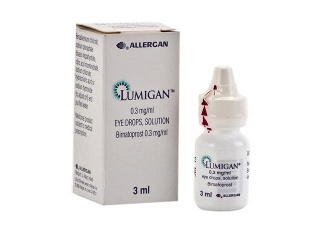
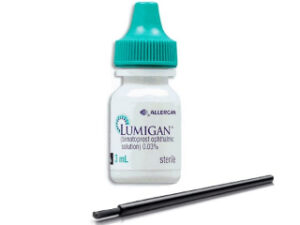
Lumigan (Bimatoprost) – Patient Information (Australia)
Lumigan is an eye drop medicine used to help lower pressure inside the eye. Lowering eye pressure can help protect the optic nerve in conditions such as glaucoma and ocular hypertension.
This page explains how Lumigan works, how it’s used in practice, key safety information, potential interactions, and what you should know about availability and guidance in Australia.
Basic product information
| Category | Details |
|---|---|
| Brand name | Lumigan |
| Active ingredient | Bimatoprost |
| Medicine type | Prostaglandin analogue (topical ophthalmic) |
| Common presentation | Eye drops (strengths vary by product; verify your specific pack) |
| How it’s used | Once daily in the evening in most patients |
| Main benefit | Reduces intraocular pressure (IOP) |
Tip: Always follow the instructions on your specific product label or the advice provided by your eye care professional. Different bimatoprost concentrations may exist across markets and product lines.
What Lumigan is used for (indications)
Lumigan is commonly used to:
- Treat glaucoma (a group of eye conditions that can damage the optic nerve, often associated with raised eye pressure)
- Treat ocular hypertension (higher-than-normal eye pressure without current glaucomatous damage)
In many cases, it is used when eye pressure needs lowering to reduce the risk of progression and vision loss.
How Lumigan works (mechanism of action)
Bimatoprost belongs to the class of medicines often called prostaglandin analogues. It helps reduce intraocular pressure by improving the outflow of fluid (aqueous humour) from the eye and also by influencing fluid dynamics within the eye.
In practical terms, this leads to:
- Lower pressure inside the eye (IOP), reducing strain on the optic nerve
- Potential protection against further optic nerve damage when used consistently
It’s important to remember that Lumigan helps manage risk; it does not typically reverse existing optic nerve damage.
Pharmacokinetics (what the body does with the medicine)
Because Lumigan is used as eye drops, absorption is primarily local to the eye.
- Absorption: Bimatoprost penetrates ocular tissues to act on target structures involved in fluid outflow.
- Distribution: It spreads through ocular tissues with low systemic exposure under typical use.
- Metabolism: Bimatoprost is metabolised in the body (including processes typical for similar compounds).
- Elimination: Metabolites are cleared mainly through renal (kidney) and other routes.
Clinical takeaway: Systemic absorption is generally limited with topical ophthalmic use, but side effects can still occur in some people.
Typical dosing and timing
The typical dosing approach for Lumigan in glaucoma or ocular hypertension is:
- Frequency: Usually once daily
- Time: Commonly taken in the evening (for example, before bedtime)
- Amount: One drop in the affected eye(s), unless your clinician has instructed otherwise
Why evening? Many prostaglandin analogue regimens are scheduled in the evening to align with typical daily fluctuations in eye pressure. Consistency is more important than exact clock time.
How to use Lumigan eye drops (practical steps)
- 1) Wash your hands.
- 2) If using contact lenses, remove them before using the drops.
- 3) Tilt your head back and gently pull down the lower eyelid to form a small pocket.
- 4) Hold the bottle above the eye and apply one drop without touching the eye surface.
- 5) Close your eye gently.
- 6) Consider punctual occlusion: press lightly on the inner corner of the eye (near the nose) for about 1–2 minutes. This can reduce drainage into the tear duct and may reduce systemic absorption.
- 7) Wipe away any excess with a clean tissue.
- 8) Wait before putting lenses back in. Many clinicians advise waiting at least 15 minutes after drops (follow your specific product instructions and clinician advice).
If you miss a dose
- If you remember the same day, use it when you can and then continue your normal evening schedule.
- If it’s close to the next dose, skip the missed dose and resume your routine.
- Do not use two doses at the same time.
Food interactions
Because Lumigan is used on the eye, food interactions are not typically expected to be clinically important. There is limited systemic absorption compared with medicines taken by mouth.
General advice: Continue eating normally. If you notice any new symptoms after starting the drops, seek advice from an eye care professional.
Alcohol and medicine interactions
Alcohol
No specific direct interaction between Lumigan and alcohol is commonly expected due to the topical route. However, alcohol may worsen certain issues indirectly, such as eye surface dryness or blurred vision, which can affect comfort and eye health.
Practical tip: If you experience stinging, dryness, or light sensitivity after drinking alcohol, consider reducing intake and speak to your pharmacist or doctor for tailored guidance.
Interactions with other medicines
Systemic drug interactions are unlikely to be significant, but eye drop timing and effects on the eye still matter.
- Other glaucoma medicines (eye drops): You may be using additional drops. If so, space them apart (commonly at least 5–10 minutes) to reduce washout of the first drop.
- Prostaglandin analogue duplication: Using more than one prostaglandin analogue at the same time is usually not recommended unless specifically instructed, because it may increase side effects without additional benefit.
- Anti-inflammatory medicines: Tell your clinician if you use steroid eye drops or non-steroidal anti-inflammatory drops regularly, as management may need individual adjustment.
Always inform your eye care team about all medicines you use, including eye drops, ointments, tablets, herbal products, and over-the-counter remedies.
Safety profile and side effects
Like all medicines, Lumigan can cause side effects. Many are mild and related to the eye surface.
Common side effects
- Eye redness
- Stinging or burning
- Dry eye or irritation
- Itching or discomfort
- Increased tear production or watering
- Light sensitivity (sometimes)
Changes around the eye
With bimatoprost, some people notice visible changes around the eyes. These may include:
- Changes in eyelash growth (length, thickness, or number)
- Darker or more pigmented eyelashes
- Periorbital skin changes (skin around the eye may darken)
- Potential change in iris pigmentation (iris colour may darken, particularly in lighter-coloured eyes)
Clinical note: Iris pigmentation changes may be permanent. Discuss your individual risk with your eye care professional.
Less common but important side effects
- Eye pain or significant worsening redness
- Blurred vision that doesn’t improve
- Macular swelling (more likely in people with risk factors such as certain retinal conditions)
- Symptoms of allergy (swelling of eyelids, severe itching, rash)
- Worsening of inflammation in or around the eye (if present)
When to seek urgent advice
Seek urgent medical attention (or contact your eye care provider promptly) if you experience:
- Severe eye pain
- Marked vision changes
- Significant swelling of the eye or eyelids
- Symptoms suggesting severe allergy
Who should take extra care (precautions)
Discuss Lumigan suitability with your clinician if you have:
- Eye inflammation or a history of uveitis
- Macular disease or risk factors for macular oedema
- Recent eye surgery or planned procedures
- Severe dry eye or significant ocular surface disease
- Contact lens discomfort and difficulty tolerating drops
- Any known sensitivity to ingredients in the formulation
If you wear contact lenses, ensure you follow lens removal and re-insertion guidance. Some drop formulations contain preservatives that may affect lens comfort.
Practical use tips (to get the best results)
- Use it every day: IOP control depends on consistent dosing. Missing doses can reduce effectiveness.
- Don’t shake excessively: If your bottle requires gentle mixing, follow the label. Avoid vigorous shaking unless advised.
- Prevent contamination: Avoid touching the dropper tip to the eye, eyelids, or surrounding skin.
- Apply in the correct eye: Use exactly as directed (both eyes or one eye).
- Wait between different eye drops: Space products by a few minutes to avoid washout.
- Consider punctal occlusion: Gentle pressure at the inner corner can reduce drainage and may improve tolerability.
- Manage stinging: Keep the bottle at room temperature, use proper technique, and avoid touching the eye surface.
- Watch for pigmentation changes: If you notice iris colour changes or eyelash changes that concern you, speak to your clinician.
Alternative treatment options
Lumigan is one option for lowering eye pressure. Alternatives may include:
Other medicine classes (eye drops)
- Other prostaglandin analogues (similar effect class; choice depends on tolerance and response)
- Beta-blockers (reduce fluid production)
- Alpha agonists (reduce production and increase outflow)
- Carbonic anhydrase inhibitors (reduce fluid production)
- Miotic agents (increase outflow)
Non-drop options
- Laser therapy (e.g., procedures to improve aqueous outflow)
- Surgical options for certain cases or when drops/laser are insufficient
Your eye specialist can help determine the best option based on your diagnosis, eye anatomy, previous treatments, and your risk profile.
Market and legal context for Australia
In Australia, medicines for glaucoma and ocular hypertension are supplied through appropriate healthcare pathways. Eye drops such as Lumigan are regulated, and supply may involve professional assessment and guidance depending on product listing, strength, and local requirements.
Availability: Lumigan may be available through pharmacies and can be supplied as per relevant Australian medicines regulations and supplier arrangements.
Always check: The exact pack strength, formulation, and the product details on the specific item you receive.
Recent guidance and practical expectations
Clinical practice for glaucoma and ocular hypertension emphasises:
- Regular adherence to dosing schedules
- Ongoing monitoring of eye pressure and optic nerve/visual field status
- Individualised treatment adjustments based on response and tolerability
- Medication reviews to ensure drops are used correctly and safely
If you experience persistent discomfort or changes in vision, your clinician may adjust therapy or recommend supportive care for the eye surface.
Delivery and availability (online pharmacy notes for Australia)
When ordering online, typical considerations include:
- Pack details: Confirm you select the correct product and strength shown on the label.
- Expiry: Choose stock with adequate shelf life remaining.
- Shipping times: Delivery time varies by location and courier service. Plan ahead so you don’t run out.
- Storage: Follow storage instructions on the pack (commonly room temperature guidance; protect from inappropriate heat and light).
If you are switching between brands or strengths, do not assume the same dosing—verify with your healthcare professional or pharmacist.
FAQ about Lumigan (bimatoprost)
1) How quickly does Lumigan lower eye pressure?
Many patients see a reduction in intraocular pressure after starting treatment, with effects typically developing within the first days. Your eye pressure is monitored over time, and the goal is steady control day-to-day.
2) Should I use Lumigan even if my eyes feel fine?
Yes. Glaucoma and ocular hypertension can progress without noticeable symptoms. Lumigan is used to help prevent damage by controlling eye pressure.
3) Can I use Lumigan with contact lenses?
In many cases, you should remove contact lenses before applying drops and wait before reinserting them. Follow your pack instructions and seek advice if you’re unsure.
4) Will Lumigan cause my eyelashes to grow?
Eyelash changes (growth, thickness, or pigmentation) are a known and relatively common effect of bimatoprost for some people. These changes may continue while you use the medicine.
5) Can Lumigan change my iris colour permanently?
Iris pigmentation change is possible, particularly in people with mixed or lighter-coloured irises. These changes may be long-lasting or permanent. Discuss concerns with your eye care professional.
6) What should I do if Lumigan stings or makes my eyes red?
Mild stinging and redness can occur early in treatment. Use proper drop technique, consider gentle punctal occlusion, and ensure you’re not using expired product. If symptoms are severe, worsening, or associated with vision changes, contact your clinician.
7) Can I use Lumigan with other glaucoma eye drops?
Often yes, but timing matters. Use spacing (commonly 5–10 minutes) between different drops and avoid duplicate therapy unless specifically advised.
8) Is it safe to drink alcohol while using Lumigan?
Direct interactions are not typically expected, but alcohol can indirectly affect eye comfort (dryness, irritation). If you notice worsening symptoms after alcohol, consider reducing intake and ask for advice.
9) What if I accidentally get the drop in my mouth?
Accidental contact is usually unlikely to cause harm with typical dosing, but rinse your mouth with water. If you swallow a significant amount or feel unwell, contact a healthcare professional.
10) When should I stop Lumigan?
Do not stop suddenly without talking to your eye care professional. Stopping can lead to higher eye pressure. If you experience troublesome side effects, your clinician may recommend an alternative.
Summary
Lumigan (bimatoprost) is a prostaglandin analogue eye drop used to lower intraocular pressure in glaucoma and ocular hypertension. It works by improving fluid outflow dynamics within the eye. Many people use Lumigan once daily in the evening, with consistency being key for maintaining pressure control.
As with any medicine, Lumigan can cause side effects—most commonly mild eye redness or irritation—and in some cases changes around the eye such as eyelash growth or darker pigmentation of the iris. If you experience severe pain, significant vision changes, or signs of allergy, seek medical advice promptly.
If you’d like, you can ask your pharmacist or eye clinician to review your current eye-drop schedule, confirm correct timing, and discuss alternatives if Lumigan is not well tolerated.