


Omeprazole (Omeprazole): Patient Guide for Australia
Omeprazole is a commonly used medicine for reducing stomach acid. It helps relieve symptoms related to acid reflux and other conditions where the stomach produces too much acid. This guide is written to help you understand how omeprazole works, how to take it safely and effectively, and what to expect. It also covers key interactions, practical tips, and information relevant to the Australian market.
1) Basic Product Information
- Medicine name: Omeprazole
- Class: Proton pump inhibitor (PPI)
- Common uses: Heartburn/acid reflux, gastro-oesophageal reflux disease (GORD), acid-related stomach conditions
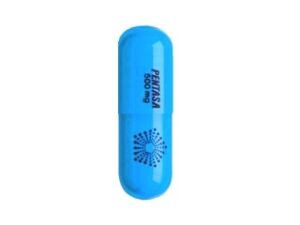
- How it comes: Tablets or capsules (varies by brand and strength); some products are modified-release
- How it’s supplied: In Australia, available through pharmacies and may be sold as pharmacist-only or behind-the-counter depending on the formulation and dose.
Note: Brand names and strengths can differ. Always check the exact strength on your pack and follow the directions provided.
2) How Omeprazole Works (Mechanism of Action)
Omeprazole belongs to the proton pump inhibitor (PPI) family. PPIs reduce acid production by blocking the “proton pump” in the stomach’s acid-producing cells.
- Target: The H+/K+ ATPase proton pump in the stomach lining
- Effect: Less acid is secreted into the stomach
- Result: Reduced burning pain (heartburn), reduced reflux symptoms, and healing of acid-related irritation over time
Because PPIs work by shutting down an enzyme system, their benefit is usually greatest when taken correctly for several days (especially for ongoing symptoms and healing).
3) Pharmacokinetics (How the Body Handles It)
Understanding how omeprazole behaves in the body can help explain why timing matters.
| Feature | What typically happens |
|---|---|
| Absorption | Omeprazole is absorbed from the stomach/intestine. Some formulations are enteric-coated or modified-release to improve stability. |
| Onset | Symptoms may improve within hours, but full symptom control and healing often take several days of consistent use. |
| Peak effect | Peak drug levels generally occur within a few hours after dosing (exact timing can vary by formulation). |
| Metabolism | Primarily metabolised in the liver (notably via CYP enzymes). |
| Elimination | Metabolites are cleared mainly through the kidneys and other routes. |
| Duration of action | Even after the drug level decreases, the proton pumps remain suppressed for a period due to the way PPIs bind in the stomach lining. |
Why timing matters: Omeprazole is most effective when taken before food, because proton pumps are more active when you are preparing to digest a meal.
4) Typical Uses in Australia
Omeprazole is used for acid-related conditions. Depending on your specific situation and the product strength, it may be used for:
- Heartburn and acid reflux (GORD symptoms), including burning sensation behind the breastbone
- GORD (gastro-oesophageal reflux disease), including inflammation of the oesophagus (oesophagitis)
- Gastric and duodenal ulcer prevention or treatment, in combination with other therapies when appropriate
- Protection of the stomach in people taking certain medicines that can irritate the stomach lining (this is determined case-by-case)
- Zollinger–Ellison syndrome (rare; specialist-led dosing is typical)
Common symptom relief: Many people notice improvement in heartburn, regurgitation (sour/acid taste), and discomfort related to reflux.
5) When to Take Omeprazole (Timing & Best Practice)
For most people, omeprazole is taken as a single daily dose. The best time is generally:
- Take before food: 30–60 minutes before your first meal of the day (unless your pack instructions say otherwise).
- Swallow whole: If your product is a tablet/capsule with enteric coating or modified-release, swallow whole. Do not crush or chew unless instructions specifically allow it.
- Be consistent: Take it at the same time each day for the course recommended.
If you miss a dose:
- If you remember later the same day, take it if it’s still within a reasonable time before your next meal.
- If it’s close to the next dose, skip the missed dose and continue as normal.
- Do not double up to make up for a missed dose.
6) Food Interactions (Eating, Drinks, and Absorption)
Omeprazole’s effectiveness is closely related to meal timing.
- Eating soon after a dose can reduce how well the medicine blocks acid production during that meal.
- Food does not usually “cancel” omeprazole, but for best results it should be taken before meals.
- If you take it in the evening (only if your product instructions or clinician recommends), it is usually best taken before your evening meal.
Food choices: No specific food is “forbidden” with omeprazole, but reflux symptoms can worsen with trigger foods (for example, fatty meals, spicy foods, large portions, chocolate, peppermint, and caffeine). Omeprazole helps acid production, while lifestyle changes can reduce triggers.
7) Alcohol and Medicine Interactions
Alcohol
There is no single “safe amount” of alcohol for everyone, particularly if you have reflux. Alcohol can irritate the oesophagus and worsen symptoms. For best comfort and symptom control, consider:
- Limiting alcohol, especially if your heartburn is active
- Avoiding alcohol shortly before lying down
- Stopping alcohol if you notice symptom flare-ups
Other medicine interactions
Omeprazole can interact with certain medicines due to changes in stomach acidity and metabolism in the liver. Tell your pharmacist if you take any of the following (and similar medicines):
- Clopidogrel (reduced activation may occur; guidance may vary by situation)
- Antiretrovirals (some medicines used for HIV may be affected)
- Warfarin (possible changes in INR/bleeding risk; monitoring may be needed)
- Phenytoin and some other medicines metabolised by liver enzymes
- Medicines where acidity is important (some antifungals, iron preparations, and other drugs may have altered absorption)
- Methotrexate (especially high-dose regimens; specialist monitoring is important)
- St John’s wort (may reduce effectiveness via enzyme induction)
Important: Interaction risk depends on dose, duration, and your other medicines. If you’re unsure, ask your pharmacist to check your medication list.
8) Indications (When Omeprazole is Used)
Omeprazole is indicated for conditions involving excessive stomach acid or acid-related injury. Depending on the product and clinician assessment, indications may include:
- Symptomatic reflux (heartburn/acid regurgitation)
- GORD and oesophagitis
- Peptic ulcer disease (including gastric and duodenal ulcers, often as part of combination therapy when infection is involved)
- Prevention of ulcers in at-risk people on medicines that can irritate the stomach (as advised)
- Rare hypersecretory conditions such as Zollinger–Ellison syndrome
If your symptoms are new, severe, or persistent, it’s important to seek appropriate medical advice to rule out other causes of upper abdominal or chest symptoms.
9) Dosing Information (General Guidance for Australia)
Dose varies by indication, product strength, and patient factors such as age and liver function. Always follow the directions on your specific pack.
Typical dosing patterns
- Most reflux/heartburn regimens: usually once daily.
- Short-term relief: often started daily for a limited period if using non-prescription or pharmacist-supplied options, but the exact duration depends on product instructions.
- Healing of inflammation: can require longer courses (commonly several weeks), especially for GORD/oesophagitis.
- Higher-dose regimens: used for ulcers, persistent severe symptoms, or specific specialist conditions—these require careful guidance.
Practical dosing tips
- Consistency beats timing errors: taking it daily is important.
- Before first meal: best practice for maximum benefit.
- Swallow whole: do not crush/chew enteric-coated or modified-release forms.
Special populations: People with liver impairment may require adjustment. Older adults generally can use PPIs, but the lowest effective dose and regular review are recommended.
10) Safety Profile (What to Know Before and While Taking Omeprazole)
Omeprazole is widely used and generally well tolerated. Like all medicines, it can cause side effects.
Common side effects
- Headache
- Nausea or stomach discomfort
- Diarrhoea or constipation
- Bloating or gas
Less common but important effects
- Allergic reactions: rash, itching, swelling, difficulty breathing (seek urgent help)
- Low magnesium with longer-term use (symptoms may include tiredness, muscle cramps, dizziness, irregular heartbeat)
- Vitamin/mineral changes with prolonged use (for example, effects on vitamin B12, especially with long courses)
- Increased risk of certain infections (such as some gastrointestinal infections) when used long-term
Long-term use considerations
Many people take PPIs for weeks to months. Long-term therapy may be necessary for some conditions, but ongoing use should be reviewed periodically. If you’re taking omeprazole for more than a few weeks, consider discussing with your pharmacist or doctor whether you should:
- Use the lowest effective dose
- Have a review of ongoing need
- Consider step-down strategies if appropriate
When to seek urgent medical attention
Stop and get urgent advice if you experience:
- Chest pain that could be heart-related (especially if new, severe, or associated with breathlessness or sweating)
- Vomiting blood or black/tarry stools
- Difficulty swallowing or painful swallowing
- Unintentional weight loss
- Persistent vomiting or severe abdominal pain
11) Practical Use Tips (How to Get the Best Results)
- Take it correctly: take before your first meal of the day.
- Give it time: reflux symptoms may improve sooner, but healing and full control can take several days.
- Use lifestyle support: avoid lying down soon after meals, consider smaller meals, and identify personal triggers (spicy foods, caffeine, alcohol, fatty foods).
- Consider symptom timing: if your reflux is mainly at night, timing adjustments may help (confirm with your pharmacist/clinician).
- Review repeated need: if you need it again and again, seek advice rather than repeatedly restarting without review.
12) Alternative Options (Other Medicines and Approaches)
If omeprazole isn’t suitable for you, there are other options depending on your symptoms and diagnosis.
Other acid-reducing medicines
- Other PPIs: such as esomeprazole, lansoprazole, and pantoprazole (these are alternatives; effects are generally similar but not identical)
- H2-receptor antagonists (H2 blockers): such as famotidine (can be helpful for some people, particularly for intermittent symptoms)
- Antacids: for fast, short-term relief of occasional heartburn (do not treat the underlying acid production as effectively)
- Alginate-based products: can form a “raft” to reduce reflux symptoms, often useful for breakthrough symptoms
Non-medicine measures
- Elevate the head of your bed
- Avoid meals within 2–3 hours of lying down
- Maintain a healthy weight where relevant
- Stop smoking (if applicable)
If you have frequent symptoms, it’s reasonable to ask a pharmacist about the best option for your pattern (intermittent vs persistent, day vs night symptoms, and suspected diagnosis).
13) Market & Legal Context for Australia
In Australia, medicine supply and guidance are regulated. Omeprazole products may be available in different categories (for example, pharmacist-only or other restricted categories) depending on:
- Strength and dosage form
- Pack size
- Indication and wording on the label
Australian pharmacy services focus on safe use, including checking for interaction risks and ensuring symptoms are appropriate for self-care versus requiring clinical assessment. If your symptoms are not typical or do not improve, advice from a healthcare professional is recommended.
Important note about labelling: Product instructions on your specific pack (including maximum duration for self-care) should always be followed.
14) Recent Guidance & Ongoing Safety Reviews (General Overview)
In recent years, health authorities and clinical guidance internationally have highlighted a few themes relevant to PPI use, including:
- Use the lowest effective dose for the shortest time needed to control symptoms
- Periodic review for ongoing or long-term use
- Awareness of potential nutrient and infection considerations with prolonged therapy
- Attention to drug interactions, particularly with medicines requiring careful metabolism
Because guidance can change and recommendations depend on individual conditions, your pharmacist can help interpret the most appropriate approach for your situation.
15) Delivery, Availability & How to Buy Online in Australia
Omeprazole is widely available through Australian pharmacies and online pharmacy platforms where permitted. Availability can vary based on the exact brand and strength.
- Stock: subject to change; popular strengths may sell out temporarily
- Delivery: typically dispatched within business days (timing depends on the courier and your location)
- Cold chain: generally not required for omeprazole tablets/capsules
- Packaging: supplied in manufacturer packaging to ensure correct identification and dosing
To avoid delays: double-check the strength (mg) and pack type on the product page before ordering. If you’re unsure, contact customer support or ask a pharmacist for confirmation.
16) FAQ: Omeprazole for Australian Customers
1. How long does it take for omeprazole to work?
Many people feel symptom improvement within a day. However, for healing of inflammation and more complete symptom control, it can take several days of consistent daily use. If symptoms persist beyond the timeframe recommended on your pack, seek advice.
2. Should I take omeprazole before or after food?
For best results, take omeprazole 30–60 minutes before food, usually before your first meal of the day.
3. Can I drink coffee or tea while taking omeprazole?
Yes, but caffeine may trigger or worsen reflux symptoms for some people. If you notice heartburn after coffee/tea, consider reducing the amount or stopping and monitor symptom changes.
4. Can I take antacids with omeprazole?
Often, antacids are used for occasional breakthrough relief. If you do use both, follow label instructions and separate doses if advised by your pharmacist. Omeprazole treats acid production; antacids can neutralise existing acid quickly.
5. What happens if I stop omeprazole after I feel better?
Stopping may cause symptoms to return, especially if the underlying condition remains. If you were advised to take it for a specific duration, follow that plan. If you need it repeatedly, ask for a review.
6. Is it safe to take omeprazole long-term?
Many people take PPIs for extended periods when clinically needed. However, long-term use should be reviewed periodically, using the lowest effective dose. Discuss risks and benefits with a pharmacist or doctor, especially if you plan ongoing use.
7. Does omeprazole interact with other medicines?
Yes, interactions can occur, depending on your other medicines and doses. Commonly reviewed interactions include clopidogrel, warfarin, some antifungal or antiviral medicines, and others. Provide your full medication list to your pharmacist to check safety.
8. Can I take omeprazole with alcohol?
There is not one universal rule, but alcohol can worsen reflux and irritate the oesophagus. Limiting alcohol can improve comfort. If alcohol triggers your symptoms, avoid it, particularly around meal times and before bedtime.
9. Is omeprazole suitable for everyone?
Omeprazole may not be suitable for everyone, including some people with specific medical conditions or those taking interacting medicines. Ask a pharmacist if you have liver problems, low magnesium risk factors, or complex medicine regimens.
10. What if my symptoms don’t improve?
If symptoms persist, worsen, or you develop alarm symptoms (such as difficulty swallowing, weight loss, vomiting blood, or black stools), seek prompt medical advice rather than continuing self-care.
17) Summary
Omeprazole is a proton pump inhibitor used to reduce stomach acid and relieve symptoms of acid reflux and other acid-related conditions. It works by blocking the stomach’s acid pump, is best taken before meals, and typically provides stronger and more consistent relief when taken daily for the recommended course.
For the safest and most effective use, follow your pack directions, be mindful of food timing, and discuss potential interactions—especially if you take other medicines. If you experience persistent symptoms or any warning signs, seek professional advice promptly.