

Prevacid (Lansoprazole) – Patient Guide (Australia)
Prevacid is a brand of lansoprazole, a medicine that reduces stomach acid. It is used to treat and prevent conditions where acid plays a key role, such as reflux (heartburn) and inflammation of the stomach and oesophagus.
This guide explains how Prevacid works, when and how it’s usually taken, important interactions, and practical tips to get the best results. Information here is general and may not replace advice from a doctor or pharmacist.
Quick facts
- Medicine: Lansoprazole
- Brand: Prevacid (and other brand/generic options may be available)
- Type: Proton pump inhibitor (PPI)
- Common uses: GORD/acid reflux, oesophagitis, stomach ulcer, prevention of NSAID-related ulcers
- How it works: Blocks the acid pumps in the stomach
- Typical timing: Often taken before food for best effect
Basic product information
Prevacid contains lansoprazole. In Australia, PPIs are widely used for reflux and ulcer-related disorders. Your local pharmacy may stock specific strengths and formulations depending on availability.
- Drug class: Proton pump inhibitor (PPI)
- Common strengths: Vary by product packaging (follow your label)
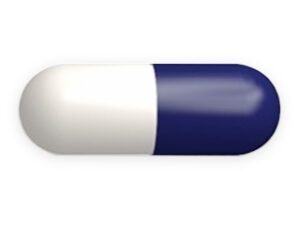
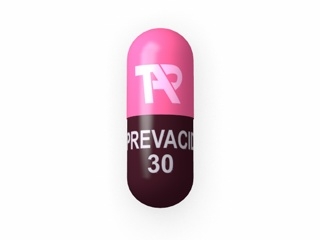
- Formulations: Tablets and/or capsules, and sometimes alternative formulations
Always check the label or your pharmacist’s instructions for the exact strength and how to take it.
How Prevacid works (mechanism of action)
Lansoprazole is a proton pump inhibitor. Proton pumps are structures in stomach cells that produce acid. Lansoprazole works by irreversibly blocking these pumps, reducing the amount of acid made in the stomach.
Because it works at the level of the “acid pump,” PPIs generally perform best when taken before meals, giving the medicine time to activate and inhibit the pumps that become active after food triggers acid production.
Pharmacokinetics (how the body handles it)
Pharmacokinetics describes what the body does to a medicine—absorption, distribution, metabolism, and elimination. Key points for lansoprazole include:
- Absorption: Lansoprazole is absorbed after oral dosing. Acid in the stomach can affect how it works, which is why special formulations are used.
- Onset: Acid reduction can begin within the first day, with improved control over several days.
- Protein binding: It binds extensively to blood proteins.
- Metabolism: Primarily processed in the liver (notably via CYP enzyme pathways).
- Elimination: Metabolites are mainly cleared through the urine and/or bile.
Individual response may vary. If symptoms persist after the recommended course, further assessment may be necessary.
Typical uses and indications
Common indications in practice
Lansoprazole may be used for conditions related to increased stomach acid or damage from acid exposure, including:
- GORD (gastro-oesophageal reflux disease) including heartburn and reflux symptoms
- Erosive oesophagitis (inflammation/erosions in the oesophagus due to reflux)
- Stomach ulcer and duodenal ulcer
- Prevention of NSAID-related gastric problems (in some patients at risk)
- Helicobacter pylori-associated disease (often as part of combination therapy in clinical protocols)
- Zollinger–Ellison syndrome (rare, overproduction of stomach acid)
The exact indication, dose, and duration depend on your diagnosis and risk factors.
Dosing – how it’s commonly taken
Dosing varies by the condition being treated, your age, kidney/liver function, and other medicines. Follow the instructions on the pack or from your healthcare professional.
General dosing principles
- Take before meals: Many regimens use once-daily dosing before breakfast or before a main meal.
- For more severe symptoms: Some patients may be prescribed twice-daily dosing (before breakfast and before dinner) depending on the condition.
- Duration matters: Even if symptoms improve quickly, completing the advised course helps prevent recurrence.
Example timing patterns (general guidance)
- Once daily: typically taken 30 minutes before breakfast
- Twice daily (if advised): first dose 30 minutes before breakfast; second dose 30 minutes before dinner
If you’re unsure about the timing for your specific pack, ask your pharmacist. Accurate timing can make a noticeable difference in symptom control.
Timing and missed doses
Best time to take Prevacid
PPIs like lansoprazole work best when taken before food because acid production increases after meals. A common recommendation is to take it 30 minutes before eating.
If you miss a dose
- If you remember shortly after: take it if it is still close to your scheduled time.
- If it’s close to the next dose: skip the missed dose and take the next one as scheduled.
- Do not double dose: avoid taking extra tablets to “catch up.”
If you frequently forget doses, consider setting a daily reminder or discuss options with your pharmacist.
Food interactions and what to eat/drink
Food can influence the effectiveness of lansoprazole. While it still works, taking it with or soon after food may reduce the acid-suppressing effect compared with dosing before meals.
Practical food tips
- Take before meals (commonly 30 minutes prior).
- Avoid taking with large, heavy meals if possible—aim for a consistent routine.
- Swallow whole if your product instructions indicate this. Don’t crush or open unless the pack specifically allows it.
There are no “forbidden foods” for most people on lansoprazole, but your symptoms may be affected by triggers such as spicy foods, high-fat meals, chocolate, peppermint, caffeine, and alcohol.
Alcohol and medicine interactions
Alcohol can worsen reflux symptoms and may irritate the stomach and oesophagus. While alcohol does not usually directly “react” with lansoprazole like some drug interactions, it can undermine symptom control.
Alcohol – patient-friendly guidance
- Limit alcohol if you have frequent heartburn or reflux.
- If you notice symptoms after drinking, consider reducing or avoiding alcohol and reassessing triggers.
Important medicine interactions (general)
Lansoprazole may interact with other medicines, especially those where absorption depends on stomach acidity or where liver metabolism is affected. Always tell your pharmacist about all medicines you take, including over-the-counter options.
- Medicines affected by stomach acidity: Acid suppression can change absorption of some drugs (examples may include certain antifungals and some antivirals).
- Warfarin: Lansoprazole can affect clotting control in some patients; monitoring may be needed.
- Clopidogrel: Proton pump inhibitors can affect activation in some contexts; advice may be needed for the best choice.
- HIV medicines and other specialist drugs: Interactions can occur; check with your pharmacist.
- Some anti-seizure medicines: May affect metabolism of lansoprazole or vice versa.
- Other PPIs: Do not take two PPIs together unless specifically advised.
This is not a complete list. If you share a full list of your medicines (including vitamins and herbal products), your pharmacist can check interaction risks more precisely.
Safety profile – common side effects and what to watch for
Common side effects
Many people tolerate lansoprazole well. Commonly reported side effects can include:
- Headache
- Diarrhoea or constipation
- Nausea
- Abdominal pain, bloating, or indigestion
When to seek urgent medical advice
Contact a healthcare professional promptly if you experience:
- Signs of a serious allergic reaction (swelling of face/lips, severe rash, trouble breathing)
- Severe or persistent stomach pain, vomiting blood, or black/tarry stools
- Unexplained weight loss or progressive trouble swallowing
- Persistent diarrhoea, especially with fever or blood in stool
Long-term considerations (important)
PPIs are often used for weeks to months, but some people require longer courses. With long-term use, clinicians typically reassess the need and aim for the lowest effective dose.
Potential concerns discussed in clinical practice may include:
- Vitamin and mineral changes: Prolonged acid suppression can influence absorption of nutrients such as magnesium and vitamin B12 in some patients.
- Infections: Some people may have increased risk of certain gastrointestinal infections due to altered stomach acidity.
- Bone health: Long-term use has been associated (in studies) with small changes in fracture risk, particularly in higher-risk individuals.
Your pharmacist or doctor can advise on monitoring and whether step-down therapy is appropriate after symptom control.
Practical use tips (to get the best results)
- Use a routine: Taking your dose at the same time each day helps maintain steady acid suppression.
- Take before food: Aim for about 30 minutes before breakfast (or before your main meal).
- Don’t stop early: If you’re on a planned course, complete it unless your clinician advises otherwise.
- Track symptoms: Note triggers and improvement over the first few days; this can guide whether the regimen is working.
- Consider lifestyle changes: For reflux, these may include smaller meals, avoiding late-night eating, elevating the head of your bed, and maintaining a healthy weight if relevant.
- Separate interacting medicines if advised: If another medicine has specific timing requirements, follow professional guidance.
Alternative options
If you cannot tolerate lansoprazole or if another option fits better, there are several alternatives. The best choice depends on the condition, your medical history, and other medications.
Within the same class (PPIs)
- Omeprazole
- Esomeprazole
- Pantoprazole
- Rabeprazole
Other acid-reducing medicines
- H2-receptor antagonists (e.g., famotidine) – may be used for some reflux symptoms
- Antacids – for rapid, short-term symptom relief
- Alginate-based products – can form a barrier to reduce reflux episodes
If you’re considering alternatives, ask your pharmacist. Switching within classes may require similar timing habits, and stopping suddenly may allow acid levels to rise again.
Market and legal context for Australia
In Australia, PPIs are used widely for reflux and ulcer-related disorders. Availability can vary depending on strength and product type. Some formulations may be supplied under general categories of supply, while others may be restricted depending on the exact product and indications.
Your local pharmacy can confirm what is available to you. Always use medicines only for the purpose described on the product information and follow professional guidance for your health situation.
Recent guidance and clinical considerations
Australian and international clinical practice continues to emphasise:
- Use the lowest effective dose for the shortest duration needed to control symptoms.
- Review ongoing therapy after symptom stability, especially for long-term use.
- Consider step-down or on-demand strategies for suitable patients under clinician guidance.
- Assess “alarm” symptoms (such as trouble swallowing, bleeding, weight loss) rather than relying on acid suppression alone.
If symptoms persist despite appropriate use, it may be important to reconsider diagnosis or evaluate complications.
Delivery and availability
Online pharmacies may deliver Prevacid products across Australia where permitted by local regulations. Availability, formulation, and strength can vary by supplier and stock levels.
- Stock status: Check the product page for real-time availability.
- Delivery times: Vary by location—confirm at checkout.
- Cold chain: Lansoprazole products are typically stable at normal conditions, but follow the packaging directions.
- Packaging: Items are usually delivered in manufacturer packaging with clear dosing instructions.
If you need help choosing the correct strength or formulation, contact your pharmacist before placing an order.
Information for safe storage and handling
- Store below 30°C (unless your pack states a different temperature).
- Keep in the original packaging to protect from moisture/light as directed.
- Keep out of reach of children.
- Check expiry date before use.
Drug information at a glance
| Topic | What to know |
|---|---|
| Medicine type | Proton pump inhibitor (PPI) – reduces stomach acid |
| Best time to take | Often ~30 minutes before breakfast or another main meal |
| Typical effect | Improves acid control over days; symptoms may improve quickly |
| Food interaction | Taking with/after food may reduce effectiveness versus pre-meal dosing |
| Alcohol | May worsen reflux; limit if symptoms are triggered |
| Common side effects | Headache, diarrhoea/constipation, nausea, abdominal discomfort |
| Serious warning signs | Allergic reaction, bleeding signs, persistent/worsening symptoms |
| Long-term use | Reassess need periodically; discuss monitoring if used for months |
FAQ – Prevacid (Lansoprazole)
1) What is Prevacid used for?
Prevacid (lansoprazole) is used to reduce stomach acid and treat acid-related conditions such as GORD/reflux, oesophagitis, ulcers, and in some cases prevention of NSAID-related stomach problems. It may also be used in combination regimens for specific bacterial-related disease as directed by clinicians.
2) How long does it take to work?
Many people notice symptom improvement within the first few days. Full acid control can take several days. If symptoms do not improve within the recommended timeframe for your condition, seek advice from a pharmacist or doctor.
3) Should I take Prevacid before or after food?
Usually, take it before food for best effect—commonly about 30 minutes before breakfast. If you have a twice-daily schedule, the second dose is typically before dinner.
4) Can I drink alcohol while taking Prevacid?
Alcohol does not commonly cause a direct interaction, but it can worsen reflux and irritate the stomach/oesophagus. Limiting alcohol is often helpful if heartburn is a problem.
5) What medicines can interact with lansoprazole?
Interactions can occur with medicines whose absorption or effects depend on stomach acidity, and with some medicines metabolised in the liver. Examples that may require attention include warfarin and clopidogrel. Always discuss your full medicine list with a pharmacist.
6) What should I do if I miss a dose?
Take it when you remember if it’s close to your scheduled time. If it’s near your next dose, skip the missed dose. Don’t double up.
7) Are there any side effects I should watch for?
Common effects include headache, nausea, and changes in bowel habits. Seek urgent medical attention for severe allergic reactions, bleeding signs (such as vomiting blood or black stools), or persistent/severe symptoms.
8) Can I take Prevacid long-term?
Some people may need longer courses, but it’s best to reassess the need periodically and use the lowest effective dose. Discuss long-term plans with a healthcare professional—especially if you have other risk factors.
9) Is Prevacid safe for everyone?
Lansoprazole may not be suitable for all individuals, depending on age, medical conditions, and other medicines. If you’re pregnant, breastfeeding, have liver problems, or take multiple medicines, seek personalised advice from your pharmacist.
10) What lifestyle changes can help reflux along with Prevacid?
Helpful measures often include avoiding late-night meals, reducing trigger foods (fatty, spicy, caffeine), maintaining a healthy weight, and elevating the head of your bed if night symptoms occur.
Disclaimer: This information is for general education and may not reflect your personal medical needs. If you have questions about your specific situation, ask a pharmacist for guidance about dosing, timing, interactions, and suitability.