
Pentasa (Mesalamine) – Patient-Friendly Guide (Australia)
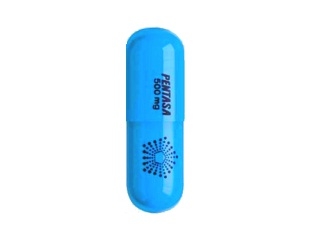
Pentasa contains mesalamine (also called 5-aminosalicylic acid, 5‑ASA). It is a medicine used to treat inflammatory bowel diseases, particularly ulcerative colitis and Crohn’s disease affecting the bowel lining. This guide explains how Pentasa works, how it is taken, what to expect, safety considerations, and practical tips for everyday use in Australia.
| Key information | What it means for you |
|---|---|
| Active ingredient | Mesalamine (5‑ASA) |
| Common uses | Ulcerative colitis; some Crohn’s disease cases (as directed) |
| How it works | Anti-inflammatory action in the gut lining |
| Typical dosing | Depends on condition, severity, and formulation strength |
| Formulations | Often available as prolonged release pellets/tablets (brand/form may vary) |
| Onset | Symptoms may improve within days to weeks; full benefit may take longer |
1) Basic product information
Pentasa is a brand of mesalamine. Mesalamine belongs to the class of medicines called aminosalicylates (5‑ASA medicines). In many forms of Pentasa, the medication is designed to release gradually in the intestines, helping deliver the active drug to the gut where it is needed.
In Australia, Pentasa is generally available through community pharmacies and is commonly supplied as oral controlled-release formulations.
Important note: Product strength and the exact dosing schedule can differ between formulations. Always use the instructions on the packaging and the advice provided by your treating clinician or pharmacist for your specific product.
2) How Pentasa works (mechanism of action)
Mesalamine works primarily by reducing inflammation in the lining of the gastrointestinal tract. While the exact pathway is complex, mesalamine’s key anti-inflammatory effects include:
- Local action in the gut: It helps calm inflammation at the site where bowel symptoms originate.
- Reduction of inflammatory signals: Mesalamine may influence production of inflammatory substances (including eicosanoids and other mediators).
- Anti-oxidant properties: It may help limit oxidative damage in inflamed tissue.
Because Pentasa is designed for gut-targeted delivery, it aims to provide benefit mainly in the intestinal lining rather than through full-body (systemic) effects.
3) Pharmacokinetics (how the body handles it)
Pharmacokinetics describes absorption, distribution, metabolism, and excretion. For mesalamine/5‑ASA:
- Absorption: Most mesalamine acts locally in the gut. Some of the drug is absorbed into the bloodstream.
- Distribution: Absorbed mesalamine can be distributed in body fluids, but the intended major action remains within the intestinal tract.
- Metabolism: Mesalamine is metabolised mainly in the intestinal wall and liver to N‑acetyl‑5‑ASA (an inactive or less active metabolite in many contexts).
- Excretion: The drug and its metabolites are eliminated primarily via the kidneys and through bowel pathways.
Why kidney health matters: Because a portion of mesalamine is excreted through the kidneys, monitoring kidney function is important for many patients—especially those with pre-existing kidney disease or risk factors.
4) Typical use in Australia
Pentasa is used to treat inflammatory bowel conditions, most commonly:
- Ulcerative colitis (UC):
- Induction of remission (helping control an active flare)
- Maintenance of remission (helping prevent relapses)
- Crohn’s disease (in selected cases):
- Particularly when inflammation affects certain parts of the bowel
- Used depending on individual disease pattern and severity
Symptom improvement timeline: Some people notice symptom relief within days, but it can take several weeks to see the full benefit, especially for maintenance and more established disease.
5) Timing: when to take Pentasa
Pentasa is usually taken regularly to maintain anti-inflammatory effect in the gut.
- Consistency matters: Try to take doses at the same times each day.
- Divided dosing: Many regimens involve more than one dose per day. Follow your prescribed schedule.
- Do not skip without advice: Stopping suddenly can allow inflammation to return.
How to take it:
- Swallow tablets/capsules whole as directed by the product instructions.
- If your specific formulation is pellets, follow instructions for taking pellets (some formulations may allow swallowing with water without chewing; others may require a different method).
- If you are unsure, ask a pharmacist before changing how you take it.
6) Food interactions and practical eating guidance
Mesalamine is generally taken with or without food depending on your formulation and tolerance.
- Stomach comfort: Some people find it more comfortable to take Pentasa with food if it causes mild nausea or stomach upset.
- Absorption considerations: Controlled-release/prolonged-release formulations aim to release drug along the intestine, so sudden changes in formulation handling should be avoided.
- Avoid tampering: Do not crush or chew unless the product instructions specifically allow it.
Food allergy considerations: If you have a history of intolerance to ingredients in the formulation (such as specific excipients), check the product leaflet or ask your pharmacist.
7) Alcohol interactions
There is no well-established “classic” alcohol interaction that is expected to cause severe harm for most people using mesalamine. However, alcohol may:
- Worsen bowel symptoms in some individuals (e.g., diarrhoea, urgency, abdominal discomfort).
- Trigger flares indirectly if it affects sleep, hydration, diet, or stress tolerance.
Practical advice: If you choose to drink alcohol, do so in moderation and monitor how your gut responds. If you notice worsening symptoms, consider avoiding alcohol during active inflammation.
8) Medicine interactions (other drugs you may be taking)
Most drug interactions are not frequent, but it’s important to consider interactions that affect the kidneys, stomach, or immune system.
Tell your pharmacist or clinician about all medicines you use, including:
- Other anti-inflammatory bowel medicines (e.g., steroids, biologics, immunomodulators)
- Non-steroidal anti-inflammatory drugs (NSAIDs) such as ibuprofen, naproxen, diclofenac
- Blood pressure medicines and diuretics
- Medicines that affect kidney function
- Warfarin or other anticoagulants (if applicable)
- Diarrhoea medicines or bile acid binders (if you use them)
Potential interaction considerations:
- Kidney risk with certain medicines: Some drugs can also stress the kidneys. Using these alongside mesalamine may increase the importance of monitoring kidney function.
- Other salicylates: If you take other salicylate-containing products, you should discuss totals with a clinician/pharmacist.
- Rarer hypersensitivity reactions: If you have a history of drug allergies, inform healthcare professionals.
Tip: If you start or stop any medicine (including “over-the-counter” products), check with your pharmacist to ensure compatibility.
9) Indications (who Pentasa is for)
Pentasa is indicated for inflammatory bowel disease and is commonly used for:
- Ulcerative colitis:
- Induction of remission
- Maintenance of remission
- Crohn’s disease:
- In some patients, particularly when the disease is in regions where 5‑ASA is considered appropriate by clinical guidelines
Whether Pentasa is suitable for you depends on your specific diagnosis, disease location, severity, and response to previous treatments. A clinician typically decides the best approach based on guideline-based care.
10) Dosing: typical adult and paediatric considerations
Dosing varies by:
- Your diagnosis (UC vs Crohn’s; flare vs maintenance)
- Disease severity and treatment goals
- Your age and weight (especially in children)
- The exact Pentasa formulation and strength you have
Because different countries and product strengths use different schedules, this guide provides general dosing principles rather than exact numbers. Always follow the dose written for your specific prescription/plan and the product label.
General dosing principles (useful for patients)
- Maintenance vs induction: Induction regimens can be higher than maintenance regimens.
- Once vs multiple daily doses: Some formulations are taken multiple times per day to maintain gut levels.
- Children and adolescents: Dosing is usually weight-based or age-based and should be supervised by a paediatric gastroenterology team.
How to adjust safely
- Do not double up if you miss a dose—follow the advice given by the pharmacy or product leaflet.
- If you frequently miss doses, discuss adherence strategies with your pharmacist.
- If symptoms worsen, do not increase the dose without medical guidance—flare management may require a different or additional treatment plan.
Monitoring: Many patients have periodic blood and urine tests to monitor kidney function and overall safety, especially during longer-term use.
11) Safety profile: what to watch for
Like all medicines, Pentasa can cause side effects. Many people tolerate mesalamine well, but it’s important to know what’s normal and what needs urgent attention.
Common or generally mild side effects
- Nausea
- Headache
- Abdominal discomfort
- Diarrhoea or worsening bowel symptoms (sometimes initially, particularly in those with active disease)
- Rash (mild)
Seek urgent medical help if you develop
- Signs of allergy: swelling of face/lips, severe rash, wheezing, difficulty breathing
- Severe or persistent fever
- Blood in stool with significant worsening, dizziness, or weakness
- Severe abdominal pain or dehydration
- Possible kidney problems:
- Significant reduction in urine output
- New swelling (e.g., ankles/face)
- Unexplained fatigue with changes in urine
- Unusual bruising or bleeding (rare; get assessed promptly)
Rare but important considerations
Mesalamine can, in rare cases, lead to inflammatory reactions in other parts of the body or affect the kidneys. Your healthcare team may advise baseline and follow-up monitoring, particularly if you have kidney disease or other risk factors.
Report side effects: If you experience any side effects, even if mild, it’s useful to tell your pharmacist or clinician. You can also report serious or unexpected reactions through Australia’s medicine safety channels as appropriate.
12) Practical use tips (to get the best results)
- Take it at the same times daily to support consistent gut exposure.
- Don’t alter the formulation (e.g., don’t crush/chew) unless the product instructions explicitly allow it.
- Track symptoms: if you’re in a flare, note stool frequency, bleeding, urgency, and abdominal pain to help assess response.
- Stay hydrated, especially during diarrhoea.
- Keep follow-up appointments for blood/urine tests if your clinician recommends monitoring.
- Plan for missed doses: If you forget a dose, check the product leaflet or ask your pharmacist for what to do next.
- Check expiry dates and storage conditions on the packaging.
13) Alternative options (if Pentasa isn’t suitable)
Your choice of therapy depends on your condition, disease activity, and past response. Possible alternatives include other 5‑ASA preparations, corticosteroids for flares, or other medicines for inflammatory bowel disease.
5‑ASA alternatives
- Other mesalamine brands (different release formulations may be available)
- Different 5‑ASA molecules (e.g., sulfasalazine), depending on suitability
Non–5‑ASA options (for more severe disease or if 5‑ASA is insufficient)
- Corticosteroids for short-term control of flares
- Immunomodulators for steroid-sparing maintenance
- Biologics for moderate-to-severe disease
- Small-molecule therapies used in selected cases
Important: Do not switch therapies on your own. If you’re considering an alternative, talk to your gastroenterology team so the transition is safe and planned.
14) Market and legal context for Australia
In Australia, medicines are supplied under established regulatory frameworks and are dispensed according to classification rules. Availability can vary depending on:
- The specific product strength and formulation
- Whether it is supplied as a scheduled/dispensed medicine
- Pharmacy supply and stock availability
Quality and safety standards: Medicines sold in Australia must meet requirements for manufacture, labelling, and safety monitoring. If you buy online, choose reputable Australian pharmacy services and check that products are supplied with correct labelling and expiry details.
Guideline-based care: Inflammatory bowel disease management in Australia typically follows national and international gastroenterology guidelines, which may include 5‑ASA medicines for mild to moderate disease and maintenance strategies for eligible patients.
15) Recent guidance and clinical practice (what “current best practice” means)
Clinical practice evolves as new evidence emerges. In general, contemporary approaches emphasise:
- Treating based on disease severity and location (not a one-size-fits-all approach)
- Using objective monitoring where appropriate (symptoms, stool markers, and possibly endoscopy as advised)
- Regular safety monitoring for long-term 5‑ASA therapy, especially kidney-related checks
- Adherence and combination strategies when monotherapy is insufficient
Speak with your clinician about whether Pentasa is the best option for your current disease status, and whether monitoring is needed based on your medical history.
16) Delivery and availability (online pharmacy considerations)
Availability of Pentasa can depend on stock levels, strength/formulation, and pharmacy supply arrangements. When ordering online in Australia, it’s helpful to:
- Confirm the exact product (brand, strength, and formulation type)
- Check expiry date and pack size
- Verify delivery area eligibility and estimated delivery times
- Use secure payment and track your order if a tracking option is provided
Cold chain: Pentasa is generally stored at controlled room conditions; it typically does not require a temperature-controlled (“cold chain”) delivery. Check the packaging instructions for your specific product.
If you need urgent supply: Contact customer support to ask about alternative pack sizes, dispatch timing, or local pharmacy pick-up options (if offered).
17) FAQ – Pentasa (Mesalamine)
How long does Pentasa take to work?
Some people begin to notice improvement within days, especially for symptoms related to active inflammation. However, full benefit may take several weeks. If you don’t feel improvement after the expected timeframe, speak with your clinician to reassess your treatment plan.
Can I stop Pentasa when I feel better?
Stopping when symptoms settle can increase the risk of relapse. Many patients take Pentasa as part of long-term maintenance if it is working well. Only stop or change your plan under medical advice.
What should I do if I miss a dose?
Follow the guidance on your medicine leaflet or ask your pharmacist. In general, don’t double up to make up for a missed dose. The best action depends on how close the missed dose is to your next scheduled dose.
Is Pentasa safe for long-term use?
Many patients use 5‑ASA medicines for extended periods. Long-term use requires appropriate monitoring based on your personal risk factors—particularly kidney function and blood tests when recommended by your healthcare team.
Does Pentasa interact with food?
Pentasa can often be taken with or without food, depending on tolerance and the specific product. If your stomach is sensitive, taking it with food may help. Avoid altering how the controlled-release formulation is handled unless instructions specifically allow it.
Can I drink alcohol while taking Pentasa?
There is no universal “prohibited” interaction, but alcohol may worsen bowel symptoms for some people. If you choose to drink, keep it moderate and observe your gut response. Avoid alcohol during a flare if it aggravates symptoms.
Will Pentasa affect my kidneys?
Most people do not experience kidney problems. However, rare kidney-related reactions have been reported with mesalamine products. If you develop symptoms such as reduced urine output, swelling, or unusual fatigue, seek prompt medical advice. Regular monitoring may be recommended.
Is Pentasa used for Crohn’s disease?
It can be used in selected Crohn’s disease situations depending on disease location and severity. Your gastroenterology team determines whether 5‑ASA is appropriate for your specific case.
What if I get a rash or feel unwell after starting?
Mild rash can occasionally occur. If you develop severe rash, swelling, breathing difficulties, persistent fever, or you feel seriously unwell, seek medical help urgently and stop taking the medicine until you are advised.
Are there alternatives if Pentasa doesn’t control my symptoms?
Yes. Alternatives can include other 5‑ASA formulations, corticosteroids for short-term flare control, immunomodulators, biologics, and other bowel-directed therapies depending on the severity and response. Discuss options with your healthcare team.
Summary
Pentasa (mesalamine) is a commonly used 5‑ASA medicine for ulcerative colitis and selected cases of Crohn’s disease. It helps reduce inflammation in the gut lining and is designed to release medication in the intestinal tract for local action. With correct use and appropriate monitoring—especially kidney checks when advised—many people achieve symptom improvement and longer-term remission. If you have questions about dosing, timing, side effects, or interactions with your other medicines, your pharmacist is a great first point of contact.