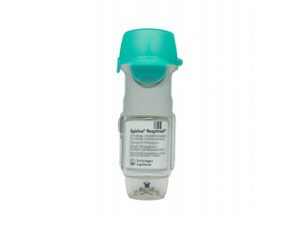



Zomig (Zolmitriptan) – Patient-Friendly Medicine Information (Australia)
Zomig contains zolmitriptan, a medicine used to treat migraine attacks. It works by targeting specific pathways involved in migraine pain and can help relieve symptoms such as headache, nausea, and sensitivity to light or sound.
This guide is written for patients in Australia and provides practical, easy-to-understand information about how Zomig works, how it’s taken, common safety points, and what to consider with other medicines and alcohol.
Quick Facts
- Active ingredient: Zolmitriptan
- Common use: Treatment of migraine attacks (with or without aura)
- Also known for: Being a “triptan” medicine
- Best taken: As early as possible after a migraine starts (but not before it begins)
- Forms: Zomig may be available as tablets and some forms may include orally disintegrating options depending on brand availability
What Is Zomig?
Zomig is a member of the triptan group of medicines. Triptans are designed to reduce migraine symptoms by affecting blood vessels and pain signalling in the brain and surrounding structures.
Zomig is typically used for acute relief—meaning it’s taken to treat an attack after symptoms begin. It is not the same as preventive migraine treatments, which are taken regularly to reduce the frequency of attacks.
Mechanism of Action (How It Works)
Zolmitriptan works mainly by acting on serotonin (5-HT) receptors—particularly 5-HT1B and 5-HT1D receptor subtypes (and related pathways).
- Stops migraine pain signalling: It helps reduce the release of certain pain-related substances.
- Modulates blood vessel responses: Migraine involves changes in vascular and nerve signalling; zolmitriptan helps counter these changes.
- Reduces associated symptoms: Many people also experience less nausea and sensitivity to light/sound after taking an effective dose.
Note: Migraine symptoms can vary between attacks. Some people find early dosing helps, while others need to adjust timing or dose with clinician guidance.
Indications (What It’s Used For)
Zomig is used for the acute treatment of:
- Migraine with aura (including the warning symptoms before headache)
- Migraine without aura
It is intended for migraine attacks. It may not be suitable for other types of headache (for example, cluster headaches) unless specifically directed.
When to Take Zomig (Timing and Practical Approach)
For best results, take Zomig as soon as possible after migraine symptoms begin. You should only take it once you recognise an attack or when you feel it is developing—not to prevent a migraine before symptoms start.
- During aura: Many people can take zolmitriptan when aura starts or as the headache begins. Follow your personal plan from your healthcare provider.
- During headache: Take it at the start of the migraine for a better chance of relief.
- If it doesn’t work: Not every medicine works for every attack. Do not exceed recommended dosing limits. Seek advice if attacks are not responding.
- If headache returns: A repeat dose may be considered within the maximum daily limits (see dosing section).
Dosing (Typical Guidance for Adults)
Dosing varies by formulation, strength, and individual factors such as other medicines and kidney/liver function. The information below provides common patient-oriented guidance; always follow the instructions on your product information and/or your clinician’s advice.
Typical adult dosing overview
- Starting dose: Often 2.5 mg or 5 mg taken at the start of a migraine attack, depending on the product and your prior response.
- Repeat dose: If symptoms return, a further dose may be taken after a set interval (commonly at least 2 hours after the first dose).
- Maximum in 24 hours: Do not exceed the product’s stated maximum daily dose. Typical maximums for zolmitriptan are often in the range of 10 mg to 15 mg per day depending on the formulation used, but you should confirm the exact limit for your specific Zomig product.
Children and adolescents: Zomig use in children/adolescents depends on country-specific approvals and product information. If you’re considering use in younger patients, check the product label and consult a healthcare professional.
Missed dose
Zomig is taken for an attack. If you miss the early stage of an attack, you may still take it when the headache begins—provided you follow dosing limits and it is appropriate for your situation.
Pharmacokinetics (How the Body Handles Zolmitriptan)
Pharmacokinetics describes absorption, distribution, metabolism, and elimination—helpful for understanding how the medicine works across time. The exact values can vary by formulation and patient factors.
- Absorption: After oral administration, zolmitriptan is absorbed from the gastrointestinal tract.
- Onset: Many people begin to feel migraine relief within about 1–2 hours after taking a dose, though individual response varies.
- Metabolism: Zolmitriptan is metabolised mainly in the liver. An active metabolite may contribute to overall effect.
- Excretion: Metabolites are eliminated primarily through the kidneys and/or via bile.
- Half-life: The elimination half-life is typically several hours (commonly around 2–3 hours), which helps explain why some people may need a second dose if symptoms return.
People with reduced kidney or liver function may require dose adjustments or special caution, as zolmitriptan exposure can be higher.
Food Interactions (Taking With or Without Meals)
Zomig can generally be taken with or without food. Food may slightly affect how quickly the medicine is absorbed in some people, but it does not usually require strict timing rules.
- If nausea is present: Many people prefer taking it early in the attack with a small amount of water.
- If you’re vomiting: If you vomit soon after taking a dose, the absorbed amount may be reduced. Follow product guidance or seek advice for what to do next.
Alcohol and Medicine Interactions
Alcohol
There isn’t a universal “danger” interaction between alcohol and zolmitriptan for every person, but alcohol can:
- Increase migraine risk: Alcohol (especially red wine, beer, spirits) can trigger migraine in some individuals.
- Worsen nausea: Alcohol may aggravate stomach symptoms, making migraine harder to treat.
- Mask side effects: If you’re affected by dizziness or drowsiness, alcohol can compound that.
If alcohol triggers your migraines, it may be best to avoid it during periods when you’re vulnerable.
Important medicine interactions
Some medicines can change how zolmitriptan works or increase the risk of side effects. The following interactions are particularly important to discuss with your healthcare professional or pharmacist:
- Other triptans: Avoid taking more than one triptan for the same migraine attack within a short time unless advised.
- Ergot-containing medicines (for migraine): Do not use together unless directed, due to higher risk of blood vessel effects.
- Serotonin-modifying medicines: Caution is needed with certain antidepressants and other serotonergic drugs (for example, some SSRIs, SNRIs, MAO-A inhibitors, and others). The risk of serotonin syndrome is generally low but should be considered, especially if combinations are complex.
- CYP inhibitors (including some antibiotics/antifungals): Some medicines can raise zolmitriptan levels. Your dose may need adjustment. Common examples include certain protease inhibitors and antifungal/antibiotic drugs that inhibit liver enzymes.
- Propranolol (beta-blocker): This may alter zolmitriptan exposure; sometimes a lower zolmitriptan dose is recommended.
- Herbal products: St John’s wort may affect metabolism—ask your pharmacist if you use it regularly.
If you take multiple medicines, it’s a good idea to do a quick medication review with a pharmacist when starting or changing zolmitriptan.
Safety Profile (Common and Serious Side Effects)
Common side effects
Side effects are often mild and temporary. People commonly report:
- Head pressure or tightness (sometimes described as chest or throat tightness)
- Dizziness
- Tiredness or drowsiness
- Nausea or stomach discomfort
- Pins and needles (tingling)
- Flushing
Serious warning signs (seek urgent medical help)
Some symptoms require immediate attention, especially if they are new, severe, or persistent:
- Chest pain, heavy pressure, or pain spreading to arm/jaw
- Signs of stroke such as weakness on one side, face drooping, trouble speaking, sudden severe headache
- Allergic reaction: swelling of face/lips/tongue, breathing difficulty, rash with hives
- Serotonin syndrome symptoms (especially with other serotonergic medicines): agitation, confusion, fever, sweating, fast heartbeat, tremor, diarrhoea
- Severe abdominal pain with persistent vomiting
If any of the above occur, seek urgent medical care and stop taking further doses unless a clinician advises otherwise.
Medication overuse headache (important)
Using acute migraine medicines too frequently can cause medication overuse headache (a rebound pattern where headaches become more frequent). As a general rule, avoid taking acute medicines on too many days each month.
- Many guidelines suggest limiting acute triptan use to no more than about 10 days per month (or as advised by your healthcare professional).
- If you need Zomig regularly, discuss preventive strategies with a clinician.
Practical Tips for Better Results
- Take it early: Don’t wait until the pain becomes overwhelming if you can recognise the attack.
- Use water and a quiet environment: Rest in a dark, low-noise room if possible.
- Consider combination approaches: Some people also benefit from anti-nausea treatments or pain relievers, but avoid stacking medicines that may duplicate similar risks.
- Track response: Keep a simple diary (time taken, dose, effectiveness, side effects). This helps identify patterns and whether a different dose or option may work better.
- Understand “return” of headache: It’s possible for symptoms to come back within 24 hours. If that happens, follow your dosing plan and maximum daily limits.
- Don’t exceed limits: If one dose doesn’t help, try not to keep taking additional doses beyond recommended instructions.
Alternative Options for Migraine Attacks
Treatment depends on the type of migraine, how often attacks occur, other health conditions, and your response to medicines. Alternatives may include:
Other acute (attack) treatments
- NSAIDs (e.g., ibuprofen, naproxen) for some people
- Paracetamol (acetaminophen) (often less effective alone for moderate–severe attacks)
- Other triptans (for example, sumatriptan, rizatriptan, eletriptan, naratriptan)
- Gepants (CGRP receptor antagonists) and ditans (5-HT1F agonists) in some settings, depending on availability and clinician preference
- Anti-nausea medicines (help manage vomiting/nausea and may improve absorption of migraine medicines)
Preventive (maintenance) options
If attacks are frequent or acute treatments are not controlling symptoms reliably, preventive options may include lifestyle strategies and medicines such as beta-blockers, anticonvulsants, antidepressants, CGRP monoclonal antibodies, or other targeted therapies—depending on suitability.
Discuss options with a healthcare professional if you:
- have frequent migraines (for example, more than 4 per month),
- need acute medicine often, or
- experience significant disability despite treatment.
Market and Legal Context for Australia (What to Expect Online)
In Australia, migraine medicines and triptans are regulated under the Australian regulatory framework and are supplied in accordance with Therapeutic Goods Administration (TGA) requirements and relevant state/territory pharmacy rules.
Zomig products may be supplied as pharmacy-only medicines or under different scheduling depending on the specific product and formulation. Online pharmacies in Australia must follow applicable laws regarding:
- correct identification and supply of the listed product strength and form
- appropriate customer information and safety checks
- delivery of genuine medicines through compliant channels
Always ensure your online order lists the correct active ingredient and strength, and that the packaging matches the product you intended to purchase.
Recent Guidance and Ongoing Updates (How Recommendations May Evolve)
Migraine treatment guidance is periodically updated as new evidence appears and as health authorities refine recommendations. Recent clinical approaches commonly emphasise:
- using acute treatment early in an attack
- preventing medication overuse headaches
- individualising therapy based on comorbidities and cardiovascular risk
- reviewing interactions carefully (especially with serotonergic drugs)
If you’re unsure whether zolmitriptan is appropriate for you—particularly if you have heart disease, uncontrolled high blood pressure, or complex medication regimens—ask a pharmacist for tailored advice.
Delivery and Availability in Australia
Availability of Zomig depends on the specific product strength and formulation offered by suppliers at the time of ordering. When ordering online, you can usually expect:
- Product listings: active ingredient name, strength, dosage form
- Order processing: confirmation of product choice and delivery details
- Estimated delivery times: varying by location and courier service
- Tracking: often provided through the delivery service
If your preferred strength or form is out of stock, the pharmacy may provide alternatives that are clinically comparable, subject to availability and clinical appropriateness.
How to Use Zomig Safely (Patient Checklist)
- Confirm your migraine plan: Make sure you understand your dosing schedule and maximum daily limit.
- Know your triggers: Sleep changes, dehydration, and certain foods/alcohol can trigger migraines for some people.
- Review medicine interactions: Tell a pharmacist about all current medicines, including herbal products and over-the-counter drugs.
- Watch for side effects: Mild effects are common; severe symptoms need urgent attention.
- Avoid frequent use: To reduce rebound headaches, don’t exceed recommended days per month.
- Consider cardiovascular risk: If you have risk factors (e.g., smoking, diabetes, high cholesterol), discuss suitability with a healthcare professional.
Pharmacological Details Summary Table
| Category | Information (Patient-focused) |
|---|---|
| Medicine | Zomig (zolmitriptan) |
| Type | Triptan for acute migraine treatment |
| Main action | 5-HT1 receptor effects to reduce migraine pain signalling |
| Typical onset | Often within about 1–2 hours (varies by person and attack) |
| Metabolism | Liver metabolism; active metabolite may contribute |
| Elimination | Metabolites excreted mainly via kidneys and/or bile |
| Use style | Taken during an attack (acute relief) |
| Food | Usually can be taken with or without food |
FAQ – Frequently Asked Questions
1) Can I take Zomig at the start of an aura?
Many people take zolmitriptan when aura begins or when headache starts. However, timing may be individual. If your aura symptoms are unusual or you have never been diagnosed with migraine, seek medical advice before using an acute migraine medicine.
2) What if Zomig doesn’t work for my migraine?
Responses can vary from attack to attack. Don’t exceed the daily maximum. If attacks are repeatedly not responding, discuss options such as a different dose, a different triptan, or alternative treatments with a healthcare professional.
3) Can I take Zomig with food?
Yes. Zomig can generally be taken with or without food. If nausea is present, taking it with water and remaining upright may help.
4) Can I drink alcohol when I have migraines?
Alcohol may trigger migraines and worsen nausea. If alcohol triggers your symptoms, avoid it, especially around the time you’re trying to manage an attack.
5) What medicines should I avoid with Zomig?
Avoid combinations that may increase risk—such as other triptans or ergot-containing medicines for the same attack unless instructed. Also, check serotonergic medicines and drugs that affect metabolism (CYP inhibitors) with your pharmacist.
6) How often can I take Zomig?
Use depends on the product strength and the maximum limit stated on the packaging. In general, avoid frequent use to reduce the risk of medication overuse headache. If you need it often, ask about preventive treatment options.
7) Are there any situations where I should get urgent help?
Seek urgent medical attention if you develop symptoms such as chest pain/pressure, signs of stroke, severe allergic reaction, or severe persistent symptoms that are different from your usual migraine.
8) Can I drive after taking Zomig?
Some people may feel dizzy or tired. Until you know how zolmitriptan affects you, use caution with driving or operating machinery.
9) What should I do if I vomit after taking Zomig?
Vomiting may reduce absorption. If you vomit soon after taking the dose, follow the advice on your product information or ask your pharmacist for guidance on whether another dose is appropriate.
10) Where can I find the exact strength and dosing limits for my product?
The exact dose and maximum daily limit depend on the specific Zomig formulation you have. Check the packaging and patient information leaflet supplied with your product, and ask a pharmacist if anything is unclear.
Conclusion
Zomig (zolmitriptan) is a well-established triptan medicine for treating migraine attacks in adults. When taken early and used within recommended limits, it can significantly reduce migraine headache and associated symptoms for many people. Because migraines can vary and interactions can matter, taking a moment to confirm correct dosing, timing, and other medication compatibility helps you use Zomig more safely and effectively.
If you’re unsure whether Zomig is suitable for you or how it fits with your current medicines, speak with a pharmacist for personalised advice.