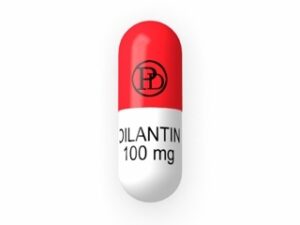
Phoslo (Calcium Acetate) – Patient Information
Phoslo is a brand of calcium acetate, a medicine commonly used to help manage high phosphate levels in certain people with long-term kidney disease. This guide explains what Phoslo is, how it works, how it should be taken, key safety information, and practical tips for everyday use in Australia.
Always follow the instructions provided by your healthcare professional and the label on your medicine. This page is general information to help you understand your treatment.
1. Basic product information
| Category | Details |
|---|---|
| Medicine | Phoslo (Calcium Acetate) |
| Common use | Phosphate binding in chronic kidney disease (CKD) |
| How it is used | Taken with meals/snacks to reduce dietary phosphate absorption |
| Typical form | Tablets/capsules depending on local brand presentation |
What phosphate is: Phosphate is a mineral your body uses for bones, energy, and cell function. When kidney function declines, phosphate can build up in the blood. Over time, high phosphate may contribute to bone problems and cardiovascular complications.
2. How Phoslo works (mechanism of action)
Phoslo contains calcium acetate. Its main role is to act as a phosphate binder in the gut.
- When you eat, phosphate from food is absorbed through the intestines.
- Phoslo releases calcium in the digestive tract.
- The calcium binds to phosphate in food before it can be absorbed.
- This forms an insoluble compound that is removed in stool, thereby reducing phosphate absorption.
Why timing matters: Phoslo works best when taken with food, because that is when dietary phosphate is present in the stomach and intestines.
3. Pharmacokinetics (what happens in the body)
Phosphate binders are designed to act mainly in the gastrointestinal tract. Key points include:
- Local intestinal action: Calcium acetate binds phosphate in the gut, limiting systemic absorption of phosphate.
- Calcium handling: Some calcium from the tablet can be absorbed. The amount absorbed varies depending on dose, diet, and individual physiology.
- Systemic effects: Because absorbed calcium can contribute to calcium balance, monitoring blood calcium and phosphate is important, especially in people with chronic kidney disease.
Clinical implication: Even though the primary purpose is intestinal binding, the potential for increased calcium levels means your healthcare provider will usually monitor relevant blood tests.
4. Typical use and why it may be prescribed
Phoslo is used as part of a broader approach to managing mineral and bone disorder in chronic kidney disease. Your overall plan may also include:
- Dietary phosphate restriction
- Vitamin D therapy or other bone-mineral medications (as directed)
- Regular monitoring of blood phosphate, calcium, and parathyroid hormone (PTH)
Phosphate control is important because: Persistently high phosphate levels can lead to worsening bone health and calcification in blood vessels and soft tissues. Managing phosphate aims to reduce these risks.
5. Indications (when Phoslo is used)
Phoslo is indicated for the control of hyperphosphataemia in patients with chronic kidney disease, particularly in those undergoing dialysis. It may also be used in other CKD settings depending on blood test results and treatment targets determined by your clinician.
In practice: It is usually selected when dietary measures alone are not sufficient and blood phosphate remains above your target range.
6. Dosing: typical approaches and how to take it
Dosing depends on your current phosphate level, dietary intake, and blood calcium results. Your clinician will determine your dose and target range.
General dosing principle
- Take Phoslo with meals (and with snacks that contain phosphate, if advised).
- Divide the dose across meals if you have more than one eating occasion per day.
Typical starting and adjustment
Common clinical practice is to start at a dose that matches meal phosphate content and then adjust based on follow-up blood tests. Dose adjustments may be made gradually, depending on:
- Serum phosphate response
- Calcium levels
- Any side effects
Important: Do not increase or decrease your dose without medical advice. If you miss a meal or cannot eat, follow your clinician’s guidance on whether to take or skip your binder dose.
7. Timing: best moments to take Phoslo
Phoslo is intended to work during digestion. For best results:
- Take with the first bites of food or during the meal.
- If you take it too far away from eating, it may not bind as much dietary phosphate.
- If you eat multiple meals/day, distribute doses across those eating times.
If you forget a dose: If you remember during the meal, take it as soon as possible. If you only remember after the meal has finished, ask your pharmacist or clinician for guidance. In general, you should not “double up” to compensate unless instructed.
8. Food interactions and dietary considerations
Phoslo works specifically with phosphate present in food, so dietary composition influences effectiveness.
How to get the most benefit
- Use phosphate binders consistently with meals.
- Follow a diet plan recommended for CKD (often aiming to limit high-phosphate foods).
- Let your healthcare team know if your appetite, meal pattern, or diet changes significantly.
High-phosphate foods
Phosphate can be high in certain foods, including (examples vary by individual diet):
- Processed foods and foods with phosphate additives
- Some dairy products
- Nuts, seeds, and legumes (depending on quantities)
- Cola-type drinks and some packaged beverages
Note: You may still eat many foods while on phosphate binders, but your dietitian/clinician may recommend limits or substitutions.
9. Alcohol and medicine interactions
Alcohol: Alcohol can worsen dehydration and may affect overall health and medication tolerance. While there is no universal “direct” interaction specific to calcium acetate, alcohol may indirectly increase risks such as:
- Reduced adherence to a consistent meal pattern (which affects binder timing)
- Gastrointestinal irritation for some people
- Changes in diet that influence phosphate intake
If you drink alcohol, consider discussing safe amounts with your healthcare provider, especially if you have CKD-related restrictions or other medical conditions.
Interactions with medicines (important)
Calcium-based binders can affect the absorption of some medicines by binding in the gut or changing local conditions. Tell your pharmacist or clinician about all medicines you take, including:
- Thyroid medicines (levothyroxine)
- Iron supplements
- Some antibiotics (e.g., tetracyclines and quinolones)
- Bisphosphonates for bone conditions
- Other medicines where separation may be recommended
- Calcium supplements or vitamin D products
Separation strategy: Many calcium-containing medications require spacing by several hours from phosphate binders. Your pharmacist can advise the best schedule for your specific medicines.
Always check label instructions and get tailored advice if you are taking multiple treatments.
10. Safety profile: common and serious side effects
Most people tolerate Phoslo reasonably well, but side effects can occur. Because calcium acetate can affect calcium levels and digestion, monitoring and early reporting are important.
Common side effects
- Constipation
- Nausea or stomach discomfort
- Abdominal pain or bloating
Less common concerns
- Diarrhoea (can occur in some individuals)
- Gas
- Changes in appetite
Important risks to discuss with your clinician
Because Phoslo increases calcium exposure (to some extent), risks include:
- High blood calcium (hypercalcaemia): May cause symptoms such as constipation, nausea, increased thirst/urination, confusion, or unusual fatigue.
- Low blood phosphate may occur if dosing is too high relative to your diet and kidney status.
- Calcification risk: In CKD patients, the overall balance between calcium, phosphate, and PTH can influence long-term outcomes—hence regular monitoring.
Seek urgent medical help if
- Severe constipation with vomiting or inability to pass stool/gas
- Symptoms suggesting significant high calcium (e.g., marked confusion, severe weakness)
- Signs of an allergic reaction (swelling of face/lips, difficulty breathing, widespread rash)
11. Practical use tips (getting the best results)
- Keep a routine: Link your dose to your meals (breakfast, lunch, dinner, and scheduled snacks).
- Use a pill organiser: Some people find it helpful, especially when dosing is divided across the day.
- Take as directed with meals: If you regularly forget, speak to your pharmacist—there may be strategies to improve adherence.
- Hydration matters: Follow your CKD fluid advice. Constipation may be worsened by insufficient fluids (within your personalised plan).
- Monitor lab results: Attend appointments for phosphate and calcium tests so your dose can be adjusted safely.
- Report medication changes: New medicines (especially antibiotics, thyroid medicines, or iron) may require spacing.
- Don’t stop abruptly: Phosphate targets are usually set over time—changes should be clinician-guided.
12. Alternative options for phosphate control
Phosphate binders come in different forms. Your healthcare team may choose an alternative based on your blood results, calcium levels, tolerability, and overall treatment goals.
Common alternative binder categories
- Sevelamer (a non-calcium binder)
- Lanththanum carbonate (a non-calcium binder)
- Iron-based binders (where appropriate and available)
- Other calcium-based binders (depending on what is suitable)
Why alternatives may be considered: If calcium levels are high, a clinician might switch away from calcium-based binders. If gastrointestinal side effects are troublesome, a different binder may be better tolerated.
Only your healthcare professional can decide which option is right for you.
13. Market and legal context for Australia
In Australia, prescription and dispensing arrangements for medicines depend on the product status and local regulations. Phosphate binders such as calcium acetate are used within clinical frameworks for chronic kidney disease management and are commonly supplied through pharmacies after assessment by a healthcare professional.
Regulation and quality: Medicines sold in Australia must comply with Therapeutic Goods Administration (TGA) requirements for quality, safety, and manufacturing standards. Always ensure you obtain medicines from legitimate, authorised sources.
Availability: Availability can vary depending on supply. If a specific brand or strength is temporarily unavailable, your pharmacist can advise on alternatives that are appropriate for your needs.
14. Recent guidance and clinical practice notes (overview)
Clinical guidance for managing CKD mineral and bone disorder commonly emphasises:
- Monitoring trends in serum phosphate and calcium rather than one-off results
- Individualised targets based on CKD stage, comorbidities, and PTH levels
- Dietary phosphate management alongside binder therapy
- Choosing binder type considering calcium load and gastrointestinal tolerability
Practical takeaway: If your blood test goals aren’t being met, dose adjustments or a switch in binder type may be discussed.
15. Delivery and availability (online pharmacy information)
Online pharmacies in Australia typically provide options such as:
- Home delivery to eligible areas
- Tracking updates where available
- Packaging privacy for discreet delivery
Delivery times: Dispatch and delivery timeframes vary by supplier and location. If your order is urgent (e.g., you are about to run out), contact customer support to check stock and estimated dispatch.
Stock changes: If your exact product is unavailable, your pharmacy may offer an appropriate equivalent after confirmation with you and/or your healthcare provider.
16. FAQ – Frequently asked questions
What is Phoslo used for?
Phoslo (calcium acetate) is used to help control high phosphate levels in people with chronic kidney disease. It binds phosphate in the digestive tract so less is absorbed into the bloodstream.
How do I take Phoslo?
Take Phoslo with meals as directed. Your healthcare provider will determine the dose based on your blood phosphate levels and calcium results.
Can I take Phoslo between meals?
Phoslo works best when phosphate from food is present, so it is usually taken with meals. Taking it between meals may reduce effectiveness. If you are unsure, ask your pharmacist or clinician.
What if I miss a meal?
If you do not eat, there may be no dietary phosphate to bind. Ask your pharmacist for advice on what to do with your scheduled dose on that day.
Will Phoslo cause constipation?
Constipation is a common side effect for calcium-based medicines in some people. If constipation is severe, or you cannot pass stool, contact your healthcare provider promptly. Follow any constipation management advice they give you.
How long does it take to work?
Phosphate binding occurs with each dose taken with food. However, your blood phosphate levels may be rechecked over days to weeks depending on your treatment plan.
Does Phoslo interact with antibiotics or other medicines?
It can. Calcium-containing binders can reduce absorption of certain medicines. Tell your pharmacist about all medicines you take. They can advise on whether doses should be separated by a few hours.
Can I take vitamin D or calcium supplements with Phoslo?
Do not start additional calcium or vitamin D products without guidance. Phoslo may increase calcium levels, and combining supplements can raise the risk of high calcium.
Is alcohol safe while taking Phoslo?
There is no single universal interaction that prohibits alcohol for all patients on Phoslo, but alcohol can affect hydration, diet, and overall health. If you drink alcohol, discuss safe intake with your clinician—especially in the context of CKD.
What should I do if I get high calcium symptoms?
Seek medical advice promptly if you develop symptoms such as marked constipation, nausea, excessive thirst/urination, weakness, or confusion. Your blood tests may need review and dose adjustments may be required.
Are there alternatives if I can’t tolerate Phoslo?
Yes. Non-calcium phosphate binders (such as sevelamer or lanthanum-based options) may be considered depending on your lab results and tolerance. Discuss options with your healthcare provider.
17. When to speak to your healthcare team
Contact your pharmacist or clinician if you experience:
- Ongoing or severe constipation, abdominal pain, or persistent nausea
- Symptoms that could suggest abnormal calcium levels
- Any new medicine starts (especially antibiotics, thyroid medicines, or iron)
- Changes in diet or meal schedule that may affect binder timing
With correct timing (usually with meals) and regular monitoring, Phoslo can be an effective part of phosphate management in chronic kidney disease.