
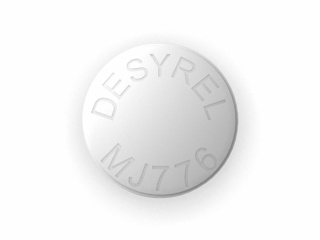


Ticlopidine (Ticlodipine) — Patient Information Guide (Australia)
Ticlopidine is an antiplatelet medicine used to help prevent blood clots by reducing how platelets clump together. It has been used in selected patients for conditions where doctors want a stronger inhibition of platelet function than aspirin alone, or when aspirin is not suitable. This guide explains what ticlopidine is, how it works, how it behaves in the body, and practical points to help you use it safely.
Important: Use this information to understand your medicine. Your clinician’s advice and the product label should always be followed.
Basic Product Information
- Medicine name: Ticlopidine
- Common brand examples: Varies by country and manufacturer (products may differ in Australia)
- Medicine type: Antiplatelet (platelet aggregation inhibitor)
- How it is taken: Usually oral tablets
- Therapeutic focus: Reducing the risk of arterial thrombosis by affecting platelet function
The exact strength (for example, 250 mg tablets) and formulation can differ by product. Always check the label provided by your pharmacy.
How Ticlopidine Works (Mechanism of Action)
Platelets are small blood cells that help form clots to stop bleeding. In some cardiovascular conditions, platelets may become overactive and contribute to clot formation in blood vessels. Ticlopidine reduces platelet activation and aggregation.
- Primary action: Ticlopidine inhibits platelet aggregation by interfering with platelet receptors and activation pathways.
- Functional result: Platelets become less able to stick together and form a clot.
Because ticlopidine affects platelet function, it can increase bleeding risk. This is an expected and important safety consideration when taking antiplatelet medicines.
Pharmacokinetics (What the Body Does to Ticlopidine)
Pharmacokinetics describes how a medicine is absorbed, distributed, metabolised, and eliminated. The details can vary among individuals, but the general behaviour of ticlopidine includes:
- Absorption: Ticlopidine is absorbed after oral administration. Food can influence how quickly and how completely it is absorbed.
- Metabolism: It is metabolised by the liver. This is relevant for people with liver disease or those taking interacting medicines.
- Effect onset: Platelet inhibition develops over time after starting therapy; it is not an instant “first-dose” effect.
- Elimination: The metabolites are cleared mainly through the body’s normal routes (predominantly via metabolism and excretion).
Your clinician may monitor your response and safety markers, particularly early in treatment.
Typical Use and Indications
Ticlopidine has been used for secondary prevention of certain thrombotic (clot-related) events, particularly in patients where antiplatelet therapy is needed and where specific risk–benefit considerations apply.
In practice, ticlopidine use is often considered for selected patients with conditions such as:
- Prevention of arterial thrombosis (in approved/selected settings)
- Stroke risk reduction in certain circumstances
- Peripheral arterial disease (where appropriate)
Exact indications can depend on the product approval status and current Australian prescribing guidance. If you are unsure why ticlopidine has been chosen for you, speak to your pharmacist or doctor.
Dosing (Typical Schedules)
Dosing varies by country, patient factors, and the clinical situation. Below are general “typical use” dosing ranges commonly referenced for ticlopidine. Your prescribed dose may differ.
| Topic | Typical approach (general guidance) |
|---|---|
| Adult dosing frequency | Often taken twice daily (morning and evening), depending on strength and regimen |
| Starting dose | May be initiated at the standard regimen for the indication, with early blood test monitoring |
| Duration | Treatment is usually ongoing if benefits outweigh risks, as advised |
| Missed dose | Take the next dose when due. Do not double unless your clinician tells you to |
Always follow your label. If you have questions about your exact schedule, ask your pharmacist.
Timing: When to Take Ticlopidine
Ticlopidine is typically taken at consistent times each day to maintain steady platelet inhibition.
- Choose a routine: For example, morning and evening with your regular daily activities.
- Consistency matters: Try not to vary the timing by many hours day-to-day.
- If you change brands/strength: Check your tablet strength to ensure you are taking the correct number of tablets.
Food Interactions
Food can influence how ticlopidine is absorbed. As a practical approach:
- Take with or after food may reduce stomach upset for some people and can help with tolerance.
- Avoid sudden changes in eating patterns if they are likely to alter when you take your tablets (for example, shift work or fasting days).
If your label or clinician provided specific instructions (such as taking with meals), follow those directions.
Alcohol and Ticlopidine Interactions
Alcohol does not “cancel out” ticlopidine’s antiplatelet effect, but it can increase bleeding risk, especially if you drink heavily or regularly.
- Moderation is advised: If you drink alcohol, keep it within low-risk limits.
- Avoid binge drinking: Higher alcohol intake can increase the likelihood of injury and bleeding.
- Seek advice if you have bleeding issues: For example, easy bruising, nosebleeds, or black/tarry stools.
Medicine Interactions (Important)
Because ticlopidine affects platelets, interactions that also influence bleeding can be clinically significant. Always tell your pharmacist or doctor about all medicines you take, including over-the-counter products and supplements.
Potential interaction categories
- Other antiplatelet medicines (in combination may increase bleeding risk)
- Anticoagulants (such as warfarin or direct oral anticoagulants) — may significantly raise bleeding risk
- Non-steroidal anti-inflammatory drugs (NSAIDs) (e.g., ibuprofen, naproxen) — may increase gastrointestinal bleeding risk
- Aspirin — combining with ticlopidine may increase bleeding risk; dose and indication depend on your treatment plan
- Medicines affecting liver enzymes — because ticlopidine is metabolised in the liver, enzyme inhibitors or inducers may alter exposure
Practical safety tips
- Before taking pain relief, ask whether paracetamol is a safer choice for you than NSAIDs.
- Be cautious with herbal products that may affect clotting (for example, some products containing ginkgo or high-dose fish oil may influence bleeding in certain cases).
- If you start a new medicine, re-check interactions with a pharmacist.
Safety Profile and Side Effects
Like all medicines, ticlopidine can cause side effects. Most people experience no serious problems, but ticlopidine has an important safety monitoring profile. The most significant risks relate to changes in blood counts and bleeding.
Common and less serious side effects
- Gastrointestinal discomfort (such as nausea, indigestion)
- Diarrhoea or stomach upset
- Rash or skin reactions in some people
Serious risks (seek urgent medical advice)
- Unusual bleeding (for example, prolonged bleeding from cuts, blood in urine/stool, vomiting blood, black/tarry stools)
-
Signs of low blood cells such as:
- fever, sore throat, mouth ulcers
- unexplained bruising or pale skin
-
Liver problems signs such as:
- yellowing of eyes/skin (jaundice)
- dark urine, severe fatigue, right upper abdominal pain
- Serious allergic reactions (swelling of face/lips, trouble breathing, widespread hives)
Because serious blood-related side effects can occur, clinicians commonly arrange baseline and follow-up blood tests early in treatment.
Practical Use Tips (How to Take Ticlopidine Safely)
- Keep appointments for blood tests: Early monitoring is often recommended to detect low white blood cell counts or other blood abnormalities.
- Watch for bleeding: Note new bruising, gum bleeding, nosebleeds, or changes in stool colour.
- Use a “bleeding checklist”: If you notice symptoms, contact your doctor promptly rather than waiting for the next appointment.
- Inform healthcare providers: Tell dentists, surgeons, and emergency staff that you are taking ticlopidine.
- Maintain medication consistency: Do not stop suddenly unless a clinician tells you to—stopping antiplatelet therapy can increase clot risk in some conditions.
- Adherence support: Consider a pill organiser and set reminders to take doses at the same times daily.
Missed Dose Guidance
If you miss a dose:
- Take it when you remember if it is not close to the next dose.
- If it is close to the next dose, skip the missed dose and take your next dose as scheduled.
- Do not double up unless your clinician directs otherwise.
Alternative Options (What You May Be Offered Instead)
Depending on your diagnosis and risk profile, clinicians may consider other antiplatelet options. Alternatives commonly used in Australia include:
- Aspirin (low-dose) — widely used for cardiovascular prevention
- Clopidogrel — another P2Y12 inhibitor with different safety considerations
- Dipyridamole (often with aspirin) — used for specific indications
- Ticagrelor or other agents in selected cases — depending on the condition and guidelines
Choice of antiplatelet depends on your medical history, bleeding risk, kidney and liver function, drug interactions, and current guideline recommendations. Only change therapy under clinician direction.
Market and Legal Context for Australia
In Australia, medicines are regulated under the Therapeutic Goods Administration (TGA). Products may differ by availability, brand, and indication based on TGA approval and clinical guidelines.
Antiplatelet medicines such as ticlopidine are typically managed as prescription medicines in Australia, meaning access is usually through appropriate healthcare pathways and pharmacy dispensing processes. Availability can also be affected by supply and market decisions.
Always check the product details in your pharmacy listing for strength, formulation, and dispensing requirements.
Recent Guidance and Clinical Considerations
Antiplatelet strategies evolve as new evidence emerges. In many settings, newer antiplatelet agents (for example, clopidogrel or ticagrelor in appropriate situations) have become more commonly used due to safety/tolerability profiles and guideline recommendations.
- Bleeding risk is a central consideration for all antiplatelet medicines.
- Blood count monitoring remains important for medicines with known haematologic risks.
- Individualised therapy is standard—your doctor selects treatment based on your specific vascular condition and your risk factors.
If you have been advised to take ticlopidine, it’s because your clinician judged the potential benefits for your case to outweigh the risks and considered monitoring and alternatives.
Delivery, Availability, and What to Expect (Australia)
Availability of specific brands and strengths can vary. If you order online, the pharmacy may provide:
- Estimated dispatch timelines depending on stock
- Secure packaging to protect tablets
- Tracking information when shipped
Delivery times may differ by location (metro vs regional areas) and by courier services. Some pharmacies may require additional verification or documentation depending on regulatory requirements.
Before ordering: confirm the correct medicine name (ticlopidine), strength, and the formulation shown in the listing.
Storage and Handling
- Store at room temperature unless label instructions specify otherwise.
- Protect from moisture and heat.
- Keep in original packaging to maintain identification and expiry details.
- Keep out of reach of children.
If tablets look damaged (for example, crumbled or discoloured) or packaging is compromised, do not use them—return them to your pharmacy for advice.
FAQ
1) What is ticlopidine used for?
Ticlopidine is an antiplatelet medicine used to help reduce the risk of blood clot formation in certain vascular conditions. The exact indication depends on your diagnosis and local clinical guidance.
2) How does ticlopidine differ from aspirin?
Both can reduce clot formation, but they work through different mechanisms. Ticlopidine primarily inhibits platelet aggregation via its own pathway, while aspirin mainly affects thromboxane-mediated platelet activity.
3) When will ticlopidine start working?
Platelet inhibition develops after starting therapy. Some effect begins within days, with full antiplatelet effect developing over time. Your clinician may arrange monitoring and follow-up based on your situation.
4) Can I take ticlopidine with food?
Many people tolerate ticlopidine better when taken with or after food. Follow the directions on your label for the best advice for your specific product.
5) What bleeding signs should I watch for?
Contact a healthcare professional promptly if you notice unusual bruising, nose or gum bleeding, blood in urine or stool, black/tarry stools, vomiting blood, or bleeding that does not stop as expected.
6) Are there interactions with painkillers?
NSAIDs (such as ibuprofen and naproxen) can increase bleeding risk. In many cases, paracetamol is preferred for pain or fever, but check with your pharmacist for advice specific to you.
7) Is it safe to drink alcohol while taking ticlopidine?
Alcohol can increase bleeding risk. Keep intake moderate and avoid binge drinking. Seek advice if you have bleeding symptoms or have been told to limit alcohol for other health reasons.
8) What should I do if I miss a dose?
Take it when you remember if it’s not too close to the next dose. Otherwise, skip it and take the next scheduled dose. Do not double up unless instructed.
9) Does ticlopidine require blood tests?
It often requires blood monitoring, particularly early in treatment, because serious changes in blood cell counts can occur. Your clinician will advise the timing and what tests to perform.
10) What are common side effects?
Some people experience gastrointestinal upset (such as nausea or diarrhoea) or skin reactions. Serious side effects affecting blood cells or the liver require urgent medical attention.
When to Seek Urgent Help
Seek urgent medical care (or contact your local emergency service) if you develop:
- severe or worsening bleeding
- signs of severe allergic reaction (swelling, trouble breathing)
- fever with sore throat or mouth ulcers
- yellowing of the skin/eyes or dark urine
Remember: If you have questions about ticlopidine—such as how to take it, what to do if you miss a dose, or how to manage side effects—your pharmacist is a helpful first contact.