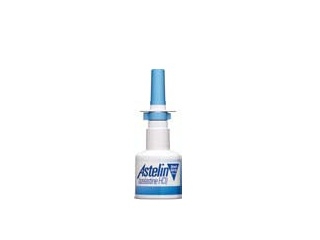
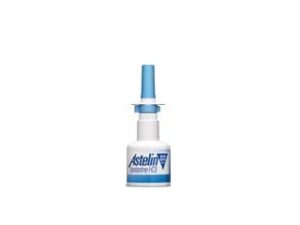
Azelastine (Nasal Spray/Eye Drops) — Patient-Friendly Guide (Australia)
Azelastine is an antihistamine medicine used to treat allergy symptoms affecting the nose (and, depending on the product, the eyes). It works by blocking histamine, a substance released during allergic reactions. In many people, azelastine helps relieve sneezing, itching, runny nose, and congestion, and can also reduce eye symptoms such as itching and watering when delivered as eye drops.
This guide is written for general information to help you understand how azelastine works, how to use it safely, and what to expect. Always follow the specific instructions for your product label and any advice from your healthcare professional.
Basic product information
| Category | Details |
|---|---|
| Active ingredient | Azelastine (commonly as azelastine hydrochloride) |
| Typical forms | Nasal spray; eye drops (availability varies by brand and local supply) |
| Medicine type | Antihistamine (H1-receptor antagonist); local anti-allergy medicine |
| Common uses | Allergic rhinitis (hay fever) and related nasal symptoms; allergic conjunctivitis (eye symptoms) depending on formulation |
| How it’s usually taken | By spraying into the nose or applying drops to the eyes, depending on product |
| Storage | Typically at room temperature; keep cap on; check product label for exact instructions |
How azelastine works (mechanism of action)
Azelastine is an antihistamine that blocks histamine H1 receptors. Histamine plays a key role in allergic symptoms by triggering:
- Sneezing and itching
- Runny nose (increased nasal secretions)
- Swelling/inflammation in nasal tissues and eyes
In addition to blocking histamine, azelastine may help reduce the overall allergic inflammatory response in the target tissue (nose/eyes). Because it is typically used locally (for nasal spray or eye drops), it can provide symptom relief with relatively limited systemic effects compared with some oral antihistamines.
Pharmacokinetics (what happens in the body)
Pharmacokinetics describes how a medicine is absorbed, distributed, metabolised, and eliminated. Specific values can vary by formulation and individual factors, but the general patterns for azelastine include:
- Absorption: For nasal or ocular use, most of the medicine acts locally in the target area. Some amount may be absorbed into the bloodstream.
- Distribution: After absorption, azelastine distributes throughout the body.
- Metabolism: The medicine is metabolised, primarily by liver enzymes.
- Elimination: Metabolites and a smaller fraction of the unchanged medicine are eliminated mainly via the kidneys and/or bile.
Practical takeaway: While local use is intended, small systemic absorption can occur. This is one reason to consider interactions and special precautions, particularly if you are using other medicines that affect the nervous system or if you are older or have certain medical conditions.
Typical use (indications)
1) Allergic rhinitis (hay fever)
Azelastine nasal spray is commonly used for allergic rhinitis, which may include symptoms such as:
- Sneezing
- Nose itching
- Runny nose (watery rhinorrhoea)
- Some relief of nasal congestion
2) Allergic conjunctivitis (eye symptoms)
Depending on the specific product available, azelastine eye drops may be used for allergic conjunctivitis, including:
- Itchy eyes
- Watery eyes
- Redness and irritation associated with allergies
3) Non-allergic symptoms
Some people use azelastine for non-specific nasal symptoms such as persistent watery discharge. Whether this is appropriate depends on the cause of symptoms (allergy, irritants, infection, medication effects, etc.). If symptoms persist or worsen, seek advice to confirm the underlying condition.
When does azelastine start working? (timing)
Many people notice improvement relatively quickly, especially for sneezing, itching, and runny nose.
- Nasal spray: Relief may begin within about 1 hour in some people, with further benefit as regular dosing continues.
- Eye drops: Itching and watering can improve sooner, though exact timing depends on the person and severity of allergy.
Tips for best results:
- Use it consistently as directed during allergy season or when symptoms flare.
- For nasal symptoms, clear the nose gently before application.
- Position the spray correctly (aim slightly outwards, not directly toward the nasal septum).
Dosing — typical adult and child regimens
Important: Dosing depends on the formulation (spray vs drops), the strength, the brand, and the age of the user. Always follow the instructions on the product packaging or those provided by your healthcare professional.
Typical azelastine nasal spray (general pattern)
- Adults and adolescents: Commonly used twice daily (morning and evening), with the number of sprays per nostril determined by the product label.
- Children: Age-appropriate dosing is required. Use only if the product is indicated for that age group on the label.
Typical azelastine eye drops (general pattern)
- Adults: Often dosed twice daily, again depending on label strength.
- Children: Use only if the product is labelled for paediatric use.
If you miss a dose: Take it when you remember unless it’s close to the next scheduled dose. Do not double the dose.
Food interactions
Because azelastine is usually used as a nasal spray or eye drops, direct food interactions are generally not expected.
- Food timing: There is typically no requirement to take azelastine with or without food.
- Practical note: If using other medicines alongside, follow each product’s specific guidance.
If you use azelastine in combination with other allergy medicines, consider how each is dosed throughout the day to avoid overdosing on antihistamines from multiple products.
Alcohol and medicine interactions
Alcohol
Azelastine used as nasal spray or eye drops generally has limited systemic exposure, but some people may experience drowsiness or dizziness, especially if they are sensitive or using more than one antihistamine product.
- Recommendation: If you notice drowsiness, avoid alcohol or be cautious, particularly when driving or operating machinery.
Other medicines that may interact
Interactions depend on your personal medication list. Common considerations include:
- Other antihistamines (oral or topical): combining multiple antihistamine products can increase side effects such as drowsiness, dry mouth, or impaired alertness.
- Sedating medicines (for example, some sleep medicines, strong pain medicines, or certain anxiety medications): combining may increase sedation in some people.
- Medicines affecting the nervous system: if you have a history of dizziness or sedation, discuss your regimen with a pharmacist.
Practical takeaway: Before starting azelastine, tell your pharmacist about all medicines you use, including over-the-counter allergy products, cold and flu combinations, herbal products, and supplements.
Safety profile — side effects and who should be cautious
Common side effects
Side effects can vary by formulation. For azelastine nasal spray, common effects may include:
- Unpleasant taste (often described as bitter), especially when some medicine drains down the throat
- Nasal irritation or mild burning sensation
- Nosebleeds in some people
- Headache
- Dizziness in a minority of people
For azelastine eye drops, possible effects include:
- Mild eye irritation
- Temporary stinging
- Headache or taste disturbance (if drainage occurs)
Less common but important effects
Seek urgent medical advice if you experience:
- Severe allergic reaction (swelling of face/lips, trouble breathing, hives)
- Worsening vision, severe eye pain, or persistent severe redness (especially if not clearly allergy-related)
Who should take extra care
- People with a history of severe nasal irritation or frequent nosebleeds
- Older adults or anyone prone to dizziness
- Those using multiple sedating medicines or who have previously experienced drowsiness from antihistamines
- Asthma or other respiratory conditions: allergy symptoms and breathing issues can overlap—if symptoms worsen, seek advice.
Practical use tips (to improve effectiveness and reduce side effects)
Using azelastine nasal spray correctly
- Gently blow your nose first if needed.
- Keep your head upright. Avoid tilting too far back.
- Aim the nozzle slightly outward (away from the middle of your nose) to reduce irritation.
- Use the correct number of sprays per nostril as your label specifies.
- After spraying: keep breathing gently through your nose; avoid sniffing hard.
- If you get a bitter taste, it may help to press the outer nostril gently for a moment after dosing and avoid strong sniffing.
Using azelastine eye drops correctly (if your product is an eye formulation)
- Wash hands before and after.
- Pull the lower eyelid down gently to create a small pocket.
- Apply the prescribed drop without touching the eye or eyelid with the bottle tip.
- Close your eye gently for 1–2 minutes.
- If you wear contact lenses, check the product label for guidance—some allergy drops may be compatible, while others require removal.
- Wait between different eye drops if you are using more than one product (follow label timing guidance).
Managing allergy triggers
Azelastine helps symptoms, but reducing allergen exposure can further improve control. Consider:
- Keeping windows closed during high pollen days
- Using air conditioning where available
- Rinsing nasal passages with saline (not the same as medicated azelastine)
- Regular cleaning of bedding and rugs
Alternative options for allergy symptoms
Depending on your symptoms and preferences, there are several alternatives to azelastine. Your choice may depend on symptom pattern (sneezing/runny nose vs congestion), severity, and tolerability.
Common alternatives
- Oral non-drowsy antihistamines (e.g., fexofenadine, loratadine, cetirizine, levocetirizine—choice depends on your personal response)
- Nasal corticosteroid sprays for persistent congestion and longer-term control (often preferred for moderate-to-severe allergic rhinitis)
- Other nasal antihistamine sprays (depending on availability and suitability)
- Saline nasal irrigation to reduce mucus and allergens (adjunctive approach)
- For eye allergies: lubricating drops, antihistamine eye drops, or other anti-allergy eye medicines
Which is best? Some people use azelastine as needed for flare-ups, while others combine it with a daily nasal steroid under guidance. If symptoms are not well controlled, speak with a pharmacist or doctor to review diagnosis and treatment plan.
Market and legal context in Australia (overview)
In Australia, allergy medicines are supplied under rules designed to support safe and appropriate use. The availability of azelastine products can vary by formulation and local scheduling. Some allergy medicines may be accessible through pharmacy channels, and certain azelastine products may be obtained with guidance from a pharmacist, depending on product status at the time of purchase.
What you can expect when ordering online:
- Clear product information (formulation, strength, and age indication)
- Safety prompts if relevant
- Advice on storage and correct use
- Transport and delivery details compliant with local requirements
If you have questions about whether a specific azelastine product is suitable for you, a pharmacist can help you compare options and ensure you’re using it correctly.
Recent guidance and clinical considerations
Allergy management guidance evolves as new evidence and best-practice recommendations are published. Recent clinical considerations in many settings include:
- Symptom-targeted treatment: choosing medicines that match your main symptoms (e.g., congestion vs runny nose vs eye itch)
- Correct technique: ensuring nasal sprays are used properly to improve effectiveness and reduce irritation
- Stepwise approach: escalating therapy if symptoms are not controlled (for example, adding or switching classes)
- Monitoring safety: watching for drowsiness, nasal irritation, and signs of non-allergic causes
If symptoms persist beyond allergy patterns (e.g., fever, facial pain, thick discoloured discharge, or symptoms that don’t match typical allergy seasons), review with a healthcare professional.
Delivery and availability (online pharmacy)
Availability of azelastine products can vary depending on brand, formulation strength, and current supply. When ordering online in Australia, you can generally expect:
- Secure packaging to protect bottles/sprays during transport
- Clear labeling with product type (nasal vs eye) and directions for use
- Estimated delivery timeframes shown during checkout
- Conservation of stock: some products may have limited stock during peak allergy months
Storage after delivery: Keep the medicine as directed (commonly at room temperature). Check the expiry date and use within the product’s recommended timeframe after first opening if specified by the manufacturer.
Frequently Asked Questions (FAQ)
1) Is azelastine suitable for hay fever?
Yes, azelastine nasal spray is commonly used to relieve symptoms of allergic rhinitis (hay fever), such as sneezing, itching, runny nose, and sometimes nasal congestion. The right regimen depends on age and the product label.
2) How often should I use azelastine?
Use it according to the instructions on your specific product. Many azelastine nasal sprays are used twice daily, but dosing can differ by brand and age. Do not exceed the labelled frequency.
3) Can I use azelastine with other allergy medicines?
It may be possible, but be careful not to duplicate antihistamines from multiple products. For example, avoid combining with other antihistamine sprays/drops unless advised. If you’re taking tablets for allergy symptoms, discuss your full list with a pharmacist to reduce the risk of excessive side effects like drowsiness.
4) Will azelastine make me sleepy?
Some people may experience dizziness or drowsiness, although local use often results in fewer systemic effects than oral antihistamines. If you feel drowsy, avoid driving or operating machinery and consider speaking with a pharmacist about alternative options.
5) What should I do if the medicine tastes bitter?
A bitter taste can occur when some of the nasal spray drains toward the throat. Try using gentle breathing, keeping your head upright, aiming slightly outward, and avoiding forceful sniffing. If persistent or severe, check your technique with a pharmacist.
6) Can I drink alcohol while using azelastine?
Moderate alcohol may be tolerated by many people, but if azelastine makes you feel dizzy or sleepy, alcohol can worsen that effect. Use caution, and avoid alcohol if you notice sedation.
7) Are there food interactions?
There are typically no direct food interactions for azelastine nasal spray or eye drops. You can usually take it without worrying about meals.
8) What if my symptoms don’t improve?
If symptoms remain uncontrolled after following the correct dosing and technique, you may need a review of the diagnosis or a different treatment approach (for example, a nasal corticosteroid or combination therapy). Seek advice, especially if symptoms are unusual for your typical allergies.
9) Can children use azelastine?
Only use azelastine formulations that are labelled for paediatric use, with age-appropriate dosing. If you’re unsure, consult a pharmacist.
10) When should I seek medical help?
Get urgent medical advice for signs of severe allergy (swelling, breathing difficulty, widespread hives). For eye symptoms, seek medical attention if you experience severe pain, vision changes, or worsening redness that could indicate infection or another condition.
Summary
Azelastine is an antihistamine medicine used to treat allergy-related symptoms, particularly in the nose (and, depending on the product, the eyes). It works by blocking histamine receptors, helping reduce sneezing, itching, runny nose, and other allergic symptoms. Many people feel improvement relatively quickly, especially when dosing is started early during allergy flare-ups.
- Use it as directed for your specific product and age group.
- Correct technique improves results and reduces side effects such as irritation or bitter taste.
- Consider caution with alcohol and other medicines that may cause drowsiness.
- If symptoms persist or change pattern, seek advice to confirm the cause.
For the safest and most effective use, read your product label and consult a pharmacist if you have questions about dosing, interactions, or whether azelastine is appropriate for your symptoms.