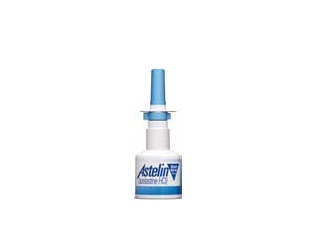
Astelin (Azelastine) – Allergy & Nasal Symptoms Relief (Australia)
Astelin is a brand of azelastine, an antihistamine medicine commonly used to relieve symptoms of allergic rhinitis (hay fever) and related nasal discomfort. If you suffer from sneezing, runny nose, itching, or post-nasal drip, Astelin may help by reducing histamine-driven inflammation in the nose.
This guide is designed to be patient-friendly and practical. It explains how Astelin works, how it’s used, what to expect, safety information, and common interactions—so you can use your medicine more confidently.
Quick product information
- Active ingredient: Azelastine
- Medicine type: Antihistamine (typically intranasal, depending on product form)
- Common brand: Astelin
- Typical uses: Allergic rhinitis symptoms such as sneezing and runny nose
- How it’s taken: Nasal spray
- Onset (typical): Often starts helping within minutes; best effect may take repeated use
Note: Formulations and strengths can vary by country and product. Always check the label on your specific Astelin pack (e.g., spray volume and number of sprays per dose) and follow the instructions provided.
How Astelin works (mechanism of action)
Azelastine is an antihistamine that works mainly by blocking histamine H1 receptors. Histamine is one of the key chemical messengers released during allergic reactions.
By preventing histamine from binding to receptors in the nasal passages, Astelin helps:
- Reduce sneezing
- Relieve itching
- Control runny nose
- Decrease overall nasal inflammation driven by allergy
Compared with some older antihistamines, intranasal azelastine targets symptoms directly in the nose, which may reduce the need for whole-body (systemic) effects.
Pharmacokinetics (how the body processes it)
“Pharmacokinetics” describes what happens after you use a medicine: absorption, distribution, metabolism, and elimination.
- Absorption: Intranasal azelastine is absorbed through the nasal mucosa. Some absorption can also occur through swallowing of the nasal spray into the stomach, but the intended effect is local.
- Distribution: The medicine can distribute throughout the body; however, the main clinical benefit is within the nasal tissues.
- Metabolism: Azelastine is metabolised primarily in the liver (details depend on patient factors).
- Elimination: Metabolites are removed mainly by kidney and/or faecal routes.
In day-to-day use, these processes mean that dose timing and adherence to label instructions help maintain symptom control. If you have liver or kidney impairment, ask your pharmacist or doctor for advice.
What Astelin is typically used for (indications)
Astelin (azelastine) is commonly indicated for nasal allergy symptoms. Typical indications include:
- Allergic rhinitis (seasonal or perennial), including:
- sneezing
- runny nose
- itching in the nose
- congestion related to allergy (varies by person)
- post-nasal drip
Some clinicians may use azelastine for other inflammatory nasal conditions, but your specific product instructions and Australian guidance should be followed.
When to use it (timing and how fast it may work)
Many people notice improvement within minutes after using intranasal azelastine, though full benefit may build with consistent use.
Practical timing tips:
- Start early during allergy seasons or when you expect symptoms to flare.
- If you’re using it twice daily, try to keep doses about 12 hours apart (e.g., morning and evening).
- Use it on a schedule if your symptoms are persistent; use it as needed only if your product instructions allow.
- For best results, use the spray after gently clearing your nose.
How long should you keep using it? If symptoms persist beyond a few days, or if your symptoms don’t improve, seek advice. You may need a different strategy (such as adding or switching to an intranasal steroid), especially if congestion is prominent.
Dosing (typical intranasal use)
Important: Dosing depends on the specific product strength and your age. Always follow the instructions on your Astelin label or the advice from your healthcare professional.
As a general guide, intranasal azelastine products are often used as follows:
- Adults and adolescents: Frequently dosed once or twice daily depending on symptom severity and product instructions.
- Children: Dosing schedules are product- and age-dependent; check the pack and consult a pharmacist for age-appropriate use.
If you miss a dose, take it when you remember unless it’s near the time for the next dose. Do not double up.
How to use Astelin nasal spray correctly
- Prepare: Gently blow your nose (unless your doctor advises otherwise).
- Shake the bottle if your product instructions indicate it.
- Prime the spray: If it’s the first use or the spray hasn’t been used for a while, you may need to prime it per the instructions.
- Position: Tilt your head slightly forward. Insert the nozzle into one nostril.
- Spray: Press the pump while gently breathing in through your nose.
- Repeat: Use the other nostril if your dose requires it.
- Avoid sniffing hard: Gentle inhalation is usually better to help proper delivery.
- After use: Wipe the nozzle and replace the cap.
Hygiene tips:
- Keep the nozzle clean and avoid contact with fingers.
- If the nozzle clogs, follow the instructions for cleaning (often warm water rinse, then dry).
- Store at appropriate room temperature and keep the bottle capped.
Food interactions
Because Astelin is used intranasally, it is less likely to have direct food interactions than oral medicines.
- General: No specific foods commonly interfere with intranasal azelastine.
- Swallowed residue: Some medicine may drain into the throat. This usually doesn’t cause food-related problems, but if it irritates your throat, try using the spray slightly earlier and avoid eating immediately after.
If you’re sensitive to medications that cause nausea or throat irritation, discuss with a pharmacist.
Alcohol interactions and important warnings
Intranasal azelastine can, in some people, cause drowsiness or a feeling of fatigue (varies by individual and dose). Alcohol can increase drowsiness.
- Recommendation: Limit or avoid alcohol until you know how Astelin affects you.
- Driving and machinery: If you feel sleepy, don’t drive or operate machinery.
Also consider that alcohol may worsen allergy symptoms in some people through dehydration or sleep disruption, so avoiding it during allergy flares may help overall comfort.
Interactions with other medicines
Most interactions with azelastine are related to medicines that can cause drowsiness or central nervous system effects.
Tell your pharmacist or doctor if you use:
- Sedating antihistamines (some allergy medicines may increase sleepiness)
- Sleep medicines (hypnotics)
- Opioid pain medicines
- Anti-anxiety medicines and certain muscle relaxants
- Other medicines that affect the brain or balance
If you’re taking multiple allergy medicines (e.g., tablets plus nasal sprays), it’s a good idea to have your regimen reviewed so you don’t double up on sedating antihistamines.
Safety profile: common side effects and what to watch for
Like all medicines, Astelin can cause side effects. Many are mild and improve with continued use.
Common side effects
- Taste changes (often a bitter or unusual taste)
- Nasal irritation or burning sensation
- Headache
- Dizziness or lightheadedness (uncommon to mild)
- Drowsiness (varies by person)
- Dry mouth or throat irritation
- Nosebleeds can occur with nasal sprays (more likely with forceful spraying or dry air)
Serious side effects (seek urgent medical help)
- Signs of allergy to the medicine such as swelling of the face/lips, severe rash, wheezing, or trouble breathing
- Severe or persistent dizziness or fainting
If you experience any severe symptoms, stop using the spray and seek medical attention promptly.
Who should take extra care?
- Pregnancy and breastfeeding: Discuss risks and benefits with a healthcare professional.
- Children: Use age-appropriate dosing and product strength only.
- Liver impairment: Ask for advice before use.
- History of significant sedation with antihistamines: You may need extra caution around driving or alcohol.
Practical use tips to get better results
- Clear your nose first: A gentle blow can improve spray delivery.
- Aim correctly: Direct the nozzle slightly away from the centre of your nose to reduce irritation.
- Use consistent timing: Allergy symptoms often improve when the medicine is used regularly during flare-ups.
- Expect taste: A bitter taste may happen if spray drains into the throat—this often improves with technique (gentle inhalation).
- Address dry air: Dryness can worsen irritation. Consider a humidifier if your environment is very dry.
- Don’t overuse: More sprays do not always mean faster relief; follow labelled dosing.
If symptoms don’t improve: Many people with severe congestion may need an intranasal corticosteroid as first-line treatment, with antihistamines added for breakthrough symptoms. A pharmacist can help you choose a plan based on your symptom pattern.
Alternative options for nasal allergy symptoms
Depending on symptom type (sneezing vs congestion), alternatives may include:
Other nasal antihistamines
- Intranasal antihistamine sprays (similar category—may offer different dosing or side-effect profiles)
Intranasal corticosteroids
- Fluticasone, mometasone, budesonide, and others are commonly used for allergic rhinitis, especially for congestion.
Oral antihistamines
- Non-sedating tablets (often preferred during work or travel) may help sneezing and itch. Some are less sedating than others.
- Sedating tablets may be helpful at night for some people but can impair driving.
Non-medicine options
- Saline rinses to reduce allergens and mucus
- Allergen avoidance (e.g., keeping windows closed during high pollen periods, showering after outdoor exposure)
- HEPA filtration and dust-mite reduction measures for indoor allergies
Your best option depends on your main symptoms, how severe they are, and how quickly you need relief. If you tell your pharmacist whether you struggle more with runny nose or blocked nose, they can suggest a sensible approach.
Astelin in the Australian market: legal and guidance context
In Australia, medicines are supplied under strict regulatory standards and must be handled and advertised according to local laws. Availability may vary by product form, strength, and whether the item is supplied via prescription-only or other supply categories (depending on the exact formulation and brand presence in the Australian market).
Regulatory considerations patients should know:
- Product identity matters: Always ensure you receive the correct medicine and strength.
- Local labelling: Follow the Australian label directions and accompanying consumer medicine information.
- Quality and sourcing: Use reputable suppliers who provide clear product details and storage instructions.
If you have a specific Astelin product you’re using, check the pack for the Australian product name, strength, and instructions.
Recent guidance (general allergy management updates)
Across many allergy guidelines, the overall trend is toward personalised treatment:
- Intranasal corticosteroids are often emphasised for persistent or congested allergic rhinitis.
- Antihistamines (including intranasal forms like azelastine) are used for breakthrough symptoms, particularly sneezing and runny nose.
- Technique and adherence are crucial for nasal sprays to work properly.
- Allergen control measures are recommended alongside medicines.
Your pharmacist can help match your symptoms to the most effective category of medicine and support you if you need to adjust your approach seasonally.
Delivery and availability in Australia
Astelin products may be available through online pharmacies depending on stock, formulation, and supply category. Availability can vary, and some suppliers may require verification of details before dispatch to comply with Australian regulations.
What to expect when ordering online:
- Clear product listing: Confirm the exact active ingredient and strength.
- Shipping times: Delivery estimates vary by location and courier.
- Cold chain: Most intranasal antihistamines do not require refrigeration, but always follow storage directions on the label.
- Packaging: Medicines should arrive in intact, labelled packaging.
When your order arrives, check the expiry date and ensure the bottle cap/nozzle is intact.
How to store Astelin
- Store at room temperature unless otherwise stated on your pack.
- Keep the bottle tightly closed and away from direct sunlight.
- Keep out of reach of children.
- Do not use after the expiry date.
Astelin FAQ
1) Is Astelin for hay fever?
Yes. Astelin (azelastine) is commonly used to relieve symptoms associated with allergic rhinitis (hay fever), such as sneezing and runny nose.
2) How quickly does Astelin work?
Many people experience symptom relief within minutes. For best overall control during an allergy flare, regular use according to the label is often helpful.
3) Will Astelin make me sleepy?
Some people experience drowsiness or dizziness, though it’s not universal. Avoid alcohol and be cautious with driving or machinery until you know how it affects you.
4) Can I use Astelin with other allergy medicines?
You may be able to, depending on what you’re using (e.g., saline rinse, nasal steroid spray, non-sedating antihistamine tablets). Because combining medicines can increase side effects in some cases, it’s best to check with a pharmacist.
5) What if I get a bitter taste after using the spray?
A bitter or unusual taste can happen if some spray drains into the throat. Using a gentler inhalation, keeping your head slightly forward, and wiping the nozzle after use can help. If taste or throat irritation is severe, speak with your pharmacist.
6) Can I use Astelin every day?
Some people use azelastine during allergy seasons or for persistent symptoms. Follow the label’s dosing instructions. If you need long-term use, discuss your plan with a healthcare professional.
7) What should I do if I miss a dose?
Use it when you remember unless it’s close to your next scheduled dose. Don’t take extra to make up for a missed dose.
8) Can Astelin cause nosebleeds?
Nose irritation and nosebleeds can occur with nasal sprays. If nosebleeds are frequent, severe, or persistent, stop and get advice.
9) Are there food interactions?
Specific food interactions are uncommon with intranasal azelastine. However, if you notice throat irritation or swallowing discomfort, try timing your dose away from meals.
10) When should I seek medical help?
Seek urgent medical care if you develop signs of an allergic reaction (e.g., facial swelling, breathing difficulty, severe rash) or severe dizziness/fainting. For symptoms that don’t improve or worsen after appropriate use, consult a pharmacist or doctor.
Summary table: key points at a glance
| Topic | What to know |
|---|---|
| Medicine | Astelin (azelastine), typically intranasal antihistamine |
| Helps with | Allergic rhinitis symptoms like sneezing, runny nose, itching |
| How it works | Blocks histamine H1 receptors to reduce nasal allergy inflammation |
| Onset | May start working within minutes; best effect with correct technique and regular use |
| Timing | Often used once or twice daily; keep doses consistent during allergy flare-ups |
| Food interactions | Unlikely to have direct food interactions; minor throat effects may occur |
| Alcohol | May increase dizziness/drowsiness—avoid or limit alcohol and be cautious with driving |
| Common side effects | Taste changes, nasal irritation, headache, mild dizziness/drowsiness |
| Technique tips | Clear nose first, gentle inhalation, aim away from centre of nostril |
Always read the consumer medicine information provided with your Astelin product. If you’re unsure about dosing, interactions, or whether Astelin is suitable for your symptoms, speak with your pharmacist. They can help you choose the best approach for your specific allergy pattern in Australia.