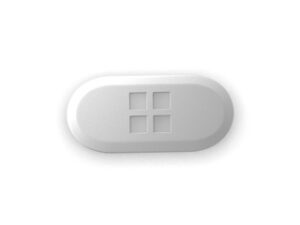
Allegra (Fexofenadine) – Allergy Relief Medicine (Australia)
Allegra contains fexofenadine, an antihistamine used to relieve symptoms of allergies. It’s commonly used for hay fever (allergic rhinitis) and hives (chronic idiopathic urticaria). Allegra is non-drowsy for many people, helping you manage symptoms while staying productive.
This page provides patient-friendly information about how Allegra works, how it’s taken, common interactions, safety considerations, and practical tips for getting the best results.
Basic product information
- Brand name: Allegra
- Active ingredient: Fexofenadine
- Medicine type: Antihistamine (non-sedating)
- Common uses: Hay fever, hives (urticaria)
- Available forms: Tablets and/or oral preparations depending on local availability
- Who it’s for: Adults and children (age eligibility depends on the specific product strength and form)
Note: Always check the pack for the exact strength, age recommendations, and directions that apply to your product.
How Allegra works (mechanism of action)
Fexofenadine is an antihistamine that blocks histamine H1 receptors. Histamine is a chemical released by the body during allergic reactions. When histamine binds to H1 receptors, it contributes to symptoms such as:
- Sneezing
- Runny or blocked nose
- Itchy nose, throat, or eyes
- Watery eyes
- Skin itching and swelling associated with hives
By preventing histamine from acting on these receptors, fexofenadine helps reduce allergy symptoms without strongly sedating the brain for most people (though individual responses can vary).
Pharmacokinetics (how the body handles it)
Understanding timing can help you feel confident about when to take Allegra. While individual results vary, the general pattern is:
- Absorption: After oral dosing, fexofenadine is absorbed from the gastrointestinal tract.
- Onset: Allergy symptom relief often begins within about 1 hour for many people.
- Peak effect: The highest levels in the bloodstream typically occur within 2–3 hours (product- and person-dependent).
- Duration: A once-daily dose can provide symptom control for up to 24 hours for many adults.
- Elimination: Fexofenadine is cleared primarily by the liver and kidneys (methods vary and are not identical to all antihistamines).
- Half-life: The elimination half-life is approximately 10–15 hours in many adults, but may be affected by kidney function.
Important: If you have kidney impairment, fexofenadine can be cleared more slowly. Your prescriber/pharmacist may recommend a lower dose or longer dosing interval for safer use.
What Allegra is used for (indications)
Allegra is indicated for relief of:
- Hay fever (allergic rhinitis): Relief of symptoms such as sneezing, runny nose, itchy nose, and watery eyes.
- Chronic urticaria (hives): Relief of itching and skin discomfort caused by hives.
For best results, Allegra is often most effective when started early during allergy seasons, or when symptoms begin and allergens are likely present.
Typical dosing and timing
Always follow the instructions on your product label. Dosing depends on age, symptom type, and the specific strength/form you have.
Common adult dosing (general guidance)
- Hay fever: Often taken once daily.
- Hives: Often taken once daily, with dose adjustment in some cases under medical advice.
Children
Dosing for children varies by the product strength and age. Use only the specific paediatric directions listed on the pack or provided by your pharmacist.
When to take Allegra
- For hay fever: Many people take it once daily during the allergy season.
- For hives: It can be taken daily to maintain symptom control.
- Try to take it at the same time each day to help maintain consistent relief.
Onset tip: If you’re starting for the first time during a flare-up, consider taking your dose and allowing about 1–2 hours to assess early symptom relief.
Food interactions: what to know
Fexofenadine absorption can be affected by certain foods and drinks.
Milk, fruit juice, and other drinks
- Fruit juice (especially grapefruit and orange): May reduce absorption and effectiveness in some people.
- Apple juice: Can also affect absorption for some antihistamines.
- Milk/dairy: Not usually a major issue, but individual sensitivity and product-specific recommendations may apply.
Practical approach: Take Allegra with water. If you’ve noticed reduced effectiveness, try avoiding fruit juice around the dose time (for example, taking it with water and spacing it from juice by a few hours).
Food
For many antihistamines, food doesn’t fully prevent absorption, but timing can still affect how quickly symptoms improve. If you want quicker relief, take it consistently either with or without food as advised on your pack.
Alcohol interactions
Most people can drink alcohol while taking non-sedating antihistamines; however, fexofenadine is not guaranteed to be completely non-sedating for everyone.
- Moderate alcohol: Usually not an issue for many patients.
- Be cautious if you feel drowsy: Avoid driving or operating machinery if you experience sleepiness.
- Higher alcohol intake: Can increase the likelihood of impairment even if the medicine is not strongly sedating.
If you’re unsure how you respond, it’s sensible to test your reaction on a day when you don’t need to concentrate, and avoid alcohol until you know how your body reacts.
Interactions with other medicines
Drug interactions can affect how well Allegra works or increase side effects. Tell your pharmacist about all medicines and supplements you use, including:
- Prescription medicines
- Over-the-counter allergy medicines and cold/flu products
- Antacids and gut medicines
- Antifungal medications
- Antibiotics
- Herbal supplements
Common interaction types
Some medicines can change fexofenadine absorption or clearance. A well-known example is:
- Antacids containing aluminium or magnesium: These may reduce fexofenadine absorption. If you use an antacid, space it away from Allegra (your pharmacist can advise a suitable interval based on your products).
Other potential interactions
Depending on the medicines you’re taking, your pharmacist may check for interactions involving liver or transport proteins that can influence fexofenadine levels.
Practical tip: Keep a list of your current medicines and show it to your pharmacist when choosing a product, especially if you also use antacids, other allergy tablets, or frequent cold/flu combinations.
Safety profile (side effects and when to seek help)
Like all medicines, Allegra can cause side effects. Many people experience none or only mild effects.
Common side effects
- Headache
- Dizziness
- Nausea or stomach discomfort (less common)
- Dry mouth (occasionally)
Less common but important reactions
- Allergic reactions: rash, swelling, or breathing difficulties require urgent medical attention.
- Severe skin reactions: seek immediate care if you develop blistering, widespread rash, or sores in the mouth.
- Unusual bruising or bleeding: not typical—seek advice if it occurs.
Seek urgent medical help if you experience
- Swelling of the face, lips, tongue, or throat
- Wheezing, trouble breathing, or tightness in the chest
- Fainting or severe dizziness
- Severe rash or blistering
Who should take extra care
- Kidney impairment: may require dose adjustment.
- Pregnancy and breastfeeding: discuss with your healthcare professional to weigh benefits and risks.
- Children: only use the specific paediatric dosing guidance on the pack or from a pharmacist.
- Older adults: generally can use antihistamines, but monitoring is important, especially if there are comorbidities or kidney concerns.
Practical use tips for best results
- Start early: If you know your hay fever season, starting at the beginning (or when symptoms begin) can prevent escalation.
- Be consistent: Taking it at the same time each day improves symptom control.
- Avoid confusing multiple allergy products: Don’t accidentally double up on antihistamines—check labels.
- Manage environmental triggers: reduce exposure where possible (e.g., keep windows closed during high pollen times, shower after outdoor activity, and use protective eyewear if needed).
- Consider complementary treatments: For some people, adding a saline rinse or nasal spray (e.g., corticosteroid for persistent allergic rhinitis—discuss with your pharmacist) can improve control.
Alternative options for allergy relief
If Allegra isn’t right for you, there are other antihistamines and non-antihistamine treatments. Your choice depends on symptom pattern, age, and tolerability.
Other non-sedating antihistamines (examples)
- Loratadine
- Desloratadine
- Cetirizine (may be slightly more likely to cause drowsiness for some people)
- Levocetirizine
Non-antihistamine options for allergic rhinitis
- Saline nasal sprays/rinses: can reduce allergen load.
- Intranasal corticosteroids: often helpful for moderate to severe allergic rhinitis (use as directed).
- Eye drops: for itchiness and watery eyes; select based on your symptom type.
Tip: If you try one antihistamine for a week and it doesn’t control your symptoms, ask your pharmacist about adjusting the approach—your allergies may respond better to a different option or combination.
Market and legal context for Australia
In Australia, antihistamines for allergies are commonly available through pharmacy channels, and many formulations may be listed as non-prescription medicines depending on strength, age indications, and product classification.
Key points for Australian shoppers:
- Availability may vary by brand and pack size.
- Regulatory listings and age categories are determined by the product’s registered status.
- It’s important to buy from reputable pharmacies and ensure the product is suitable for your age and indication.
Recent guidance and updates: Allergy treatment guidance may be refined as new evidence becomes available. If your symptoms are frequent, severe, or you’re unsure which option to choose, speak with a pharmacist for locally relevant advice and to ensure you’re using the correct product for Australia’s guidance and product labelling.
Delivery and availability (online pharmacy)
Allegra is widely available through Australian online pharmacies and pharmacy retailers. Delivery options vary depending on the supplier and your location.
- Stock availability: Most pharmacies keep common strengths in demand; less common pack sizes may require ordering.
- Delivery timeframe: Standard delivery times vary by courier service and region.
- Packaging: Medicines are typically dispatched with appropriate protective packaging and temperature considerations if required.
To ensure smooth delivery: provide accurate delivery details, and check if any signature or age verification is required by the retailer or courier.
Summary table: quick reference
| Topic | What it means for you |
|---|---|
| Medicine | Allegra (fexofenadine), an antihistamine for allergy symptoms |
| Common uses | Hay fever (allergic rhinitis) and hives (chronic urticaria) |
| When it starts working | Often within ~1 hour; strongest effect can take a few hours |
| How often to take it | Often once daily (exact schedule depends on your product and age) |
| Food/drinks | Fruit juice (notably grapefruit/orange) may reduce absorption; take with water |
| Alcohol | Usually okay for many people, but avoid driving if you feel drowsy |
| Key interactions | Antacids with aluminium/magnesium may reduce absorption—space doses apart |
| Side effects | Often mild: headache, dizziness, or nausea; seek help for allergic reactions |
FAQ – Allegra (Fexofenadine)
1) Is Allegra non-drowsy?
Fexofenadine is often described as non-drowsy compared with older antihistamines. However, responses vary. If you haven’t tried it before, be cautious with driving or operating machinery until you know how it affects you.
2) How long does Allegra take to work?
Many people notice relief within about 1 hour. Maximum benefit may take 2–3 hours. Consistent daily use can provide steadier control throughout the day.
3) Can I take Allegra every day during allergy season?
Many people take allergy tablets daily during the season to prevent symptoms. Use the dose and schedule on your pack. If symptoms persist or worsen, consider speaking with a pharmacist for guidance on add-on treatments.
4) What if I miss a dose?
If you miss a dose, take it when you remember unless it’s close to your next scheduled dose. Do not take two doses at once. Check your pack instructions or ask your pharmacist for advice.
5) Should I take Allegra with or without food?
For best absorption, many people take it with water. Food doesn’t always completely prevent absorption, but consistency is helpful. If you notice reduced symptom control, try taking it the same way each day and avoid fruit juice around dosing.
6) Does grapefruit juice affect Allegra?
Yes. Grapefruit and some other fruit juices may reduce absorption and lower effectiveness. For consistent results, avoid fruit juice close to your dose and take Allegra with water.
7) Can I take Allegra with other allergy medicines?
Be cautious. Using multiple antihistamines together can increase side effects without necessarily improving control. If you want to combine therapies (for example, antihistamine tablets plus eye drops or nasal sprays), ask your pharmacist to confirm a suitable plan.
8) Can I drink alcohol while taking Allegra?
Many people can drink alcohol, but avoid driving if you feel drowsy. If you notice any unusual sleepiness or dizziness, limit or avoid alcohol and speak with your pharmacist.
9) Who should not use Allegra or who needs extra advice?
Extra care may be needed for people with kidney problems, those who are pregnant or breastfeeding, and for children. Always follow the age and dose directions on your product pack and consult a pharmacist for personalised guidance.
10) What side effects require urgent attention?
Seek urgent medical help for signs of an allergic reaction such as swelling of the face/lips/tongue, wheezing, breathing difficulty, or a severe rash.
Need help choosing the right option?
If your symptoms are frequent, severe, or not improving after a reasonable trial, speak with a pharmacist. They can help you match the most suitable allergy approach—whether Allegra or another therapy—based on your symptoms, age, and health needs.
Disclaimer: This information is general and intended to help you understand Allegra. Always read the product label and consult a healthcare professional if you have questions, especially if you have kidney disease, are pregnant or breastfeeding, or are taking other medicines.