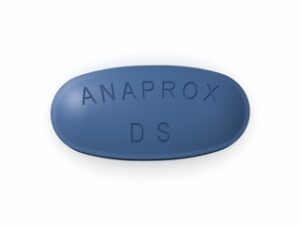
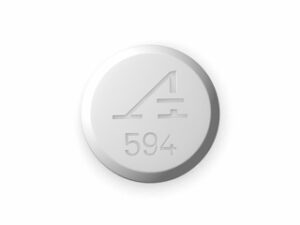

Celecoxib (Celebrex® and generics) — Patient Guide (Australia)
Celecoxib is a medicine used to relieve pain and inflammation in a range of conditions, particularly those affecting joints such as osteoarthritis and rheumatoid arthritis. This guide explains how celecoxib works, what to expect, how to take it safely, and key interactions and precautions for people in Australia.
| Section | Details |
|---|---|
| Generic name | Celecoxib |
| Common brand name | Celebrex® (brand may vary; generics may be available) |
| Medicine type | NSAID (non-steroidal anti-inflammatory drug), COX-2 selective |
| Available forms | Tablets (strengths vary by product) |
| Typical uses | Osteoarthritis, rheumatoid arthritis, ankylosing spondylitis, acute pain |
| How it helps | Reduces inflammation, pain, and stiffness |
Basic product information
Celecoxib belongs to a group of medicines called NSAIDs. What makes celecoxib different from many older NSAIDs is that it is more selective for the COX-2 enzyme, which is involved in inflammation. By targeting COX-2 more than COX-1, celecoxib may reduce some stomach-related side effects compared with non-selective NSAIDs, though stomach and bleeding risks can still occur in some people.
In Australia, celecoxib products are supplied through pharmacies and are available under approved naming and packaging. Availability and specific strengths can vary across brands and suppliers.
How celecoxib works (mechanism of action)
The body produces chemicals called prostaglandins that play a role in pain, fever and inflammation. Prostaglandins are generated through enzymes called COX-1 and COX-2.
Celecoxib selectively inhibits COX-2. This helps:
- Reduce inflammation in joints and surrounding tissues
- Decrease pain signals
- Lower stiffness and improve mobility in inflammatory arthritis
Note: Celecoxib does not “cure” arthritis. It helps manage symptoms while underlying disease processes continue.
Pharmacokinetics (how the body handles celecoxib)
Understanding how celecoxib is processed can help you plan dosing and recognise factors that may change how quickly it acts.
- Absorption: Celecoxib is absorbed from the gastrointestinal tract. Onset of symptom relief can vary by condition (for many people, pain relief starts within hours).
- Distribution: It circulates through the bloodstream and reaches tissues involved in pain and inflammation.
- Metabolism: Celecoxib is primarily metabolised in the liver.
- Excretion: Metabolites are eliminated through urine and stool.
- Half-life: The drug’s effective presence in the body lasts long enough to allow dosing one or more times daily depending on the regimen.
Because metabolism occurs mainly in the liver, people with liver impairment may require extra caution and monitoring.
Typical uses and indications (what celecoxib is used for)
Celecoxib is used to help relieve pain and inflammation associated with:
- Osteoarthritis: joint pain and stiffness (e.g., hips, knees, hands)
- Rheumatoid arthritis: inflammatory joint disease
- Ankylosing spondylitis: inflammation of the spine and sacroiliac joints
- Acute pain: short-term management of pain in certain approved situations
Your specific indication and dose depend on the condition being treated and your individual risk factors.
Timing and how to take celecoxib
Celecoxib schedules differ by product strength and the condition being treated. Some people take it once daily, others twice daily. Always follow the instructions provided with your product and any clinician directions.
General timing guidance
- Try to take it at the same time each day to maintain steadier drug levels.
- For chronic joint conditions: it is often used daily for symptom control.
- For flare-ups: your doctor may advise temporary adjustments based on your plan.
- If you miss a dose: take it when you remember unless it is close to the time for your next dose—do not double up.
Can you take it long-term?
Some people use celecoxib for extended periods under medical review, particularly when symptoms recur. Long-term use increases the importance of monitoring for side effects (such as stomach irritation, kidney effects, and cardiovascular risk).
Food interactions (taking with meals)
Food can influence how quickly celecoxib is absorbed. In practical terms:
- Taking with food may reduce stomach discomfort for some people.
- If you notice nausea or indigestion, try taking celecoxib with a meal or with a snack (unless your product instructions say otherwise).
- Alcohol on an empty stomach can worsen irritation—avoid combining alcohol with NSAID use where possible.
If you have been advised to take celecoxib in a particular way (for example, with or without food), follow those specific instructions.
Alcohol and medicine interactions
Alcohol
Alcohol can increase irritation of the stomach and may increase the risk of bleeding when combined with NSAIDs. If you drink alcohol, consider:
- Limit alcohol intake while taking celecoxib
- Avoid binge drinking
- Seek advice if you have a history of stomach ulcers, gastritis, or gastrointestinal bleeding
Common medicine interactions
Celecoxib can interact with other medicines. Tell your pharmacist or prescriber about everything you take, including over-the-counter medicines and supplements.
- Other NSAIDs (e.g., ibuprofen, naproxen, diclofenac): increases gastrointestinal and kidney risk—avoid combining unless instructed.
- Blood thinners/anticoagulants (e.g., warfarin): may increase bleeding risk.
- Antiplatelets (e.g., clopidogrel, aspirin): may raise bleeding risk. Low-dose aspirin is sometimes continued for heart protection—confirm with your clinician.
- SSRIs/SNRIs (some antidepressants): can increase bleeding risk when combined with NSAIDs.
- ACE inhibitors/ARBs (blood pressure medicines): together with NSAIDs can stress kidney function in some people.
- Diuretics (“water tablets”): combined with NSAIDs may increase kidney risk and affect fluid balance.
- Lithium: NSAIDs can raise lithium levels, increasing toxicity risk.
- Methotrexate: may increase methotrexate levels and toxicity.
- Cyclosporine/tacrolimus: may increase kidney-related risks.
- Phenytoin: may alter phenytoin levels.
- Potassium supplements or potassium-sparing diuretics: may raise potassium levels.
- Some medicines that affect liver enzymes: may change celecoxib levels (particularly drugs metabolised via hepatic pathways).
If you’re unsure whether a medicine is an NSAID, ask a pharmacist. Many cold and flu products contain NSAID ingredients.
Dosing (general information)
Doses vary by condition and by individual factors such as age, liver function, and cardiovascular or gastrointestinal risk. Below are general dosing examples used in many adults; exact dosing should match the product instructions and clinician guidance.
| Condition | Typical adult dosing approach (examples) | Notes |
|---|---|---|
| Osteoarthritis | Often once daily or divided doses (strength-dependent) | Use the lowest effective dose for the shortest necessary duration. |
| Rheumatoid arthritis | Often once or twice daily depending on severity and product plan | Regular follow-up may be needed for symptom control and safety. |
| Ankylosing spondylitis | Often once or twice daily depending on response | Consider monitoring if used long-term. |
| Acute pain | Typically short-term dosing depending on indication and product instructions | Take early as advised for the best symptom relief. |
Important: Do not exceed the recommended maximum daily dose on the product label. If you are elderly, have liver impairment, or have high cardiovascular risk, your prescriber may choose a lower starting dose.
Safety profile: what to watch for
Key risks associated with celecoxib (NSAID class)
Like other NSAIDs, celecoxib can cause side effects. Some risks are more serious and require prompt attention.
- Stomach and bowel problems: indigestion, heartburn, stomach pain, ulcers, bleeding
- Cardiovascular risk: increased risk of heart attack and stroke in some people, particularly with higher doses or long-term use
- Kidney effects: fluid retention, reduced kidney function, or worsening of kidney disease
- Blood pressure changes: may raise blood pressure in some people
- Allergic reactions: rash, swelling, breathing difficulty (seek urgent care)
- Liver issues: uncommon, but symptoms such as yellowing skin/eyes require urgent assessment
Common side effects
- Headache
- Abdominal discomfort
- Nausea
- Fluid retention (e.g., swelling in ankles)
- Dizziness
Seek urgent medical help if you notice
- Signs of gastrointestinal bleeding: black/tarry stools, vomiting blood, severe or persistent stomach pain
- Signs of stroke or heart attack: chest pain, weakness on one side, trouble speaking, sudden shortness of breath
- Severe allergic reaction: swelling of face/lips, wheezing, severe rash
- Signs of serious skin reactions: blistering, peeling skin, sores in mouth
- Reduced urination or sudden weight gain with swelling (possible kidney or fluid issues)
Practical use tips (getting the best and safest results)
- Use the lowest effective dose: symptom control with the smallest amount reduces risk.
- Review your pain plan: consider combining medicines with physiotherapy, gentle exercise, heat/cold therapy, or weight management (for joint conditions).
- Avoid “stacking” NSAIDs: do not take celecoxib together with ibuprofen, naproxen or other NSAIDs unless specifically instructed.
- Stay hydrated: dehydration can increase kidney risk.
- Monitor if you’re at higher risk: if you have heart disease, kidney disease, a history of ulcers, or high blood pressure, keep regular check-ups.
- Know your triggers: if symptoms worsen after certain foods or when alcohol is consumed, adjust accordingly.
- Be careful with supplements: some supplements (e.g., high-dose fish oil or herbal products) may affect bleeding risk—ask a pharmacist.
Alternative options
Depending on your diagnosis, severity of symptoms, and risk factors, your clinician may recommend alternatives. Options may include:
Non-medicine approaches
- Physiotherapy and strengthening exercises
- Weight reduction for weight-bearing joints
- Heat/cold therapy
- Joint support devices (as appropriate)
- Activity pacing and ergonomic changes
Other medicine options
- Paracetamol (acetaminophen) for pain relief in some cases
- Topical NSAIDs (e.g., for localized knee/hand osteoarthritis)
- Non-selective NSAIDs (ibuprofen/naproxen/diclofenac) — may carry different stomach and cardiovascular risk profiles
- Adjuncts for inflammatory arthritis (e.g., disease-modifying treatments for rheumatoid arthritis) — these address the underlying condition rather than only pain
Your best alternative depends on whether you need short-term relief, long-term control, and your personal risk factors.
Market and legal context for Australia
In Australia, medicines must be supplied according to the Australian regulatory framework. Products like celecoxib are listed and marketed under approved labels and are supplied through registered pharmacy channels.
Pharmacy supply often requires appropriate patient screening for safety: this can include confirming medical history, current medicines, and suitability based on approved product information and local guidance.
If you have questions about availability, pack sizes, or which strength is best for your situation, a pharmacist can help.
Recent guidance and safety updates (high-level)
NSAIDs, including COX-2 selective medicines like celecoxib, have ongoing safety monitoring. In recent years, guidance internationally and in Australia has consistently emphasised:
- Using the lowest effective dose for the shortest necessary duration
- Careful assessment of cardiovascular and gastrointestinal risk before starting or escalating NSAID treatment
- Checking kidney function and fluid status in people at risk
- Avoiding combined NSAID therapy unless specifically directed
- Reviewing interacting medications such as anticoagulants, antiplatelets, and certain blood pressure or kidney-influencing medicines
Your pharmacist or clinician can provide advice aligned with current local product information and therapeutic recommendations.
Delivery and availability (online pharmacy)
Celecoxib may be available through online pharmacies in Australia depending on the specific brand, strength, and current stock levels. Delivery options and timing vary by supplier and your location.
- Stock availability: can change frequently; some strengths may be ordered in on demand.
- Packaging: medicines are typically dispatched in tamper-evident packaging.
- Delivery timeframe: varies by state/territory and carrier service level.
- Cold chain: celecoxib tablets generally do not require refrigeration (follow product instructions).
For the most accurate information about delivery dates, shipping costs, and product strength options, check the specific listing on the pharmacy website or contact customer support.
FAQ — Frequently asked questions
1) How quickly will celecoxib start working?
Many people notice pain relief within a few hours. The exact timing depends on the condition, dose, and whether you take it with food. If you do not feel improvement, talk to a pharmacist or clinician before increasing the dose.
2) Can I take celecoxib with food?
Yes, food can be taken as part of your routine. Taking with a meal may reduce stomach discomfort for some people. Follow the directions on your product label.
3) Is celecoxib safer for the stomach than other NSAIDs?
Celecoxib is COX-2 selective and may cause fewer stomach problems than some non-selective NSAIDs. However, it can still cause ulcers and bleeding, especially in people with a history of ulcers, older age, or those taking blood thinners.
4) Can I take ibuprofen or naproxen at the same time?
Generally, you should avoid combining NSAIDs. Combining increases the risk of stomach bleeding and kidney problems. Ask a pharmacist if you’re unsure.
5) What about aspirin?
If you take low-dose aspirin for heart or stroke prevention, do not stop it without medical advice. Combining aspirin with celecoxib can increase bleeding risk, so your overall regimen should be reviewed by your clinician.
6) Can I drink alcohol while taking celecoxib?
Alcohol can increase gastrointestinal irritation and bleeding risk. It’s best to limit alcohol and avoid heavy drinking. If you have previous ulcers or bleeding, seek advice before consuming alcohol.
7) Should I take celecoxib if I have kidney disease?
People with kidney impairment need extra caution. NSAIDs can reduce kidney blood flow and worsen function in some cases. Discuss your kidney history with a pharmacist or clinician.
8) What if I miss a dose?
Take it when you remember unless it is close to the next dose. Do not double up. If you’re unsure, ask a pharmacist.
9) What are warning signs of serious side effects?
Seek urgent medical attention if you notice symptoms such as black stools, vomiting blood, chest pain, sudden weakness or speech difficulty, facial swelling or severe rash, or reduced urination with swelling.
10) What alternatives can help if celecoxib doesn’t suit me?
Alternatives may include paracetamol, topical NSAIDs, non-selective NSAIDs, or other treatments based on your condition. Lifestyle and physiotherapy strategies can also be effective alongside or instead of medicines.
Disclaimer: This information is intended as a general guide for patients in Australia and does not replace advice from a healthcare professional. If you have questions about your health situation or medicine interactions, consult a pharmacist or clinician.