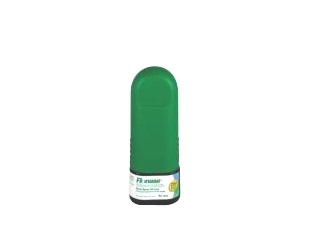
Fluticasone (Fluticasone propionate) — Patient Information (Australia)
Fluticasone is a corticosteroid medicine used to reduce inflammation in the airways and nasal passages. It is commonly found in Australia as inhaled or intranasal products, and may be used to help control conditions such as asthma and allergic rhinitis.
This guide is designed to be patient-friendly and to help you understand how fluticasone works, when to use it, how to manage common concerns, and what to consider for safe use in everyday life.
At a Glance
- What it is: An anti-inflammatory corticosteroid (commonly fluticasone propionate).
- Common forms in Australia: Inhalers for respiratory conditions and nasal sprays for allergies.
- What it does: Reduces swelling and irritation to improve breathing and reduce nasal symptoms.
- When you’ll notice benefit: Often within days, but best effects may take longer depending on the condition and product.
- Key safety point: Use regularly as directed for long-term control; do not stop suddenly without advice.
Basic Product Information
| Category | Details |
|---|---|
| Medicine class | Glucocorticoid (corticosteroid) |
| Common names | Fluticasone (often as fluticasone propionate) |
| Common uses (depends on formulation) | Asthma control; allergic rhinitis/sinus symptoms |
| Typical forms | Inhalers (inhaled fluticasone) or nasal sprays (intranasal fluticasone) |
| How it works | Anti-inflammatory action on airway or nasal tissues |
How Fluticasone Works (Mechanism of Action)
Fluticasone is a corticosteroid. When delivered to the lungs or nose, it helps reduce inflammation. Inflammation is a key driver of symptoms like wheezing, coughing, congestion, sneezing, itching, and runny nose.
At a cellular level, fluticasone:
- Modulates immune responses in the affected tissue
- Reduces inflammatory chemicals and swelling
- Helps improve airway/nasal sensitivity to triggers
- Supports longer-term symptom control compared with medicines that only relieve symptoms immediately
Important: Fluticasone is not usually intended for rapid relief of sudden breathing difficulty. It is designed for ongoing control and prevention of symptoms.
Pharmacokinetics (How the Body Handles It)
The way fluticasone is absorbed and processed depends on whether it’s used via inhalation or intranasal administration.
- Absorption: After inhaled or nasal use, some of the medicine reaches local tissues, while a fraction may be swallowed.
- Metabolism: Fluticasone is primarily metabolised by the liver (via CYP3A4). This is relevant when considering drug interactions.
- Elimination: Metabolites are eliminated mainly through the bile and gut. Only small amounts appear unchanged in urine.
- Systemic exposure: Inhaled and intranasal formulations are designed to act locally, leading to relatively low overall levels in the bloodstream compared with oral steroids—though systemic effects can still occur at higher doses or with prolonged use.
Practical implication: The goal is to get the medicine where it’s needed (lungs or nose) while minimising unnecessary exposure to other parts of the body.
Typical Uses in Australia
Depending on the formulation, fluticasone may be used for:
1) Inhaled fluticasone (respiratory)
- Asthma control (especially ongoing inflammation prevention)
- Reducing frequency and severity of flare-ups when used consistently
2) Intranasal fluticasone (nasal)
- Allergic rhinitis (hay fever), including seasonal symptoms
- Non-allergic rhinitis symptoms in some people (as advised by a clinician)
- Help with nasal congestion, sneezing, runny nose, and itching
Sinus-related symptoms: Some patients find intranasal corticosteroids helpful in managing chronic nasal inflammation associated with sinus issues. Always use according to directions for your specific product.
Indications and When to Use It
Fluticasone is indicated for inflammatory conditions affecting the airways or nasal passages. Your product’s label and directions will specify which condition it is intended to treat.
For asthma (inhaled): typically used as a controller medicine to reduce inflammation and improve long-term control.
For allergic rhinitis (intranasal): used to relieve and prevent nasal symptoms triggered by allergens.
Timing and How to Use for Best Results
Inhaled fluticasone timing
- Consistency matters: Use it at the same time each day, as directed by your product instructions or healthcare advice.
- Not for immediate rescue: If you have sudden wheeze or shortness of breath, follow your asthma action plan and use the appropriate fast-acting reliever if you have one.
- After dosing: If using an inhaler, rinse your mouth or brush teeth afterwards to reduce the risk of mouth/throat irritation (especially with higher doses or frequent use).
Intranasal fluticasone timing
- Daily use is often needed: For allergic rhinitis, regular use can provide steady symptom control.
- When to start: Starting before a known allergy season may help reduce symptoms.
- Immediate vs delayed effect: Some relief may begin within 12–24 hours, but the full benefit often takes several days of consistent use.
- Blow your nose first: Gently clear nasal passages before using the spray.
Food Interactions
Food is usually not a major issue for fluticasone products, because the medicine acts locally in the lungs or nose. However, individual factors can matter:
- Inhaled products: If any portion is swallowed, it typically does not require specific meal timing.
- Intranasal products: Swallowing small amounts is common and typically not affected by meals.
General advice: Follow your product instructions. If your healthcare professional has given you specific guidance (e.g., for side effect management), follow that advice.
Alcohol Interactions
For most people, moderate alcohol intake is not expected to have a direct interaction with fluticasone inhalers or nasal sprays. However, there are two practical considerations:
- Asthma control: Alcohol can trigger symptoms in some individuals (for example, via reflux or sensitivity), which may indirectly affect asthma.
- Infection risk concerns: Corticosteroids can mask infection symptoms or increase susceptibility in certain situations when taken at higher systemic doses. Intranasal/inhaled fluticasone generally has lower systemic exposure, but seek medical advice if you become unwell.
If you notice that alcohol worsens your symptoms, consider discussing it with your pharmacist or doctor.
Medicine Interactions (Including Important Cautions)
Because fluticasone is metabolised via CYP3A4, certain medicines that strongly inhibit this enzyme may increase fluticasone levels in the body, raising the chance of systemic corticosteroid side effects.
Tell your pharmacist or healthcare professional if you use any of the following:
- Strong CYP3A4 inhibitors (examples may include some antifungals and certain antivirals)
- Corticosteroids used elsewhere (tablets, injections, other inhalers, or creams) — combined steroid exposure may increase risk
- Other asthma or allergy medicines — to ensure your regimen is balanced and symptom control is appropriate
- Medicines that affect liver enzymes (your pharmacist can advise on specific products)
What to do: Don’t stop other medicines without advice. A pharmacist can help you check interactions based on your medication list.
Dosing (General Guidance)
Dosing depends on:
- Your condition (asthma vs allergic rhinitis)
- Your age and severity
- Your specific product strength and device type
- Your response and any previous asthma/allergy treatment
Always follow the instructions on your product label and the guidance provided by your healthcare professional.
Typical approach (conceptual, not a personal prescription)
- Asthma: Inhaled fluticasone is typically used on a regular schedule. The dose may be adjusted over time (“step up” or “step down”) based on symptoms and lung function.
- Allergic rhinitis: Intranasal fluticasone is usually started at a standard dose, then adjusted based on symptom control.
Missed dose
- If you miss a dose, use it when you remember unless it is close to the next dose.
- Do not use extra doses to make up for a missed dose.
- If you’re unsure, ask your pharmacist.
Do not exceed the recommended dose
- Using more than directed does not generally provide faster relief and may increase side effects.
- For inhaled products, incorrect technique can reduce effectiveness and increase throat/mouth issues.
Safety Profile and Side Effects
Fluticasone is generally well tolerated when used correctly. Side effects are typically related to local effects (throat/nose irritation) or, less commonly, systemic corticosteroid effects (especially with higher doses, prolonged use, or interacting medicines).
Common side effects
- Inhaled: hoarseness, sore throat, mouth/throat irritation, cough after inhalation, and sometimes oral thrush (especially without mouth rinsing)
- Intranasal: dry nose, nose irritation, nosebleeds, headache, and sneezing
Less common but important risks
- Infection concerns: Corticosteroids may increase risk of certain infections in some people. Seek advice if you develop persistent fever, worsening symptoms, or unusual infections.
- Systemic corticosteroid effects (rare with local use): With high doses or prolonged use, possible effects may include reduced bone density, adrenal suppression, cataracts/glaucoma, or growth effects in children. Your prescriber can monitor if needed.
- Delayed wound healing: Use caution if you have nasal ulcers, recent nasal surgery, or significant nose injury.
- Adrenal suppression: More likely when systemic steroids are involved or when doses are high. Do not abruptly stop long-term treatment without medical advice.
When to seek urgent help
Get urgent medical attention if you experience:
- Severe allergic reaction (swelling of face/lips, difficulty breathing, widespread rash)
- Sudden worsening breathing, severe chest tightness, or not improving after your reliever
- Significant or persistent nosebleeds, or signs of severe infection
Practical Use Tips (Inhaled and Intranasal)
Inhaled fluticasone — technique tips
- Use the device correctly: Different inhalers (e.g., pMDI vs dry powder) require different steps.
- Rinse and spit: After use, rinse your mouth or brush teeth to reduce throat irritation and thrush risk.
- Check your technique: Many patients accidentally reduce dose delivery by using the inhaler incorrectly.
- Count doses: Track remaining doses if your device supports it to avoid running out during flares.
Intranasal fluticasone — spray tips
- Gently clear your nose first for best distribution.
- Head position: Keep your head level or slightly forward; aim the nozzle slightly outward (away from the nasal septum) to reduce nosebleeds.
- Use the correct breathing: Sniff gently while activating the spray; avoid strong, forceful sniffing.
- Clean the nozzle: Wipe and clean according to instructions to prevent clogging.
- Be patient: The best results typically come with consistent daily use.
Alternative Options
If fluticasone isn’t the right fit (for example, due to side effects, device preference, or inadequate symptom control), your pharmacist or doctor may consider alternatives. Options may include:
For asthma (controller therapy alternatives)
- Other inhaled corticosteroids (different molecules or strengths)
- Combination inhalers that pair an inhaled corticosteroid with a long-acting bronchodilator (commonly used in moderate-to-severe asthma)
- Non-steroid controller medicines in selected cases (your clinician can advise based on your condition)
For allergic rhinitis (nasal alternatives)
- Other intranasal corticosteroids with similar anti-inflammatory effects
- Antihistamine tablets or antihistamine nasal sprays for symptom relief
- Saline rinses as an adjunct to reduce congestion and improve comfort
Note: The “best” option depends on symptom pattern, triggers, severity, and how well different devices suit you.
Market and Legal Context for Australia
In Australia, medicines are supplied under a regulatory framework overseen by the Therapeutic Goods Administration (TGA). Availability can vary by brand, strength, and formulation.
- Product regulation: Fluticasone products are classified according to Australian scheduling requirements.
- Pharmacist role: Pharmacists can provide guidance on correct use, device technique, and safety checks based on your health history.
- Online pharmacy delivery: Supply is subject to Australian laws and supplier requirements, including identification and suitability checks when required.
Recent guidance and practice trends: In asthma and allergic rhinitis care, the emphasis is typically on consistent anti-inflammatory controller use, correct inhaler/spray technique, and tailoring therapy to symptom control (with “step” adjustments where appropriate). Ongoing monitoring helps reduce flare-ups and minimise steroid exposure to the lowest effective dose.
Delivery and Availability (Australia)
Fluticasone products are commonly stocked in Australia in both pharmacy and online channels. Availability depends on:
- The exact formulation (inhaler vs nasal spray)
- Strength and brand
- Stock levels at the time of order
Delivery options: Most online pharmacies offer standard and express delivery to metro areas and selected rural regions. Dispatch times depend on order verification and stock readiness.
Packaging and storage: Keep your medicine in its original packaging. Store at appropriate temperatures as stated on the label. Protect from moisture and heat. Keep out of reach of children.
Safety Considerations and “Who Should Be Extra Careful?”
Please discuss with a pharmacist or healthcare professional if any of the following apply:
- You have a history of frequent nosebleeds or nasal ulcers (intranasal use)
- You have had eye problems such as glaucoma or cataracts (long-term steroid exposure considerations)
- You are using other steroid-containing medicines (including creams, tablets, or other inhalers)
- You are pregnant, planning pregnancy, or breastfeeding
- You have an active infection (especially if not improving)
- Your child is using an inhaled/intranasal product—growth monitoring may be relevant with long-term use
Do not stop suddenly long-term corticosteroid treatment without advice, even if you feel better. Your clinician may recommend a step-down plan for safety.
FAQ: Fluticasone (Australia)
1) What is fluticasone used for?
Fluticasone is used to reduce inflammation in the lungs (inhaled form) for asthma control and in the nose (intranasal form) for allergic rhinitis and related nasal symptoms.
2) How quickly will I feel better?
Some people notice improvement within 12–24 hours with intranasal use, but full benefit often takes several days. For asthma controller therapy, symptom improvement may take time, and it works best when used consistently.
3) Is fluticasone a “reliever” medicine?
No. Fluticasone is generally a controller/anti-inflammatory medicine. If you have sudden symptoms, you usually need a fast-acting reliever and follow your asthma action plan.
4) Can I use fluticasone if I have a cold?
Often yes, but it depends on symptoms and severity. If you have fever, worsening breathing, or signs of infection, seek advice. With intranasal use, stop and seek advice if you develop significant pain, worsening bleeding, or unusual symptoms.
5) Will fluticasone suppress my immune system?
At typical inhaled or intranasal doses, systemic effects are less common than with oral steroids. However, risk increases with high doses, prolonged use, or drug interactions. If you have frequent infections or concerns, ask your pharmacist for personalised advice.
6) Do I need to rinse my mouth after using it?
For inhaled fluticasone, it’s strongly recommended to rinse your mouth or brush your teeth after each use to help reduce throat irritation and the risk of oral thrush.
7) What should I do if I forget a dose?
Use it when you remember unless it’s nearly time for your next dose. Do not double up. If you’re unsure, consult your pharmacist.
8) Can I drink alcohol while using fluticasone?
There is usually no direct interaction with alcohol for inhaled or intranasal fluticasone. However, alcohol can worsen symptoms in some people—particularly asthma—so monitor your response.
9) Are there drug interactions I should know about?
Yes. Fluticasone is metabolised by CYP3A4. Strong CYP3A4 inhibitors may raise fluticasone levels. Also consider other corticosteroid products. Share your medication list with your pharmacist for interaction screening.
10) What if I get nosebleeds from the nasal spray?
Check your technique: aim slightly outward, use gentle sniffing, and avoid forceful nose blowing right after. If nosebleeds are persistent or heavy, seek medical advice.
Final Reminder
Fluticasone can be a highly effective treatment for controlling inflammation-related symptoms when used correctly and consistently. If you experience side effects, have ongoing symptoms despite use, or are unsure about technique, a pharmacist can help you review your product and provide practical guidance.
Always follow the instructions on your product label and seek healthcare advice if you have questions about suitability, interactions, or safety for your specific situation.