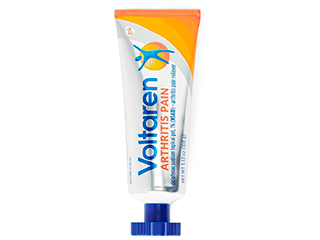
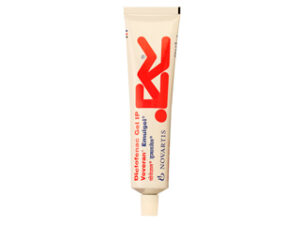
Voltaren Gel (Diclofenac Sodium) – Topical Anti-inflammatory Pain Relief (Australia)
Voltaren Gel is a topical medicine containing diclofenac sodium, a non-steroidal anti-inflammatory drug (NSAID). It is designed for pain relief and reduction of inflammation in localised joints and soft tissues. Because it is applied to the skin, Voltaren Gel can help relieve aches and pains while delivering medicine mainly to the affected area.
This page provides patient-friendly information to help you understand how Voltaren Gel works, how to use it safely, and what to expect. Always follow the directions on your product pack or those given by a healthcare professional.
Quick product facts
| Feature | What it means |
|---|---|
| Active ingredient | Diclofenac sodium |
| Medicinal form | Topical gel (applied to skin) |
| Medicine type | NSAID for local pain and inflammation |
| Common uses | Muscle and joint pain (e.g., osteoarthritis, sprains/strains, tendon pain) |
| How it works | Reduces prostaglandins involved in pain and inflammation |
| Typical application | Applied to the affected area up to several times daily (follow product label) |
| Where to apply | On intact skin over the painful area |
How Voltaren Gel works (mechanism of action)
Diclofenac belongs to the NSAID family. NSAIDs work by reducing chemicals called prostaglandins, which are involved in:
- Pain signalling
- Inflammation
- Swelling and stiffness in affected tissues
When applied as a gel, diclofenac is absorbed through the skin to the underlying tissue. The goal is to provide targeted relief at the site of pain while keeping systemic exposure lower than with oral NSAIDs (though some absorption still occurs).
Pharmacokinetics (how the body handles it)
With topical diclofenac, the medicine is absorbed through the skin in localised amounts. The degree of absorption can vary depending on factors such as skin condition, the size of the treated area, the thickness of application, and use under occlusion (covering with tight dressings).
Key points
- Absorption: Primarily local; systemic absorption is generally lower than oral diclofenac.
- Distribution: Diclofenac can enter the bloodstream and be distributed throughout the body at low levels.
- Metabolism: Diclofenac is metabolised in the liver.
- Excretion: Metabolites are mainly removed via the kidneys.
Because systemic exposure is usually lower, many people can use topical diclofenac with fewer systemic side effects than oral NSAIDs. However, precautions and interactions still apply, especially when used on large areas or for prolonged periods.
Typical uses and indications
Voltaren Gel is used to relieve pain and inflammation in conditions affecting joints and muscles, such as:
- Osteoarthritis pain in accessible joints (as directed on product information)
- Localized joint pain associated with inflammation
- Back or soft tissue discomfort and injuries (e.g., strains/sprains), if appropriate
- Tendon and ligament pain when the area can be treated directly on the skin
Specific indications can vary depending on the strength and product label in your pharmacy. Always check your product’s carton and patient information for the approved uses and age guidance.
When to use it (timing and expectations)
Voltaren Gel can be used when you need pain relief at the affected area. Many people apply it:
- During the day to reduce day-time discomfort
- Before activities that tend to worsen pain (e.g., walking, climbing stairs)
- At night if stiffness and pain affect sleep (follow product frequency limits)
How quickly it works: Relief may start within hours for some people, but noticeable improvement can take a few days of consistent use depending on the condition.
How long to try: If symptoms are not improving after the timeframe stated on the product information, seek advice from a pharmacist or healthcare professional.
Dosing and how to apply Voltaren Gel
Dosing depends on the size of the affected area and the product strength. Follow the directions on the label. As a general approach for topical diclofenac gels:
Typical adult dosing principles
- Apply a thin layer to the painful area.
- Use the recommended amount based on the area (often guided by finger/“strip” measurements on packaging).
- Repeat at the frequency listed on your product (commonly up to 4 times daily for certain formulations).
- Wash hands after applying unless the hands are the treated site.
Do not exceed the maximum daily amount stated on your product, and do not apply to more areas than recommended.
Step-by-step practical application
- Prepare the skin: Ensure the area is clean and intact (no cuts, broken skin, or infection).
- Apply the gel: Use the recommended amount and spread gently over the affected area.
- Let it dry: Allow the gel to absorb before covering with clothing.
- Wash your hands: Unless you are treating your hands.
- Avoid occlusion: Do not apply under tight bandages or waterproof coverings unless instructed by a clinician.
Special situations
- Children: Use only if the product is indicated for the child’s age and according to label directions.
- Older adults: No special dose change is usually needed, but extra caution is recommended if you have kidney, stomach, or heart conditions.
- Large areas or prolonged use: Systemic side effects are less common than with oral NSAIDs, but risk increases with extensive use.
Food interactions
Because Voltaren Gel is a topical medicine, food interactions are generally not a major concern. Most drug–food interactions relate to medicines taken by mouth, which affect how food changes absorption or metabolism.
However, if you take oral NSAIDs, blood thinners, or other medicines that can interact with diclofenac, those interactions are still relevant (see interactions section below).
Alcohol and medicine interactions
Topical diclofenac results in lower systemic exposure than oral diclofenac, but diclofenac can still be absorbed. For safety, consider these points:
Alcohol
- Moderation is recommended. Alcohol can increase the risk of stomach irritation and bleeding with NSAIDs, particularly with frequent or heavy use of alcohol and when other NSAIDs are also used.
- If you have a history of stomach ulcers, bleeding, or severe reflux, discuss alcohol use with your pharmacist.
Medicine interactions
Tell your pharmacist about all medicines you use, including over-the-counter products and supplements. Important interactions can include:
- Other NSAIDs (e.g., ibuprofen, naproxen, aspirin used for pain): using together may increase overall NSAID exposure.
- Anticoagulants / blood thinners (e.g., warfarin, apixaban, rivaroxaban): NSAIDs can increase bleeding risk. Monitor closely if you are taking these medicines.
- Antiplatelet medicines (e.g., clopidogrel, low-dose aspirin): may increase bleeding risk.
- Other medicines affecting the kidneys (e.g., some diuretics, ACE inhibitors, angiotensin receptor blockers): while risk is lower than with oral NSAIDs, diclofenac can still affect kidney function in vulnerable individuals.
- Other topical products on the same area: avoid combining unless advised, as skin irritation may increase.
If you are unsure whether your medicines may interact, ask a pharmacist. If you experience unusual bleeding, black/tarry stools, severe stomach pain, or shortness of breath, seek urgent medical advice.
Safety profile and precautions
Like all medicines, Voltaren Gel can cause side effects. Many people experience none or only mild skin reactions. Most concerns relate to skin application and, less commonly, systemic NSAID effects.
Common side effects (usually skin-related)
- Skin irritation (burning, redness)
- Itching or rash
- Dry skin or mild peeling where applied
- Local discomfort at the application site
Serious side effects (seek urgent help)
- Allergic reactions such as swelling of the face/lips, wheezing, or widespread rash
- Severe skin reactions (blistering, peeling skin, or sores), particularly if they spread
- Signs of internal bleeding (black stools, vomiting blood, unusual bruising), especially if using blood thinners or other NSAIDs
- Breathing difficulties or severe asthma flare in those with NSAID-sensitive asthma
Who should use extra caution
- People with a history of NSAID allergy or aspirin/NSAID-induced asthma
- People with stomach ulcers or gastrointestinal bleeding history
- People with kidney disease or reduced kidney function
- People with heart disease or uncontrolled high blood pressure (discuss risk with a pharmacist)
- People with eczema or sensitive skin (patch test may be sensible—ask a pharmacist)
Important precautions
- Do not apply to eyes, mouth, or genitals.
- Avoid broken skin and open wounds.
- Do not use on large body areas or under airtight dressings unless told to do so.
- Hands hygiene: wash hands after use to prevent accidental contact with eyes or other sensitive areas.
- Sun exposure: treated skin should be protected from strong sunlight/UV, as irritation can occur (follow label guidance).
Practical use tips for best results
- Apply to the exact painful area: Spreading beyond the area can waste product and increase skin irritation.
- Use consistently: Relief often improves when applied regularly for several days.
- Allow drying time: This reduces transfer to clothing and prevents irritation.
- Don’t “double up”: Avoid using multiple NSAID products on the same area at the same time unless advised.
- Keep nails clean: When applying to hands, avoid scratching irritated skin.
- Combine with movement: Gentle activity and physiotherapy/rehab strategies can complement topical pain relief.
- Track symptoms: If pain worsens or swelling increases, reassess with a pharmacist or clinician.
How to manage missed doses
If you forget a dose, apply it when you remember. If it is close to the next dose, skip the missed application and return to your usual routine. Do not apply extra gel to make up for a missed dose.
When to stop and seek advice
Stop using Voltaren Gel and seek advice if:
- You develop a significant rash or signs of allergy
- The treated skin becomes severely irritated or blistered
- Your pain does not improve or worsens after the time stated on the product information
- You experience symptoms suggestive of systemic side effects (e.g., unusual bleeding, severe stomach pain)
- You suspect infection in the area you treated (redness, heat, fever, pus)
Alternative options
Depending on your condition and health history, your pharmacist may suggest alternative approaches. Options can include:
Other topical pain relief
- Topical NSAIDs (other diclofenac or NSAID gels/creams)
- Counterirritants such as menthol-based or capsaicin-based products (may suit some users)
Non-topical options
- Oral paracetamol for pain relief (where appropriate)
- Oral NSAIDs (e.g., ibuprofen/naproxen) for short-term pain in suitable patients, noting that systemic risk may be higher
Non-medicine approaches
- Heat or cold therapy
- Physiotherapy and strengthening exercises
- Joint support/orthotics and activity modification
- Weight management strategies for osteoarthritis where relevant
Your best choice depends on the cause of your pain, your medical history, and which body area is affected. A pharmacist can help you compare options.
Voltaren Gel and Australia: market and legal context
In Australia, Voltaren Gel is commonly available through community pharmacies. Topical NSAIDs are generally regulated as medicines and are supplied in accordance with Australian regulatory requirements and product scheduling. Availability can vary by pack size and concentration.
Product labelling and directions are approved for the Australian market, including indications, age guidance, and maximum daily dosing. Always read the Consumer Medicine Information (CMI) that comes with your product where applicable.
Recent guidance and safety awareness (what to watch for)
Health authorities and clinicians continue to emphasise NSAID safety—particularly regarding:
- Skin reactions from topical medicines
- Cardiovascular and kidney risks for NSAIDs, especially when systemic exposure is higher
- Bleeding risks when NSAIDs are combined with blood thinners
While Voltaren Gel is topical and generally has lower systemic exposure than oral NSAIDs, it is still important to use it exactly as directed, avoid use on large areas without advice, and check interactions with your other medicines.
Delivery and availability (online pharmacy)
Voltaren Gel is widely stocked in Australia by major pharmacies and online dispensaries, depending on the strength and pack size. Delivery availability can vary by location, shipping cut-off times, and supplier stock levels.
- Availability: Usually in-stock for common pack sizes; specialty strengths may take longer.
- Delivery: Standard and express options may be offered by online pharmacies.
- Packaging: Medicines are typically shipped in protective packaging to reduce damage.
If you’re purchasing for ongoing use, check the expiry date shown on the product label. Store the gel according to the instructions on the pack (typically at room temperature, away from moisture and heat).
Frequently Asked Questions (FAQ)
1) Is Voltaren Gel the same as oral diclofenac?
No. Voltaren Gel contains diclofenac sodium but is applied to the skin. Oral diclofenac is taken by mouth, which generally leads to higher systemic exposure. Topical application targets the affected area and usually produces fewer systemic side effects, though some absorption still occurs.
2) How many times a day can I use it?
Follow the dose frequency listed on your specific Voltaren Gel pack. Different strengths or formulations may have different directions. Do not exceed the maximum daily amount on the label.
3) How long does it take to work?
Some people feel relief within hours, while others notice improvement after a few days of regular use. If you don’t see benefit within the timeframe stated in the product information, get advice from a pharmacist or clinician.
4) Can I use it for arthritis in my knee, hand, or hip?
Voltaren Gel is commonly used for osteoarthritis pain in joints where the gel can be applied to the skin over the affected area. Check the product label for the approved indications and any specific joint or age limitations.
5) Can I cover the area with a bandage or clothing?
You can wear clothing normally once the gel has absorbed and dried. Avoid airtight or tightly occlusive dressings unless instructed by a healthcare professional. Occlusion can increase absorption and skin irritation.
6) What if I accidentally get it in my eyes?
Rinse the eye thoroughly with water for at least 15 minutes and seek medical advice if irritation persists. Wash hands after application to reduce the risk of accidental contact.
7) Can I use Voltaren Gel with other pain relief medicines?
You may use paracetamol in many cases, but combining NSAIDs (topical or oral) can increase risk of side effects. Check your medication list with a pharmacist, especially if you take anticoagulants or other NSAIDs.
8) Is it safe during pregnancy or breastfeeding?
Topical NSAIDs should be used with caution. Guidance can vary by trimester and your medical situation. Speak with a pharmacist or healthcare professional for personalised advice before using Voltaren Gel if you are pregnant, trying to conceive, or breastfeeding.
9) Can children use it?
Use only if the product is indicated for the child’s age and applied exactly as directed on the label. If you are unsure, ask a pharmacist—paediatric guidance can vary by product.
10) What should I do if my skin becomes very irritated?
Stop using the gel and seek advice. Mild redness may settle after avoiding the product, but severe irritation, blistering, or widespread rash requires prompt medical assessment.