Voltaren (Diclofenac) — Patient Guide (Australia)
Voltaren is a brand of diclofenac, an anti-inflammatory medicine used to relieve pain and inflammation. It is available in different strengths and forms (most commonly gels and tablets, depending on the product). This guide explains how Voltaren works, how it is used, key safety information, and practical tips for getting the most benefit.
Always follow the directions on the pack or from your pharmacist. Individual products may differ by strength and whether they are designed for short-term use.
1) Basic product information
| Product name | Active ingredient | Common forms (examples) | Typical purpose |
|---|---|---|---|
| Voltaren | Diclofenac | Topical gel/cream; oral tablets (varies by brand and listing) | Relief of pain and inflammation |
| Voltaren Emulgel / Gel | Diclofenac (topical) | Gel or emulsion for skin application | Localised joint, muscle and sports-related pain |
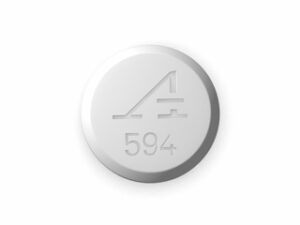
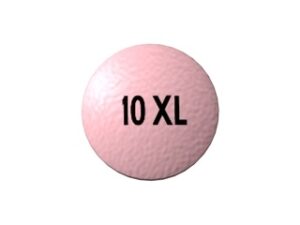
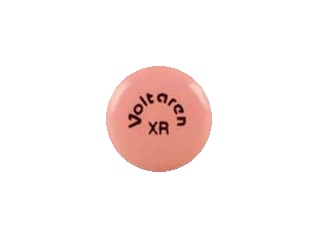
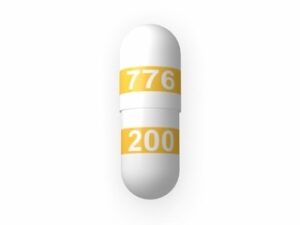
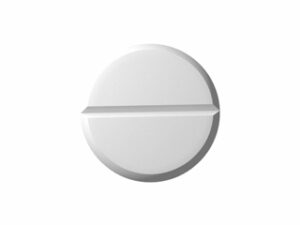
| Voltaren tablets (where available) | Diclofenac (oral) | Tablets (strength varies) | Widespread painful inflammatory conditions |
Medicine class: Diclofenac is a non-steroidal anti-inflammatory drug (NSAID).
What it can help with: Voltaren is used for musculoskeletal pain (e.g., sprains/strains, tendon and joint pain). Oral products may also be used for certain inflammatory conditions, as directed for that specific product.
2) How Voltaren works (mechanism of action)
Diclofenac reduces pain and swelling mainly by blocking enzymes called cyclo-oxygenase (COX-1 and COX-2). These enzymes help produce prostaglandins—chemical messengers involved in:
- Inflammation (swelling and redness)
- Pain signalling
- Fever (less relevant for most Voltaren uses)
By lowering prostaglandin production, diclofenac helps relieve pain, improve movement, and reduce inflammation.
3) Pharmacokinetics (how the body handles diclofenac)
Pharmacokinetics describes how a medicine is absorbed, distributed, metabolised, and eliminated. This can vary depending on whether the product is topical or oral.
A) Topical diclofenac (gel/cream)
- Absorption through skin: Only a portion of diclofenac enters the bloodstream compared with oral diclofenac.
- Local effect: The main benefit is at/near the affected area.
- Lower systemic exposure: Because absorption is limited, many people experience fewer whole-body effects than with tablets.
B) Oral diclofenac (tablets)
- Absorption: Diclofenac is absorbed through the gastrointestinal tract.
- Metabolism: It is metabolised largely in the liver (primarily via CYP enzymes).
- Elimination: Metabolites are removed mainly through the kidneys.
Key takeaway: Follow the dosing instructions for the specific Voltaren product you purchase. Topical and oral forms are not interchangeable on a milligram-for-milligram basis.
4) Typical uses and indications
Voltaren is used to relieve pain and inflammation related to a range of musculoskeletal problems. Indications depend on the product type (topical vs oral) and the strength/pack label.
Common indications (topical diclofenac)
- Relief of localised joint pain (e.g., hands, knees, or other affected joints)
- Muscle pain and strains (including overuse injuries)
- Sports-related injuries such as sprains and minor strains
- Tendon and ligament pain associated with activity
Common indications (oral diclofenac, where available)
- Inflammatory joint conditions (as directed for the specific product)
- Painful inflammatory conditions where an NSAID is appropriate
Important: This guide provides general information. Always check your product pack for the exact listed indications, age approvals, and dosing instructions.
5) When to take Voltaren (timing and duration)
A) Topical gel timing
- Apply at the times stated on your specific product label.
- For many topical NSAID gels, use is often several times per day (commonly 2–4 times daily depending on strength and formulation).
- Consistent use helps maintain pain relief.
B) Oral tablet timing
- Follow the pack instructions for frequency (and whether to take with food).
- Take at similar times each day to maintain effect.
C) How long to try before reassessing
- If symptoms do not improve, or if pain worsens, speak with your pharmacist or doctor.
- Seek urgent advice if you have severe swelling, trauma with inability to bear weight, redness/warmth with fever, or rapidly worsening symptoms.
6) Food interactions and taking Voltaren with meals
A) Topical Voltaren (gel/cream)
Food generally has little direct impact on topical diclofenac because absorption is mainly local and systemic levels are lower than with tablets.
B) Oral Voltaren (tablets)
- Diclofenac tablets can irritate the stomach in some people.
- Taking tablets with or after food may reduce stomach discomfort.
- Avoid taking on an empty stomach if you tend to get indigestion or reflux (unless your specific product direction says otherwise).
7) Alcohol interactions and safety
Alcohol and NSAIDs can both increase the risk of stomach irritation and bleeding. If you drink alcohol while using diclofenac:
- Keep intake low and consider avoiding alcohol during NSAID use, especially if you have a history of ulcers, gastritis, or GI bleeding.
- Stop and seek medical advice if you develop black/tarry stools, vomiting blood, or severe stomach pain.
8) Medicine interactions (important)
Diclofenac can interact with several medicines. Some combinations increase the risk of bleeding, kidney problems, or heart-related effects. Always check with a pharmacist if you take any regular medicines.
Common high-risk interaction categories
- Other NSAIDs (e.g., ibuprofen, naproxen, aspirin used for pain): increases side effects and stomach/bleeding risk.
- Blood thinners (anticoagulants) and antiplatelet medicines: may increase bleeding risk.
- Selective serotonin reuptake inhibitors (SSRIs) and other antidepressants that affect bleeding: may raise bleeding risk when combined with NSAIDs.
- Corticosteroids: increases risk of gastrointestinal side effects.
- Diuretics and certain blood pressure medicines: can affect kidney function, especially in dehydrated people or those at risk.
- ACE inhibitors/ARBs (blood pressure/heart medicines): combination with NSAIDs may increase kidney risk in some people.
- Lithium: NSAIDs can increase lithium levels.
- Methotrexate: NSAIDs may increase methotrexate levels and toxicity.
- Cyclophosphamide or other high-risk medicines (less common): may require close monitoring.
Topical product note: Even though systemic exposure is lower with gel, interactions are still possible. If you use oral diclofenac or other NSAIDs, discuss your full medication list.
9) Dosing: how to use Voltaren safely
Dosing depends on the specific product (strength, formulation, and route). Use the dose on your pack.
A) Topical diclofenac (gel/cream)
Typical instructions for topical diclofenac products include:
- Apply a thin layer to the affected area.
- Wash hands after application (unless the hands are the treated area).
- Do not apply to broken skin or open wounds.
- Avoid covering with airtight dressings unless directed.
- Use only the amount specified (over-application does not necessarily improve outcomes and may increase side effects).
Practical dosing reminder: Measure using the pack’s instructions (e.g., by the amount per “dose” or strip length if provided).
B) Oral diclofenac (tablets)
- Oral dosing schedules vary by strength and indication.
- Do not exceed the maximum daily dose stated on the pack.
- Do not take more than one NSAID at a time unless your healthcare professional advises.
Special populations: Older adults, people with kidney disease, a history of ulcers/bleeding, or those with cardiovascular risk may require extra caution. If you are in a higher-risk group, ask your pharmacist for advice about whether diclofenac is appropriate and how to minimise risk.
10) Safety profile: who should be cautious
NSAIDs like diclofenac can cause side effects. Many people use diclofenac without problems, but risk increases with certain factors (dose, duration, age, and medical history).
Common side effects
- Topical: skin irritation, redness, itching, or rash at the application site
- Oral (tablets): indigestion, stomach pain, nausea
Serious side effects — seek medical advice urgently if you notice
- Signs of stomach or bowel bleeding: black stools, vomiting blood, severe persistent abdominal pain
- Allergic reaction: swelling of face/lips, wheezing, severe rash, or sudden breathlessness
- Cardiovascular symptoms: chest pain, sudden shortness of breath, weakness on one side
- Kidney problems: reduced urination, unusual swelling, severe fatigue
- Severe skin reactions (rare): blistering or peeling rash
People who should be extra cautious
- Those with a history of stomach ulcers or GI bleeding
- People with kidney disease or dehydration
- People with heart disease or significant cardiovascular risk factors
- Individuals with asthma that worsens with NSAIDs (some people are sensitive)
- Those taking medicines that increase bleeding risk (see interactions section)
- Pregnant people (especially later pregnancy) — ask a pharmacist for the safest option
Topical caution: Stop and seek advice if skin reactions are severe or spreading. Do not use on large areas for long periods unless advised.
11) Practical use tips (to get better results)
For topical Voltaren gel
- Apply to clean, dry skin.
- Use the recommended amount and spread gently over the painful area.
- Allow the gel to dry before covering with clothing.
- Wash hands after application (unless treating the hands).
- Prevent accidental transfer to eyes or mouth.
- Consider avoiding heat sources (hot packs/heating pads) over the application site unless your pharmacist says it is safe, as warmth can increase absorption.
- Don’t use with other topical products on the same area unless you have been advised to avoid interactions or irritation.
For oral Voltaren tablets
- Take with food if you get indigestion.
- Stay well hydrated—especially if you are active or in warm weather.
- Use the lowest effective dose for the shortest necessary time.
- Avoid “stacking” pain relief by combining multiple NSAIDs.
When to stop and seek medical review
- Your symptoms are not improving after the time suggested on the pack or within a few days of appropriate use.
- You develop persistent stomach pain, black stools, breathing difficulties, facial swelling, or severe rash.
- You have significant injury, severe swelling, fever, or inability to use the joint normally.
12) Alternative options (depending on your symptoms)
There are several alternatives to diclofenac, and the best choice depends on whether your pain is localised (e.g., a specific joint) and on your medical history.
Other NSAIDs
- Ibuprofen or naproxen (oral or topical forms depending on product availability)
- Other topical NSAID gels available in Australia (varies by brand/active ingredient)
Non-NSAID pain relief
- Paracetamol (acetaminophen): useful for pain relief and generally gentler on the stomach than NSAIDs, but does not treat inflammation as strongly.
Non-medicine approaches
- Rest and activity modification (avoid movements that worsen pain)
- Cold or heat therapy (use the approach appropriate to your injury stage)
- Physiotherapy and strengthening exercises
- Supportive measures such as compression or braces (for joint-specific issues)
Tip: If you have a history of ulcers, bleeding, kidney disease, or heart risk, ask your pharmacist about safer alternatives.
13) Voltaren in the Australian market: legal and guidance context
In Australia, diclofenac-containing products are regulated under the Therapeutic Goods Administration (TGA) framework and are classified as either prescription-only or pharmacist-only depending on form, strength, and specific product approvals. Availability can vary across different Voltaren presentations (for example, topical gels may have different access pathways than oral tablets).
Recent safety context: Over recent years, Australian and international regulators and professional bodies have emphasised that NSAIDs, including diclofenac, should be used at the lowest effective dose for the shortest possible duration, particularly in people with cardiovascular risk or a history of gastrointestinal problems.
What that means for patients: If you need ongoing pain relief, it’s important to regularly reassess whether diclofenac is still the safest option for you, rather than continuing indefinitely.
14) Recent guidance and best-practice reminders
- Use the smallest effective amount and follow the dosing schedule on the pack.
- Avoid combining NSAIDs unless specifically directed (e.g., don’t use diclofenac alongside ibuprofen or naproxen).
- Watch for stomach and bleeding symptoms, particularly with oral NSAID use and regular alcohol intake.
- Be cautious if you are older or have kidney, heart, or ulcer history.
- Report new symptoms promptly—especially allergic reactions, breathing issues, unusual bruising, black stools, or chest pain.
If you have questions about suitability for your circumstances, a pharmacist can help you compare options and review interactions.
15) Delivery and availability (Australia)
Voltaren diclofenac products may be available through online pharmacies and retail outlets depending on their category and stock availability. Delivery options and dispatch times vary by supplier.
- Availability: Subject to product listing, strength/form, and supply chain conditions.
- Delivery: Typically dispatched within 1–2 business days where stock is available; longer delays can occur during peak periods.
- Packaging: Products are usually shipped in protective packaging to reduce risk of damage.
- Storage: Store according to pack instructions (often cool and dry; keep out of reach of children).
Note: Always check the specific item page for current stock status, delivery estimates, and any purchase limits.
16) FAQ — Frequently asked questions
Is Voltaren the same as diclofenac?
Yes. Voltaren is a brand name. The active medicine is diclofenac. Different Voltaren products may come in different forms and strengths.
How quickly does Voltaren work?
Many people notice pain relief from topical diclofenac within hours, though the effect may build over a couple of days with regular use. For oral diclofenac, pain relief may start sooner, depending on the product and your individual response.
Can I use Voltaren gel on the same area as other creams or pain relief products?
It depends on the products and whether they cause skin irritation. As a general rule, avoid layering multiple topical products on the same area unless you have pharmacist guidance—especially if your skin is sensitive.
Can I drive or operate machinery?
Topical Voltaren is unlikely to affect alertness. If you use oral diclofenac and feel drowsy, dizzy, or unwell, avoid driving or operating machinery until you know how the medicine affects you.
What should I do if I miss a dose?
For topical use, apply it when you remember and then continue at the next scheduled time. Do not apply extra gel to make up for a missed application. Follow the instructions on your pack.
Is it safe to use Voltaren for long periods?
Generally, NSAIDs should be used for the shortest duration that provides relief. If you need longer treatment, talk to a pharmacist or healthcare professional to reassess the cause of pain and the safest ongoing approach.
Can I use Voltaren if I have asthma?
Some people with NSAID-sensitive asthma may react to diclofenac or other NSAIDs. If you have ever had asthma symptoms triggered by aspirin/NSAIDs, avoid diclofenac and ask a pharmacist for alternatives.
Does Voltaren interact with blood pressure medicines or diuretics?
Oral NSAIDs can affect kidney function and may interact with certain blood pressure medicines or diuretics, especially if you are dehydrated. If you take these medicines, ask a pharmacist before using diclofenac.
Is Voltaren safe during pregnancy or breastfeeding?
NSAIDs are not always suitable during pregnancy, especially later pregnancy. Diclofenac use during breastfeeding should also be discussed. A pharmacist can help you choose a safer option and review the best timing and dose.
What if I develop a rash after applying Voltaren gel?
Stop using the gel and seek advice promptly. Mild irritation may settle, but widespread or severe rash, blistering, or breathing symptoms require urgent medical attention.
Can I drink alcohol while using Voltaren?
It is safer to limit or avoid alcohol, particularly with oral diclofenac, because alcohol can increase the risk of stomach irritation and bleeding. If you choose to drink, keep it low and watch for warning signs.
Are there any warning signs that mean I should get help immediately?
Yes. Seek urgent help for black/tarry stools, vomiting blood, severe stomach pain, facial swelling, wheezing or breathlessness, chest pain, or signs of severe allergic reaction.
Final reminder
Voltaren (diclofenac) can be an effective option for relieving pain and inflammation, especially for localised musculoskeletal issues when used correctly. Always check your specific product label for dosing instructions, use the lowest effective amount for the shortest time, and consider discussing your medical history and other medicines with a pharmacist—particularly if you have ulcer history, kidney problems, heart disease, or take blood thinners.