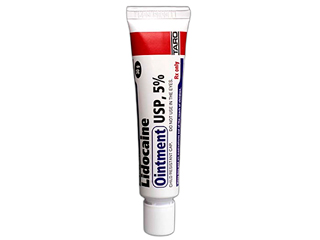
Xylocaine (Lidocaine) – Patient Information (Australia)
Xylocaine is a brand name for lidocaine, a local anaesthetic medicine used to relieve pain and discomfort by numbing a specific area of the body. It is available in several forms, including gel, spray, injection (administered by healthcare professionals), and patches depending on product availability in Australia.
This guide explains how Xylocaine works, when it’s used, how to take it safely, and what to expect. Always follow the instructions on your product label or those given by your healthcare professional or pharmacist.
Quick Overview
- Active ingredient: Lidocaine
- Medicine type: Local anaesthetic (numbing agent)
- Main benefit: Reduces pain by blocking nerve signals in the treated area
- Common forms: Gel, spray, patches, and injectable forms (by professionals)
- Common uses: Numbing skin or mucous membranes for minor procedures, dental comfort, and certain pain conditions
- Onset & timing: Depends on form and where it’s applied; generally works quickly
Basic Product Information
Xylocaine contains lidocaine, which numbs nerve endings and temporarily prevents pain signals from reaching the brain. In some forms, it may also reduce itching or burning sensations associated with irritation of the skin or mucous membranes.
In Australia, specific Xylocaine products vary by formulation and strength. Examples include:
- Xylocaine Gel (often used for soothing and numbing in urology/rectal applications or for local irritation—depending on clinician direction and product label)
- Xylocaine Spray (commonly used for local anaesthesia of the throat or other mucosal surfaces, depending on clinical setting)
- Xylocaine Patch (a medicated patch for localised nerve-related pain in some settings)
- Xylocaine Injection (administered by healthcare professionals)
Important: Product choice and dose depend on the condition, location, and the specific formulation. Different Xylocaine products are not interchangeable milligram-for-milligram.
How Xylocaine Works (Mechanism of Action)
Lidocaine is a local anaesthetic. It works mainly by blocking sodium channels in nerve cell membranes. When sodium channels are blocked, nerves cannot generate and transmit electrical impulses effectively. This prevents or reduces pain sensation in the area where the medicine is applied.
Depending on the site (skin, oral mucosa, genital mucosa, or targeted nerve pain areas), onset and depth of numbness may vary.
Pharmacokinetics (How the Body Handles Lidocaine)
Pharmacokinetics describes what the body does with lidocaine: absorption, distribution, metabolism, and elimination.
- Absorption: Lidocaine absorption varies by route and site. For topical products, absorption can increase when applied to areas with more blood flow or to injured/irritated mucosa or skin.
- Distribution: Lidocaine can enter the bloodstream and distributes to tissues. It is generally bound to plasma proteins.
- Metabolism: Lidocaine is mainly metabolised by the liver (biotransformation into metabolites).
- Elimination: Metabolites and a smaller proportion of unchanged lidocaine are eliminated primarily via the kidneys.
Why this matters: Lidocaine levels can become higher in people with liver impairment or when too much is used, particularly when applied over large areas, frequently, or to broken skin.
Typical Uses and Indications
Xylocaine is used for local pain relief and to create numbness for procedures or symptom management. Depending on the exact product and formulation, typical indications may include:
- Local anaesthesia for minor procedures (e.g., dental discomfort, skin or mucosal procedures in clinical settings)
- Numbing irritated mucous membranes (e.g., for temporary relief in specific clinical circumstances)
- Management of nerve-related pain (particularly with patch formulations in some cases)
- Adjunct symptom relief for certain conditions where local numbness is beneficial
- Procedural comfort in emergency or outpatient settings when administered by a clinician
The exact indication depends on the Xylocaine form you have. Always use the product for the purpose described in the label and/or by your healthcare professional.
When Will It Work? (Timing and Onset)
Timing depends strongly on formulation and application site:
- Gel and topical forms: Typically begin working within minutes, with numbness building shortly after application.
- Spray: Often provides fast relief because it coats mucous membranes quickly (use in a clinical/label-directed setting).
- Patches: Generally provide more gradual, sustained local pain control over hours.
If numbness does not occur or is short-lived, do not increase frequency beyond label direction. Incorrect use (e.g., too little product, applying to the wrong area, or removing too early for a patch) can affect results. Speak with a pharmacist if you are unsure.
Food Interactions
Most topical local anaesthetic use has limited direct interaction with food because systemic absorption is usually low when used correctly. However, food can matter indirectly:
- Oral/throat numbing products: If you’ve used a product that numbs your mouth or throat, take care with eating or drinking until feeling returns to reduce choking or accidental biting.
- General health factors: If you have liver disease or other conditions affecting metabolism, tell your clinician or pharmacist (food itself is usually not the key factor, but overall health changes how your body handles lidocaine).
For patch or skin gel products, avoid applying on top of hot compresses or immediately after heating the area, as increased absorption may occur.
Alcohol and Medicine Interactions
Alcohol
Alcohol may increase the risk of side effects such as dizziness or drowsiness, and it can affect judgement—important when you have reduced sensation (e.g., after oral/throat numbing). If you feel light-headed, avoid alcohol and driving. Ask a pharmacist for guidance if you plan to drink alcohol on the same day as using lidocaine.
Other medicines
Lidocaine interactions may occur, especially if systemic absorption is significant (for example, high doses, frequent use, large areas, or compromised skin/mucosa). Tell your pharmacist if you use any regular medicines, including:
- Other local anaesthetics (additive effects)
- Medicines affecting liver enzymes (lidocaine is metabolised in the liver; certain drugs can alter lidocaine levels)
- Antiarrhythmics and other medicines that affect heart rhythm
- Cimetidine (can increase levels of lidocaine in some circumstances)
- Other medicines that cause sedation or numbness (may make side effects harder to notice)
This is not a complete list. If you’re taking multiple medicines (including herbal products), seek personalised advice.
Dosing: How Much to Use (General Guidance)
Dosing depends on:
- the exact Xylocaine formulation
- the area and condition being treated
- your age, overall health, and liver function
- whether the product is used on intact skin or broken/irritated mucosa
Always follow the product label or clinician instructions. Do not exceed recommended amounts. Because different Xylocaine products differ in strength and application method, “common sense” substitutions (e.g., gel vs spray vs patch) are not safe.
Examples of typical application principles (not a substitute for label instructions)
- Topical gel/spray: apply a thin layer or the recommended number of puffs/sprays to the targeted area
- Patches: apply to intact skin only, keep the patch on for the recommended duration, and do not cut patches unless specifically stated by the product instructions
- Do not use more frequently than advised
If you have been given an individual dosing plan, follow it closely. If you miss a dose, use it when next due according to the label—do not double up.
Safety Profile and Side Effects
Like all medicines, lidocaine can cause side effects, though many people tolerate Xylocaine well when used as directed.
Common or mild side effects
- Local irritation (mild burning, stinging, redness)
- Numbness that may feel uncomfortable or affect normal sensation temporarily
- Dryness or changes in the area of application
Serious side effects (seek urgent help)
Overuse or accidental high absorption can lead to systemic lidocaine toxicity. This is uncommon when used correctly, but risk increases with high doses, frequent use, or large-area application, especially on broken skin/mucosa.
- Dizziness or faintness
- Tinnitus (ringing in the ears)
- Numbness/tingling away from the treated area, confusion
- Seizures
- Irregular heartbeat, palpitations
- Breathing difficulties
If you or someone else may have used too much Xylocaine, contact Poison Information (Australia): 13 11 26 for urgent advice or seek emergency care.
Who should take extra care?
- Liver impairment (reduced metabolism)
- Heart rhythm disorders or significant cardiac disease
- Pregnancy or breastfeeding (use only as directed by a clinician)
- Children (follow age-specific label directions closely)
- Allergy risk to ingredients in the product
Practical Use Tips (How to Apply Safely)
- Wash your hands before and after application (unless the product is specifically designed to be handled differently).
- Use only on the intended area. Avoid eyes and do not apply inside the nose unless specifically instructed by the product instructions.
- Use the correct amount. More is not always better and can increase systemic absorption.
- Let it work before touching the area. In oral/throat uses, avoid eating/drinking until normal sensation returns.
- Do not apply heat (hot water bottles, heating pads) over topical lidocaine unless directed by your clinician. Heat can increase absorption.
- Avoid cuts and broken skin where possible. If use is necessary, follow label directions and dosing limits.
- For patches: apply to intact skin, avoid damaged or inflamed areas, and rotate sites as recommended (do not place new patches on top of previous application sites unless instructed).
If you experience worsening pain, rash, swelling, or persistent irritation, stop using and speak with a pharmacist or doctor.
Alternative Options
Depending on the condition and the formulation you’re using, alternatives to Xylocaine may include other local anaesthetics or non-anaesthetic pain relief options. Possible alternatives (availability varies) include:
- Other local anaesthetics: e.g., prilocaine, benzocaine, bupivacaine (depending on indication and product availability)
- Topical analgesics: products containing anti-inflammatory or soothing ingredients (for musculoskeletal discomfort)
- Nerve pain options: medicines used specifically for neuropathic pain (your clinician can advise the best match)
- Non-drug approaches: heat/cold therapy, physiotherapy, and ergonomic changes for certain pain causes
Choose alternatives based on the underlying pain source and location. A pharmacist can help compare options and select an appropriate product form.
Market and Legal Context for Australia
Medicines in Australia are regulated under the Australian Register of Therapeutic Goods (ARTG) through the Therapeutic Goods Administration (TGA). Product availability, classification, and usage instructions depend on the formulation, strength, and intended use.
For online pharmacies, products may be supplied under different access pathways. Some lidocaine-containing products may be available without prescription, while others require clinician involvement depending on formulation and indications. The exact status can vary by brand, dosage form, and whether it is intended for particular conditions.
Always follow the instructions provided by the Australian product label and any guidance from your pharmacist. If a medicine is not suitable for your specific situation, your pharmacist can recommend the safest option.
Recent guidance and safety focus (general)
In recent years, Australian medicine safety messages across many anaesthetic and pain products have emphasised:
- the importance of using the correct dose and formulation
- avoiding exposure to sensitive areas (eyes) and misuse on unintended sites
- preventing accidental overdose from repeated application or mixing products
- ensuring safe use in populations at higher risk (e.g., liver impairment, children)
Specific guidance can differ by product and manufacturer, so refer to the leaflet included with your Xylocaine product.
Delivery and Availability (Australia)
Online pharmacies in Australia typically stock lidocaine products such as gels, sprays, and patches depending on supply agreements and demand. Delivery times vary by location, dispatch schedules, and stock availability.
- Availability: Usually varies by formulation (gel vs spray vs patch).
- Delivery: Commonly Australia-wide, with standard and express options depending on the provider.
- Cold-chain: Lidocaine topicals generally do not require refrigeration unless otherwise stated on the product label.
- Packaging: Kept secure to prevent leaks (especially gels and sprays).
If you’re searching for a particular Xylocaine form (e.g., patch vs gel), ensure it matches your intended use and check strength/size on the product page.
FAQ (Frequently Asked Questions)
1) What is Xylocaine used for?
Xylocaine (lidocaine) is used to numb a local area to relieve pain or discomfort. Depending on formulation, it may be used for procedural comfort or specific pain conditions, such as certain nerve-related pain managed with patches.
2) How quickly does Xylocaine work?
Onset depends on the form and where it’s applied. Many topical products begin working within minutes, while patches tend to provide longer-lasting relief. If you’re unsure, check the product label for expected timing.
3) Can I eat or drink after using Xylocaine in my mouth or throat?
Wait until normal sensation returns. Numbness can increase the risk of accidentally biting your tongue or choking. Follow the label or pharmacist advice for your specific product.
4) Is it safe to use Xylocaine more than once a day?
It may be safe when used exactly as directed. However, frequency and maximum daily dose differ by formulation. Do not exceed label instructions, and avoid applying to large areas or broken skin unless specifically instructed.
5) What if I accidentally apply too much?
If you suspect overdose, contact Poison Information (Australia): 13 11 26 or seek emergency care. Signs of systemic effects can include dizziness, ringing in the ears, confusion, or heart rhythm symptoms.
6) Are there interactions with other medicines?
Possible interactions exist, particularly involving liver metabolism or heart rhythm medicines. Tell your pharmacist about all medicines you take, including any antiarrhythmics, liver-related medications, and other anaesthetics.
7) Can I drink alcohol while using lidocaine?
Alcohol can increase the chance of side effects like dizziness and can make it harder to notice symptoms. For topical uses that reduce sensation, alcohol may also increase injury risk. Ask a pharmacist if you’re planning to drink alcohol.
8) Can I use Xylocaine if I have liver disease?
Extra caution is needed. Lidocaine is metabolised in the liver, so reduced liver function may increase risk. Talk to your pharmacist or clinician before use.
9) What side effects should I watch for?
Mild local irritation can occur. Seek urgent help if you experience symptoms that may suggest systemic toxicity (e.g., dizziness, tinnitus, confusion, seizures, breathing difficulty, or irregular heartbeat).
10) What should I do if my pain doesn’t improve?
If numbness is inadequate or pain persists or worsens, stop using and speak with a pharmacist or doctor. Persistent pain may need assessment for the underlying cause.
Product Information Summary Table
| Category | Information |
|---|---|
| Active ingredient | Lidocaine (Xylocaine brand) |
| Type | Local anaesthetic / numbing agent |
| How it works | Blocks sodium channels in nerves to reduce pain signal transmission |
| Absorption | Varies by site and condition; higher absorption possible on irritated/broken mucosa or skin |
| Metabolism | Mainly metabolised in the liver |
| Elimination | Primarily via the kidneys |
| Typical uses | Numbing for procedures or local symptom relief; nerve pain in some patch indications |
| Timing | Depends on formulation; generally works within minutes for topical forms and provides sustained relief for patches |
| Alcohol | May increase side effects such as dizziness; use caution |
| Key safety note | Avoid exceeding label dose; seek urgent help for possible systemic toxicity |
Disclaimer: This information is provided to help you understand Xylocaine (lidocaine). It does not replace instructions specific to your product or your healthcare professional’s advice. If you have questions about which formulation is suitable for your situation, ask a pharmacist.