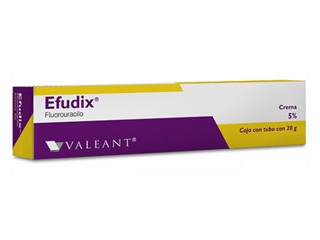
Efudex (Fluorouracil) Cream – Patient Information (Australia)
Efudex is a brand of fluorouracil (also called 5-fluorouracil or 5‑FU). It is a topical medicine used to treat certain skin conditions, particularly areas affected by long-term sun exposure. This page explains how Efudex works, how it is used, what to expect during treatment, and important safety information for use in Australia.
Note: Product strength, pack presentation, and brand formulation may vary. Always follow the instructions provided with your specific Efudex product.
Quick product overview
| Topic | Details |
|---|---|
| Active ingredient | Fluorouracil (5‑FU) |
| Brand | Efudex |
| Common form | Topical cream (for skin use) |
| How it’s used | Applied to the affected skin area in a treatment course |
| Common treatment goals | To treat precancerous sun-damaged skin and certain superficial lesions |
| Key side effects | Skin redness, irritation, burning, scaling, crusting, and sometimes open sores |
| Typical monitoring | Review of skin response and adjustment of treatment if severe irritation occurs |
| Major precautions | Avoid eyes, lips, inside nose/mouth, and other sensitive areas unless specifically directed |
What is fluorouracil (5‑FU) and how does Efudex work?
Fluorouracil is an anti-metabolite chemotherapy-type medicine used topically. In skin, it targets rapidly dividing abnormal cells. Efudex works by interfering with DNA and RNA formation, which can stop abnormal cells from growing and replicating.
Mechanism of action (plain language)
- Disrupts cell replication: 5‑FU is converted inside cells into active forms that interfere with normal nucleotide metabolism.
- Limits abnormal cell growth: This can damage the abnormal (often sun-damaged or pre-cancerous) cells.
- Supports a controlled “field” response: In some conditions, treatment aims to treat not only a single lesion, but a surrounding “field” of sun‑damaged skin.
Because abnormal cells are more active than healthy skin cells, the treatment tends to affect affected areas more strongly. However, surrounding healthy skin can also become inflamed, especially during the expected course of therapy.
Pharmacokinetics (how the body handles it)
When Efudex is applied to skin, only a portion of the medicine may be absorbed through the skin into the bloodstream. In most topical uses, systemic exposure is generally low, but it can increase if:
- Large areas are treated
- The skin barrier is damaged (e.g., severe inflammation, ulceration)
- Occlusive dressings are used
- Treatment is applied too frequently or for too long
Key points about absorption and distribution
- Absorption: Typically limited through intact skin.
- Metabolism: Fluorouracil is metabolised in the body; active and inactive metabolites may be formed.
- Elimination: The medicine and metabolites are eventually eliminated via normal body clearance pathways (primarily through hepatic metabolism and excretion).
These general principles are relevant to safety, particularly if you have extensive treated areas or significant skin breakdown.
What is Efudex used for?
Efudex is commonly used for conditions linked to sun damage and superficial abnormal growths. Typical uses include:
- Actinic keratoses (AKs): Rough, scaly or gritty patches caused by chronic ultraviolet (UV) exposure.
- Superficial skin cancers in selected cases: Such as superficial forms of basal cell carcinoma or Bowen’s disease (squamous cell carcinoma in situ), where topical therapy is appropriate.
Important: The exact indications depend on the product formulation and local clinical protocols. A clinician may also consider patient preferences, lesion location, size, number of lesions, and skin type when choosing a treatment approach.
Timing: when to expect results and how long treatment usually takes
Efudex treatment is often a defined course. Skin responses commonly develop gradually and intensify over time.
Typical timeline (patient-friendly)
- First days: Mild redness or slight irritation may appear.
- Middle of the course: Increasing inflammation, scaling, crusting, and tenderness are common.
- End of the course: Treated areas may look raw or ulcerated; this can be part of the intended reaction in many conditions.
- After stopping: Healing and skin resurfacing occur over weeks. Final cosmetic outcome can take time.
Try not to judge effectiveness too early. The inflammatory reaction is often a sign that abnormal cells are being affected, but the severity should be within tolerable limits. If the reaction becomes extreme, you may need guidance on adjusting the schedule or supportive care.
How to use Efudex (dosing and practical steps)
Efudex dosing depends on the condition being treated, the treatment strength, the size/location of the area, and clinician guidance. Because regimens can vary, it’s essential to follow the directions provided with your specific product.
General dosing principles (topical)
- Apply a thin layer to the affected skin area and, when appropriate, the surrounding sun-damaged field.
- Frequency: Many regimens use once or twice daily application; the exact frequency should match your prescribed/outlined plan.
- Duration: Courses can range from several weeks depending on the diagnosis and response.
- Avoid unaffected areas: Try to limit application to the intended skin zone.
- Wash hands before and after: Use gloves if recommended. Avoid contact with eyes or mucous membranes.
Practical use tips
- Clean skin gently: Use a mild cleanser. Pat dry.
- Wait for skin to be dry before applying cream.
- Use a small amount and spread evenly.
- Consider supportive moisturising care: If allowed by your clinician/pharmacist, gentle moisturisers can help comfort during inflammation.
- Protect treated skin from sun: Cover or shade the area to reduce additional irritation and improve healing.
- Don’t pick crusts: Let the skin heal naturally to reduce scarring and infection risk.
Contact and irritation: If you accidentally get Efudex in your eyes or on sensitive skin, rinse with water immediately and seek medical advice if irritation persists.
Food interactions
Efudex is a topical medicine. Dietary factors are not usually expected to directly affect how it works. There are no common food interactions that patients typically need to consider for topical 5‑FU.
However: If your skin reaction causes reduced appetite or you feel unwell, maintain hydration and follow general health guidance during treatment.
Alcohol interactions
Alcohol is not known to have a direct interaction with topical Efudex in the same way it might with some oral medications. Still, it may indirectly affect treatment comfort and healing by:
- Increasing dehydration if you drink heavily
- Worsening skin irritation for some people
- Reducing adherence (forgetting doses)
If you choose to drink alcohol, do so in moderation and monitor your skin reaction. Seek medical advice if you experience unexpected side effects.
Medicine interactions (including other topical products)
Because systemic absorption is generally low, major drug–drug interactions are less common for topical Efudex. Interactions are still possible, particularly with:
Topical interactions
- Other irritating skin products: Avoid using other strong actives (for example, exfoliants, some acids, retinoids, or harsh antiseptics) on the same area unless specifically advised.
- Occlusive dressings: Avoid using tightly sealed coverings unless recommended, as this can increase absorption and irritation.
- Infection creams: If the skin becomes infected, treatment strategy may change; get advice rather than combining multiple products.
Systemic medicines
If you have other conditions and take medicines regularly, it’s still good to share your medication list with your healthcare professional. While significant interactions are not commonly expected, your clinician can ensure overall safety—especially if you are treating large areas or have a high degree of skin breakdown.
Indications – clinical conditions treated with Efudex
Efudex is used for sun-related skin abnormalities, typically in adults. The main categories include:
- Actinic keratosis: Treats visible or field cancerisation areas of AKs.
- Superficial non-melanoma skin lesions (selected cases): For lesions where topical therapy is suitable based on clinical assessment.
Suitability depends on lesion type, location, and extent. Some deeper or more aggressive lesions may need other approaches such as surgery, cryotherapy, or radiotherapy.
Safety profile and side effects
Efudex can cause inflammation of the treated skin. A certain level of redness and irritation is expected. The goal is to balance effectiveness with tolerable side effects.
Common side effects
- Redness (erythema)
- Burning, stinging or pain
- Dryness, scaling, flaking
- Swelling (oedema)
- Crusting and weeping
- Itching
- Skin erosions or ulceration in more intense reactions
Less common but important side effects
- Blistering
- Severe local dermatitis
- Secondary skin infection if the barrier breaks (e.g., oozing with worsening pain)
- Hypersensitivity reactions
When to stop and get medical advice promptly
Seek urgent advice or medical review if you experience:
- Severe swelling, spreading rash, or blistering beyond the treated area
- Signs of infection: increasing warmth, swelling, pus, fever, or rapidly worsening pain
- Eye involvement (redness/pain/vision changes) or severe irritation near the eyes
- Uncontrolled bleeding or deep ulceration that does not improve
General precautions
- Avoid eyes and mucous membranes (unless specifically directed).
- Do not apply to broken skin unless your clinician instructed you to (some regimens may treat ulcerated lesions, but do not assume).
- Be cautious in pregnancy and breastfeeding: Discuss risks with a clinician. Even though systemic absorption from topical use is typically low, it is still important to obtain personalised advice.
- Children: Safety and dosing in children depend on the condition and product approval; seek clinician guidance.
Managing side effects – what you can do
Comfort matters. While the inflammatory reaction can be intense, there are practical steps that can help you get through the course safely.
- Moisturise gently: Use bland emollients as advised to reduce discomfort.
- Cool compresses: May ease burning sensations on intact or mildly irritated skin.
- Don’t use harsh scrubs: Avoid exfoliation and vigorous rubbing.
- Protect from friction: Use soft dressings if needed and only as directed.
- Sun protection: Cover the area and use appropriate sunscreen around (not over) the treated site.
- Medication timing consistency: Apply at the same time each day where recommended.
If irritation is more severe than expected, contact a healthcare professional for guidance. They may suggest pausing therapy temporarily, reducing frequency, or adjusting supportive care.
Alternative options for actinic keratoses and superficial lesions
Efudex is one of several treatments. Alternatives may include:
- Cryotherapy (freezing): Often used for individual lesions.
- Photodynamic therapy (PDT): Uses a photosensitising agent and light to treat field damage.
- Other topical field therapies: Such as imiquimod or diclofenac (choice depends on availability and suitability).
- Surgical options: For selected lesions, including excision or curettage.
- Radiotherapy: In some cases, depending on lesion type and location.
Your best option depends on your diagnosis, the size and number of lesions, your skin type, your tolerance for inflammation, and your preferences for treatment location and healing time.
Efudex in Australia: market and legal context
In Australia, medicines are regulated by the Therapeutic Goods Administration (TGA). Topical fluorouracil products are used under established clinical pathways for certain skin conditions. Availability can vary depending on brand, formulation, and supply.
When buying online, ensure the pharmacy is operating legally and can supply medicines consistent with Australian regulatory requirements. Reputable pharmacies provide product information, dosing instructions, and appropriate customer support.
Recent guidance and clinical practice themes: In dermatology practice, ongoing emphasis includes early detection of sun damage, use of field-directed therapy where appropriate, and careful management of treatment reactions to improve adherence and safety. Local clinical guidelines and expert consensus can evolve as new evidence emerges.
Delivery and availability (online pharmacy)
Efudex availability can depend on stock levels and the specific product strength/pack size. When ordering online in Australia:
- Confirm product form and strength: Check you are selecting the correct Efudex product.
- Delivery estimates: Delivery times vary by supplier and location. Look for estimated dispatch and courier timeframes.
- Packaging: Medicines are typically shipped in protective packaging to help maintain product integrity.
- Storage on arrival: Store according to the label instructions (commonly at controlled room temperature, away from moisture and direct heat).
If a product is temporarily unavailable, many pharmacies can notify you when it returns to stock or suggest alternative treatments you can discuss with a clinician.
Practical use checklist
- Before starting
- Confirm the treated area and how much to cover.
- Wash your hands and prepare a mirror for correct application.
- Plan sun protection for the treated area.
- During treatment
- Expect increasing redness/scaling over time.
- Avoid additional irritating skin products on the same site.
- Use bland moisturisers and gentle skin care if approved.
- After finishing the course
- Allow healing; don’t resume treatment early unless advised.
- Watch for new lesions and arrange follow-up as recommended.
FAQ – Efudex (Fluorouracil)
1) Is Efudex the same as chemotherapy?
Efudex contains fluorouracil, a medication related to chemotherapy agents. However, when used as a topical skin treatment, it is generally intended for local action on the skin. The degree of systemic exposure is typically low compared with some cancer chemotherapy regimens.
2) What does “field treatment” mean?
Field cancerisation refers to sun-damaged skin around visible lesions that may contain abnormal cells not yet obvious. Some treatment plans apply Efudex to an area larger than a single spot to reduce future lesion development.
3) Will it look worse before it looks better?
Often, yes. Efudex commonly causes progressive inflammation, scaling, and crusting during the course. Healing usually continues after stopping, with gradual improvement over weeks.
4) How do I know if my reaction is normal?
Redness and scaling are common. Your reaction should stay within tolerable limits. Severe pain, rapidly spreading redness beyond the target area, blistering, or signs of infection warrant prompt medical advice.
5) Can I wear sunscreen and makeup?
Sun protection is strongly recommended. However, during active irritation, makeup and fragranced products may worsen symptoms. Consider covering the area with clothing or a non-irritating dressing. For sunscreen, apply to surrounding skin unless your clinician specifically advised otherwise for the treated site.
6) Can I shave over treated skin?
Avoid shaving or friction over the treated area while it is irritated. Shaving can increase bleeding risk and worsen inflammation.
7) Are there any foods I must avoid?
There are generally no specific dietary restrictions for topical Efudex. If you feel unwell due to skin discomfort, focus on hydration and regular meals.
8) Does Efudex interact with alcohol?
No common direct alcohol interaction is expected with topical Efudex. Moderation is sensible, and monitor how your skin responds.
9) What if I miss a dose?
Apply it when you remember unless it is close to the next scheduled dose. Do not double up. If you miss multiple doses or your schedule becomes disrupted, ask a healthcare professional/pharmacist for advice.
10) When should I follow up?
Follow-up timing varies by condition and clinician preference. A review is often scheduled to confirm response and check for new or persistent lesions.
Summary
Efudex (fluorouracil) is a topical medicine used to treat certain sun-damaged skin conditions, especially actinic keratoses and selected superficial lesions. It works by interfering with abnormal cell growth and helps treat areas of field damage. During treatment, a visible inflammatory reaction is common and can intensify before healing begins. Using the correct amount, protecting treated skin from sun, avoiding unnecessary irritants, and seeking advice if symptoms become severe can help make treatment safer and more comfortable.
If you have questions about suitability for your specific skin condition, treatment area, or expected reaction, contact a healthcare professional for guidance.