Hydroquinone (Topical) — Patient Information for Australia
Hydroquinone is a skin-lightening medicine used to reduce the appearance of certain dark patches. It works by targeting pigment-producing processes in the skin. This guide explains how hydroquinone works, when and how it is typically used, what to expect, and important safety and interaction considerations for people in Australia.
| Topic | Key points |
|---|---|
| Medicine type | Topical depigmenting agent (skin-lightening) for external use |
| Common strengths | Often available as creams/solutions containing hydroquinone at different strengths (formulation-dependent) |
| Typical indications | Melasma, solar lentigines (sun spots), post-inflammatory hyperpigmentation (PIH), and other pigment disorders as appropriate |
| How it works | Reduces melanin production and pigment transfer in skin cells |
| Time to results | Gradual change; noticeable improvement may take several weeks; full results may take 2–4+ months depending on the condition |
| Most important supporting step | Daily sunscreen and sun protection |
Basic product information
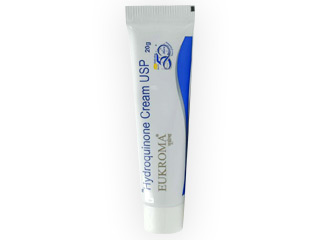
Hydroquinone is a topical medicine (applied to the skin). It is used to lighten hyperpigmented areas—areas that appear darker than surrounding skin. It may be found in different product formulations such as creams or solutions, and the concentration can vary between products.
In Australia, hydroquinone-containing products are regulated and may be available only in certain strengths or forms, depending on current regulatory requirements. Availability can also vary by brand and whether the product is listed under particular pathways for supply. Always check the product label and packaging for the exact strength and instructions.
How hydroquinone works (mechanism of action)
Hydroquinone reduces the formation of melanin, the pigment responsible for brown/black colouring in the skin. It helps by:
- Inhibiting melanin synthesis within melanocytes (pigment-producing skin cells).
- Interfering with pigment-producing pathways that support melanin production.
- Reducing oxidative processes involved in pigment formation.
Over time, this leads to gradual lightening of existing dark patches. Because pigment can recur when the skin is exposed to ultraviolet (UV) light or irritation, long-term sun protection and gentle skin care are essential.
Pharmacokinetics (what happens in the body)
When hydroquinone is applied to intact skin, only a small amount is typically absorbed systemically. Key practical points include:
- Absorption: Systemic absorption is generally low when used as directed on small areas of healthy skin.
- Effect of skin condition: Absorption may increase if the skin is broken, inflamed, severely irritated, or treated over large areas.
- Metabolism and elimination: Absorbed hydroquinone is metabolised (processed) in the body and eliminated primarily through normal biological pathways (the exact proportions can vary).
- Clinical implication: Because absorption is usually limited, many people use hydroquinone safely for limited periods under labelled directions, but irritation and local side effects remain important.
Typical uses in clinical practice
Hydroquinone is commonly used for conditions where excess pigment occurs, including:
- Melasma: Often appears as patchy brown or grey-brown pigmentation, frequently on the cheeks, forehead, or upper lip.
- Solar lentigines (“sun spots”): Localised dark spots resulting from UV exposure.
- Post-inflammatory hyperpigmentation (PIH): Darkening left after acne, irritation, burns, or other skin inflammation.
- Other hyperpigmentation disorders where hydroquinone is considered appropriate by the treating clinician and consistent with product directions.
Hydroquinone is most effective when used with strict photoprotection. Without sun protection, pigment can return or continue to darken even as treatment lightens existing areas.
Timing and how long to use
Hydroquinone works gradually. It is not usually an immediate “instant lightener.” A typical approach is:
- Start slowly: Many people begin using it once daily (often at night) to assess skin tolerance.
- Assess progress: Improvement may be seen after 4–8 weeks, with more noticeable changes over 2–4 months depending on the cause and depth of pigment.
- Limited course: Treatment courses are typically limited in duration to reduce irritation risk. Follow the product label directions closely.
- Maintenance: After achieving improvement, a lower-intensity regimen or alternative maintenance strategy may be used, supported by sunscreen.
If you experience burning, significant redness, or worsening pigmentation, stop and reassess your regimen. Persistent irritation can reduce effectiveness and increase the risk of rebound darkening.
Food interactions
Because hydroquinone is applied to the skin, food interactions are not expected for most people. The main “interaction” affecting outcomes is usually related to sun exposure and skin irritation, not diet.
If you have concerns about interactions with other medicines you take by mouth, discuss them with a healthcare professional—particularly if you are using multiple topical products at the same time.
Alcohol and medicine interactions
There are generally no specific alcohol-drug interactions known for topical hydroquinone in the way some oral medicines do. However, alcohol can contribute to skin dryness in some people through dehydration and may worsen irritation if you are sensitive.
More important than alcohol is how hydroquinone interacts with other topical products. Using multiple “active” skin products at the same time can increase irritation and potentially lead to rebound hyperpigmentation.
- Other exfoliants/acids (e.g., glycolic acid, salicylic acid): May increase irritation when combined.
- Retinoids (e.g., tretinoin/adapalene): Can be helpful for pigmentation but may cause irritation if layered too aggressively.
- Strong moisturisers or barrier-repair products: Often supportive; can reduce irritation.
Consider “sequencing” products rather than applying everything at once. For example, you might use hydroquinone on alternating nights or in a schedule that preserves skin comfort (follow your product directions and professional advice).
Indications (who may benefit)
Hydroquinone is indicated for the treatment of certain types of hyperpigmentation, particularly:
- Melasma (patchy facial pigmentation)
- Solar lentigines (sun-induced spots)
- Post-inflammatory hyperpigmentation
- Other hyperpigmented skin lesions as supported by the product’s approved or labelled use and local regulatory guidance
Suitability depends on the cause of pigmentation, the area treated, and the presence of skin sensitivity or active dermatitis. For best outcomes, ensure your pigmentation diagnosis is correct—some “dark spots” are not pigment-only conditions.
Dosing and application guidance
Always follow the instructions on your specific hydroquinone product label (concentration, frequency, and duration). Because formulations vary, dosing can differ between brands.
Typical instructions (common approach):
- Amount: Apply a thin layer to the affected areas only (avoid applying to larger surrounding areas unless directed).
- Frequency: Often once daily, commonly at night.
- Clean skin: Use on clean, dry skin.
- Wash hands: Wash your hands after application.
Where to apply:
- Apply to the dark patches/areas of hyperpigmentation.
- Avoid eyes, lips, corners of the nose, and any broken skin.
- If the product label provides guidance for spot treatment, follow it; spot treatment can reduce irritation.
Example schedule (for illustration):
- Night: Cleanse → apply thin layer to spots → moisturiser if needed.
- Morning: Gentle moisturiser (if needed) → sunscreen every day.
If you are combining therapies (e.g., a retinoid, vitamin C, or glycolic acid), it’s often better to introduce them gradually and not overload the skin barrier. When in doubt, ask a healthcare professional for a tailored schedule.
Safety profile and side effects
Hydroquinone is generally well tolerated by many people when used correctly, but it can cause skin reactions—especially if used too frequently, over too large an area, or for too long.
Common local side effects
- Skin irritation (stinging, burning, redness)
- Dryness or peeling
- Itching
- Contact dermatitis in sensitive individuals
Less common but important concerns
- Severe irritation (significant swelling, blistering, or worsening rash)
- Rebound or worsening pigmentation if treatment is overstated or irritation triggers additional pigment production
When to stop and seek advice
Stop using hydroquinone and seek medical advice promptly if you develop:
- Severe burning or pain
- Blistering, ulceration, or intense swelling
- Spreading rash or signs of allergy (e.g., hives)
- Rapid worsening of pigmentation after starting
General precautions
- Sun protection is non-negotiable: Without sunscreen, results may be limited and irritation may be amplified.
- Avoid using on compromised skin: Do not apply to cuts, eczema flare areas, or freshly shaven/irritated areas.
- Patch testing: Consider patch testing on a small area if your skin is reactive (especially if you have a history of contact dermatitis).
- Limit duration: Use for the labelled time period. Prolonged use can increase irritation risk.
Practical use tips for better results
1) Use sunscreen daily
Hydroquinone lightens pigment, but UV exposure can reverse progress. Choose a broad-spectrum sunscreen and apply it generously. Reapply as needed, particularly if you are outdoors.
2) Start with a small area
If you’re new to hydroquinone, begin with the smallest area possible to assess comfort. This approach reduces the risk of irritation across larger skin surfaces.
3) Keep your skin barrier calm
Many people do better with a simple, fragrance-free cleanser and a moisturiser. If you experience dryness, moisturising can help you continue the treatment more comfortably.
4) Avoid over-layering actives
If you use other pigmentation or exfoliating products, introduce them one at a time and on a schedule that does not irritate your skin. Irritation can worsen hyperpigmentation.
5) Treat the cause of pigmentation when possible
- For melasma: triggers can include sun exposure, heat, and hormonal changes. Consistent photoprotection helps.
- For PIH: controlling acne or preventing injury/irritation reduces new pigment from forming.
6) Be patient and consistent
Pigment fading is slow. Skipping applications or inconsistent use can lead to slow or incomplete improvement.
Alternative options for hyperpigmentation
If hydroquinone is not suitable, not tolerated, or not available in your preferred strength, several alternatives may be considered depending on the cause of pigmentation:
- Azelaic acid: Can help pigmentation and is often gentler for sensitive skin.
- Retinoids (topical): May improve pigment and texture, but they can irritate if started too aggressively.
- Vitamin C (ascorbic acid): Antioxidant support for uneven tone.
- Kojic acid / arbutin: Naturally derived or bioactive skin-lightening ingredients in some products.
- Procedures: For stubborn lesions, dermatology options may include chemical peels, laser or light-based treatments—these should be considered carefully because some pigment disorders can worsen after certain procedures.
The “best” alternative depends on your diagnosis (e.g., melasma vs PIH), skin type, and how your skin reacts to active ingredients.
Market and legal context in Australia (general information)
In Australia, medicines and skincare actives are regulated under national frameworks to ensure quality, safety, and appropriate supply. Hydroquinone-containing products may be subject to restrictions on:
- Strength and formulation
- Indications and intended use
- Supply conditions (including how products are presented and how they are made available)
- Labelling requirements and consumer information
Regulatory approaches can change over time. For the most accurate and up-to-date information, check the product’s Australian packaging and the current advice from relevant Australian health authorities. If you are unsure whether a product is appropriate for your specific situation, seek guidance from a qualified clinician.
Recent guidance and practical clinical considerations
Recommendations for hyperpigmentation treatment often emphasise:
- Photoprotection first: sunscreen and sun avoidance measures to prevent relapse.
- Barrier care: minimising irritation to reduce post-inflammatory pigment worsening.
- Individualised treatment: considering the pigmentation type, skin tolerance, and duration of therapy.
- Appropriate duration: limiting hydroquinone use to the recommended time frame to reduce adverse effects.
Many clinicians also recommend stepwise treatment plans (starting gently, monitoring response, and adjusting based on tolerability). This approach is especially important for conditions like melasma, which can be chronic and prone to recurrence.
Delivery, availability, and what to expect when ordering online
Hydroquinone availability can vary by product strength and brand. When ordering through an online pharmacy, availability is based on the specific product listing and compliance with Australian supply requirements.
- Product verification: Ensure the product label clearly states hydroquinone content and concentration.
- Check the pack size and strength: Different strengths may have different usage instructions.
- Delivery time: Delivery schedules depend on your location and the pharmacy’s dispatch process.
- Storage: Store according to the label. Keep out of direct sunlight and follow temperature guidance.
If you have previously experienced irritation or allergies to skincare ingredients, review the full ingredient list (including preservatives and fragrances) on the packaging.
FAQ — Hydroquinone (Topical)
1) How long does it take to see results?
Results are gradual. Many people notice improvement after 4–8 weeks, with more visible changes over 2–4 months. The exact timeline depends on the pigmentation type, depth, and sun exposure.
2) Can I use hydroquinone on my whole face?
It may be appropriate for selected areas, but many protocols favour applying hydroquinone to affected patches rather than the entire face to reduce irritation. Follow your product label directions and consider tailoring use to the pigmentation pattern.
3) Is sunscreen necessary even when using hydroquinone?
Yes. Sunscreen is one of the most important steps. Without daily UV protection, hyperpigmentation may not improve or may return after treatment.
4) What should I do if my skin burns or becomes very red?
Stop using hydroquinone and allow your skin to recover. If redness persists or is severe, seek advice from a healthcare professional. Over-irritation can worsen pigment.
5) Can I combine hydroquinone with other skincare actives?
You can sometimes combine treatments, but it depends on how sensitive your skin is and which actives you use. Combining multiple exfoliants (e.g., acids) or strong retinoids can increase irritation. A “one new product at a time” approach often helps.
6) Does hydroquinone have food interactions?
Hydroquinone is used on the skin, so food interactions are not expected for most people. The most significant factors are usually UV exposure and skin irritation.
7) Can I drink alcohol while using hydroquinone?
There are generally no direct topical hydroquinone–alcohol interactions. However, alcohol may worsen dryness or irritation in some people. If you notice your skin becomes more reactive, limit alcohol and focus on moisturising and sun protection.
8) Is hydroquinone safe for everyone?
Not everyone will tolerate hydroquinone. People with sensitive skin, eczema flare-ups, or a history of contact dermatitis may be more prone to irritation. Always follow label instructions and stop if you develop significant adverse skin reactions.
9) What alternative options can I consider?
Alternatives may include azelaic acid, vitamin C, retinoids, and other pigment-reducing ingredients. For resistant pigmentation, dermatology procedures may be discussed depending on the diagnosis.
10) Will my pigmentation come back?
Some pigment disorders (especially melasma) can recur. Consistent sunscreen, trigger avoidance, and appropriate maintenance strategies reduce the risk of return.
Summary
Hydroquinone is a topical depigmenting medicine used to treat certain dark skin patches such as melasma, sun spots, and post-inflammatory hyperpigmentation. It works by reducing melanin formation and pigment processes in the skin. Because it can cause irritation, successful treatment relies on correct application, limited duration as directed, and daily sun protection. If you experience significant redness, burning, or worsening pigmentation, stop and seek advice.
For the best outcome, use hydroquinone as instructed on the product label and consider combining it with a comprehensive sun-protection routine and a gentle skin care plan.