
Candesartan (Australian brands available) — Patient-Friendly Guide
Candesartan is a commonly used medicine for helping control high blood pressure and for reducing risk and strain on the heart in certain heart conditions. It belongs to a class of medicines called angiotensin II receptor blockers (ARBs).
This guide explains what candesartan does, how it works in the body, how it’s typically taken, safety information, important interactions, and practical tips for everyday use—tailored to customers in Australia.
Quick overview
- Medicine: Candesartan
- Class: ARB (angiotensin II receptor blocker)
- Main uses: High blood pressure; heart failure (certain patients); kidney protection in select circumstances
- How it works: Relaxes blood vessels and helps reduce hormones that raise blood pressure
- How it’s usually taken: Once daily, at a consistent time
- Common side effects: Dizziness, tiredness, elevated potassium, low blood pressure (especially when starting)
Basic product information
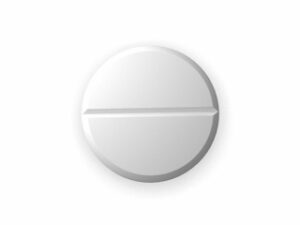
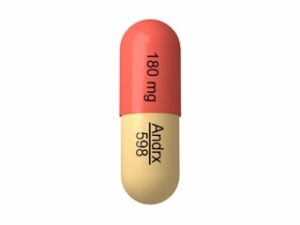
Candesartan is available in tablet form in Australia as both original and generic brands, depending on supply and pharmacy listings. Strengths may vary (for example, e.g. 4 mg, 8 mg, 16 mg, 32 mg). Your pharmacist can confirm the exact brand and strength.
Your local pharmacy will provide the consumer medicine information (CMI) for the specific product you purchase. Always follow the instructions included with that product.
How candesartan works (mechanism of action)
Candesartan blocks the action of angiotensin II at its receptor sites (the AT1 receptor). Angiotensin II is a hormone that:
- Causes blood vessels to tighten (narrow), increasing blood pressure
- Stimulates the release of substances that can increase fluid retention
- Contributes to stress on the heart and blood vessels over time
By blocking these effects, candesartan helps:
- Lower blood pressure
- Improve blood flow and reduce vascular resistance
- Reduce strain on the heart, especially in people with chronic heart problems
- Support kidney function in selected patients, as advised by clinicians
Pharmacokinetics: what happens in the body
“Pharmacokinetics” describes how the medicine is absorbed, processed, and cleared by the body.
- Absorption: Candesartan is absorbed after oral dosing. Food does not usually require dose adjustments for absorption.
- Distribution: It distributes into body tissues and helps lower blood pressure through its receptor-blocking effects.
- Metabolism: Candesartan is processed mainly in the liver to its active and related components. It is generally not extensively metabolised into many inactive products.
- Elimination: The medicine is cleared through both hepatic (bile) pathways and renal (kidney) pathways.
- Half-life / duration: Candesartan has a duration of action that supports once-daily dosing in many people.
Because individual kidney function and other medicines can affect exposure, your doctor or pharmacist may check kidney function and electrolytes (especially potassium) during treatment.
Typical use in Australia
Candesartan is used to treat conditions including:
- Hypertension (high blood pressure): helps reduce stroke risk and heart and kidney strain over time
- Heart failure (certain patients): used as part of a treatment plan to improve outcomes and symptoms
- Kidney protection in selected cases: for patients with diabetes and/or kidney disease where benefits are expected and monitored
Your exact indication depends on your medical history, blood pressure, kidney function, and other factors. Always follow the care plan prepared by your healthcare professional.
When to take candesartan (timing)
Candesartan is commonly taken once daily. Many people find it helpful to take it at the same time each day (morning or evening) to maintain consistent levels.
- Consistency matters: take it at roughly the same time each day.
- If starting and feeling dizzy: some people prefer taking it at night to reduce how noticeable low blood pressure feels.
- If you miss a dose: take it when you remember unless it is close to your next dose. Do not take double doses to “catch up.”
Food interactions
Candesartan can generally be taken with or without food. For many people, food does not significantly change its effect.
Still, the best approach is to follow your local product information and take your dose in a routine you can maintain. If you notice stomach upset or dizziness after taking it, discuss options with your pharmacist.
Alcohol interactions and considerations
Alcohol can lower blood pressure and may increase the likelihood of side effects like dizziness or light-headedness, especially when you first start candesartan or if your dose is increased.
- Moderation is important: avoid heavy drinking.
- Be cautious when standing: if you feel unsteady, rise slowly.
- Hydration: dehydration from alcohol or illness can increase the risk of dizziness and kidney-related complications.
If you drink alcohol regularly, let your pharmacist know—particularly if you also take diuretics (“water tablets”) or other blood pressure medicines.
Medicine interactions: key safety points
Interactions can occur when candesartan is taken with other medicines that affect blood pressure, potassium levels, kidney function, or fluid balance.
Common interaction categories
- Potassium-raising medicines/supplements: Examples include potassium supplements and certain salt substitutes (often contain potassium). Candesartan can increase potassium levels, and combining may lead to hyperkalaemia.
- Diuretics (“water tablets”): especially potassium-sparing diuretics (e.g., spironolactone, eplerenone) may increase potassium further. Loop or thiazide diuretics can lower blood pressure, sometimes increasing dizziness.
- Other blood pressure medicines: combining therapy can improve control but can also increase the risk of low blood pressure.
- Non-steroidal anti-inflammatory drugs (NSAIDs): such as ibuprofen or naproxen can affect kidney function and may reduce antihypertensive effect. Risk may be higher in older adults or people with kidney disease or dehydration.
- Medicines affecting kidney function: any drug that may alter kidney blood flow or hydration status can increase monitoring needs.
- Dual RAAS blockade: avoid combining candesartan with another medicine that blocks the same pathway (for example, another ARB or an ACE inhibitor) unless specifically recommended by your clinician.
- Lithium: lithium levels may increase if taken with some blood pressure medicines; close monitoring is typically needed if co-prescribed.
What to do
- Tell your pharmacist about all medicines you take, including over-the-counter products.
- Be careful with herbal products and high-potassium supplements.
- If you develop severe vomiting/diarrhoea, dehydration, or an acute illness, contact your healthcare professional, as medication adjustments may be needed.
Indications: what candesartan is prescribed for
In clinical practice, candesartan is used for:
- Hypertension: to lower blood pressure and reduce cardiovascular risk
- Heart failure: as part of a broader management plan for chronic heart failure where ARB therapy is appropriate
- Diabetic kidney disease / kidney protection: in selected patients with diabetes and kidney involvement, guided by blood pressure and kidney monitoring
The most appropriate option and dosing strategy depends on your overall condition and response. Candesartan is generally one component of a long-term plan that may include lifestyle measures and other medicines.
Dosing guidance (general information)
Dosing varies by condition, kidney function, and other medicines. In Australia, dosing decisions are based on your individual assessment by your treating clinician.
Common dosing principles include:
- Start low, adjust gradually: to reduce side effects such as dizziness or low blood pressure.
- Once-daily dosing: many patients take candesartan at the same time each day.
- Monitoring: blood tests may check kidney function and potassium after starting or changing the dose.
Your pharmacist can help you understand your specific tablet strength and how to take it correctly. Do not change the dose without professional advice.
Safety profile: side effects and when to get help
Most people tolerate candesartan well. However, like all medicines, it can cause side effects. The likelihood and severity can vary.
Common or possible side effects
- Dizziness (especially when standing up or when first starting)
- Tiredness or weakness
- Low blood pressure (symptoms may include light-headedness)
- Changes in blood tests: elevated potassium or changes in kidney function
- Headache or general unwell feeling
Less common but important warnings
- Allergic reactions: seek urgent medical help if you develop swelling of the face, lips, tongue, or throat, or experience difficulty breathing.
- Kidney-related issues: if you have reduced urine output, unusual swelling, or severe weakness, contact a clinician promptly.
- High potassium symptoms: can include muscle weakness, abnormal heart rhythm symptoms (palpitations, fainting). Seek urgent care if these occur.
- Severe dehydration: vomiting, diarrhoea, or not drinking enough can increase risk of side effects. Contact healthcare services if you cannot keep fluids down.
This is not a complete list of side effects. For full details, refer to the medicine’s consumer medicine information (CMI) or ask your pharmacist.
Who should be extra careful?
- People with kidney impairment
- People at risk of high potassium
- People who are elderly or prone to dehydration
- People taking other medicines that affect kidney function or potassium (as discussed above)
Practical use tips (making treatment easier)
- Use a daily routine: pair the dose with a consistent habit (e.g., breakfast or brushing teeth).
- Track blood pressure: home monitoring can help show whether your dose is achieving targets.
- Keep scheduled blood tests: kidney function and potassium may need checks after starting or dose changes.
- Be careful with “salt substitutes”: many contain potassium; ask your pharmacist what’s safe for you.
- Stay hydrated: especially during hot weather or if you are unwell (unless your clinician has advised fluid restriction).
- Do not stop suddenly: for blood pressure and heart conditions, stopping without guidance can lead to worsening control.
If you feel dizzy, rise slowly from sitting or lying positions. If dizziness is severe or persists, talk to your pharmacist or doctor.
Alternative options (other medicines for similar conditions)
Depending on your condition and medical history, clinicians may consider other medication classes. Options may include:
- ACE inhibitors (another approach to the renin–angiotensin system)
- Other ARBs (similar drug class, different molecules)
- Calcium channel blockers
- Thiazide-type diuretics
- Beta-blockers or other heart medicines (for heart failure management)
Switching between medicines should be planned with your healthcare professional, particularly because different drugs can require different monitoring schedules and may have different side effect profiles.
Market and legal context in Australia
In Australia, medicines containing candesartan are regulated under the Australian regulatory framework administered by the Therapeutic Goods Administration (TGA). Their availability and use are governed by relevant scheduling rules and prescribing requirements.
For online pharmacies, compliance includes ensuring medicines are supplied appropriately for your health needs, with suitable checks, product information, and delivery arrangements. Always ensure you are purchasing from a reputable, licensed source.
Additionally, in Australia, patients should be aware of:
- Medicine quality and authenticity: choose authorised channels to reduce risk of counterfeit products.
- Up-to-date product information: formulations and strengths may differ between brands and batches.
- Supply and substitution policies: pharmacists may substitute generics where legally permitted and clinically appropriate.
Recent guidance and monitoring themes
While specific advice can vary by individual circumstances, Australian and international clinical practice commonly emphasises:
- Monitoring kidney function and potassium after starting or dose increases for ARBs
- Careful use during acute illness (e.g., vomiting/diarrhoea) where dehydration may increase risk
- Avoiding unnecessary dual RAAS blockade (combining similar pathway medicines without clear benefit and close monitoring)
- Checking for interaction risks with NSAIDs, potassium supplements, and diuretics
Your pharmacist may be able to suggest what monitoring schedule is typical for your situation and remind you about signs to watch for.
Delivery and availability (online pharmacy information)
Availability can vary by brand and strength. Many Australian online pharmacies can deliver medicines such as candesartan directly to your address within Australia.
What to expect when ordering:
- Product confirmation: you’ll typically confirm the brand and tablet strength shown on the website.
- Packaging and labelling: tablets are supplied in the manufacturer’s packaging with clear instructions.
- Delivery times: depend on your location and courier service. Remote areas may take longer.
- Stock rotation: reputable pharmacies use standard stock-handling processes to ensure valid expiry dates.
If a strength is temporarily out of stock, your pharmacy may contact you about alternatives (such as equivalent generic strengths) where permitted and appropriate.
FAQ: Candesartan
1) What is candesartan used for?
Candesartan is used to treat high blood pressure. It may also be used for heart failure and for kidney protection in selected patients, depending on individual risk factors and medical history.
2) How long does it take to work?
Blood pressure lowering can begin within days, but for full benefit, it often takes several weeks of regular dosing. If your home readings remain high after starting, keep taking it consistently and discuss results with your healthcare team.
3) Should I take candesartan in the morning or at night?
Either may be suitable. Many people choose a time that helps them remember and minimises dizziness. If you feel light-headed after taking it, night dosing may be considered (discuss with your pharmacist).
4) Can I take it with food?
Usually yes. Food typically does not require dose adjustments. Take it in the routine that suits you best.
5) What should I do if I miss a dose?
Take it when you remember unless it is near the time for your next dose. Do not take double doses to make up for a missed tablet.
6) Are there any alcohol restrictions?
There is no universal “no alcohol” rule, but alcohol can increase the risk of low blood pressure symptoms such as dizziness. If you drink, do so in moderation and avoid dehydration.
7) What medicines should not be mixed with candesartan?
Use extra caution with medicines that raise potassium (potassium supplements or certain salt substitutes), NSAIDs, lithium, and potassium-sparing diuretics. Always confirm all your medicines with your pharmacist to identify potential interactions.
8) Why do I need blood tests?
ARBs like candesartan can affect kidney function and potassium levels. Blood tests help your healthcare team ensure the medicine remains safe and effective for you.
9) Can candesartan cause a cough?
Candesartan is an ARB, not an ACE inhibitor. A persistent cough is more typical with ACE inhibitors. If you develop a cough, it’s still worth discussing with a clinician to determine the cause.
10) What are the red flags that require urgent help?
Seek urgent medical attention if you experience signs of an allergic reaction (swelling of the face/tongue, trouble breathing), severe dizziness/fainting, very low urine output, or symptoms suggesting abnormal potassium (such as marked weakness or palpitations).
Summary
Candesartan is a well-established ARB medicine used in Australia to treat high blood pressure and to support treatment plans for heart failure and certain kidney-related conditions. It works by blocking angiotensin II at AT1 receptors, helping relax blood vessels and reduce harmful strain on the heart and kidneys.
For best results, take it once daily at a consistent time, be mindful of interactions—especially those affecting potassium and kidney function—and keep any recommended blood test appointments. If you experience dizziness, unusual fatigue, or other concerning symptoms, contact your pharmacist or doctor promptly.