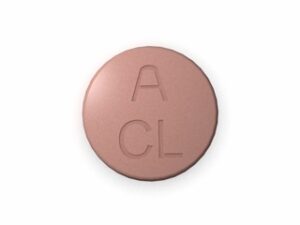
Cartia XT (Diltiazem HCl) – Patient Guide (Australia)
Cartia XT contains diltiazem hydrochloride, a calcium channel blocker used to treat certain heart conditions. It is formulated as an extended-release medicine (often referred to as a “once-daily” or “controlled release” form), designed to release diltiazem gradually over the day to help maintain steady effects.
This guide is written to be patient-friendly and explains how Cartia XT works, what it’s used for, how to take it safely, and what to consider regarding food, alcohol, other medicines, and practical day-to-day use.
Quick Product Information
| Category | Details |
|---|---|
| Medicine name | Cartia XT (diltiazem HCl) |
| Medicine type | Extended-release calcium channel blocker (controlled-release) |
| Common forms | Capsules/tablets depending on local supply (extended-release) |
| How it works | Relaxes blood vessels and slows certain electrical activity in the heart |
| Typical dosing pattern | Once daily (timing depends on your dose plan) |
| Key precautions | May affect heart rate, blood pressure, and can interact with several medicines |
How Cartia XT Works (Mechanism of Action)
Diltiazem belongs to the calcium channel blockers class. It works mainly by:
- Reducing calcium entry into heart and blood vessel muscle cells.
- Relaxing blood vessels, which can help lower blood pressure and improve blood flow to the heart.
- Slowing electrical conduction through the AV node (part of the heart’s electrical system), which can help reduce certain rapid heart rhythms.
- Decreasing the heart’s workload, which can be beneficial for chest pain due to reduced oxygen demand.
Because Cartia XT is extended-release, it releases diltiazem slowly to help keep blood levels more stable throughout the day.
Pharmacokinetics (How the Body Handles It)
Understanding pharmacokinetics can help explain why consistent daily use is important.
- Absorption: After a dose, diltiazem is absorbed from the gastrointestinal tract. With extended-release formulations, the release is gradual.
- Onset and duration: The effect develops over hours and is intended to last about a full day with regular use.
- Metabolism: Diltiazem is metabolised mainly in the liver. The liver’s enzyme systems play a role in how quickly it is cleared from your body.
- Elimination: It is eventually removed from the body primarily via urine and metabolites.
- Steady state: With daily dosing, blood levels usually approach steady state after a number of days. This is why benefits and side effects may become clearer after a short period of consistent use.
Practical takeaway: Avoid skipping doses or changing timing without advice, because extended-release medicines rely on consistent dosing to work effectively.
Typical Uses and Indications
Cartia XT may be used for several cardiovascular conditions, depending on individual assessment. Common indications include:
- Angina (chest pain) due to reduced blood supply to the heart (to help prevent or reduce frequency of episodes).
- Hypertension (high blood pressure) in some treatment plans.
- Rate control for certain abnormal heart rhythms where slowing the heart rate is needed (for example, some forms of supraventricular tachycardia).
Important: Your exact indication, target heart rate and blood pressure, and dose plan should come from your clinician based on your history and test results (such as ECG).
When to Take Cartia XT (Timing & Routine)
Cartia XT is typically taken due to its extended-release design.
- Choose a consistent time: Many people take it in the morning or evening. Pick a time you can maintain every day.
- Take with water: Swallow whole with water.
- Try not to miss doses: Missing doses can reduce symptom control and make blood levels less stable.
- If you miss a dose: Take it when you remember unless it is close to the time of the next dose. Don’t double up.
Form matters: Do not crush, chew, or split extended-release tablets/capsules unless your local product instructions specifically say it’s safe. Crushing can release medication too quickly, increasing side effects risk.
Food Interactions (Can You Take It With Meals?)
Food generally does not prevent diltiazem absorption, and Cartia XT is often taken regardless of meals. However, for best tolerance and consistency:
- Take it the same way each day: Either with food or without food—whichever suits you best.
- If you get stomach upset: Consider taking it with a light meal (unless your clinician advises otherwise).
- Avoid abrupt dietary changes: Very high grapefruit intake may be an issue with some calcium channel blockers; diltiazem can still interact with certain fruit-related components via metabolism pathways. If you frequently consume grapefruit or grapefruit juice, discuss this with your pharmacist.
Hydration tip: Staying well hydrated may help reduce side effects like dizziness, especially when starting or changing dose.
Alcohol Interactions
Alcohol can affect blood pressure and heart rate and may increase the likelihood of side effects such as:
- Dizziness or light-headedness
- Feeling faint
- Increased tiredness
There is no universal rule that “all alcohol must be avoided,” but if you notice dizziness or low blood pressure after drinking, it’s best to limit alcohol and speak with your healthcare professional.
Safety note: Be cautious with driving or operating machinery if alcohol is involved and you feel unsteady.
Medicine Interactions (Including OTC and Herbal Products)
Cartia XT can interact with other medicines, mainly because diltiazem can affect liver metabolism and can add to heart-rate or blood-pressure lowering effects.
Medicines that may increase risk of side effects
- Other heart-rate or blood-pressure medicines (e.g., beta blockers, some antihypertensives): may increase risk of low blood pressure or slow heart rate.
- Antiarrhythmics (medicines for rhythm control): can increase the risk of bradycardia (slow heart rate) or conduction issues.
- Digoxin: diltiazem may increase digoxin levels in some cases, raising toxicity risk.
- Statins (cholesterol-lowering medicines): interactions can increase statin exposure for certain brands; your pharmacist can advise on safest combinations.
- Benzodiazepines and some sedatives: diltiazem may affect metabolism, potentially increasing sedation for some individuals.
Medicines that may change Cartia XT levels
- CYP3A4 inhibitors (some antibiotics, antifungals, and certain medicines for HIV or other conditions): can raise diltiazem levels, increasing side effect risk.
- CYP3A4 inducers (some seizure medicines, rifampicin, and other inducers): may reduce diltiazem levels, possibly reducing effect.
Herbal and complementary products
- St John’s wort (Hypericum perforatum) can affect metabolism and may reduce effectiveness.
- Other herbal products can also interact unpredictably; check with a pharmacist.
Over-the-counter considerations
Even OTC medicines can be relevant. For example:
- Decongestants (such as pseudoephedrine or phenylephrine) may raise heart rate and blood pressure in some people.
- Non-steroidal anti-inflammatory drugs (NSAIDs) like ibuprofen can affect blood pressure and kidney function in certain settings.
Best practice: Keep an updated list of all medicines (including OTC and supplements) and review it with your pharmacist when starting Cartia XT or when adding new medicines.
Dosing (General Information)
Dose selection depends on the condition being treated, your age, kidney/liver function, heart rate, blood pressure, and other medicines you take.
Common starting and adjustment approach may include:
- Starting dose: Often lower at first to monitor heart rate and blood pressure.
- Stepwise adjustments: Dose may be increased gradually if needed for symptom control.
- Maximum dose: There is a maximum daily dose for safety. Your clinician will not exceed it.
Extended-release products (Cartia XT) are usually taken once daily. The exact strength (e.g., mg per capsule/tablet) and the schedule (morning vs evening) are determined by your clinician.
Never adjust your dose yourself: Changing dose or stopping suddenly can worsen symptoms for some people, and may lead to unwanted heart rate changes.
Safety Profile (Who Needs Extra Caution?)
Most people tolerate diltiazem well when used correctly, but Cartia XT can cause side effects. Some can be more likely early in treatment or after dose increases.
Common side effects
- Headache
- Dizziness or light-headedness
- Swelling in the ankles/feet (oedema)
- Fatigue
- Nausea or stomach discomfort
- Flushing
Less common but important effects
- Slow heart rate (bradycardia)
- Low blood pressure
- Heart block or conduction problems
- Worsening symptoms of heart failure in susceptible individuals
- Allergic reactions (rash, swelling, breathing difficulty)
When to seek urgent medical help
Get urgent help if you experience:
- Fainting or severe dizziness
- Chest pain that is new, severe, or worsening
- Shortness of breath or sudden swelling
- Signs of a serious allergic reaction (e.g., swelling of face/lips, trouble breathing)
- Very slow heartbeat, especially with weakness or dizziness
Who should use caution
Extra caution may be required in people with:
- Existing slow heart rate or certain conduction abnormalities
- Some types of heart block
- Low blood pressure
- Significant heart failure or reduced pumping function (depending on severity and type)
- Liver impairment (because diltiazem is metabolised in the liver)
- Kidney or liver problems where dose adjustment may be needed
Practical Use Tips (For Safer, More Effective Treatment)
- Monitor your pulse and blood pressure: If you have been advised, check heart rate and blood pressure regularly, especially after starting or increasing dose.
- Keep consistent timing: Extended-release medicines work best when taken at the same time each day.
- Don’t crush or chew: Swallow whole to protect the controlled-release mechanism.
- Track symptoms: Note frequency of angina episodes or heart rate symptoms. This helps evaluate whether the dose is right.
- Ask about ECG follow-up: Clinicians may monitor ECG and heart rate for safety, particularly if you’re on multiple heart medicines.
- Stay hydrated: Especially during hot weather or when feeling dizzy.
- Use a medicine reminder: A calendar, app, or blister pack can reduce missed doses.
Alternative Options (If Cartia XT Isn’t Suitable)
There are several alternatives depending on your diagnosis and how you respond to treatment. Options may include:
Other calcium channel blockers
- Amlodipine (long-acting dihydropyridine; mainly for blood pressure and angina)
- Verapamil (another non-dihydropyridine; also affects heart rate)
Other heart-related medicines
- Beta blockers (often used for angina and some arrhythmias)
- ACE inhibitors/ARBs for blood pressure and heart protection in selected patients
- Nitrates for angina symptom relief (short-acting or longer-acting depending on plan)
Important: Alternatives are not interchangeable without guidance. Your clinician will consider your ECG, heart rate, blood pressure, and other medicines before switching.
Australia: Market and Legal Context (Patient Overview)
In Australia, medicines are supplied and regulated under national frameworks that support safe access. Cartia XT is dispensed through the Australian healthcare system and pharmacy supply chains. Patient safety measures commonly include:
- Pharmacist screening for suitable use, interactions, and supply rules.
- Medicine label guidance and Consumer Medicine Information (where applicable).
- Quality and supply checks aligned with Australian standards.
Always follow the instructions on the pack and consult your pharmacist or clinician if you have questions about correct use, interactions, or monitoring.
Note on availability: Product availability can change due to supply patterns. If your preferred strength is temporarily unavailable, your pharmacy may offer guidance on alternatives or ordering options.
Recent Guidance and Monitoring (What to Expect)
Clinical practice for cardiovascular medicines focuses on:
- Individualised dosing based on age, blood pressure, and heart rate
- Review of drug–drug interactions to reduce adverse events
- Ongoing safety monitoring (for example, ECG and pulse checks when relevant)
- Adherence support for extended-release medicines
Because diltiazem interacts with multiple medicines, keeping your pharmacist informed about any new prescriptions, OTC items, or supplements is an important part of current safe-use guidance.
Delivery and Availability (Online Pharmacy Tips for Australia)
When ordering online:
- Check stock status for your strength and pack size.
- Confirm delivery details (postcode and address) to avoid delays.
- Use name and date-of-birth matching as required for safe dispensing processes.
- Keep packaging until you have confirmed the product strength matches your label.
Delivery timeframes vary by supplier and location. If a product is out of stock, many pharmacies offer options such as notification when stock returns or alternative strengths/products, subject to clinical suitability.
FAQ – Cartia XT (Diltiazem HCl)
1. What is Cartia XT used for?
Cartia XT is used for conditions such as angina and may be used to help control heart rate in certain rhythm problems, and in some cases to treat high blood pressure. Your indication depends on your personal diagnosis and health history.
2. How do I take Cartia XT?
Cartia XT is typically taken once daily as an extended-release medicine. Swallow the capsule/tablet whole with water. Do not crush or chew unless the product instructions explicitly allow it.
3. Can I take Cartia XT with food?
Many people can take it with or without food. For consistency and comfort, choose the same routine each day. If you experience stomach upset, taking it with a meal may help.
4. What if I miss a dose?
Take it when you remember unless it is close to the next dose. Do not take a double dose to make up for a missed one.
5. Can I drink alcohol while taking Cartia XT?
Alcohol may increase dizziness or low blood pressure. If you notice side effects after drinking, limit alcohol and discuss your situation with a pharmacist or doctor.
6. What medicines should I avoid with Cartia XT?
Cartia XT can interact with other heart medicines (especially those that slow heart rate), some antibiotics/antifungals, and other drugs that affect liver metabolism. Always check with a pharmacist before starting new medicines, OTC products, or supplements.
7. Are there signs that I should stop taking it?
Do not stop suddenly unless advised. However, seek medical help urgently for severe symptoms such as fainting, severe dizziness, worsening chest pain, trouble breathing, or signs of allergic reaction.
8. What side effects are most common?
Common side effects include headache, dizziness, ankle/foot swelling, fatigue, and flushing. If side effects are persistent or bothersome, speak with your pharmacist or clinician.
9. Does Cartia XT affect driving?
It can, particularly when starting or after dose changes, because dizziness or tiredness can occur. If you feel unsteady, avoid driving and seek advice.
10. What are the alternatives to Cartia XT?
Alternatives depend on your condition and may include other calcium channel blockers (such as amlodipine or verapamil) or other heart medicines (such as beta blockers or nitrates). A clinician can guide the best choice.
Summary
Cartia XT (diltiazem HCl) is an extended-release calcium channel blocker used to treat cardiovascular conditions such as angina and to help manage certain heart rhythm and blood pressure issues. It relaxes blood vessels and slows conduction through part of the heart’s electrical system, helping reduce symptoms and improve control.
For best results and safety, take Cartia XT once daily at the same time, swallow it whole, and keep your healthcare team informed about all medicines and supplements you use—especially because interactions can be significant.
If you have questions about your specific dosing schedule, side effects, or whether a new medicine is safe to use alongside Cartia XT, your pharmacist is a great first point of contact.