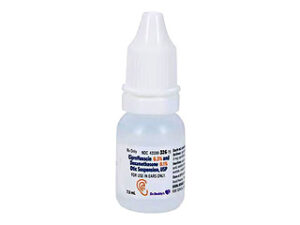



Chloromycetin (Chloramphenicol) – Patient Information
Chloromycetin is the brand name for chloramphenicol, an antibiotic used to treat certain bacterial infections. This medicine is known for broad antimicrobial activity and has historically been used for a range of conditions. However, because it can cause serious side effects in some people, it is generally used only when it is appropriate for the specific infection and patient circumstances.
This page is designed to help you understand how chloramphenicol works, how it may be used, what to expect, and what precautions to take—especially regarding safety.
Quick facts
- Active ingredient: Chloramphenicol (often listed as the same active drug under brand and generic names)
- Medicinal class: Antibiotic (broad-spectrum)
- Common forms: Oral tablets/capsules, eye preparations, and topical/ear forms depending on product availability
- Key warning: Rare but serious bone marrow suppression; additional risks include “grey baby syndrome” in newborns
- Use in Australia: Availability and indications depend on product type and current regulatory guidance
Basic product information
Chloromycetin (chloramphenicol) belongs to the group of antibiotics called phenicols. It works by stopping bacteria from making the proteins they need to survive and multiply.
Different chloramphenicol products exist, such as:
- Oral formulations for selected systemic infections
- Eye drops/ointments for certain ocular bacterial infections
- Topical preparations for certain skin/ear infections
Important: The correct form and strength depend on the infection site and age of the patient. Always follow the instructions provided for your specific product.
How chloramphenicol works (mechanism of action)
Chloramphenicol is bacteriostatic against many bacteria, meaning it can stop bacterial growth rather than directly killing all bacteria. It primarily acts by:
- Binding to the 50S ribosomal subunit in bacteria
- Inhibiting protein synthesis by interfering with peptide chain elongation
Because protein synthesis is essential for bacteria to function and reproduce, this leads to reduced bacterial multiplication and helps the body clear the infection over time.
Pharmacokinetics (how the body handles the medicine)
Pharmacokinetics describes what the body does to a medicine (absorption, distribution, metabolism, and elimination).
- Absorption: Oral chloramphenicol is absorbed after swallowing, although the exact extent may vary by formulation and individual factors.
- Distribution: Chloramphenicol can distribute into various body tissues, including sites affected by infection. This is one reason it has been used for systemic infections.
- Metabolism: It is mainly metabolised by the liver.
- Excretion: Chloramphenicol and its metabolites are eliminated primarily through the kidneys. Some may also be cleared via other routes.
Because metabolism and elimination are involved, liver or kidney impairment can increase risk of side effects. In such cases, clinicians may need to adjust dosing and monitor carefully.
Typical use and indications
Chloramphenicol may be considered for bacterial infections where it is suitable, including (depending on the formulation and local guidance):
- Eye infections caused by susceptible bacteria (for example, bacterial conjunctivitis)
- Skin or soft tissue infections where topical chloramphenicol is appropriate
- Other selected systemic infections when alternative antibiotics are not suitable and the expected benefit outweighs risks
Susceptibility matters: Chloramphenicol should be used only against organisms that are known or likely to be sensitive. Using it for viral illnesses (such as cold or flu) will not help.
Dosing overview and timing
Dosing varies widely by:
- the infection type (eye vs skin vs systemic)
- the formulation (oral vs topical vs eye preparation)
- age and body weight
- kidney and liver function
- severity of illness
For patient safety: This information is general. The exact dose and schedule for your specific chloramphenicol product should follow the label instructions and professional advice associated with that product.
Typical timing principles
- Take at evenly spaced intervals if using oral chloramphenicol (to maintain effective drug levels).
- Finish the full course unless instructed to stop—stopping early can allow infection to return.
- For eye/ear/skin products: use at the recommended frequency and for the duration specified.
Missed dose
- If you miss a dose, take it as soon as you remember unless it is close to the next scheduled dose.
- Do not double doses to “catch up.”
Food interactions
For many antibiotics, food can influence absorption and stomach comfort. For chloramphenicol, follow your product’s directions regarding whether to take it with or without food. General guidance:
- With food may help reduce stomach upset for some people.
- Avoid skipping meals if your medicine causes nausea.
Practical tip: If you consistently experience nausea or stomach pain, take the next dose with food if your product instructions allow it, and speak with a pharmacist.
Alcohol and medicine interactions
Alcohol
It’s generally advisable to avoid alcohol while taking antibiotics. Alcohol can worsen side effects such as nausea, dizziness, and fatigue. It may also interfere with how well your body handles illness.
Other medicine interactions
Chloramphenicol can interact with other medicines through liver metabolism and effects on blood-forming cells. Tell your pharmacist or doctor if you take:
- Medicines affecting the blood (including other antibiotics or treatments that may suppress bone marrow)
- Drugs that rely on liver enzymes for metabolism (potentially increasing levels of one or both medicines)
- Warfarin and other blood thinners (any antibiotic may affect gut bacteria and alter INR in some people)
Never start, stop, or change doses of other medicines without advice, especially if you are on anticoagulants, chemotherapy, immunosuppressants, or medicines that already affect blood counts.
Safety profile and important precautions
Chloramphenicol has important safety considerations. Some adverse effects are rare but serious; others may occur more commonly.
Serious risks (seek medical advice urgently if symptoms occur)
- Bone marrow suppression: This can lead to reduced production of blood cells. Symptoms may include unusual bruising or bleeding, persistent infections, severe tiredness, or paleness.
- “Grey baby syndrome” risk: This is a severe reaction seen in newborns/infants exposed to chloramphenicol. It is associated with immature drug metabolism and can cause breathing problems, vomiting, and cardiovascular collapse. Chloramphenicol is generally avoided in newborns and very young infants unless a specialist determines it is necessary.
Other possible side effects
- Gastrointestinal effects: nausea, vomiting, diarrhoea
- Hypersensitivity reactions: rash, itching, swelling, or breathing difficulties
- Headache or dizziness: may occur in some people
- Effects on the eyes/skin: irritation may occur with topical/eye preparations
Who should be extra cautious
- People with liver disease or reduced kidney function
- People with previous blood disorders or abnormal blood counts
- Pregnant or breastfeeding individuals: discuss risks/benefits with a healthcare professional
- Children: dosing and safety depend strongly on age and formulation
Monitoring: In longer courses or higher-risk patients, healthcare providers may monitor blood counts and liver function.
Practical use tips (to get the best results)
General tips
- Use only for bacterial infections where it is appropriate.
- Complete the course even if you feel better.
- Stay hydrated and eat regular meals to help manage side effects.
- Keep track of timing (set reminders if needed).
Eye preparation tips (if using chloramphenicol eye drops/ointment)
- Wash hands before and after use.
- Don’t touch the tip of the bottle to the eye.
- If you wear contact lenses, follow product guidance—many eye infections require avoiding contacts until fully healed.
- Wait the recommended interval between different eye medicines if you are using more than one.
Topical/skin tips (if using a topical formulation)
- Apply a thin layer to the affected area as directed.
- Avoid covering with airtight dressings unless advised.
- Stop and seek advice if the area becomes more painful, swollen, or severely irritated.
Alternative options
Because appropriate antibiotic selection depends on the infection site, suspected bacteria, local resistance patterns, and patient factors, alternatives may include:
- Other topical antibiotics for eye/skin infections (depending on local availability and organism susceptibility)
- Different systemic antibiotics for selected infections—often chosen based on culture results when available
- Supportive care (e.g., pain relief, hydration, wound care) to manage symptoms while infection resolves
Important: If chloramphenicol is not suitable due to allergy, side effects, or infection type, a pharmacist or clinician can discuss the most appropriate alternative.
Market and legal context for Australia
In Australia, antibiotic products are regulated under the Therapeutic Goods Administration (TGA) framework and must meet specific standards for quality, safety, and efficacy. Availability can vary depending on formulation and whether a product is included in the Australian register of therapeutic goods.
Chloramphenicol-containing products have historically been subject to more caution due to known risks (particularly bone marrow suppression and severe reactions in infants). As a result:
- use may be more restricted compared with some newer antibiotics
- monitoring requirements may be higher for certain courses
- product availability for specific indications can vary
Regulatory and clinical guidance may evolve over time, including recommendations on appropriate use and antimicrobial stewardship.
Recent guidance and stewardship notes
Across Australia, antimicrobial stewardship emphasises:
- Using antibiotics only when bacterial infection is likely
- Choosing the narrowest effective option when possible
- Monitoring for side effects and ensuring safe dosing
- Ensuring adherence to reduce resistance and treatment failure
Chloramphenicol may be considered in specific scenarios where it remains appropriate. However, clinicians often weigh its risk profile carefully—particularly for systemic use and for populations at higher risk (such as newborns and young infants).
Delivery, availability, and what to expect from an online pharmacy
Availability depends on the specific chloramphenicol product type (oral vs eye vs topical), local stock levels, and regulatory status. When ordering through an online pharmacy:
- Confirm the exact product: check strength and formulation on the label.
- Check quantity and expiry: reputable pharmacies provide clear expiry information.
- Delivery times vary: metropolitan deliveries are often faster than regional or remote areas.
- Packaging: medicines are typically shipped in manufacturer-approved packaging.
If you need urgent treatment: check delivery estimates or contact customer support. For serious infections, timely access to care is important.
Table: Key information at a glance
| Topic | What you should know |
|---|---|
| Medicine | Chloromycetin (chloramphenicol) |
| Type | Antibiotic (phenicol) |
| How it works | Inhibits bacterial protein synthesis by binding to the 50S ribosomal subunit |
| When it’s used | Certain bacterial infections depending on formulation and susceptibility |
| Food | Follow product directions; food may reduce stomach upset |
| Alcohol | Generally avoid alcohol to reduce side effects and support recovery |
| Key risks | Rare but serious bone marrow suppression; severe risk in newborns/young infants |
| Monitoring | May include blood tests and liver/kidney checks in higher-risk or longer courses |
| Missed dose | Take when remembered unless close to next dose; don’t double |
Frequently asked questions (FAQ)
1) What infections is chloramphenicol used for?
Chloramphenicol may be used for certain bacterial infections, depending on the product (oral vs eye vs topical) and whether the likely bacteria are susceptible. It is not effective against viral infections like colds or flu.
2) How long does it take to work?
Many people begin to notice improvement within 24–48 hours after starting an effective antibiotic. If symptoms worsen or show no improvement within a few days, seek advice promptly.
3) Can I stop chloramphenicol early if I feel better?
It’s best to complete the full course unless you are advised to stop due to side effects. Stopping early can allow infection to return or persist.
4) What should I do if I have side effects?
Common mild effects can occur (such as nausea). However, if you experience signs of serious reactions—such as unusual bruising/bleeding, severe fatigue, breathing difficulty, swelling, or symptoms that concern you—seek urgent medical advice.
5) Is chloramphenicol safe for children?
Safety depends on age, the formulation, and the reason for use. Because of the severe risk associated with newborns and young infants, chloramphenicol is generally not used in very young patients unless a specialist determines it is appropriate. Dosing must be accurate.
6) Can I use chloramphenicol eye drops if I wear contact lenses?
Many eye infections require avoiding contact lenses during treatment. Follow the product directions and ask a pharmacist if you’re unsure.
7) Are there interactions with other medicines?
Yes. Chloramphenicol may interact with medicines that affect the liver, blood counts, or medications such as blood thinners. Tell your pharmacist about all medicines and supplements you take.
8) Does chloramphenicol interact with alcohol?
Alcohol is generally best avoided during treatment. It can worsen side effects and may impair recovery.
9) Is chloramphenicol still available in Australia?
Availability depends on the specific product and regulatory status. Your online pharmacy can confirm current stock and the relevant formulation.
10) What if I’m pregnant or breastfeeding?
Discuss risks and benefits with a healthcare professional. Safety varies by circumstances, and chloramphenicol’s risk profile may influence decisions.
When to seek medical help
Contact a healthcare professional promptly if you experience:
- signs of allergic reaction (rash, swelling, breathing difficulty)
- unusual bruising or bleeding, persistent fever, or severe tiredness
- severe diarrhoea or dehydration
- no improvement or worsening after starting treatment
For eye infections: seek urgent advice if you have severe pain, light sensitivity, reduced vision, or swelling around the eye.
Note: This information is intended to help you understand chloramphenicol. Always read the product label and follow instructions provided with your specific medicine.