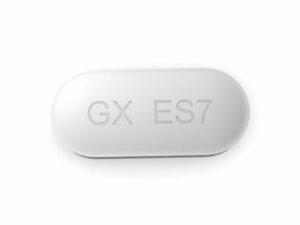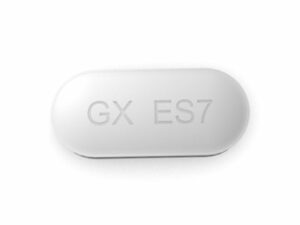


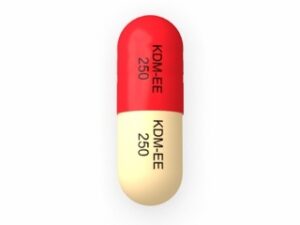
Ethionamide (Ethionamide Tablets) — Patient Information (Australia)
Ethionamide is a medicine used to treat tuberculosis (TB), typically as part of combination therapy. If you are taking ethionamide, it’s important to understand how it works, when to take it, what side effects to watch for, and how to use it safely to give you the best chance of successful treatment.
This guide is written to be patient-friendly and practical for everyday use in Australia. It does not replace advice from your doctor or pharmacist, but it can help you prepare for treatment and know what questions to ask.
Basic product information
| Category | Details |
|---|---|
| Medicine name | Ethionamide |
| Common use | Tuberculosis treatment (usually in combination) |
| How it’s taken | Oral tablets or oral dose form as supplied by your prescriber/pharmacist |
| Typical frequency | Often once daily or divided dosing schedules depending on the regimen |
| Medicinal class | Second-line anti-tuberculosis agent |
How Ethionamide works (mechanism of action)
Ethionamide is an anti-tuberculosis medicine. It is a prodrug that becomes active inside the body. In susceptible TB bacteria, the active form interferes with the bacteria’s ability to make essential cell-wall components and affects energy-related metabolic pathways.
In simple terms: ethionamide helps weaken and kill TB bacteria so your combination treatment can clear the infection.
Ethionamide is generally considered a second-line TB medicine. It is commonly used when:
- There is resistance to first-line TB medicines
- There are intolerance or contraindications to other medicines
- Your treatment plan requires a multi-drug regimen to improve effectiveness
Pharmacokinetics (how your body processes it)
“Pharmacokinetics” describes how a medicine is absorbed, distributed, metabolised, and eliminated. Key points for ethionamide include:
- Absorption: Ethionamide is taken by mouth and absorbed from the gastrointestinal tract.
- Distribution: It can distribute into body tissues, including areas affected by TB.
- Metabolism: Ethionamide is primarily metabolised in the liver.
- Elimination: Metabolites are eliminated mainly via the kidneys and through normal metabolic pathways.
Because ethionamide is processed largely by the liver, people with liver problems may require extra monitoring. Your pharmacist or doctor may schedule blood tests during treatment.
Typical uses and indications
Ethionamide is indicated for the treatment of tuberculosis in specific circumstances. It is most often used as part of a combination regimen for drug-resistant TB or when the regimen requires additional active agents.
- Drug-resistant or suspected resistance TB regimens (as determined by your treating team)
- Multidrug regimens where ethionamide is included to improve the likelihood of effective treatment
- Other situations where first-line medicines cannot be used and ethionamide is considered appropriate
Timing: when and how to take Ethionamide
Treatment success in TB depends greatly on consistent dosing and taking the medicine exactly as directed in your TB regimen.
Common timing principles
- Take at the same time each day to maintain steady levels.
- Do not double doses if you miss one—follow your local advice or the directions provided with your medication.
- If you experience side effects (such as nausea), ask your pharmacist or doctor about strategies to improve tolerability.
If you miss a dose
Guidance varies by regimen and dosing schedule. In general:
- If it’s close to the next dose, skip the missed dose.
- If you remember soon after, take it when you can.
- Do not take extra tablets to “catch up” without advice.
If you’re unsure, contact your pharmacy for advice tailored to your dosing schedule.
Food interactions: can you take Ethionamide with meals?
Ethionamide may be affected by food and stomach tolerance. In many TB regimens, clinicians advise taking it with food or after meals to reduce gastrointestinal side effects such as nausea.
- Best practice: Take ethionamide with food if it upsets your stomach.
- Consistency matters: Once you find a comfortable routine (e.g., after breakfast), stick to it.
Because individual instructions differ across TB treatment plans, always follow the specific directions you were given. If you have persistent nausea, tell your clinician—there may be options to improve tolerability.
Alcohol and medicine interactions
Alcohol
It’s strongly recommended to avoid or minimise alcohol during TB treatment, particularly with ethionamide, because:
- Both alcohol and ethionamide can stress the liver
- Alcohol may worsen nausea, dizziness, and fatigue
- Alcohol can interfere with medication adherence and overall recovery
Other medicine interactions
Ethionamide has the potential to interact with other medicines. Always tell your healthcare team about everything you take, including:
- Other TB medicines
- Medicines for seizures, blood thinning, diabetes, or mental health
- Over-the-counter products (especially cough/cold remedies)
- Herbal supplements
Specific interactions can involve liver metabolism and effects on blood levels or side-effect profiles. Your pharmacist can help check interactions once they know your full medication list.
Safety profile: side effects and when to seek help
Like all medicines, ethionamide can cause side effects. Many people experience mild effects, especially during the first weeks, but some effects need urgent medical attention.
Common side effects
- Nausea, stomach upset
- Loss of appetite
- Vomiting
- Metallic taste or altered taste
- Headache
- Dizziness or fatigue
Potentially serious side effects (seek medical advice promptly)
- Liver problems: yellowing of the skin/eyes (jaundice), dark urine, severe fatigue, upper right abdominal pain, or unusual bruising/bleeding
- Severe nausea/vomiting leading to dehydration
- Nerve-related symptoms: new tingling, numbness, or weakness
- Allergic reactions: swelling of face/lips, rash with breathing difficulty, or widespread hives
- Severe mood changes or confusion (especially if you have a history of mental health conditions)
If you develop symptoms suggestive of serious liver injury or an allergic reaction, seek urgent medical care immediately.
Monitoring during TB treatment
TB regimens often include scheduled blood tests. These may monitor:
- Liver function (ALT/AST, bilirubin)
- Full blood count and general health
- Other tests depending on the overall regimen
Attend all monitoring appointments even if you feel well—some lab changes have no early symptoms.
Dosing: how much is used?
Ethionamide dosing is individualised based on the TB regimen, patient factors, and tolerability. In practice, dosing is often weight-based or set to a standard dose range with possible adjustments.
Because the appropriate dose depends on your specific treatment plan, the most important instruction is: follow the dosing schedule provided with your TB medicines.
General dosing principles (patient overview)
- Use the exact number of tablets prescribed for your regimen.
- If you miss a dose, do not compensate by taking extra without advice.
- Report side effects early—dose adjustments may be considered by your clinician.
- If your dosing is divided (e.g., twice daily), space doses evenly and take with food if nausea occurs.
If you would like, you can ask your pharmacist to explain your dosing schedule and what to do if you miss a dose.
Practical use tips for better tolerability
- Take with food if nausea occurs.
- Stay hydrated, especially if you experience vomiting or reduced appetite.
- Keep a routine: link the dose to a daily habit (breakfast or dinner).
- Track symptoms: note nausea severity, appetite changes, taste changes, and any unusual symptoms.
- Attend follow-ups and blood tests even if you feel well.
- Be careful with alcohol during treatment.
- Tell your clinician about numbness, tingling, rash, or mood changes—these can require attention.
Alternative treatment options
TB treatment depends on the type of TB (drug-susceptible vs drug-resistant), the site of infection, prior treatment history, and local guidelines. Ethionamide is one option among several.
In many regimens, alternatives may include other second-line anti-TB medicines. Your clinician selects the safest and most effective combination based on susceptibility testing and patient factors.
Examples of alternative TB medicines (not a complete list)
- Other second-line agents used in multi-drug TB regimens
- Medicines selected based on resistance patterns and tolerability
If you have concerns about ethionamide (side effects, interactions, or effectiveness), discuss them early with your treating team. Do not stop or change your TB regimen without medical advice.
Market and legal context for Australia
In Australia, medicines are regulated through the Therapeutic Goods Administration (TGA) and medicines are supplied in accordance with Australian scheduling rules and prescribing/dispensing requirements.
Ethionamide is used in TB management under clinical supervision as part of structured treatment plans. Access may depend on:
- Availability and formulation supplied by the manufacturer/distributor
- Clinical suitability and treatment regimen needs
- Local healthcare pathways for TB care
TB treatment often involves specialist oversight. In Australia, TB cases are managed according to established national guidance and specialist recommendations.
Recent guidance and evidence overview
TB care guidance is periodically updated by Australian and international public health authorities. Updates may include:
- Changes to recommended regimens for drug-resistant TB
- Approaches to monitoring safety (especially liver-related monitoring)
- Support strategies to improve adherence and reduce adverse effects
Your treating team will follow the most current guidance available at the time your regimen is developed. If you want to understand why ethionamide is included in your plan, ask your clinician whether your regimen was selected due to susceptibility testing, resistance history, or tolerability considerations.
Delivery and availability (Australia)
Availability can vary depending on stock levels and the specific brand/formulation. When ordering online, timelines typically depend on:
- Your location in Australia
- Current supplier/distributor stock
- Packaging and dispatch times
If ethionamide is temporarily out of stock, your pharmacy may offer:
- Alternative formulation options if clinically appropriate
- Estimated restock timeframes
- Support to ensure continuity of your TB regimen
Contact customer support for delivery estimates and to confirm availability before placing an order.
FAQ: Ethionamide
1) What is ethionamide used for?
Ethionamide is used to treat tuberculosis, usually as part of a combination regimen, particularly when TB is drug-resistant or when the regimen requires additional medicines.
2) How long does TB treatment usually take?
TB is commonly treated for many months depending on disease severity, infection site, and drug susceptibility/resistance. Your clinician will provide a timeline for your specific regimen.
3) Can I take ethionamide on an empty stomach?
Some people experience nausea or stomach upset if taken without food. Many regimens advise taking it with food or after meals to improve tolerability. Follow your specific instructions.
4) What should I do if I feel very sick after taking ethionamide?
If nausea/vomiting is severe, or you cannot keep fluids down, contact your healthcare provider promptly. If you develop signs of liver problems (e.g., jaundice or dark urine), seek urgent medical advice.
5) Are there any foods I should avoid?
There are no commonly cited specific “banned” foods. However, taking ethionamide with consistent meals can help with stomach tolerance. If you have dietary restrictions or experience reduced appetite, speak to your clinician or pharmacist.
6) Does alcohol interact with ethionamide?
Alcohol can worsen side effects and may increase stress on the liver. It’s generally recommended to avoid or minimise alcohol during treatment and discuss any planned alcohol use with your healthcare provider.
7) Can I take other medicines with ethionamide?
Many medicines can be taken together, but interactions are possible—especially those affecting the liver or related metabolic pathways. Provide your full medication list to your pharmacist for interaction checking.
8) What monitoring will I need?
TB regimens frequently include periodic blood tests, often focused on liver function and overall safety. Attend scheduled appointments even if you feel well.
9) What side effects are most important to watch?
Watch for signs of liver problems, severe nausea/vomiting, rash or allergic symptoms, and nerve-related symptoms such as tingling or numbness. Seek prompt medical advice if symptoms are severe or unusual.
10) Is ethionamide safe for everyone?
Not everyone is the same. People with liver disease, certain neurological conditions, or those taking interacting medicines may need extra monitoring or dose adjustments. Your clinician will assess suitability based on your health history and current regimen.
If you have questions about how to take ethionamide safely, how to manage side effects, or whether it interacts with your other medicines, speak to your pharmacist. They can help you make your treatment safer and easier to follow.