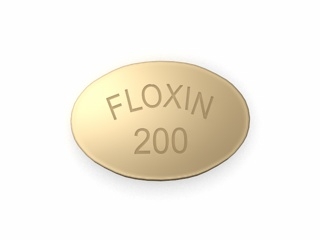
Floxin (Ofloxacin) – Patient Information (Australia)
Floxin is a brand of ofloxacin, an antibiotic medicine used to treat certain bacterial infections. This guide is written to help you understand what Floxin is, how it works, how it is usually taken, and what to watch for. Always follow the instructions provided by your healthcare professional and the product label for your specific situation.
Quick Overview
| Medicine | Active ingredient | Common forms | Typical role |
|---|---|---|---|
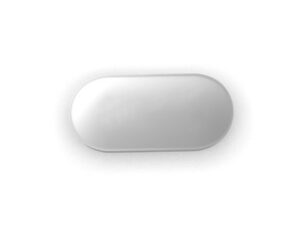
| Floxin | Ofloxacin | Tablets (brand availability may vary) | Antibiotic for susceptible bacterial infections |
Basic Product Information
Ofloxacin belongs to the fluoroquinolone group of antibiotics. It works against a range of bacteria by interfering with essential processes inside bacterial cells.
In Australia, antibiotic prescribing and supply are regulated through the Australian regulatory framework. Your local pharmacy will advise on the most appropriate formulation and strength based on availability and your clinical needs.
- Class: Fluoroquinolone antibiotic
- Active ingredient: Ofloxacin
- Use: Treatment of infections caused by susceptible bacteria
How Floxin Works (Mechanism of Action)
Ofloxacin kills susceptible bacteria by blocking two key bacterial enzymes needed for DNA replication:
- DNA gyrase (topoisomerase II)
- Topoisomerase IV
When these enzymes are inhibited, bacteria cannot properly copy and repair their DNA. This leads to bacterial death and helps clear the infection.
It is important to note that antibiotics like ofloxacin only work against bacterial infections. They do not treat viral illnesses such as colds or influenza.
Pharmacokinetics (How the Body Handles Ofloxacin)
Pharmacokinetics refers to what the body does with a medicine—absorption, distribution, metabolism, and excretion.
Absorption
Ofloxacin is absorbed after oral dosing. In general, it reaches peak blood levels within a few hours, although the exact time can vary between individuals. Food can affect absorption, so timing with meals and separation from certain minerals is sometimes important (see “Food Interactions”).
Distribution
Ofloxacin distributes into body tissues and fluids, including sites relevant to certain infections. Distribution varies by tissue and depends on infection type and severity.
Metabolism and Excretion
Ofloxacin is mainly cleared by the kidneys. Because of this, kidney function can affect how quickly the medicine leaves your body.
- Key point: If you have reduced kidney function, your healthcare professional may adjust dosing.
Typical Use in the Community
Floxin/ofloxacin is typically considered for bacterial infections where the causative organism is susceptible and where fluoroquinolones are appropriate. In practice, use depends on local resistance patterns and your clinical history.
In Australia, antibiotic choice is guided by best-practice antimicrobial stewardship. This means clinicians consider:
- Which bacteria are most likely to be responsible
- Local resistance trends
- Your allergies and past antibiotic exposure
- Your organ function (especially kidneys)
Indications (Common Infection Targets)
Ofloxacin may be used for infections caused by susceptible bacteria. Depending on the product and clinical judgement, it may be considered for:
- Urinary tract infections (including certain complicated or recurrent cases)
- Prostatitis (bacterial infection of the prostate, depending on organism and severity)
- Some respiratory tract infections where appropriate (not all coughs or chest infections are treated with antibiotics)
- Some skin and soft tissue infections (when susceptible)
- Other bacterial infections as determined by your healthcare professional
The most suitable treatment depends on culture results (if available), the likely organism, and your individual risk factors.
Dosing – What’s Typical?
Dosing varies depending on the infection being treated, its severity, and your kidney function. For the exact dosing schedule for your prescription/medicine supply, refer to the instructions on your medication label and any accompanying directions from your healthcare professional.
As a general guide, fluoroquinolones are commonly taken either once or twice daily depending on the condition and product instructions. Your prescriber will choose the regimen that best fits your case.
General dosing principles
- Take at the same times each day to maintain consistent medicine levels.
- Complete the full course even if you feel better—unless your healthcare professional advises stopping.
- Do not adjust your dose without medical advice.
Missed dose
If you miss a dose, take it when you remember unless it is close to the time of the next dose. Do not take a double dose to “catch up.”
Timing – When to Take Floxin
Many people do well taking ofloxacin at regular intervals. Your healthcare professional may advise taking it:
- With water and swallowing tablets whole (unless label instructions differ)
- Consistently with respect to meals, based on your prescribed instructions
If you are using medicines that contain minerals (such as iron, zinc, magnesium, calcium) or certain antacids, timing matters—see the “Food and Interactions” section.
Food Interactions (Including Dairy and Minerals)
Food can influence how much ofloxacin your body absorbs. Some foods are particularly relevant due to minerals that can bind to the antibiotic.
Important to separate from minerals
You may need to separate ofloxacin from products containing cations (charged minerals). These can reduce absorption and effectiveness. Common examples include:
- Antacids containing aluminium or magnesium
- Iron supplements
- Zinc supplements
- Calcium supplements (including some high-mineral products)
- Multivitamins with minerals
Ask your pharmacist how long to separate these from ofloxacin for your specific products. A common approach is to take ofloxacin at least a few hours apart from mineral supplements/antacids, but the exact timing can vary.
Dairy products
Dairy foods may contain calcium, which could affect absorption in some people. If your label or healthcare professional advises separation, follow that guidance. If not, taking with water and consistent meal timing is often recommended, but individual products and formulations can differ.
Food and upset stomach
If ofloxacin upsets your stomach, taking it with food may help in some cases. However, confirm with your pharmacist because “with or without food” can depend on formulation and your specific instructions.
Alcohol and Medicine Interactions
Alcohol is not always strictly forbidden with antibiotics, but it may worsen side effects such as dizziness, nausea, sleep disturbance, and general weakness. Avoiding or limiting alcohol during treatment is often the safest approach.
Alcohol considerations
- May increase dizziness and reduce alertness.
- May worsen nausea or stomach discomfort.
- May interfere with recovery (especially if you are unwell or dehydrated).
Interaction risks to discuss with your pharmacist
Ofloxacin can interact with some medicines. Tell your pharmacist (or healthcare professional) about all medicines you take, including over-the-counter products and supplements. Examples to discuss include:
- Warfarin and other blood thinners (possible increased bleeding risk)
- Drugs that affect heart rhythm (risk related to QT interval, depending on medicines and your risk factors)
- Anti-diabetes medicines (possible effects on blood glucose)
- Corticosteroids (higher risk of tendon injury in some people)
- Non-steroidal anti-inflammatory drugs (NSAIDs) (seizure risk may be increased in susceptible individuals)
- Probenecid or certain other kidney-related medicines
Do not start, stop, or combine medicines without checking for interactions.
Safety Profile – What to Watch For
Like all medicines, Floxin/ofloxacin can cause side effects. Many people have mild or temporary effects, but some reactions require urgent medical attention.
Common side effects
- Nausea, stomach discomfort, diarrhoea
- Headache
- Dizziness
- Insomnia or changes in sleep
- Skin rash (mild in some cases)
Serious side effects – seek urgent medical help
Contact urgent care or seek immediate medical attention if you develop:
- Signs of an allergic reaction: swelling of face/lips, difficulty breathing, widespread hives
- Severe or persistent diarrhoea, especially with fever or blood/mucus (could indicate antibiotic-associated colitis)
- Tendon pain or swelling (e.g., Achilles tendon) or sudden difficulty using a limb—fluoroquinolones can increase tendon injury risk, especially in older adults or with corticosteroids
- Nerve symptoms such as tingling, numbness, burning pain, or weakness (neuropathy symptoms may require prompt review)
- Severe dizziness, fainting, palpitations, or chest pain (possible heart rhythm issues in susceptible individuals)
- Confusion, hallucinations, agitation or severe mood changes
- Seizures (rare but serious)
Tendon and musculoskeletal precautions
- Avoid intense exercise if you develop tendon discomfort.
- If tendon pain occurs, stop the medicine and seek urgent medical advice promptly (do not “push through” pain).
Skin and sun sensitivity
- Some people develop increased sensitivity to sunlight. Consider sun protection (shade, clothing, sunscreen).
Kidney function
Because ofloxacin is cleared by the kidneys, people with impaired kidney function may be at higher risk of side effects if dosing is not adjusted. Your clinician may monitor or adjust dosing accordingly.
Practical Use Tips (Getting the Best Results Safely)
- Take it consistently: Use reminders so you don’t miss doses.
- Stay hydrated: Drink water during the course unless you have been advised to restrict fluids.
- Complete the course: Even if you feel better early, stopping early can contribute to treatment failure and resistance.
- Monitor symptoms: Track fever, pain, urinary symptoms, breathing symptoms, or wound changes (depending on infection).
- Watch for red flags: Seek urgent advice for severe diarrhoea, tendon pain, allergic symptoms, or neurological symptoms.
- Avoid driving if dizzy: If you feel light-headed, avoid driving or hazardous tasks until you know how you respond.
Alternative Options (Depending on the Infection)
Antibiotic selection should be individualised. Alternatives may include other antibiotics or, in some situations, non-antibiotic approaches if the cause is not bacterial.
Your healthcare professional may consider alternatives based on the likely organism, severity, allergies, and local resistance. Possible alternatives (examples, not exhaustive) can include:
- Nitrofurantoin (commonly for certain uncomplicated urinary tract infections)
- Trimethoprim-sulfamethoxazole (where appropriate)
- Amoxicillin-clavulanate (for selected bacterial infections)
- Cephalosporins (depending on the infection)
- Other fluoroquinolones in selected circumstances (not always preferred due to safety considerations)
The “best” alternative depends on your condition and susceptibility results. Ask your pharmacist or doctor for options that suit your allergy history and infection type.
Recent Guidance and Stewardship Considerations in Australia
Australia uses antimicrobial stewardship principles to help slow antibiotic resistance and improve patient outcomes. Fluoroquinolones (including ofloxacin) are effective for susceptible bacteria but are generally used when benefits outweigh risks.
- Appropriate selection: Use when the infection and likely bacteria are suitable for a fluoroquinolone.
- Assess risk factors: Age, kidney function, history of tendon disorders, seizure risk, and interacting medicines can influence safety.
- Follow-up if not improving: If symptoms do not improve within expected timeframes, seek medical advice—antibiotic choice may need review.
For the most up-to-date recommendations, clinicians may refer to Australian antimicrobial guidance and local hospital or health service protocols.
Market / Legal Context in Australia (High-Level)
In Australia, antibiotics are tightly regulated. Availability, brand names, and exact indications can vary depending on the product. Pharmacists and prescribers must adhere to national medicines legislation and professional standards.
If you have questions about whether Floxin/ofloxacin is appropriate for your condition, speak with a licensed healthcare professional or pharmacist.
Delivery and Availability
Availability of Floxin/ofloxacin can vary across pharmacies and online pharmacies depending on stock levels and formulation strength. Many pharmacies can supply commonly used antibiotic products, but substitutions may sometimes be considered where permitted and appropriate.
- Ordering: Online pharmacies typically require relevant details and confirmation of supply eligibility.
- Delivery: Delivery times vary by location and courier service.
- Packaging: Keep the medicine in the original packaging until use.
If you need the medicine urgently, contact the pharmacy to confirm dispatch and delivery options.
Storage
- Store at room temperature unless the label states otherwise.
- Keep out of direct sunlight and moisture.
- Store in a place where children cannot access it.
- Do not use after the expiry date shown on the packaging.
FAQ – Floxin (Ofloxacin)
1) What is Floxin (ofloxacin) used for?
Floxin is an antibiotic used to treat certain bacterial infections where ofloxacin is appropriate. The exact infection types depend on your diagnosis and the bacteria suspected or confirmed.
2) How long does it take to start working?
Many people begin to notice improvement within 24–72 hours, depending on the infection and severity. If you are not improving after a reasonable time, contact your healthcare professional for review.
3) Can I stop early once I feel better?
It is generally recommended to complete the full course to reduce the chance of treatment failure and antibiotic resistance. Only stop or change treatment if advised by your healthcare professional.
4) Can I take Floxin with food?
Some people can take ofloxacin with food to reduce stomach upset, but the best approach depends on your specific product instructions. If you are unsure, ask your pharmacist whether your dose should be taken with or without food.
5) Are there foods I should avoid?
The main issue is not specific foods, but mineral-containing products and some antacids/supplements. You may need to separate these from ofloxacin to ensure good absorption.
6) What should I do if I miss a dose?
Take it as soon as you remember unless it is near the next dose. Do not take a double dose. If you frequently miss doses, speak with your pharmacist about strategies to help you stay on track.
7) Can I drink alcohol while taking Floxin?
Alcohol may worsen side effects such as dizziness and nausea. Limiting alcohol or avoiding it during treatment is often the safest choice. If you have concerns, ask your pharmacist.
8) What medicines commonly interact with ofloxacin?
Interactions can occur with blood thinners (e.g., warfarin), antacids and mineral supplements, certain heart rhythm medications, diabetes medicines, corticosteroids, and some kidney-related medicines. Provide a full list of medicines and supplements to your pharmacist.
9) Who needs extra caution when using fluoroquinolones?
Extra caution is often needed in older adults, people with kidney impairment, those with a history of tendon problems, individuals at risk of seizures, and those taking interacting medicines.
10) When should I seek urgent help?
Seek urgent medical care if you have symptoms of an allergic reaction, severe/persistent diarrhoea, tendon pain or swelling, sudden neurological symptoms (such as numbness or weakness), severe dizziness/fainting, or other serious reactions.
Important: This information is intended to help you understand Floxin (ofloxacin). It does not replace medical advice. If you have questions about whether Floxin is suitable for you or how to take it safely, talk to a pharmacist or healthcare professional.