Minocin (Minocycline hydrochloride) — Patient Information
Minocin contains minocycline hydrochloride, an antibiotic in the tetracycline family. It is used to treat a range of bacterial infections and, in some cases, inflammatory skin conditions. This page explains how Minocin works, how it is taken, and what to consider for safety and interactions in Australia.
Important: Medicines must be used exactly as directed by your healthcare professional and according to the instructions on the product label. Information below is general and does not replace personalised advice.
Quick facts
- Active ingredient: Minocycline hydrochloride
- Medicine type: Tetracycline-class antibiotic
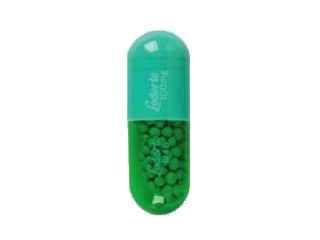
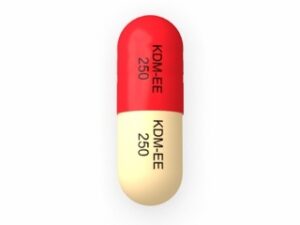
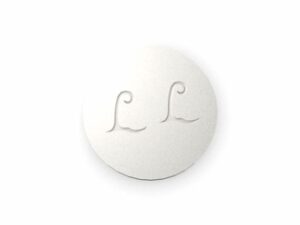
- Common forms: Tablets and capsules (strengths vary by product)
- How it’s taken: Usually by mouth, typically once or twice daily depending on the condition
- Key cautions: Avoid in pregnancy and breastfeeding unless specifically advised; limit alcohol; watch for serious side effects (rare but important)
How Minocin works (mechanism of action)
Minocycline works by interfering with how bacteria make proteins needed for growth and survival.
- Bacteriostatic action: Minocycline primarily stops bacteria from multiplying by binding to the bacterial ribosome (30S subunit).
- Wider activity: It can be active against various Gram-positive and Gram-negative bacteria, including organisms associated with certain respiratory, skin, dental, and sexually transmitted infections (depending on local resistance patterns).
- Anti-inflammatory effects (for acne/rosacea in some cases): Minocycline may also reduce inflammation and certain immune responses, which contributes to its benefit in some skin conditions.
Pharmacokinetics (how your body handles it)
Understanding absorption and how the body processes minocycline can help you take it correctly.
- Absorption: Minocycline is absorbed after oral dosing. Food can reduce absorption for some tetracyclines, and supplements can significantly reduce absorption (details below).
- Distribution: It distributes throughout body tissues and can reach therapeutic levels in various sites.
- Metabolism: Minocycline is partially metabolised in the body.
- Excretion: It is eliminated through multiple pathways, including the kidneys and bile. Elimination can be slower in some people, particularly with impaired kidney function (your clinician will advise).
- Half-life: The elimination half-life varies among individuals, which is why dosing schedules are condition-dependent.
Practical takeaway: Consistent timing and avoiding absorption-blocking products (such as certain minerals) helps ensure the dose works as intended.
Typical uses and indications
Minocin is used for infections and selected inflammatory conditions, depending on the organism and severity. In Australia, the exact use of minocycline can vary based on local prescribing practices and resistance patterns.
Common indications
- Some bacterial infections including respiratory tract, skin, and other infections where minocycline is appropriate
- Certain sexually transmitted infections when caused by susceptible organisms and when appropriate regimens are selected
- Acne vulgaris (moderate to severe inflammatory acne) in some treatment plans
- Other dermatological conditions where minocycline is specifically recommended by a clinician
Note: Minocycline is not effective against viral infections like the common cold or influenza.
When and how to take Minocin (timing and dosing)
Your dosing schedule depends on the condition being treated, your age, kidney/liver function, and other medications. Follow your label or healthcare professional’s instructions.
Typical timing
- Try to take Minocin at regular times each day.
- Space doses evenly if taking it twice daily.
- Consistency matters—don’t “double up” to catch up unless instructed.
Dosing overview (general guidance)
Because dosing varies by indication, the safest approach is to follow the exact strength and schedule provided with your product. The tables below illustrate typical regimens used in practice; your clinician may adjust based on your condition.
| Condition (examples) | Typical adult dosing pattern | Duration |
|---|---|---|
| Selected bacterial infections | Often 100 mg once or twice daily (varies) | Usually several days to a few weeks depending on response |
| Moderate–severe acne (in some plans) | Commonly 50–100 mg once or twice daily (varies) | May be weeks to months; reassessed regularly |
| Other specific indications | Condition-specific schedules | Condition-specific |
How to take it
- Swallow whole with a glass of water.
- If your dose upsets your stomach, taking it with food may help some people, but follow your prescriber’s guidance.
- Do not take it at the same time as certain supplements/minerals (see food interactions).
Missed dose
- If you miss a dose, take it when you remember unless it’s close to the next dose.
- Skip the missed dose if it’s near the next scheduled dose.
- Do not take extra doses to make up for the missed one.
Food interactions (what to avoid with Minocin)
Certain foods and products can reduce absorption of minocycline or increase stomach irritation.
Minerals and supplements that can interfere
Minocycline may bind to minerals, reducing its absorption. Avoid taking these at the same time as your dose:
- Iron and multivitamins containing iron
- Calcium (including some dairy supplements)
- Magnesium (including antacids and some supplements)
- Zinc supplements
- Aluminium-containing antacids
- Cholestyramine (can interfere with absorption)
Practical tip: Separate minocycline from mineral/antacid products by at least 2–4 hours unless your healthcare professional advises otherwise.
Alcohol and fatty meals
- Alcohol may increase risk of certain side effects (see below).
- Heavy meals may affect tolerance. If nausea occurs, try taking Minocin with a light meal or at a time of day that suits you.
Alcohol interactions
Alcohol may increase the risk of side effects and can worsen how you feel while on antibiotics.
- Increased dizziness, light-headedness, or stomach upset: These can be more noticeable with alcohol.
- Heightened risk of liver-related issues (rare): Alcohol can add strain on the liver, especially if you’re already at risk.
Patient-friendly guidance: It’s best to avoid or minimise alcohol while taking Minocin, particularly during the first few days when side effects can be more likely. If you’re unsure due to health conditions (e.g., liver disease), ask your pharmacist or doctor.
Medicine interactions (important combinations)
Minocycline can interact with other medicines, which may reduce effectiveness or increase side effects.
Medicines that may reduce minocycline absorption or effectiveness
- Antacids containing aluminium, magnesium
- Iron, zinc, and calcium supplements
- Some laxatives containing magnesium
- Cholestyramine
Medicines and interactions that may increase side effects
- Retinoids (vitamin A derivatives) such as isotretinoin or acitretin: can increase risk of increased pressure in the skull (rare but serious).
- Warfarin (if you use it): tetracyclines can affect bleeding risk in some cases; monitoring may be required.
- Diuretics or other medicines affecting electrolytes: interactions depend on the specific product.
- Other antibiotics: may change effectiveness depending on the situation.
What to do
- Keep a list of all your medicines and show it to your pharmacist or prescriber.
- Include herbal products and over-the-counter medicines, not just prescription drugs.
- If you start a new medicine while on Minocin, ask whether spacing or monitoring is needed.
Safety profile and side effects
Like all medicines, Minocin can cause side effects. Many people tolerate it well, but some effects require prompt attention.
Common side effects
- Nausea, upset stomach
- Vomiting or diarrhoea
- Dizziness or light-headedness
- Headache
- Skin sensitivity to sunlight (photosensitivity)
- Changes in skin appearance (more commonly discussed with prolonged use, see below)
Less common but important side effects
- Persistent severe dizziness or ringing in the ears
- Severe diarrhoea (especially with fever or blood/mucus) — could indicate antibiotic-associated colitis
- Signs of liver problems: yellow skin/eyes, dark urine, severe fatigue, abdominal pain
- Allergic reactions: swelling of face/lips, hives, trouble breathing
- Serious skin reactions: blistering, peeling, sores in mouth or eyes
Rare but serious warnings
Some rare reactions with tetracycline-class antibiotics can include:
- Hypersensitivity reactions (including severe skin reactions)
- Autoimmune or inflammatory syndromes (uncommon)
- Changes in pigmentation with long-term use (skin, teeth, or nails may be affected in some cases)
- Effects on the blood (uncommon), which may show as unusual bruising or infections
Seek urgent medical help if you have symptoms of a severe allergic reaction, blistering/peeling skin, severe diarrhoea, or signs of liver injury.
Who should use Minocin with extra caution?
- Pregnancy and breastfeeding: Tetracyclines can affect foetal and infant bone and teeth development. Minocin should generally be avoided unless specifically advised by a healthcare professional.
- Children: Use in younger age groups requires careful consideration. Your prescriber will follow recommended guidance.
- Liver disease: Minocin may require dose adjustment and close monitoring.
- Kidney impairment: While tetracyclines are often safer than some older antibiotics, kidney function can still influence choices.
- History of drug allergies or severe reactions to tetracyclines
- People at risk of photosensitivity: sun exposure should be managed carefully
Practical use tips (getting the best results)
- Take it regularly: Set a daily reminder so you don’t miss doses.
- Complete the course (unless told otherwise): stopping early can allow bacteria to rebound.
- Manage sun exposure: use sunscreen, protective clothing, and avoid tanning beds.
- Protect your stomach: if nausea occurs, ask whether taking with food is appropriate for your regimen.
- Avoid mineral interference: separate minocycline from iron/calcium/magnesium/zinc and antacids.
- Track side effects: if you notice persistent dizziness or unusual symptoms, stop and seek advice promptly.
Alternative options
If Minocin isn’t suitable due to side effects, resistance patterns, allergies, or drug interactions, clinicians may consider alternative therapies.
For bacterial infections
- Other antibiotics may be chosen based on the infection type and local susceptibility data.
- In some cases, different tetracyclines or classes (e.g., macrolides, penicillins, cephalosporins) may be used depending on diagnosis.
For acne or related skin conditions
- Topical treatments such as benzoyl peroxide and topical retinoids
- Other oral options like doxycycline (another tetracycline) or other antibiotics depending on severity and guidelines
- Hormonal treatments may be considered for suitable patients
- Isotretinoin is sometimes used for severe or refractory acne under specialist care
Important: The “best” alternative depends on your specific diagnosis, history, and the bacteria involved. A pharmacist or prescriber can help you compare options.
Minocin in Australia: market and legal context
In Australia, antibiotics including minocycline are regulated medicines and availability may vary by formulation and brand. Pharmacy supply is guided by Australian medicines policy, prescriber requirements, and the relevant legislation governing medicines distribution.
- Quality and authenticity: Only purchase from reputable sources that meet Australian regulatory standards.
- Antibiotic stewardship: Australian healthcare guidance emphasises appropriate antibiotic use to reduce resistance and minimise unnecessary exposure.
- Local prescribing practices: Recommendations may change over time based on resistance patterns and evidence updates.
Recent guidance note: For many infections, Australian recommendations increasingly stress tailoring antibiotic choice to suspected or confirmed pathogens, using the narrowest effective agent, and reviewing treatment response within expected timeframes. If you’re prescribed antibiotics, it’s wise to discuss expected improvement and when to seek reassessment.
Delivery and availability (Australia)
Online pharmacy availability can depend on stock levels and the specific formulation (for example, tablet vs capsule, and strength). When ordering online:
- Check product strength and form before confirming your order.
- Allow time for dispatch and consider courier delays during peak periods.
- Storage: Store tablets/capsules as directed on the packaging (typically at room temperature, away from moisture and excessive heat).
Delivery expectations: Delivery times vary by region and provider. Your online order confirmation page usually includes estimated shipping times and tracking options.
Cold chain: Minocycline tablets/capsules are not typically stored in a cold chain unless the product label specifies otherwise.
FAQ
1) How long does it take for Minocin to work?
For bacterial infections, some improvement may be noticed within 48–72 hours, but this depends on the infection site and severity. For acne or inflammatory skin conditions, noticeable improvement can take several weeks. If you don’t improve as expected, contact your healthcare professional.
2) Can I take Minocin with food?
Many people can take minocycline with food to reduce stomach upset. However, certain interactions (especially with minerals and antacids) are more important than food alone. Follow the advice provided with your product or by your prescriber.
3) What should I avoid while taking Minocin?
- Avoid taking it at the same time as iron, calcium, magnesium, zinc, and antacids
- Minimise alcohol to reduce the chance of side effects
- Reduce sun exposure and use sunscreen due to photosensitivity risk
4) Can Minocin cause dizziness?
Yes. Dizziness or light-headedness can occur. If you feel unwell or dizzy, avoid driving or operating machinery until you know how Minocin affects you.
5) Is it safe to take probiotics or vitamins with Minocin?
Probiotics may be used by some people to support gut health during antibiotic treatment, but check with your pharmacist. For vitamins/minerals, the key is timing—separate minocycline from supplements containing iron, calcium, magnesium, or zinc by a few hours.
6) What if I develop severe diarrhoea?
Severe or persistent diarrhoea, especially with fever, blood, or mucus, can be serious. Seek medical advice promptly. Do not simply stop caring for hydration.
7) Can I take Minocin if I’m pregnant or trying to conceive?
Minocycline is generally avoided in pregnancy due to potential risks to the developing foetus. Discuss your situation urgently with a healthcare professional to review the safest option.
8) Will Minocin affect birth control pills?
Most tetracyclines do not reliably reduce the effectiveness of hormonal contraceptives, but vomiting or diarrhoea can. If you have significant gastrointestinal upset, consider barrier protection and ask your pharmacist for advice.
9) Are there long-term risks with Minocin?
Long-term use can increase the chance of certain uncommon side effects, including pigment changes and liver-related effects. Regular review is important, particularly if used for acne over months.
10) What should I do if I miss a dose?
Take it when you remember unless it’s close to the next dose. Skip the missed dose if near the next dose. Do not double up.
Important reminder
Minocin can be an effective treatment when used appropriately, but safety depends on correct dosing, avoiding key interactions (especially minerals and antacids), and monitoring for side effects. If you have concerns about symptoms, interactions, or whether Minocin is suitable for you, speak with a pharmacist or healthcare professional.