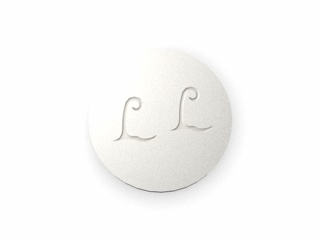
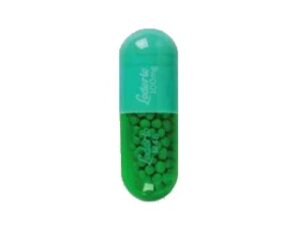
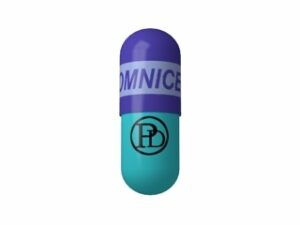
Myambutol (Ethambutol Hydrochloride) — Patient Guide
Myambutol contains ethambutol hydrochloride, a medicine used as part of combination treatment for certain serious mycobacterial infections. This guide explains how Myambutol works, how it’s taken, key safety considerations, and what to expect in everyday use.
| Category | Details |
|---|---|
| Active ingredient | Ethambutol hydrochloride |
| Common use | Combination therapy for tuberculosis (TB) and other specific mycobacterial infections |
| How it works | Inhibits mycobacterial cell wall formation |
| Typical dosing schedule | Usually once daily (frequency and dose depend on the infection and patient factors) |
| Key safety monitoring | Vision changes (rare but important) |
Basic product information
Myambutol is an anti-mycobacterial medicine. It is most often used together with other TB medicines to help prevent resistance and improve cure rates.
- Brand/medicine name: Myambutol
- Generic name: Ethambutol hydrochloride
- Drug class: Anti-mycobacterial (TB) antibiotic
In Australia, Myambutol is supplied through usual pharmacy channels according to local prescribing and dispensing regulations and the requirements of relevant TB control programs.
How Myambutol works (mechanism of action)
Ethambutol targets mycobacteria (bacteria such as Mycobacterium tuberculosis and some non-tuberculous mycobacteria). It helps stop the bacteria from building a key part of their cell wall, which is essential for survival and growth.
In simple terms: Myambutol interferes with the synthesis of substances needed for the mycobacterial cell wall, leading to inhibition of bacterial growth. Because it is usually used alongside other medicines, the combination approach helps achieve effective treatment and reduce the chance of resistance developing.
Pharmacokinetics (how the body handles ethambutol)
Pharmacokinetics describes what the body does with the medicine—how it’s absorbed, distributed, metabolised, and eliminated.
- Absorption: Ethambutol is absorbed after oral dosing.
- Distribution: It distributes through the body, including into areas relevant to mycobacterial infections. It can reach therapeutic levels where TB bacteria reside.
- Metabolism: Ethambutol undergoes metabolism in the body to some extent.
- Elimination: The medicine is primarily eliminated via the kidneys. This is why kidney function can influence risk and dosing decisions.
- Half-life (time in the body): The duration of effect depends on patient factors, including kidney function.
Practical implication: If you have impaired kidney function, your healthcare team may adjust dose or monitoring frequency to reduce the risk of adverse effects.
Typical uses
Myambutol is used as part of treatment regimens for infections caused by susceptible mycobacteria.
Common indications include:
- Tuberculosis (TB): Often used in combination with other TB medicines.
- Some non-tuberculous mycobacterial (NTM) infections: When susceptible organisms are identified and combination therapy is appropriate.
Important: The exact regimen, duration, and number of medicines depend on the organism, site of infection, drug susceptibility testing, and your clinical circumstances.
When and how to take Myambutol (timing & dosing principles)
Myambutol is typically taken once daily. Your exact dose is determined by your healthcare team, generally based on body weight, infection type, and other factors (including kidney function).
Timing
- Try to take it at the same time each day to help maintain consistent levels.
- If your instructions allow flexibility, take it when it fits your routine so you can avoid missed doses.
Dose (general guidance)
Do not self-adjust your dose. Only your clinician can calculate the correct amount for you. Ethambutol dosing is commonly weight-based.
- Adults: Dosing is usually determined by body weight and treatment regimen.
- Children: Dosing is also weight-based and should be calculated by a qualified clinician.
- Kidney impairment: Dose adjustments may be necessary.
How to take
- Swallow the tablet(s) with water.
- If you miss a dose, take it when you remember unless it is close to the time of the next dose—then skip the missed dose and resume your schedule. Do not double up.
- Keep taking Myambutol for the duration recommended, even if you feel better early on.
Why consistency matters: TB and other mycobacterial infections are often long-term. Stopping early or taking doses inconsistently can reduce effectiveness and increase the risk of drug resistance.
Food interactions
Ethambutol can generally be taken with or without food depending on local product guidance and your clinician’s directions.
- Typical approach: Choose a routine that helps adherence (for example, taking with a meal if that suits you).
- Absorption: Food is not usually known to cause major clinically significant changes for ethambutol, but it’s still best to follow your local advice.
Practical tip: If you experience stomach upset, taking Myambutol with food may improve comfort. If you’re unsure, ask your pharmacist.
Alcohol interactions
Alcohol does not have a single universal interaction listed for ethambutol in the way some medicines do, but drinking alcohol during TB/NTM treatment is strongly discouraged.
- Why: Alcohol can affect liver function and overall recovery.
- TB regimens: TB treatment commonly includes medicines that may also affect the liver. Alcohol can increase strain on the body when multiple medicines are being used.
- Safety: Alcohol may worsen side effects such as nausea, dizziness, or fatigue.
Best practice: Avoid alcohol unless your healthcare team says otherwise. If you drink, discuss with a clinician or pharmacist for personalised advice, especially if you have liver disease or other risk factors.
Medicine interactions (common considerations)
Interactions can occur with other medicines, including those used alongside ethambutol. In TB treatment, ethambutol is typically combined with multiple antibiotics—so it’s essential to review your full medication list.
Tell your pharmacist/doctor if you take:
- Other TB medicines (commonly include rifampicin and isoniazid; other combinations may be used)
- Medicines that affect the kidneys (since ethambutol is eliminated through the kidneys)
- Medicines that may influence eyesight or cause visual symptoms
- Any supplements or herbal products
What to watch for
- Kidney-related changes: If you develop reduced urine output, swelling, or sudden changes in health, seek medical advice.
- Vision-related symptoms: Ethambutol can (rarely) affect vision—see the Safety section for what to monitor.
- New or worsening side effects: Especially during the first weeks of therapy.
Tip: Keep an up-to-date list of all medicines and show it to your pharmacist each time you get supplies.
Indications (when Myambutol is used)
Myambutol is indicated for infections due to ethambutol-susceptible mycobacteria as part of an appropriate multidrug regimen.
- Tuberculosis (TB): Used in combination to prevent resistance and improve outcomes.
- Other mycobacterial infections: For selected cases based on organism susceptibility and clinical guidelines.
Not for: Typical throat infections, colds, or common bacterial infections that are not caused by mycobacteria.
Safety profile
Most people tolerate ethambutol well, but it’s important to understand potential risks. The most notable concern is vision changes, which should be taken seriously and reported early.
Common side effects
- Nausea or stomach discomfort
- Headache
- Dizziness or general tiredness
- Changes in appetite
Serious side effects (seek medical advice promptly)
Vision problems (rare, but potentially significant) include:
- Blurred vision
- Difficulty distinguishing colours (especially red/green)
- Reduced vision or changes in visual acuity
- Any sudden or worsening eye symptoms
Kidney-related issues may be more likely if kidney function is reduced or if dose is not adjusted appropriately. Contact a healthcare professional if you notice:
- Marked reduction in urine
- Unexpected swelling
- Unusual fatigue or breathlessness
Allergic reactions (seek urgent help) may include:
- Swelling of the face, lips, or throat
- Hives or widespread rash
- Difficulty breathing
Vision monitoring (practical guidance)
Many clinicians consider baseline and follow-up eye assessment for patients taking ethambutol, especially if treatment is prolonged, high dose is used, or there are risk factors.
- Report visual symptoms immediately—do not wait for the next appointment.
- If you wear contact lenses or glasses, let your healthcare team know.
- Regular vision checks may be recommended.
Who needs extra caution
- People with kidney impairment
- Older adults or those with multiple medicines
- People receiving prolonged therapy
Practical use tips (getting the most from Myambutol)
Because TB and some NTM infections can take months to treat, adherence and monitoring are essential. These tips can help you manage everyday treatment.
- Use reminders: Set a daily alarm or use a medication app.
- Keep a medication log: Mark each dose taken, especially in long regimens.
- Don’t skip eye checks: If your clinician arranges visual monitoring, attend appointments.
- Stay hydrated: Unless you’ve been told to restrict fluids. Hydration supports kidney function.
- Know your baseline: If you notice any colour vision change or blur, compare with your usual vision and report it.
- Be consistent with other medicines: TB regimens often use multiple daily doses at specific times.
If you feel unwell: Nausea, fatigue, or mild headaches can occur. However, if symptoms are severe, persistent, or include visual changes, contact a healthcare professional promptly.
Alternative options
Alternative medicines depend entirely on the infection type, susceptibility results, and your individual health factors. For TB and some NTM infections, treatment usually involves multiple drugs rather than replacing ethambutol one-for-one.
Possible alternative TB medicines (examples):
- Isoniazid
- Rifampicin (rifampin)
- Pyrazinamide
- Other agents used in specific situations based on resistance patterns and tolerability
Important: If ethambutol is not suitable (for example, due to vision changes), clinicians may modify the regimen. Don’t stop or swap medicines without medical advice.
Australia: market and legal context
In Australia, medicines are regulated by the Australian Government’s medicines and medical devices framework. The dispensing of anti-mycobacterial medicines is subject to applicable scheduling rules and professional oversight. Myambutol is commonly used within structured TB services and treatment programs, which may include public health monitoring and specialised regimens.
What this means for you:
- You may need to follow specific dispensing processes used by Australian pharmacies.
- Your clinician may require monitoring (such as kidney function or eye assessments) during therapy.
- Supply continuity matters—plan refills early to avoid interruptions.
Recent guidance and monitoring (overview)
TB treatment practices can evolve based on emerging evidence, national guidelines, and local resistance patterns. Clinicians generally emphasise:
- Combination therapy to prevent drug resistance
- Monitoring for known medicine toxicities (especially vision for ethambutol)
- Individualised treatment guided by susceptibility testing and patient factors
- Adherence support (education, reminders, and structured follow-up)
Tip: Ask your treating team which monitoring tests apply to you and how often. Your personal schedule may differ from others on the same medicine.
Delivery, availability, and how to order in Australia
Online pharmacies in Australia typically supply prescription medicines only through the appropriate channels and verification steps required by law and product regulations.
What you can expect:
- Availability: Stock levels can vary. Some strengths or pack sizes may be ordered in if temporarily unavailable.
- Dispatch times: Orders are generally dispatched on business days. Delivery times vary by carrier and location.
- Packaging: Medicines are usually supplied in protective packaging to maintain integrity during transit.
- Track your delivery: Many services provide tracking information after dispatch.
Plan ahead: If you’re in a long treatment course, consider ordering refills early to help avoid gaps.
FAQ
1) What is Myambutol used for?
Myambutol (ethambutol hydrochloride) is used as part of treatment for infections caused by susceptible mycobacteria, most commonly tuberculosis, and certain other non-tuberculous mycobacterial infections. It is usually taken in combination with other medicines.
2) How quickly does it start working?
People may notice improvement in symptoms over time, but for TB and other mycobacterial infections, effective treatment typically requires completing the full recommended course. Bacterial response and symptom changes vary between individuals.
3) Should I take Myambutol with food?
It can usually be taken with or without food. Choose a routine you can maintain daily. Taking with food may help if you experience stomach discomfort.
4) Can I drink alcohol while taking Myambutol?
It’s best to avoid alcohol during TB/NTM treatment. Alcohol may worsen side effects and can increase stress on the liver—especially because TB regimens often include other medicines that affect the liver.
5) What vision symptoms should I report?
Report any new or worsening blurred vision, colour vision changes (especially red/green), or reduced visual clarity. Contact your healthcare professional promptly if you notice changes.
6) Does Myambutol affect the kidneys?
Ethambutol is primarily eliminated through the kidneys. If kidney function is reduced, dosing adjustments may be necessary to lower the risk of side effects. Seek medical advice if you notice unusual changes in health or urine output.
7) What if I miss a dose?
Take it when you remember if it’s not close to your next scheduled dose. Otherwise, skip the missed dose and continue with your normal schedule. Do not double up.
8) Are there alternatives if I can’t tolerate ethambutol?
Yes, but alternatives depend on your specific infection, susceptibility results, and your side-effect profile. Your clinician may adjust the treatment regimen. Don’t change medicines without guidance.
9) How long will I need to take it?
Duration depends on the infection and treatment plan. TB therapy is often long-term, and completion is essential even when symptoms improve.
10) When should I seek urgent help?
Seek urgent medical help for signs of severe allergic reaction (such as swelling of the face/lips or difficulty breathing) or if you experience significant sudden vision changes.
Always follow the instructions provided by your healthcare professional. If you’re unsure about dose timing, monitoring, or how to manage side effects, ask your pharmacist or clinician.